ARoS Aarhus Museum: Where Contemporary Art Meets Scandinavian Light
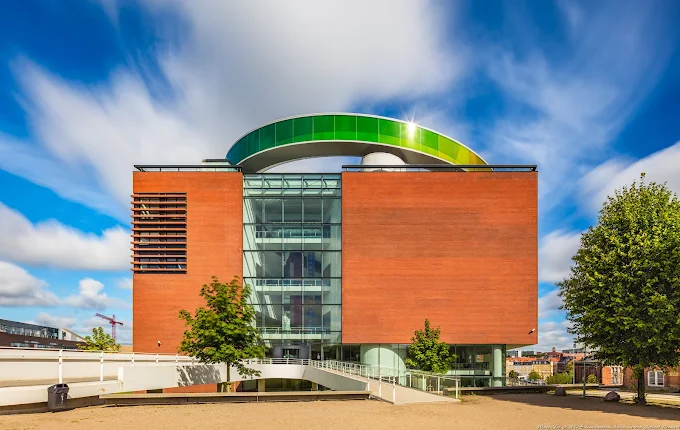
ARoS Aarhus Museum: Where Bold Art Meets Panoramic Light
I stand inside the main hall just past eleven in the morning. Light floods down through glass walls. The building rises tall and circular. I paid 195 DKK for adult admission. The walk from Aarhus Central Station took ten minutes. It cost nothing extra. I bought a simple coffee at the café. It cost 38 DKK and tasted fresh. Visitors move quietly between floors. Some stand still before large canvases. Others look up at the space itself. The museum feels open — no dark corners, no cramped corridors. Every level offers views out over the city. Art and life outside connect through the same glass.
Why ARoS Aarhus Museum Matters
ARoS stands as one of Denmark's largest art museums. The building opened in 2004, designed to feel welcoming rather than imposing. Its circular shape evokes a connection between sky and earth — a deliberate reference to ancient symbolic forms. Collections span four centuries — from 17th-century masters to contemporary installations. The museum also commissions major outdoor works. The most famous is Your Rainbow Panorama — a circular walkway in colored glass that crowns the roof. It filters the city below through every hue. ARoS does not just show art; it invites you to step inside it. The museum has transformed Aarhus's cultural identity, drawing visitors worldwide without feeling distant from local life.
It is not an intimate small gallery. On busy days, the fifth-floor rainbow walkway feels crowded. You may wait briefly to step into clearer light. Photography is allowed in most spaces but flash is banned — a rule that surprises some people. The museum also charges premium entry. Visitors on a tight budget may find the cost high compared to other local sites. The permanent collection is strong but some traveling exhibits sell out fast — book ahead during peak periods.
The Best Time to Experience ARoS Aarhus Museum
Late May through early September offers the longest days and brightest rooftop light. Daytime temperatures sit between 14°C and 21°C (57°F–70°F). The rainbow panorama stays open late on selected Thursdays — seeing the city shift from daylight to evening glow feels unforgettable. Arrive before 11:00 AM on weekends to avoid queues. July and August stay busy — buy tickets online ahead.
April, early May, and September balance pleasant conditions and fewer visitors. Temperatures hover around 9°C–15°C (48°F–59°F). Spring and autumn sun angles cast rich color through the glass roof. October through April brings shorter days and cooler conditions — 2°C–7°C (36°F–45°F). The rooftop walk stays open but wind makes it feel colder. Weekday mornings stay quiet year-round. Mondays remain closed — many visitors overlook this and arrive to find doors locked.
Approximate Budget for a 7-Day Trip
- Accommodation: 3,850 DKK – 6,300 DKK. Guesthouse or B&B within walking distance sits lower. Central hotel with city views runs 850–1,100 DKK per night. Staying nearby means you can return easily if you want to see the rooftop at different light.
- Food & Drink: 1,820 DKK – 3,010 DKK. Lunch at the museum café costs 125–210 DKK. Dinner in Aarhus runs 185–310 DKK per person. Buying lunch from a nearby bakery and eating at the harbor saves nearly half.
- Transport: 700 DKK – 1,330 DKK. Walkable from station. Local buses 36 DKK one way. Bicycle rental works perfectly at 100–150 DKK per day — Aarhus is built for bikes.
- Attractions & Entry: 585 DKK – 780 DKK. ARoS ticket 195 DKK adult. Children under 18 enter free. Special exhibits may carry extra fee.
- Miscellaneous: 560 DKK – 910 DKK. Covers coffee, snacks, postcards, and small purchases.
Total estimated budget: 7,515 DKK – 12,330 DKK per person for 7 days.
One thing to watch: the museum café charges premium rates. A full meal here costs 80 DKK more than at places just a few minutes away. Step out, eat well, and come back — your ticket is valid all day. No need to rush.
Essential ARoS Aarhus Museum Experiences
- Walk Your Rainbow Panorama. Step onto the circular glass walkway. The entire city shifts color around you. Red, orange, yellow, green, blue, violet — each panel changes the view. It feels different every hour. Go at opening time for empty space. Skip if you dislike heights or enclosed spaces — the glass floor feels solid but some visitors find it intense.
- Explore the permanent collections. Rooms hold Danish and international art from the 1700s to today. Look for works by Golden Age painters and modern pieces that challenge how you see the world. Read the labels slowly — they add depth without overwhelming.
- Stand beside the large-scale installations. Several works fill entire rooms. You do not just look at them — you stand inside them. Light, sound, and space combine. These are what make ARoS feel different from traditional museums.
- Visit the 9-meter-high sculpture on the ground floor. The large figure stands open at the chest. You can walk inside. It explores human emotion and connection. Many people glance at it and walk past — take time to go in.
- Return at sunset. If you can, come back late afternoon. Low sun turns the rainbow glass warm gold. The city lights begin to twinkle below. The rooftop stays open later on Thursdays — this is the best time to visit.
- Walk the surrounding neighborhood. The museum sits in a lively area. Old warehouses, galleries, and cafes fill the streets nearby. Combine your visit with a stroll to see how art and daily life mix here.
Hidden Gems Most Travelers Miss
- The quieter north-facing rooms. Most visitors head straight for the rainbow staircase. The opposite side holds smaller, thoughtful works and empty benches. You can sit and look out over the city almost alone.
- Overrated spot: the main staircase photo spot. Everyone stops here. Walk one floor up or down. The same light and lines appear with no crowd in your frame.
- The educational gallery on the lower level. Families gather here but most adults skip it. It shows how art techniques work — color, perspective, composition. It feels refreshingly hands-on.
- Early morning light through the main hall. The glass walls face east. Sun streams in before 11:00 AM. It falls across the floors and paintings. Most people arrive just after then — you catch it best first thing.
- The rooftop bench facing the harbor. Walk past the rainbow circle. A quiet bench sits with a clear view of the water. Few people find it. Sit and watch ships glide past below.
Cultural & Practical Tips
- Book tickets online ahead. It saves queuing and guarantees entry. Special exhibits and weekends sell out. Do not count on buying at the door then.
- Mondays the museum stays closed. This catches many visitors out. Plan your trip for Tuesday through Sunday.
- Wear shoes you can walk in. The museum spans several large floors. You will climb stairs and walk across wide levels. It adds up more than you expect.
- Photography is allowed but no flash. Tripods require permission. Be considerate — do not block views or walk in front of others while taking photos.
- Do not rush. Many people plan one hour and leave feeling they missed half. Three hours minimum lets you see the rainbow walk, main collections, and a special exhibit without hurrying.
- Check the rooftop forecast. Wind and rain make the walkway less pleasant. It stays open in light rain but feels exposed. Come prepared with a windproof jacket year-round.
Essential Visitor Information
Location & Access: ARoS Aarhus Kunstmuseum, Aros Allé 2, 8000 Aarhus C. Three ways to arrive: 10-minute walk from Aarhus Central Station; local bus stops directly outside; car — paid parking available in nearby lots.
Tickets & Booking: Adult 195 DKK online or at door. Children and young people under 18 free. Seniors and students 165 DKK. Booking ahead recommended June–August and for special exhibits.
Operating Hours: Tuesday–Sunday 10:00 AM–5:00 PM; extended to 9:00 PM on Thursdays. Always closed Monday. Rooftop closes 30 minutes before museum.
Visit Duration: Minimum 2–3 hours. 4 hours lets you explore fully and sit with artworks. Half a day if combining with neighborhood stroll.
Family Suitability: Excellent. Interactive areas suit children. Stroller access throughout. Restrooms and baby-care rooms available. Under-18 entry free makes it affordable.
Timing: Best season: May or September. Best time: before 11:00 AM or Thursday evening. Weekdays stay noticeably quieter than weekends.
Highlights: Your Rainbow Panorama rooftop walk, Golden Age collection, contemporary installations, ground-floor sculpture, city views through colored glass.
Nearby & Day Trip: Den Gamle By 15 minutes on foot. Moesgaard Museum 20 minutes by bus. Djurs Sommerland 45 minutes by car. Mols Bjerge National Park 30 minutes east.
Conclusion: Travel with Depth, Not Just Sight
ARoS does not just show you art. It changes how you see the world around you. Step through the rainbow glass and the city shifts — ordinary streets turn vibrant, familiar buildings glow new hues. You carry that perspective back down. Look up as you walk away. What will you see differently now that you have walked in color?
Post a Comment