Den Gamle By: Where Living History Meets Danish Heritage Charm
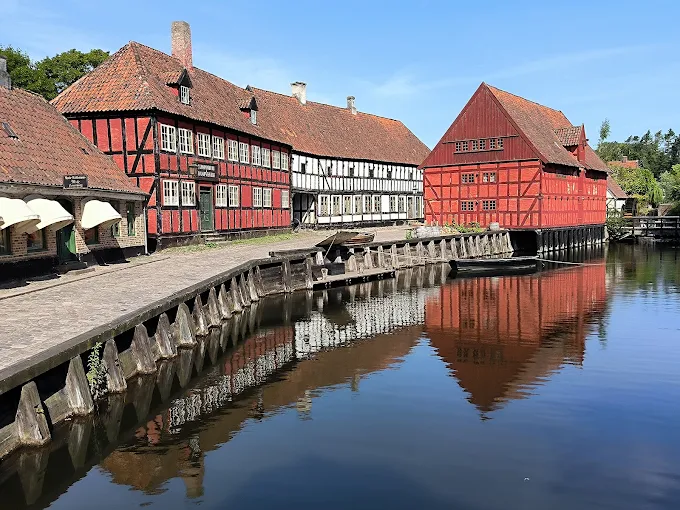
Den Gamle By: Where Cobbled Streets Meet Living History
I step through the gate just past ten in the morning. Cobblestones run under my feet. Timber-framed houses line the lane, their beams dark and walls plastered soft yellow and rose. I paid 140 DKK for adult admission. The walk from Aarhus Central Station took fifteen minutes. It cost nothing extra. A woman in period dress hangs herbs outside a timber cottage. She nods as I pass. Smoke curls gently from a chimney. The air smells of woodsmoke, beeswax, and fresh bread from the bakery. No loud signs break the spell. You do not just look at history here — you walk right into it.
Why Den Gamle By Matters
Den Gamle By — The Old Town — is the world's first open-air museum of urban history. It opened in 1914, preserving and relocating historic buildings from across Denmark to form a complete townscape spanning several centuries. Seventy-five authentic structures stand here, dating from the 16th century right through to the early 20th. Three distinct eras unfold: the merchant town of the 1700s, the working-class neighborhood of the 1860s, and the early 20th-century quarter. Costumed staff go about daily tasks — baking, weaving, tending shops — without performing for crowds. The museum does not freeze time into a single moment. It shows how people lived, worked, and changed across four hundred years of city life.
It is not a perfectly preserved time capsule. Some buildings show signs of age — worn steps, uneven floors, creaking beams — and that is exactly their nature. In summer, school groups fill the streets and quiet corners vanish. Photography is welcomed but tripods are banned without permission. The site covers hilly ground and suits able walkers best; some narrow lanes and steep staircases remain challenging for wheelchairs and strollers.
The Best Time to Experience Den Gamle By
Late May through early September offers the longest days and fullest atmosphere. Daytime temperatures sit between 14°C and 21°C (57°F–70°F). Gardens bloom and outdoor activities run daily. Arrive before 11:00 AM to beat the largest groups. July and August stay lively but crowded — visit on a weekday morning for calm.
April, early May, and September balance pleasant weather and fewer visitors. Temperatures hover around 9°C–15°C (48°F–59°F). Spring brings blossom to the fruit trees behind the houses. Autumn turns the climbing vines deep red. October through April brings shorter days and cooler conditions — 2°C–7°C (36°F–45°F). The museum closes an hour earlier then. Winter visits feel quiet and atmospheric; candlelit evenings in December are special but book fast.
Approximate Budget for a 7-Day Trip
- Accommodation: 3,500 DKK – 5,950 DKK. Guesthouse or B&B within walking distance sits lower. Central Aarhus hotel runs 700–950 DKK per night. Staying here places you close to everything.
- Food & Drink: 1,680 DKK – 2,800 DKK. Lunch inside Den Gamle By costs 105–175 DKK. Dinner in Aarhus runs 180–295 DKK per person. Packing a simple meal to eat on the benches saves nearly half.
- Transport: 700 DKK – 1,330 DKK. Walkable from central station; city buses 36 DKK one way. Bicycle rental works perfectly at 100–140 DKK per day. Car parking nearby costs extra.
- Attractions & Entry: 420 DKK – 560 DKK. Adult ticket 140 DKK. Children under 18 enter free. Guided tours carry small extra fee.
- Miscellaneous: 490 DKK – 840 DKK. Covers coffee, snacks, traditional sweets, and small purchases.
Total estimated budget: 6,790 DKK – 11,480 DKK per person for 7 days.
One thing to watch: eating every meal inside the museum adds up fast. The bakery is worth a visit but sit-down meals cost 65 DKK more than places just outside the gates. Step out, eat well, and come back in — your ticket gives all-day re-entry.
Essential Den Gamle By Experiences
- Walk the 1700s Merchant District. Grand timbered homes line cobbled lanes. Notice the carved doors, painted ceilings, and formal gardens. Wealth and status show clearly here. Go early — this area fills first.
- Step into the 1860s Working Quarter. Smaller terraced houses, a print shop, and a tobacco workshop feel closer to everyday life. Rooms sit compact; furnishings are simple but well used. This is where ordinary people lived. Skip if you dislike narrow spaces — lanes stay tight.
- Visit the 1920s Neighborhood. Shopfronts, a telephone exchange, and a modest apartment show how modernity arrived. It feels surprisingly familiar. The contrast with earlier centuries makes the change tangible.
- Talk to the costumed staff. They are not actors reciting lines — they explain crafts, history, and daily life from what they know. Ask questions. They share recipes, traditions, and stories that bring the streets alive.
- Climb the tower or walk to the windmill. The windmill stands on the edge of the site and offers wide views over the rooftops. It sits a short uphill walk away. The climb feels worth it when you see the layout unfold below.
- Eat fresh bread from the bakery. Warm loaves and spiced pastries baked to old recipes. The scent draws you from across the museum. Buy one, sit on a bench, and eat slowly. It tastes different from anything you find in town.
Hidden Gems Most Travelers Miss
- The herb and vegetable gardens behind the cottages. Most people stay on the main paths. Enclosed plots hold medicinal plants, dye herbs, and kitchen vegetables. Signs explain what each was used for. Quiet and green, they feel like secret rooms.
- Overrated spot: the main square in front of the church. Every group stops here. Walk fifty yards down the lane toward the windmill. The same architecture frames you with no crowd.
- The bookbindery and print shop. Tucked away in a side courtyard. Staff demonstrate old presses and book stitching. You can watch them work. It feels calm and focused — few visitors find their way here.
- The 1920s attic apartment. Reached by narrow stairs above the shops. Furnished exactly as a family home might have been. No barriers separate you from the space. It feels like the owners just stepped out.
- Late afternoon light between 3:00 and 4:00 PM. Most school groups leave by then. Low sun gilds the timber beams. The museum softens and slows. You often share entire lanes with no one else.
Cultural & Practical Tips
- Keep your ticket. It gives all-day re-entry. Step out for lunch, rest, or to explore nearby, then come back in. Most visitors do not realize this and rush to see everything at once.
- Wear comfortable flat shoes. Cobblestones are uneven and hard. You will walk 4–5 kilometers in a full visit. Heels or smooth-soled shoes make every step harder than it needs to be.
- Do not touch or lean on buildings. The beams and plaster are original and fragile. Many doors and windows are not for public access — please respect the signs. Help keep this place standing for the next generation.
- Check the schedule for demonstrations. Weaving, baking, and craft activities happen at set times. Arrive five minutes early — they fill fast. The website lists times so you can plan ahead.
- Mondays stay busy. Many Aarhus museums close then, so Den Gamle By draws extra visitors. Visit Tuesday through Thursday for the quietest experience.
- Bring small change. The old-fashioned sweet shop and bakery prefer cash. Card machines work but queues move faster with coins.
Essential Visitor Information
Location & Access: Den Gamle By, Viborgvej 2, 8000 Aarhus C. Three ways to arrive: 15-minute walk from Aarhus Central Station; local bus 3A or 5A stops directly outside; car — paid parking available nearby, arrive early to find space.
Tickets & Booking: Adult 140 DKK online or at gate. Children under 18 free. Seniors 120 DKK. Booking ahead recommended in summer but not required. Ticket valid all day with re-entry.
Operating Hours: Daily 10:00 AM–5:00 PM mid-June to August; 10:00 AM–4:00 PM September–May. Closed December 24–25 and January 1.
Visit Duration: Minimum 2–3 hours. 4–5 hours lets you explore all three eras, talk to staff, and sit down to eat without hurrying. Most visitors stay half a day.
Family Suitability: Excellent. Children engage deeply with the setting. Some narrow stairs and uneven ground make strollers tricky indoors; baby carriers work better. Restrooms and changing facilities available.
Timing: Best season: May or September. Best time: before 11:00 AM or after 3:00 PM. Tuesday through Thursday stay noticeably quieter than weekends.
Highlights: 1700s merchant district, 1860s working neighborhood, 1920s quarter, windmill view, fresh bakery and craft demonstrations.
Nearby & Day Trip: Aarhus city center 15 minutes on foot. Moesgaard Museum 20 minutes by bus. Djurs Sommerland 45 minutes by car. Mols Bjerge National Park 30 minutes east.
Conclusion: Travel with Depth, Not Just Sight
Den Gamle By is not a stage set. It is a collection of real buildings that sheltered real lives — births, deaths, hard work, quiet joys — across centuries. Walk slowly. Notice the worn steps, the hand-painted signs, the way light falls through old windows. This place does not shout. It waits for you to slow down and listen. What memory will you carry away from these quiet streets?
Post a Comment