
Haga District Wooden Heritage Meets Gothenburg Café Culture
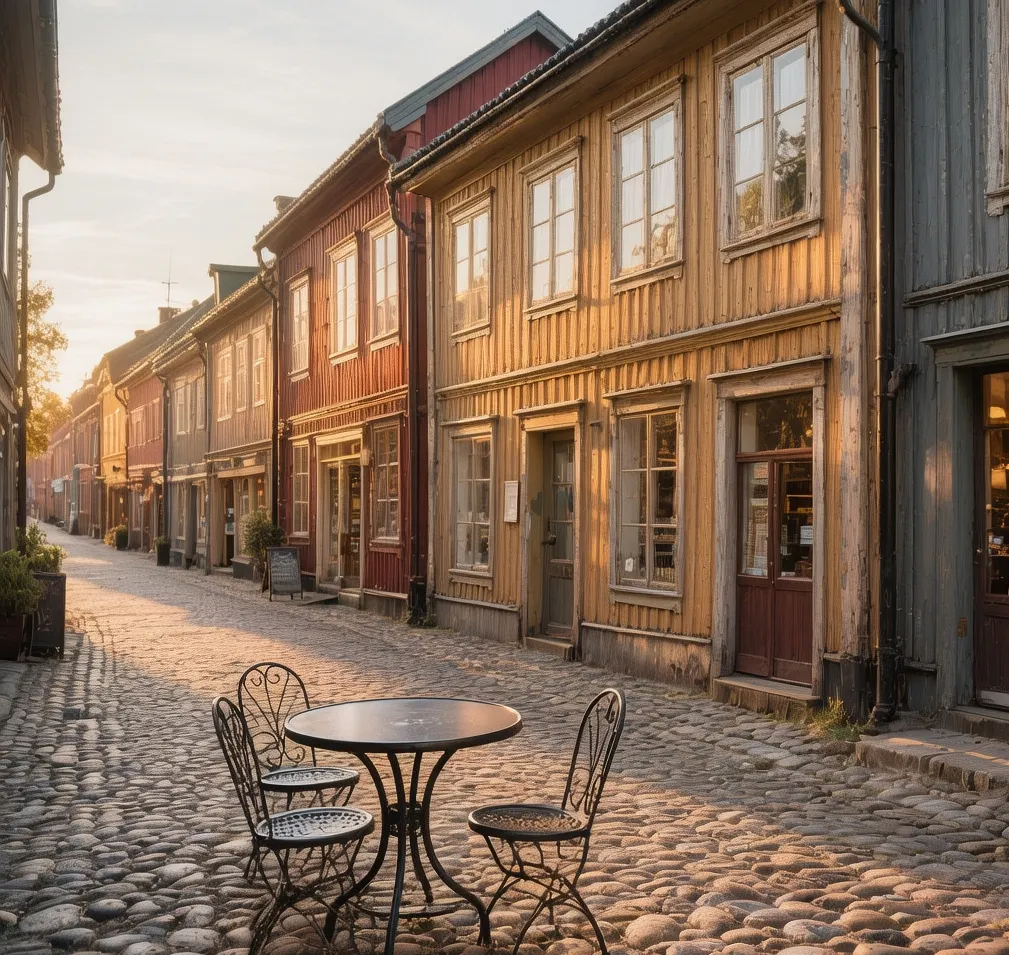
The scent hits you first—a rich, buttery aroma of cardamom and burnt sugar drifting from open café windows. It's 10:30 AM on a crisp June morning, and the sun casts long, sharp shadows across the uneven cobblestones of Haga Nygata. You walk slowly, your boots clicking against the stone, surrounded by wooden facades painted in deep ochre and Falu red. This is the Haga district, Gothenburg's oldest neighborhood, where 19th-century worker cottages stand preserved against the march of modern urbanization. Founded in 1621 alongside the city itself, Haga survived fires, demolition plans, and gentrification to become the cultural heart of the west coast. The buildings here are low—never more than two stories—creating an intimate human scale rarely found in European capitals. In 2026, as cities worldwide homogenize into glass and steel, this wooden enclave remains a defiant monument to slowness and tradition. This is why you come now: to taste the world's largest cinnamon bun, to touch wood carved by forgotten hands, and to understand that preservation is an active choice against forgetting.
Why Haga District Embodies Gothenburg's Soul
The Haga district isn't merely a tourist quarter—it's a miracle of civic preservation born from the grassroots activism of the 1970s. By the 1960s, the area was dilapidated; city planners proposed demolishing the wooden structures to make way for high-rise apartments and highways. The "Haga Group," a coalition of residents and architects, fought back, arguing that these 18th and 19th-century buildings held the city's memory. Their victory in 1972 saved 400 wooden houses, transforming Haga from a slum into a heritage site. The architecture is technically significant: the timber frames utilize traditional jointing methods without nails, allowing the structures to flex with the clay soil beneath. Today, the district solves a modern problem: how to maintain historical continuity in a living city. It fulfills the human need for roots, offering a physical connection to ancestors who worked in the nearby docks and factories.
Technically, the maintenance is rigorous. The Gothenburg City Museum oversees exterior modifications, ensuring paint colors match historical pigments analyzed from original layers. The cobblestones are reset every 10 years to prevent subsidence caused by groundwater fluctuations. Over 2 million visitors walk these streets annually, yet the residential population remains around 1,500 people, maintaining a living community rather than a sterile museum piece. In 2026, the Haga district stands as a testament to the belief that history should be inhabited, not just observed. The narrow streets—some barely 4 meters wide—force cars to yield to pedestrians, prioritizing human interaction over traffic flow. It remains the spiritual heart of Gothenburg, hosting both Sunday strollers and political debates under the same elm trees in Haga Park.
The Best Time to Experience Haga District
Timing your visit to the Haga district requires balancing Gothenburg's dramatic seasonal light shifts with event schedules. The optimal window runs from May 15 to June 12 and August 20 to September 15, when daylight extends to 18 hours and temperatures average 16–22°C (61–72°F). For the quietest experience with optimal photography light, target June 1–10, arriving at the main square between 9:00–10:30 AM. Morning visits allow you to capture the wooden facades before tour groups converge on the cafés. The soft northern light enhances the red paint textures without creating harsh shadows.
Avoid the period from July 1 to July 20, when Swedish summer holidays create peak congestion; wait times for Café Husaren can exceed 45 minutes, and boutique queues stretch down the sidewalks. However, if you seek atmospheric magic, visit during the Christmas Market (December 1–23). Winter visits offer festive lights but limited daylight (6 hours) and colder temperatures averaging -3–3°C (27–37°F). For real-time event schedules and shop opening hours, check the official website at goteborg.se/haga. The Gothenburg Tourism Board updates visitor information via their info line at +46 31 772 26 00 before traveling. Verify specific museum hours via their individual websites, as holiday schedules vary.
Weather in Gothenburg can be windier than Stockholm due to coastal exposure. If visiting in late autumn, dress in layers; the wind channeling through the narrow streets can drop perceived temperatures by 5°C. Late August offers the added bonus of the Haga Festival, where stages set up in the park host free performances. Plan your visit around the weekend markets (Saturdays 10:00 AM–4:00 PM) to maximize the local craft experience.
Approximate Budget for a 7-Day Trip (2026)
Visiting Gothenburg requires budgeting for Northern European price levels, which have risen approximately 4.5% annually due to inflation (Statistics Sweden, 2025). The following estimates reflect 2026 pricing for a moderate travel style: comfortable mid-range accommodation, mix of casual dining and self-catering, and efficient public transport use. These costs assume a base in Gothenburg with day trips to the Haga district as a primary focal point.
- Accommodation: €180–€350 per night. Hotels in Haga or City Center average €280/night for a double room. Budget hostels near Central Station: €100/night for dorm beds. Airbnb apartments in Majorna: €220–€350/night. Book 4–6 months ahead for summer dates.
- Food: €70–€110 per day. Breakfast: €18–€25 (coffee €5, smörgås open sandwich €10, fruit €5). Lunch: €25–€35 (husmannskost traditional plate €22, coffee €5). Dinner: €40–€60 (grilled herring €38, local beer €10, dessert €10). Grocery shopping at ICA or Coop reduces daily food costs to €45–€60.
- Transportation: Västtrafik 72-hour Pass: €45 (covers trams, buses, ferries). Airport Flygbussarna train: €30 round-trip. Taxi from airport: €70–€90 (avoid unless necessary). Tram line 1, 3, or 6 to Haga: Included in pass.
- Attractions: Haga Museum entry: €12 per adult. Skansen Kronan Fortress: €10. Gothenburg City Card (3-day): €150 (includes transport). Guided walking tour: €40/person.
- Miscellaneous: Waterproof jacket rental: €30/week. Souvenirs: Glass art €45, Swedish wool blanket €130, guidebook €28. Travel insurance: €55–€95 for 7 days. Cinnamon bun: €8.
Total estimated cost for 7 days: €2,800–€4,200 per person (based on double occupancy; solo travel increases costs by 40%)
7 Essential Haga District Experiences
- Eat the World's Largest Cinnamon Bun: Visit Café Husaren on Haga Nygata. The Hagabulle weighs 500 grams and is served on a large plate. Cost €8. Order with a black coffee to balance the sweetness. Visit between 9:00–10:00 AM to avoid queues. The bun is baked fresh every morning. It is a cultural staple of the district. Share it if you cannot finish; it is massive. The interior retains original 19th-century decor.
- Walk Haga Nygata: This is the main cobblestone street running through the district. Start at the southern end near the park. The shops sell antiques, crafts, and design. Spend 60 minutes browsing without buying. The wooden facades are painted in historical colors. Photography is permitted everywhere. This immersion helps you visualize 19th-century life. Wear comfortable shoes; the stones are uneven.
- Relax in Haga Park: Located at the northern end of the district. Access via the main street. Open 24 hours. Free entry. You sit under elm trees planted in the 1800s. The park features a pond with ducks and a playground. Visit at noon for people-watching. It offers a green contrast to the wooden buildings. It is a gathering spot for locals. Do not feed the wildlife bread.
- Climb Skansen Kronan: This 17th-century fortress overlooks Haga. Entry fee €10. Open daily 11:00 AM–4:00 PM. You walk the ramparts where cannons once defended the city. The museum details military history from the 1600s. Spend 45 minutes here absorbing the history. The view over the red rooftops is strategic and beautiful. It offers context for the district's defensive origins. Audio guides are available in 10 languages.
- Shop for Antiques: The district is famous for vintage finds. Visit Haga Antik near the square. Open 10:00 AM–6:00 PM. You see furniture, porcelain, and jewelry from the 1800s. Prices vary widely; small items start at €20. Spend 30 minutes examining the details. The shopkeepers are knowledgeable about provenance. It offers a tangible connection to the past. Shipping is available for large items.
- Visit the Old Pharmacy: Located on the corner of Haga Östergata. The building dates from 1860. Access via guided tour only (ask at info desk). Open Saturdays 2:00 PM. You see original jars, scales, and medical tools. Why it's special: It retains the smell of dried herbs. Insider tip: Ask about historical remedies. Many were herbal and some surprisingly effective. It offers a glimpse into early healthcare.
- Enjoy Evening Fika: Return to the district at 7:00 PM. The crowds thin out. Sit outside at a café with a blanket. Order tea and a pastry. Watch the sunset reflect off the wooden windows. Spend 30 minutes doing nothing. This pause reflects the Swedish value of lagom. It is cheaper than dinner. The streetlights create a warm glow. Do not leave trash behind.
3 Hidden Gems Most Travelers Miss
- Haga Church (Haga Kyrka): Located at the southern end of the district. Access via the main street. Open Sundays 11:00 AM–12:00 PM. Free entry. You see a wooden church from 1859 still in use. Why it's overlooked: Tourists focus on the cafés. Insider tip: Attend the summer concert series (July 15–August 15). It offers a spiritual dimension to the visit. The acoustics are exceptional for choir music. Speak quietly during services.
- The Secret Courtyard: Located behind the design shops on Haga Nygata. Access via the archway near number 45. Open daily 10:00 AM–5:00 PM. Free entry. You find a quiet garden with benches. Why it's overlooked: It is unmarked and appears private. Insider tip: Visit at noon when workers are at lunch. It offers silence away from the tourist noise. The flowers are tended by residents. Respect the residential nature.
- Lilla Haga Café: Located on the side street Haga Västra. Access via the alley next to the park. Open daily 9:00 AM–5:00 PM. You drink coffee where locals go. Why it's overlooked: It is away from the main strip. Insider tip: Order the cardamom bun instead of cinnamon. It is less sweet and more traditional. The interior is cozy with low ceilings. It offers a genuine neighborhood vibe.
Cultural & Practical Tips
- Respect the fika culture: Swedes value coffee breaks as social rituals. Don't rush your café visit; lingering is expected. Order a kanelbulle (cinnamon bun) with your coffee. Pronunciation: FEH-kah. This pause reflects the Swedish value of lagom (balance/moderation). Rushing through meals is considered impolite in shared spaces.
- Photography guidelines: Flash photography is prohibited inside museums and churches. Tripods are permitted on public land but not in shop doorways. Drones require permission from the Transport Agency. Respect privacy; do not photograph residents close up. Golden hour light is best for wooden facades. Protect gear from rain. Use waterproof bags.
- Queue etiquette: Swedes value orderly lines. Do not cut queues at cafés. Wait for your turn at ticket kiosks. If unsure, ask: "Var är kön?" (Var air kern?) = Where is the line? Pushing or crowding is frowned upon. Patience is viewed as a virtue. Let people exit trains before you board.
- Weather preparedness: Gothenburg weather is unpredictable. Pack: waterproof jacket, layers (temperatures vary 10°C daily), sturdy shoes (cobblestones are slippery). Check smhi.se for marine forecasts. Even in summer, sea breezes can drop temperatures to 13°C (55°F). Carry a compact umbrella. Rain can start suddenly without warning.
- Language basics: While 90% of Swedes speak English, learning basics shows respect. "Tack" (Tahck) = Thank you; "Hej" (Hay) = Hello; "Ursäkta" (Ur-shock-tah) = Excuse me. Pronunciation is soft; avoid harsh consonants. Staff appreciate efforts to speak Swedish even if imperfect. It bridges the gap between tourist and guest.
- Accessibility information: The district has cobblestones which are difficult for wheelchairs. Some shops have steps at entry. Wheelchairs are available at the Tourist Center (free). Service dogs are permitted throughout. Restrooms in cafés include accessible stalls. Verify specific needs via email: info@goteborg.se before arrival. The park paths are smoother.
- Payment systems: Sweden is nearly cashless. Shops accept cards only; cash is not accepted at most registers. Ensure your credit card has a PIN code. Contactless payment (Apple/Google Pay) works everywhere. Inform your bank of travel to avoid blocks. Small purchases (€5) can be made by card. Carry minimal cash for emergencies only.
Conclusion: Travel with Slowness, Not Just Sightseeing
The Haga district doesn't need your Instagram post—it survived demolition plans and modernization without social media validation. What it asks, what this wooden neighborhood demands, is something rarer than a tagged photo: your patience, your curiosity, your willingness to sit on a park bench and watch the leaves fall. In 2026, as cities compete with virtual reality and digital distractions, Haga remains anchored in physical reality. This is the paradox of preservation: the more we touch, the more we risk; the more we observe, the more we understand. Come to Gothenburg not just to check a box, but to witness the delicate balance between progress and memory. The wooden walls will remain long after your film rolls are developed. But you—standing here, breathing the same air that surrounds these 19th-century homes—will carry a reminder that history is not dead, it is inhabited. That is the true currency of travel: not the places you've seen, but the slowness you've honored. Come to Haga. But come slowly, come quietly, come ready to listen to the wood.