
Orsa Grönklitt Bear Park: Where Wild Scandinavian Predators Meet Conservation Ethics
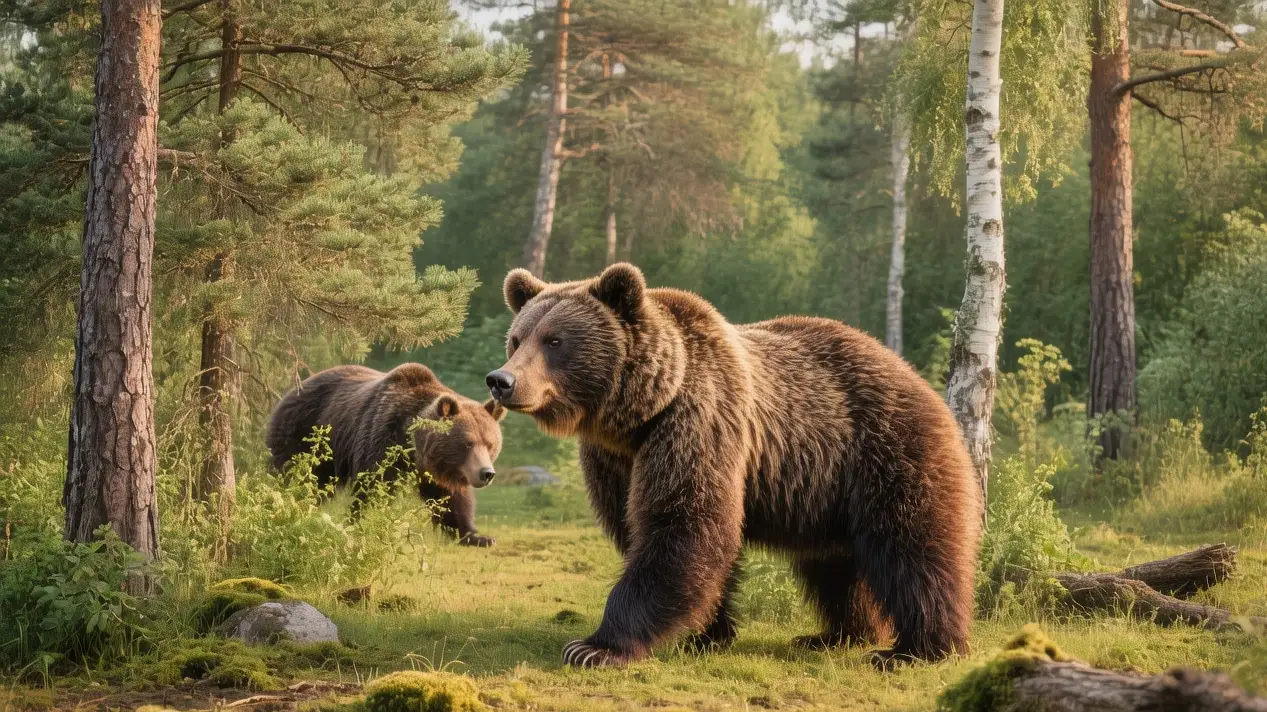
The air smells of damp pine needles, wild currants, and the musky scent of earth turned over by massive paws. You stand on a wooden viewing platform, hidden behind reinforced glass, watching a brown bear emerge from the treeline—its fur glowing amber in the filtered light of the Dalarna forest. This is the Orsa Grönklitt Bear Park, a sanctuary where the boundary between captivity and wilderness blurs into something profound and ethical. The silence is heavy, broken only by the crunch of branches under 300 kilograms (660 pounds) of muscle and the distant call of a raven circling above. Here, enclosures span over 60 hectares (148 acres), mimicking the natural terrain of Scandinavia with rocky outcrops, dense undergrowth, and shallow streams where otters play unseen beneath the surface. You are not looking at animals in cages; you are witnessing predators in a landscape designed to respect their instincts, their space, and their dignity. This place matters because it challenges the very concept of the zoo, asking you to consider not just what you see, but how these creatures live, survive, and thrive under human care.
Why Orsa Grönklitt Bear Park Embodies Wildlife Conservation
The Orsa Grönklitt Bear Park represents a paradigm shift in how humanity interacts with apex predators, moving from exhibition to preservation. Established in the 1980s, the park solved a critical problem: the lack of safe havens for confiscated or injured bears that could not be released into the wild. Unlike traditional zoos with concrete floors and small pens, this facility utilizes natural topography to create enclosures that measure up to 60 hectares (148 acres) for brown bears alone. The engineering relies on invisible barriers—electric fencing hidden within vegetation and deep moats—allowing animals to roam without visual obstruction. This design fulfills a psychological need for the bears: the ability to hide, to choose solitude, and to exhibit natural foraging behaviors.
The park houses over 50 large carnivores, including brown bears, polar bears, wolves, and lynx, making it one of the largest predator parks in the world. The technical infrastructure includes climate-controlled dens for winter hibernation, maintained at a constant 4°C (39°F) to mimic cave conditions, and specialized kitchens preparing over 200 kilograms (440 pounds) of food daily. Nutritionists formulate diets rich in proteins and vitamins, supplemented with whole carcasses to encourage tearing and chewing behaviors essential for dental health. Beyond the animals, the park serves as a research hub, collaborating with universities to study bear behavior, genetics, and hibernation physiology. This commitment to science and welfare makes the Orsa Grönklitt Bear Park a global leader in ethical wildlife tourism, proving that observation can coexist with respect.
The Best Time to Experience Orsa Grönklitt Bear Park
For the most active bear viewing, visit between June 15–August 20, when temperatures average 15–25°C (59–77°F) during the day and drop to 8–12°C (46–54°F) at night. During this window, bears are fully awake after hibernation, actively foraging, and often visible near streams cooling off. The best times of day for sightings are 9:00–11:00 AM and 4:00–6:00 PM, when keepers conduct feeding demonstrations and animals are most energetic. The midnight sun in June provides extended viewing hours, with light persisting until 11:00 PM.
For a unique experience, visit during October 1–November 15 to witness the bears entering hibernation. Temperatures range from 0–10°C (32–50°F), and you may see bears gathering straw for their dens. Avoid visiting during December–March, when bears are fully hibernating and rarely visible above ground. While the park remains open, the primary attraction is dormant, and daylight shrinks to 6 hours. Also skip late May, when keepers restrict access to certain areas for den cleaning and health checks. For current feeding schedules and hibernation status, verify at orsagronklitt.se before your trip.
Approximate Budget for a 7-Day Trip
Traveling to Orsa involves Swedish pricing standards, reflecting high quality of life and conservation funding. This budget assumes traveling during peak summer season and balances authentic experiences with mid-range comfort. Prices reflect current rates and assume solo travel (costs decrease 25–35% per person for couples sharing accommodation).
- Accommodation: €80–€150 per night. Budget: Hostel or shared cabin in Orsa centrum (€80/night). Mid-range: Cottage at Grönklitt Ski Resort (€110/night). Higher-end: Hotel with spa access in Orsa (€150/night). Book 3–4 months ahead for July.
- Food: €40–€70 per day. Breakfast: €8–12 (hotel included or café with coffee, smörgås open sandwich). Lunch: €14–18 (dagens lunch—daily special including soup, main, salad, bread). Dinner: €22–32 (traditional Swedish at restaurants like Wärdshuset Orsa). Self-catering reduces costs by 35%.
- Transportation: Stockholm Arlanda to Orsa: €35–50 one-way via Flygbussarna to Mora + bus 215 (3.5 hours). Local bus around Orsa: €3.50 per ride (route 215). Bicycle rental: €12/day. Car rental (recommended for exploring): €58/day plus fuel (€1.82/liter).
- Attractions: Orsa Grönklitt Bear Park entry: €28. Guided tour: €15. Dalarna Museum (Mora): €9. Boat cruise Lake Siljan: €20. Swimming beach access: Free. Zorn Museum (Mora): €14.
- Miscellaneous: Plush bear souvenir: €25–50. Local craft market purchases: €20–45. Travel insurance: €42 for week. SIM card/ €18.
Total 7-day budget: €850–€1,300 (excluding international flights)
7 Essential Orsa Grönklitt Bear Park Experiences
- Watch the feeding demonstration: Arrive at the brown bear enclosure at 11:00 AM or 3:00 PM when keepers distribute food. Stand behind the reinforced glass viewing area and listen to the keeper's commentary over the speakers. You will hear the crunch of apples, the tearing of meat, and the low grunts of communication between bears. The keeper explains individual personalities—some are bold, others shy. This is the best time to photograph the bears active and engaged. Bring a zoom lens; the distance is safe but far. The scent of food often draws bears closer to the viewing platform.
- Walk the Predator Trail: Follow the 2-kilometer (1.2-mile) wooden boardwalk that winds through the wolf and lynx sections. The path elevates you above the terrain, offering eye-level views into the forest canopy where lynx might be resting. The trail is accessible for strollers and wheelchairs. Stop at the interpretation panels to learn about Scandinavian predator history. The silence here is profound; you might hear wolves howling in the distance during evening hours. Wear sturdy shoes; the wood can be slippery after rain.
- Visit the Polar Bear Coast: Walk to the northern section of the park where polar bears swim in a chilled pool designed to mimic Arctic conditions. Visit at 1:00 PM when underwater viewing windows are clearest. Watch the bears glide silently beneath the surface, their white fur contrasting against the blue water. The pool is filtered and cooled to 10°C (50°F) even in summer. You can feel the cold radiating through the glass. This exhibit highlights climate change impacts; read the displays to understand the conservation message.
- Join a Keeper Talk: Attend the daily educational session at 2:00 PM in the amphitheater near the main entrance. Keepers discuss bear biology, hibernation cycles, and conservation challenges. Sessions last 30 minutes and include Q&A. You can ask about specific bears by name; keepers know each individual's history. The talks provide context that enriches your viewing experience significantly. Seating is open; arrive 10 minutes early for front rows. Audio is in Swedish and English.
- Explore the Nature Center: Inside the main building, interactive exhibits explain the ecosystem of Dalarna. Touch replicas of fur, skulls, and tracks to understand predator anatomy. The center houses a café with views over the bear enclosure. Order a fika (coffee and bun) and sit by the window to watch bears while you rest. The exhibits are designed for children but offer depth for adults. Spend 45 minutes here to contextualize what you see outside.
- Photograph at Golden Hour: Return to the park at 7:00 PM in June when the light is soft and warm. The low angle of the sun illuminates the bears' fur, creating dramatic shadows against the green forest. Use a tripod for low-light shots through the glass; minimize reflections by pressing your lens hood against the window. The evening atmosphere is quieter, with fewer crowds. You might see bears settling down for the night or playing before dusk. This is the prime time for artistic photography.
- Hike Grönklitt Mountain: After visiting the bears, hike the adjacent Grönklitt slope (350 meters/1,148 feet elevation). The trail starts near the parking lot and takes 45 minutes to summit. From the top, you see the entire park layout, Lake Siljan, and the surrounding Dalarna forests. The perspective reveals the scale of the enclosures relative to the landscape. Bring water; there are no facilities on the trail. The summit offers a picnic area with benches. It is a perfect way to connect the captive animals to their wild habitat context.
3 Hidden Gems Most Travelers Miss
- The Otter Stream: Located in the lower valley near the wolf enclosure, this small stream is home to Eurasian otters that are often overlooked by crowds heading to the bears. Visit between 10:00 AM–12:00 PM when otters are most active hunting fish. The viewing area is unmarked; look for the small wooden bridge downstream from the main path. Otters are shy; stand still and wait quietly. You might see them sliding down mud banks or cracking shells on rocks. This spot offers a peaceful alternative to the busy bear platforms. Bring binoculars for best viewing.
- Orsa Forest Museum (Skogsmuseet): Located 5 kilometers south of the park, this open-air museum preserves traditional forestry tools and logging camps from the 19th century. Open Tuesday–Sunday 11:00 AM–4:00 PM (June–August). Entry costs €8. The museum explains the historical relationship between humans and the forest the bears now inhabit. Guided tours occur at 1:00 PM; guides demonstrate axe sharpening and timber floating. It provides cultural context to the natural experience at the bear park. Contact orsaskogsmuseum.se for seasonal hours.
- The Secret Viewing Blind: Ask at the reception about the Photography Blind, a hidden structure available for serious photographers. Access requires booking 2 weeks in advance via info@orsagronklitt.se. The blind is camouflaged within the forest edge of the brown bear enclosure. It allows shooting without glass interference. Limited to two people per session (3 hours). Cost is €50 extra on top of entry. This is the only way to capture images without reflections or mesh patterns. Ideal for telephoto lenses over 300mm.
Cultural & Practical Tips
- Respect the barriers: Never tap on the glass or try to attract the bears' attention. They are wild animals, not performers. Keep voices low to avoid stressing the predators. Children must be supervised at all times; climbing on railings is strictly prohibited. Safety fences are there for a reason; respect the boundary between human and wild.
- Learn essential Swedish phrases: "Tack" (tahk = Thank you), "Björn""Naturskönt"
Conclusion: Travel with Conscience, Not Just Curiosity
The Orsa Grönklitt Bear Park invites you to look deeper than the spectacle of size and strength—to see the individual behind the species, the history behind the habitat, and the responsibility behind the visit. This is not a place to consume wildlife as entertainment; it is a sanctuary that asks you to witness with humility, to understand that these animals are here because humans altered their world. When you travel here with conscience, you support a model of care that prioritizes welfare over profit, ensuring that every ticket purchased contributes to conservation and education. As you leave Orsa Grönklitt Bear Park, carry forward the understanding that true connection requires distance, respect, and a commitment to protecting the wild places that remain. The bears will continue to roam their forested hills long after you depart, waiting for the next visitor willing to see them not as exhibits, but as neighbors worthy of dignity and space.