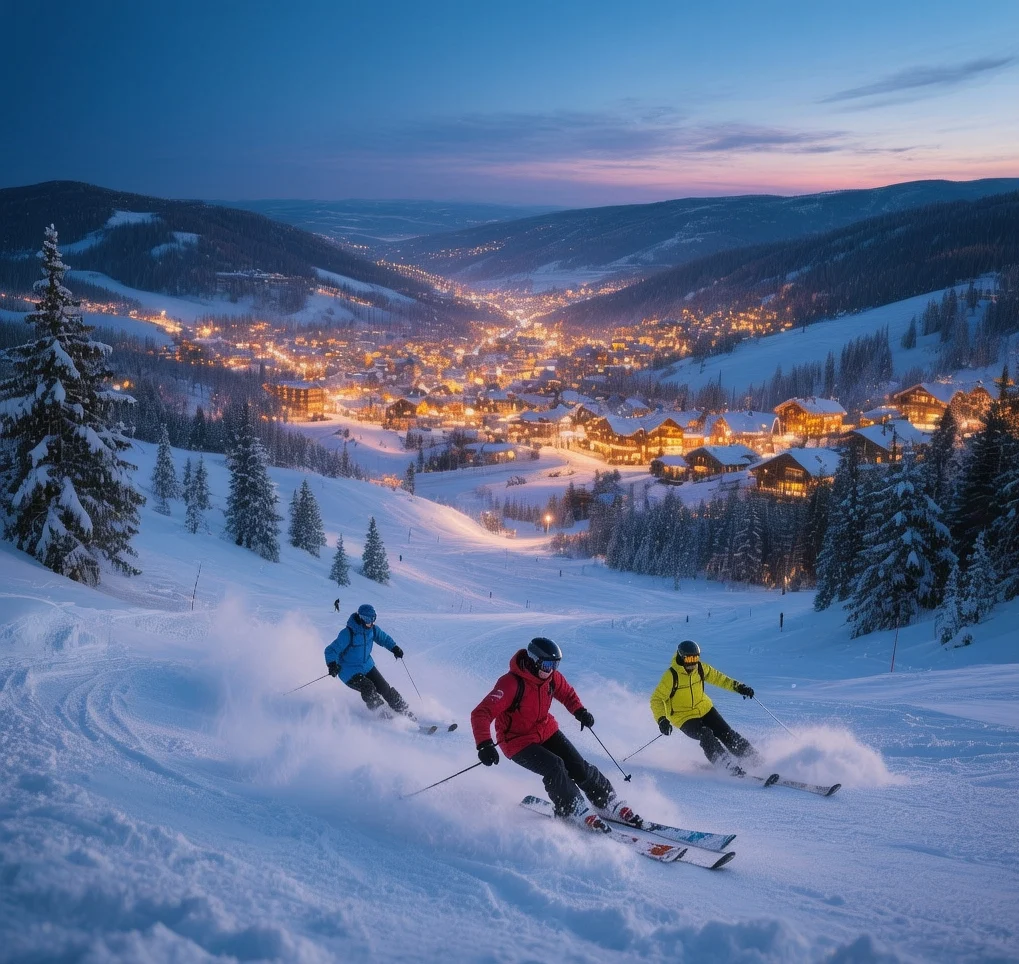
Åre: Where Alpine Slopes Meet Swedish Tradition
I stand at the bottom of the central Åreberget run at half past ten on a Tuesday morning in January. Snow falls softly and thick. I paid 595 SEK for a single-day lift pass. That covers the main area only — other zones cost extra. The air feels crisp and clean. The village stretches out below, hotels and restaurants lining the river. The slopes are busy but not crowded. By midday the queue at this same lift stretches twenty deep. The run itself is wide, well-groomed, and forgiving. But some steeper sections stay icy until mid-morning. And everything here — food, rooms, gear rental — carries premium pricing.
Why Åre Matters
Åre began as a remote farming and church village deep in Jämtland mountains. The railway arrived in 1882, and tourists followed soon after. By the early 1900s it had become Sweden’s premier mountain destination. Today it hosts World Cup alpine races regularly — downhill, slalom, giant slalom — drawing the world’s fastest skiers. The terrain spans four connected areas: Åre, Björnen, Duved, and Tegefjäll. That variety is its strength. Beginners, families, and experts all find ground that fits. But growth brings real trade-offs. The village center feels packed in peak season. Traffic clogs the main road. Older locals say the quiet charm has vanished. Prices have risen faster than wages in the region. Åre remains magnificent — but it is no longer the quiet escape it once was.
The Best Time to Experience Åre
Mid-December to mid-January brings short days and fresh snow — -8°C to -2°C (18°F to 28°F). Festive atmosphere fills the village. Lines are longest over Christmas and New Year. Late January through February offers the most reliable snow cover and longer daylight — -6°C to 0°C (21°F to 32°F). This is the best all-around window. March brings milder air — -2°C to 5°C (28°F to 41°F). Spring snow softens underfoot; evenings feel pleasant. April sees warmer days — 3°C to 8°C (37°F to 46°F). Slopes turn slushy by early afternoon. Higher runs stay firm later. Avoid the week after Christmas and Swedish school holidays in February — accommodation triples in price and lifts queue nonstop. Weekdays outside these periods give you the best conditions and value.
Approximate Budget for a 7-Day Trip
Here is what one week costs for two people sharing a standard apartment in Åre village.
- Accommodation: 11,200 SEK — 7 nights apartment at 1,600 SEK nightly. Staying in Duved or Tegefjäll cuts this to roughly 8,400 SEK and includes free bus connections.
- Food & Drink: 1,100 SEK per person daily. Restaurant meals run 300–450 SEK each. Cooking breakfast and some dinners saves about 40%.
- Transport: Round-trip train Stockholm–Åre 2,400 SEK total. Car rental 700 SEK per day including winter tires and snow chains. Local bus free with guest card.
- Lift Passes & Gear: 7,200 SEK total — 6-day pass 3,600 SEK per person. Ski rental 1,680 SEK total for the week.
- Miscellaneous: 1,400 SEK for après-ski drinks, coffee, and small purchases.
Total estimate: 24,580 SEK for two people. One warning: dining in the central village restaurants is expensive. Walk five minutes away from the main square or cook in your apartment to keep costs reasonable.
Essential Åre Experiences
- Åreberget Central Slopes — The heart of the resort. Wide groomed runs, fast lifts, village views. Perfect for intermediates. Skip this after 12:00 in peak season; queues form and snow gets packed hard.
- Åre Björnen Family Zone — Gentle terrain, dedicated beginner lifts, quiet tree-lined runs. Everything feels designed for learning. This is where new skiers progress fastest.
- Duved & Tegefjäll Connection — Quieter, north-facing slopes that hold snow longer. Fewer crowds, longer runs, authentic mountain village feel. The free bus takes ten minutes from central Åre.
- Olympia Downhill Run — The World Cup course. Steep, challenging, fully groomed. You see where champions race. Only attempt if you are confident on black runs; sections are unforgiving.
- Evening Apres-Ski at Torget — Village square fills with music and lights. Outdoor bars stay lively until late. Dress warmly; wind off the mountain bites hard.
- Huså Valley Backcountry Access — Guided tours into untouched powder above the treeline. Half-day trips include guide and safety gear. Not for beginners; avalanche risk exists everywhere.
- Summer Hiking & Lake Swim — June through August. Trails replace ski runs. The lake warms enough for brave swimmers. Mountain biking is also excellent here. The vibe shifts entirely — quieter, greener, slower.
Hidden Gems Most Travelers Miss
- Old Church Path — Walk from the railway station up to the 12th-century Åre Church. Quiet lane past traditional timber homes. Most visitors never see this part of the village.
- Tegefjäll High Trails — Above the lifts, open rolling tundra views toward Norway. Almost no one walks or skis here. The panorama stretches for miles.
- Åre Lake Eastern Shore — Short drive or bus ride away. Calm water, traditional red cottages, peaceful beaches. Perfect rest day activity.
- Central Village Apres-Ski Bars — Fun but overpriced. Take the bus to Duved instead. Same atmosphere, same music, drinks cost half as much.
Cultural & Practical Tips
- Book everything early — accommodation, lift pass, gear rental. Peak winter weeks sell out six months ahead. Last-minute bookings cost double.
- Use the free local bus. It connects all four areas and runs every 15–20 minutes. No need to drive or pay for parking daily.
- Check snow reports daily. Åre gets heavy wind that can close high lifts without warning. Some runs face south and soften fast in spring sunshine.
- Respect speed limits in the village. Pedestrians cross everywhere. The main road feels busy and dangerous when snow piles high.
- Bring your own helmet rental or buy locally. Resort shops charge premium rates. A properly fitted helmet is non-negotiable.
- Do not assume all runs connect. Åre, Björnen, and Duved link by lift; Tegefjäll requires a short bus ride. Plan your day so you do not end up far from your base.
- Try local food — reindeer, elk, cloudberry. It costs more than standard meals but forms part of the experience. Look for family-run places rather than hotel restaurants.
Essential Visitor Information
Location & Access: Åre, Jämtland County. 60 km east of Norwegian border. 530 km north of Stockholm. Train from Stockholm takes 6–7 hours — scenic and comfortable. Fly to Åre Östersund Airport then drive/bus 90 minutes. Drive from Oslo, Norway — 4 hours.
Tickets & Booking: Single-day pass approx 595 SEK adult. 6-day pass 3,600 SEK. Multi-area passes available. Booking essential December–April. Summer trail access free.
Operating Hours: Winter season mid-November to early May. Lifts 09:00–16:00 daily; extended hours night skiing selected evenings. Summer activities June–August 08:00–20:00.
Visit Duration: Minimum 3 days. Recommended 5–7 days to explore all four areas and take rest days.
Family Suitability: Excellent. Dedicated family zone, gentle slopes, ski school, child-friendly facilities. Stroller access in village center. Free ski pass for children under 7.
Timing: Best season: February–March. Best time of day: 09:00–11:00 before queues form and snow stays firm.
Highlights: Åreberget slopes, Björnen family area, Duved quiet terrain, Olympia downhill, Åre Church, lake views.
Nearby & Day Trip: Duved 10 km — authentic mountain village. Tegefjäll 15 km — quieter slopes. Åre Lake 5 km — summer swimming and kayaking. Storlien 45 km — Norway border and cross-country skiing.
Conclusion: Travel with Balance, Not Just Speed
Åre delivers world-class skiing. It also delivers crowded lifts, high prices, and a village that feels stretched thin in winter. You will find steep runs to test you, gentle slopes to learn on, and evenings that feel warm and welcoming despite the cold. This place matters because it has grown without entirely losing its soul. You just have to look past the busiest streets to find it. Will you take the bus to Duved one morning, or stay in the crowd?
Comments
Post a Comment