
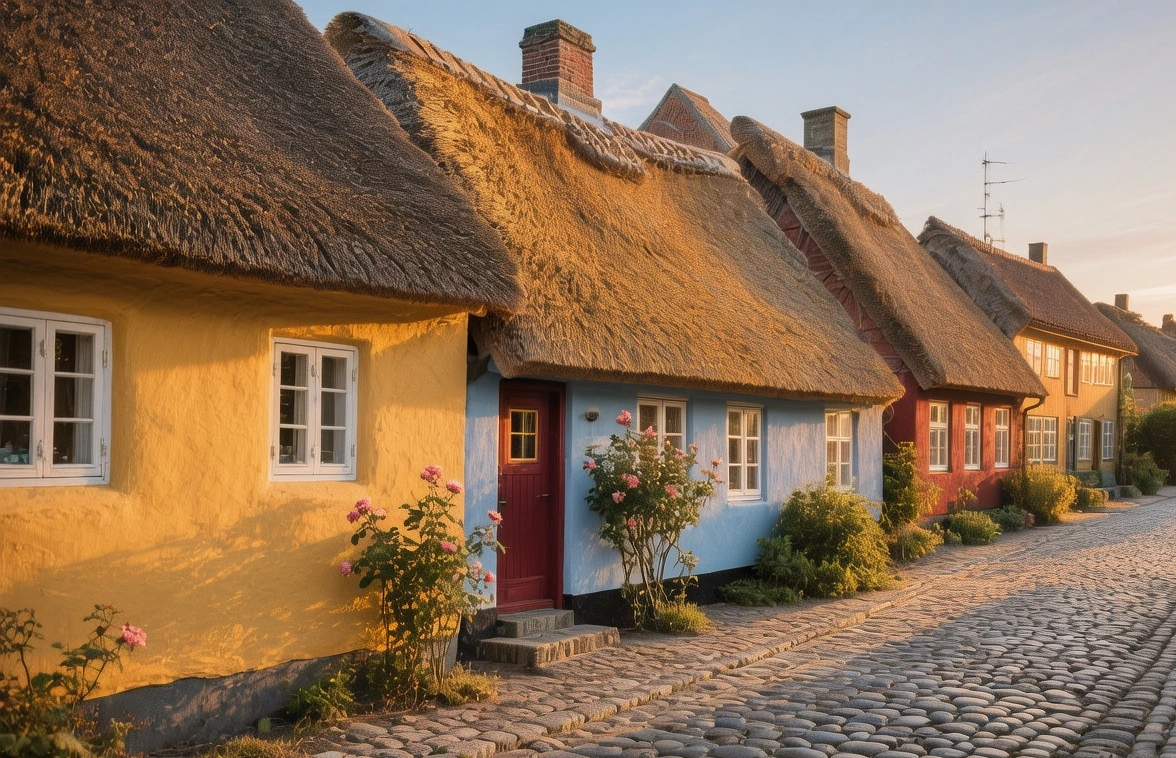
Ærø Island Villages: Where Maritime Heritage Meets Danish Island Charm
Golden afternoon light spills across cobblestone lanes as you wander through Denmark's most perfectly preserved island villages—Ærø awakens with the gentle lap of Baltic waters against ancient harbor walls, the distant cry of seagulls wheeling above colorful half-timbered houses, and the soft murmur of visitors discovering a timeless world where over eight hundred historic buildings tell stories of maritime life spanning five centuries. You breathe air scented with salt marsh and blooming apple orchards, feel the cool breeze carrying whispers of sailors who once navigated these protected waters, and watch sunlight filter through the distinctive green-painted window frames that give Ærøskøbing its fairy-tale character. This enchanting island, spanning eighty-eight square kilometers in the South Funen Archipelago, features three main villages—Ærøskøbing, Marstal, and Søby—each preserving authentic Danish island life with cobblestone streets, thatched-roof cottages, and working harbors that have welcomed seafarers since the Viking Age [[15]][[22]]. Children chase butterflies through cottage gardens; couples share ice cream on harbor-side terraces; the rhythmic creak of weather vanes mingles with church bells tolling across the water. But Ærø's villages matter because they preserve not just architecture, but an entire way of life—a testament to sustainable island living where community, heritage, and natural beauty converge to create an experience that transcends mere sightseeing, reminding us of the enduring connection between people, place, and the sea.
Why Ærø Island Villages Embody Danish Island Heritage
Ærø's villages represent the pinnacle of Danish island preservation, solving a fundamental need to maintain authentic maritime communities while creating a sustainable tourism model that honors heritage without sacrificing vitality. When Ærøskøbing received its market town charter in 1522, it emerged as a strategic trading post connecting Funen with the Baltic Sea—a role that shaped its distinctive character for centuries [[15]][[20]]. The village's design showcases medieval urban planning at its finest: narrow cobblestone streets just three to four meters wide, colorful half-timbered houses painted in traditional Danish hues, and a compact layout that maximized harbor access while preserving defensive capabilities.
The island's architectural heritage includes over eight hundred protected buildings, with Ærøskøbing alone featuring more than 150 structures dating to the seventeenth and eighteenth centuries [[18]][[24]]. These buildings showcase distinctive features: green-painted window frames and doors (a tradition dating to when green paint was cheapest), thatched roofs requiring replacement every thirty to forty years, and timber framing using local oak and pine. Technical preservation efforts include sustainable building techniques that maintain historical authenticity while meeting modern energy standards, climate-controlled museums preserving maritime artifacts at 19°C (66°F) and 45% humidity, and heritage landscaping using native coastal plants that stabilize historic quaysides. Ærø fulfilled a dual purpose: economically, it served as a vital link in Baltic trade networks; culturally, it became a showcase of Danish island architecture and maritime traditions. The island's compact scale—just thirty kilometers from end to end—creates an intimate atmosphere where visitors can experience authentic island life without overwhelming crowds. Today, managed by Ærø Municipality alongside UNESCO recognition for sustainable tourism, the villages stand as a testament to how heritage preservation can serve community, how tradition can coexist with innovation, and how island life can anchor regional identity through centuries of change.
The Best Time to Experience Ærø Island Villages
Timing your visit to Ærø profoundly influences both atmospheric immersion and practical accessibility. The optimal window falls between May 28 and June 25, when southern Funen enjoys extended daylight—sunset occurs around 9:50 PM—and temperatures range from 14°C to 21°C (57°F to 70°F), creating ideal conditions for exploring cobblestone streets, harbor walks, and cycling routes [[68]][[72]]. During this period, the island's apple orchards bloom, outdoor cafés operate at full capacity, and summer crowds remain manageable before peak season. For photographers, visit between 6:00–8:00 AM when soft morning light illuminates colorful facades with minimal crowds, or 8:00–10:00 PM for dramatic golden-hour shots of thatched roofs against twilight skies.
Ærø operates year-round as a living island, but key attractions follow seasonal hours: summer season (June–August) extends museum and ferry hours to 10:00 AM–6:00 PM daily; winter hours (November–February) reduce to 10:00 AM–3:00 PM. For current ferry schedules, event calendars, and visitor information, visit the official Ærø tourism website at www.aeroe.dk or the national tourism portal at www.visitdenmark.com [[52]][[85]]. Avoid visiting during late November through early February, when temperatures drop to -2°C to 5°C (28°F to 41°F), daylight shrinks to seven hours, and Baltic winds can make outdoor exploration challenging. Also steer clear of Danish school holidays (week 7 in February, week 42 in October) when family crowds increase. Standard admission to island attractions ranges DKK 55–125 for adults (€7–€17), with many public spaces and village streets accessible free of charge [[24]]. The harbor-side cafés are particularly rewarding between 2:00–4:00 PM when afternoon light enhances the panoramic Baltic views.
Approximate Budget for a 7-Day Trip
Exploring Ærø island villages requires moderate budgeting, as Denmark maintains higher price points than many European destinations. However, strategic planning—including staying in Ærøskøbing or Marstal and utilizing the island's excellent cycling infrastructure—can optimize your experience. The following breakdown reflects mid-range preferences with cultural and nature immersion priorities.
- Accommodation: €58–€105 per night for a double room in Ærøskøbing or Marstal (walking distance to harbor); budget guesthouses €35–€55 per night; heritage hotels €115+ per night
- Food: €36–€63 per day total
- Breakfast: €6–€10 (Danish pastry and coffee from local bakery)
- Lunch: €11–€17 (smørrebrød or fresh fish sandwich at harbor café)
- Dinner: €17–€30 (mid-range restaurant featuring Funen specialties like pork roast or North Sea fish)
- Harbor café option: €7–€10 for soup, sandwich, and coffee
- Transportation:
- Ferry from Svendborg to Ærøskøbing: €12 per vehicle round-trip (35 minutes)
- Local bus on Ærø: €3 per ride; bicycle rental €9 per day (ideal for island exploration)
- Car rental for island exploration: €42 per day including fuel
- Ferry to nearby islands (Birkholm, Drejø): €6–€10 per vehicle round-trip
- Attractions:
- Ærøskøbing Museum admission: €7 (DKK 55) adults; €4 children [[24]]
- Marstal Maritime Museum: €9 adults; €5 children
- Guided village walking tour: €8
- Apple orchard tour and tasting: €12
- Traditional boat-building workshop: €15
- Miscellaneous:
- Local craft souvenirs and amber jewelry: €9–€40
- Audio guide rental: €4
- Photography permit for professional use: €22
Total estimated budget for 7 days: €810–€1,230 per person (excluding international flights)
7 Essential Ærø Island Village Experiences
- Walk Ærøskøbing's Cobblestone Streets at Dawn: Arrive between 6:00–8:00 AM when the village is quiet and mist softens the colorful facades. Start at the harbor, then follow Møllestræde and other narrow lanes, observing how over 150 preserved seventeenth and eighteenth-century buildings create Denmark's most complete historic townscape. Allow 60 minutes for this contemplative circuit; the morning light enhances photographic opportunities and the scent of blooming gardens feels particularly crisp.
- Explore Ærøskøbing Museum: Step into this beautifully preserved merchant's residence where exhibits showcase island life across five centuries. Visit between 10:30 AM–12:00 PM when natural light illuminates period rooms and maritime artifacts. Allow 45 minutes for full appreciation; interactive displays explain traditional crafts, maritime trade, and the daily lives of Ærø's inhabitants [[22]].
- Cycle the Island's Coastal Route: Rent a bicycle and follow the marked thirty-kilometer route connecting Ærøskøbing, Marstal, and Søby. Visit between 2:00–4:00 PM when afternoon light enhances coastal views and harbor breezes provide natural cooling. The route reveals dramatic cliffs, pristine beaches, and traditional farmsteads that showcase Ærø's agricultural heritage. Allow 3 hours for the full circuit with stops.
- Visit Marstal Maritime Museum: Discover Denmark's most comprehensive maritime museum, where exhibits chronicle Ærø's seafaring traditions from Viking Age to modern shipping. Visit between 1:00–3:00 PM when lighting is optimal for appreciating ship models and navigation instruments. Allow 60 minutes; the museum's collection includes over 5,000 ship models and artifacts that reveal how island life depended on the sea.
- Photograph Colorful Village Architecture: Ærø's villages offer exceptional photographic opportunities: green-painted window frames, thatched roofs, and the distinctive "Ærø red" paint on timber beams. Visit between 7:00–9:00 AM when soft light highlights textures without harsh shadows. Use a polarizing filter to manage reflections; a wide-angle lens captures the charming streetscapes that define Ærø's character.
- Enjoy Fresh Seafood at Harbor-Side Cafés: Reserve a terrace table between 6:00–8:00 PM when the setting sun casts golden light across moored boats. Order Ærø's famous specialties: fresh plaice (€20), smoked eel (€16), or the traditional island fish platter (€24). The island's proximity to rich fishing grounds ensures exceptional quality; the atmosphere—working harbors, maritime heritage—extends the coastal experience into gastronomy.
- Attend a Village Festival or Market: Check www.aeroe.dk for seasonal events—summer music festivals, maritime markets, outdoor film screenings—that activate public spaces in Ærøskøbing and Marstal. These gatherings typically occur on weekends from June through August; arrive early for optimal positioning. The experience combines local culture, artisan crafts, and community celebration in a uniquely island setting.
3 Hidden Gems Most Travelers Miss
- The Ærø Apple Orchards: Beyond the villages, traditional apple orchards covering over 200 hectares produce some of Denmark's finest cider and fruit. Most visitors focus on coastal attractions without exploring this agricultural heritage. Access: Follow signs from Ærøskøbing toward the island's interior; orchard tours typically available Wednesday and Saturday 10:00 AM–2:00 PM (May–September); €10 per person. Best visited between 11:00 AM–1:00 PM when orchard keepers provide informal explanations. The orchards' heritage varieties—Gråsten, Cox Orange, and local cultivars—offer tastings and create a tangible connection to Ærø's agricultural traditions.
- The Traditional Boat-Building Workshop: In Marstal's harbor, a working boatyard where local craftsmen restore wooden fishing vessels using century-old techniques offers glimpses into Ærø's living maritime heritage. Most tourists focus on the harbor's aesthetic without exploring this working space. Access: Inquire at Marstal harbor office for visiting hours; typically open Tuesday and Thursday 9:00 AM–12:00 PM; free with donation. Best visited between 10:00 AM–12:00 PM when craftsmen are most active. Observing traditional caulking, planking, and rigging techniques reveals the skilled labor that keeps Ærø's wooden fleet seaworthy—a tangible connection to maritime traditions spanning generations.
- The Coastal Defense Bunkers: Along Ærø's northern coast, World War II German bunkers remain accessible as historical sites, offering dramatic views and sobering reminders of the island's strategic importance. Most visitors overlook these structures without realizing their historical significance. Access: Follow coastal paths north from Søby; accessible 24/7; free. Best visited between 4:00–6:00 PM for golden-hour photography. The bunkers' interpretive panels explain Ærø's role in Baltic defense, creating a tangible connection to twentieth-century history that contrasts with the island's medieval charm.
Cultural & Practical Tips
- Photography Guidelines: Photography for personal use is permitted throughout Ærø's public spaces and villages, but drones require special permission from the municipality—contact +45 63 52 52 00 in advance. The colorful buildings and coastal views are ideal for photography; visit during golden hour for optimal light. Respect other guests' privacy when capturing candid moments.
- Language: While signage and staff are English-friendly, learning Danish phrases enhances your experience: tak (tahk = thank you), undskyld (oon-skool = excuse me), hej (hi = hello/goodbye). The local Ærø dialect features distinctive vowel sounds; locals appreciate visitors' efforts to engage.
- Dress Code: Comfortable walking shoes are essential—exploring cobblestone streets and coastal paths involves varied surfaces. Layer clothing; Baltic breezes can drop temperatures 5°C quickly even in summer. Bring a windproof jacket year-round; Ærø's exposed location means weather can shift rapidly.
- Ferry Schedules: Check ferry times in advance, especially for winter travel when services reduce frequency. The Svendborg-Ærøskøbing route operates hourly in summer, every two hours in winter. Book vehicle transport during peak season to guarantee space.
- Weather Considerations: Ærø's island location means rapid weather shifts. Check the forecast before visiting; fog can obscure coastal views, while rain enhances the atmospheric quality of historic architecture. Summer (June–August) offers the most reliable conditions; spring and fall provide dramatic skies but pack layers for variable temperatures.
- Cycling Safety: Ærø is exceptionally bike-friendly with dedicated paths, but respect local cyclists and follow Danish traffic rules. Always use lights after dark; helmet use is recommended though not mandatory. The island's flat terrain makes cycling accessible for all fitness levels.
- Respectful Engagement: Ærø is a living island community, not just a tourist destination. Respect private property, follow marked paths to protect historic buildings, and support local businesses by purchasing from village shops and cafés. The community values visitors who engage thoughtfully with the island's heritage while honoring its present-day vitality.
Conclusion: Travel with Connection, Not Just Observation
Ærø's villages invite more than passive sightseeing—they demand engagement with the layered narratives embedded in cobblestones, timber, and sea: the resilience of islanders who thrived in maritime isolation, the craftsmanship of builders who created beauty with local materials, and the ongoing stewardship that keeps heritage alive for future generations. When you stand on that harbor watching colorful buildings reflect in calm waters, you're not merely viewing a picturesque destination; you're connecting with a model for sustainable island living, a testament to how heritage preservation can serve community, and a reminder that the most meaningful places honor both past and future. This isn't a place to rush through, checklist in hand, snapping photos before racing to the next attraction. Slow down. Feel the harbor breeze carry whispers of sailors past; listen to the rhythm of island life along the water's edge; contemplate how a single island can anchor regional identity through thoughtful preservation. Travel here with curiosity about how places shape identity and how identity gives meaning to places. Support preservation by respecting the site, choosing experiences that employ local guides, and sharing not just images but understanding. The most transformative journeys leave you not just with memories of what you saw, but with deeper appreciation for how communities can thrive—and Ærø's villages, with their seamless fusion of maritime heritage and island charm, offer precisely that invitation to those willing to wander, to wonder, and to simply connect.