Rosenborg Castle: Where Royal Splendor Meets Renaissance Gardens
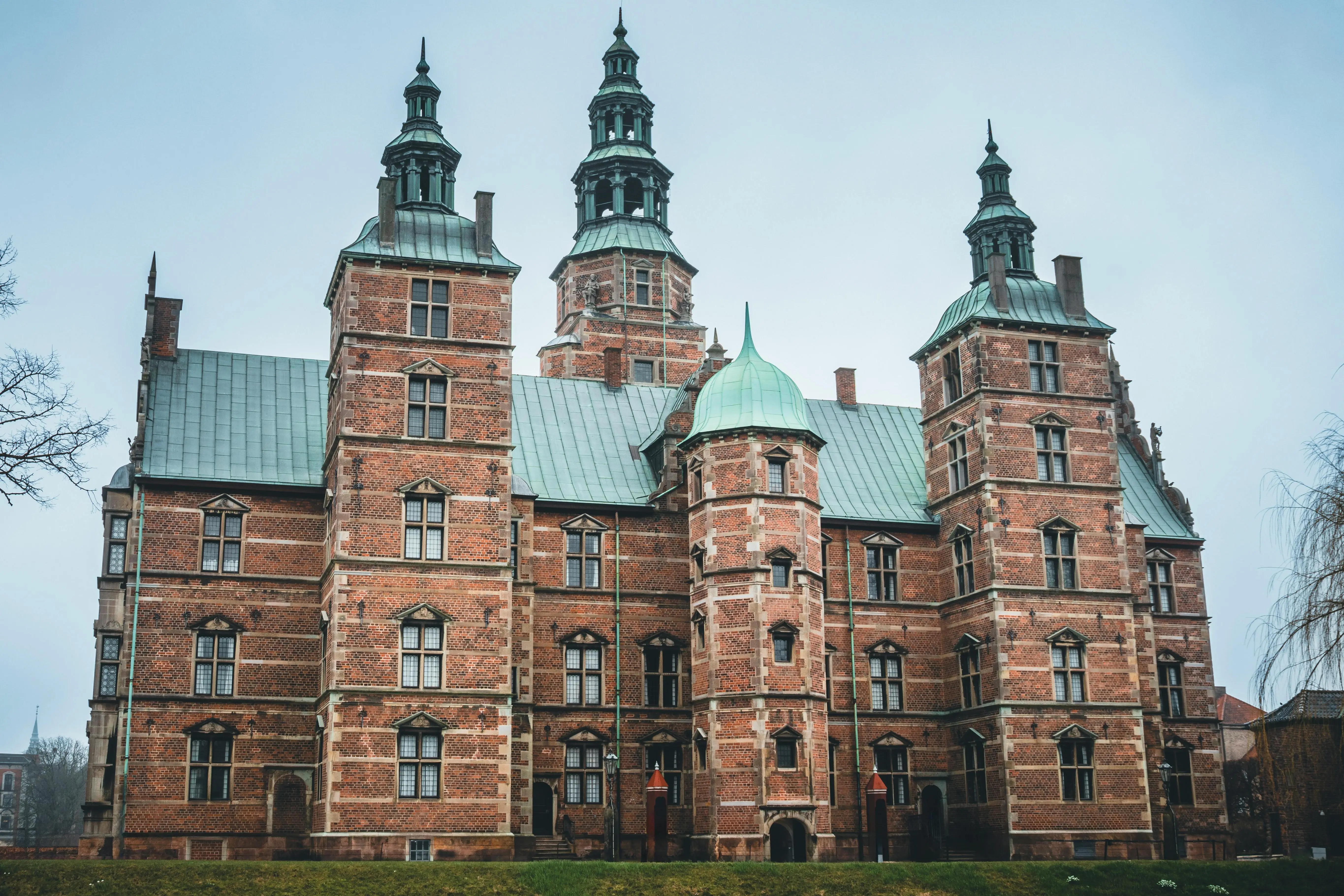
Golden hour bathes the red-brick façade of Rosenborg Castle in warm amber light, while the copper spires—oxidized to verdigris green—catch the last rays of sun like beacons above Copenhagen's skyline. You approach along gravel pathways lined with manicured hedges and centuries-old linden trees, the air carrying the faint scent of blooming roses from the adjacent Kongens Have (King's Garden) mixed with the crisp freshness of a northern European evening. The castle rises before you: four stories of Dutch Renaissance architecture, its symmetrical towers and ornate sandstone decorations reflecting the ambition of King Christian IV, who commissioned this pleasure palace in the early 17th century. Inside, the polished oak floors echo with the footsteps of centuries of royalty, while the Treasury below safeguards the Danish Crown Jewels—their diamonds and rubies glowing softly behind glass. This is not merely a museum; it is a living chronicle of Danish monarchy, a testament to how power, beauty, and craftsmanship intertwined to create something that endures. In an age of fleeting experiences, Rosenborg Castle matters because it invites you to slow down, to trace the hands that shaped a nation, and to feel the weight of history not as a burden but as a gift.
Why Rosenborg Castle Embodies Danish Heritage
Rosenborg Castle represents far more than a royal residence—it is a meticulously preserved window into Denmark's Golden Age, when King Christian IV transformed Copenhagen into a Renaissance capital worthy of European admiration. Construction began in 1606 as a modest country house, evolving through successive expansions until its completion in 1624 as a four-story fortress-palace measuring 47 meters in length and 25 meters in width, with distinctive corner towers rising 35 meters (115 feet) above the surrounding gardens. Built primarily of red brick with intricate sandstone ornamentation—a hallmark of Dutch Renaissance style—the castle solved a fundamental need: it provided the monarch with a secure yet elegant retreat within walking distance of the city center, while showcasing Denmark's growing wealth and artistic sophistication.
The castle's architectural details reveal extraordinary craftsmanship: the Great Hall features a coffered ceiling with 42 painted panels depicting royal victories, while the Knight's Hall displays over 100 suits of armor arranged in precise formations. The Treasury, located in the castle's vaulted basement, houses the Danish Crown Jewels—including the Crown of Christian IV (crafted in 1595 with gold, enamel, and precious stones weighing 2.9 kilograms) and the Coronation Carpet woven in 1648. These artifacts fulfill a profound cultural function: they connect modern Danes to their monarchical heritage while educating international visitors about Scandinavian history. Technically, the castle's preservation demonstrates remarkable conservation science: climate-controlled display cases maintain 45–55% relative humidity to protect textiles, while LED lighting with less than 75 lux illumination prevents fading of delicate fabrics and pigments. Since opening as a public museum in 1838, Rosenborg has welcomed millions of visitors, making it not just a royal relic but a democratic institution where anyone can walk the same halls as kings and queens, touching the same polished banisters, gazing at the same treasures that shaped a nation's identity.
The Best Time to Experience Rosenborg Castle
Timing transforms a visit to Rosenborg Castle from informative to transcendent. The optimal window arrives May 22 through June 14, when daylight extends until 10:00 PM, temperatures range between 15–21°C (59–70°F), and the King's Garden blooms with tulips and roses while summer crowds remain manageable. During this period, the castle's interior feels luminous as natural light streams through the tall Renaissance windows, illuminating the intricate details of royal portraits and tapestries without the glare of peak-season tourism.
For atmospheric photography, September 18 through October 10 offers golden autumn light that bathes the red-brick façade in warm tones from 4:00–5:30 PM, while temperatures of 9–14°C (48–57°F) keep interiors comfortable for extended exploration. Arrive at opening time—10:00 AM sharp—to experience the Treasury and Crown Jewels with minimal crowds, allowing quiet contemplation of these extraordinary artifacts. The gardens are equally magical during this window, with fallen leaves creating a rustling carpet beneath the castle walls.
Avoid July 15–August 20 when cruise ship season brings peak tourist volumes, creating queue times of 45–60 minutes for castle entry and limiting photography opportunities in crowded rooms. Similarly, December 20 through January 5 sees reduced hours (castle closes at 3:00 PM) and occasional closures for royal events, though the Christmas decorations in the King's Garden provide charming atmosphere for exterior photography.
For current opening hours, ticket information, and special exhibition schedules, consult the authoritative source: www.slotsc.dk/en/rosenborg-castle. The official website of the Danish Castle and Property Agency provides real-time updates on conservation work, guided tour availability, and accessibility information. Copenhagen's maritime climate means weather can shift rapidly—always check the forecast before visiting, and remember that the castle's interior maintains comfortable temperatures year-round, making it an ideal refuge during unpredictable Scandinavian weather.
Approximate Budget for a 7-Day Trip
Copenhagen ranks among Europe's more expensive capitals, but strategic planning enables comfortable exploration. This breakdown reflects mid-range travel with quality accommodations, authentic dining, and comprehensive sightseeing, based on current pricing in Danish Kroner (DKK) with Euro conversions (1 EUR ≈ 7.45 DKK).
Accommodation:
• Budget hostel (shared room, Nørrebro/Indre By): 300–450 DKK (€40–60) per night
• Mid-range hotel (3-star, city center near Rosenborg): 1,000–1,500 DKK (€134–201) per night
• Boutique hotel (4-star, Kongens Have vicinity): 1,700–2,400 DKK (€228–322) per night
Food:
• Breakfast: 80–120 DKK (€11–16) — Danish pastry and coffee at local bakery
• Lunch: 140–200 DKK (€19–27) — smørrebrød or hot dog from street vendor
• Dinner: 250–350 DKK (€34–47) — traditional Danish meal at mid-range restaurant
• Daily food total: 470–670 DKK (€63–90)
Transportation:
• Copenhagen Card (72-hour unlimited transport + attractions): 1,099 DKK (€148)
• Single metro/bus ticket: 24 DKK (€3.20)
• Airport to city center (metro line M2): 36 DKK (€4.80)
• Bicycle rental (daily): 100–150 DKK (€13–20)
• Walking to Rosenborg from city center: Free (1.2 km from Central Station)
Attractions:
• Rosenborg Castle entrance: 120 DKK (€16) adult; free under 18
• Rosenborg included in Copenhagen Card: Free with card purchase
• Treasury and Crown Jewels: Included in castle admission
• King's Garden: Free access
• National Museum of Denmark: Free
• Nyhavn canal tour: 129 DKK (€17)
Miscellaneous:
• Souvenir postcards: 15–25 DKK (€2–3) each
• Danish design items: 300–800 DKK (€40–107)
• Coffee to go: 35–45 DKK (€5–6)
• Guidebook: 150 DKK (€20)
Total 7-Day Budget (Mid-Range): 8,100–10,800 DKK (€1,087–1,450)
7 Essential Rosenborg Castle Experiences
- Treasury and Crown Jewels Viewing: Begin your visit in the castle's vaulted basement, where the Treasury houses Denmark's most precious regalia behind climate-controlled glass. Arrive at opening time (10:00 AM) to view the Crown of Christian IV, the Queen's Crown, and the Coronation Carpet with minimal crowds. Spend 20–30 minutes studying the intricate goldsmith work: the crown's 23-karat gold construction, the ruby-studded orb symbolizing royal authority, and the delicate enamel details that have survived four centuries. Photography is prohibited in the Treasury to protect the artifacts—use this as an opportunity to observe with your eyes alone, noting how the soft LED lighting makes diamonds sparkle without harsh glare.
- Great Hall Exploration: Ascend to the castle's second floor to enter the Great Hall, a 25-meter-long chamber where royal banquets and ceremonies once unfolded. The coffered ceiling features 42 painted panels depicting Christian IV's military victories, while the walls display portraits of Danish monarchs from the 16th to 19th centuries. Stand at the hall's center and observe how natural light from the tall windows illuminates the intricate woodwork and gilded details. The room's acoustics—designed for speech and music—create a subtle resonance when you speak softly. Allow 15 minutes to absorb the atmosphere, imagining the silk gowns, polished armor, and candlelight that would have filled this space during royal celebrations.
- Renaissance Architecture Study: Walk the castle's exterior perimeter to appreciate the Dutch Renaissance design elements that define Rosenborg's character. Note the symmetrical placement of the four corner towers, the decorative sandstone window frames with classical motifs, and the copper spires that have oxidized to distinctive verdigris green. The red-brick construction—typical of Scandinavian Renaissance architecture—contrasts beautifully with the white sandstone details. Visit during late afternoon (4:00–5:30 PM) when angled sunlight creates dramatic shadows that emphasize the building's three-dimensional form. Bring binoculars to study the ornate gables and sculpted keystones that reward close observation.
- King's Garden Stroll: After exploring the castle interior, spend 30–45 minutes wandering the 17th-century Baroque gardens that surround Rosenborg. Follow the geometric pathways lined with boxwood hedges, pause at the central pavilion for views back toward the castle façade, and inhale the fragrance of seasonal blooms—tulips in spring, roses in summer, chrysanthemums in autumn. The gardens remain free and open to the public year-round, offering a peaceful counterpoint to the castle's formal interior. Visit during weekday mornings (9:00–11:00 AM) when local joggers and dog walkers create authentic Copenhagen atmosphere without tourist crowds.
- Guided Tour Participation: Join a guided tour offered daily at 11:00 AM and 2:00 PM (included in admission price) to gain deeper insight into Rosenborg's history and collections. Guides share stories not found in guidebooks: the secret passages used by royal servants, the symbolism behind specific tapestries, and the conservation challenges of preserving 400-year-old textiles. Tours last 45 minutes and cover the castle's highlights while allowing time for questions. Reserve your spot at the entrance desk upon arrival, as groups are limited to 25 participants for optimal experience. The guide's expertise transforms artifacts from static displays into living connections with Denmark's past.
- Photography at Golden Hour: Return to Rosenborg's exterior during the "golden hour"—the hour before sunset when light turns warm and directional. Position yourself on the garden's eastern lawn to frame the castle with the King's Garden in the foreground, using the setting sun to illuminate the red-brick façade and copper spires. Use a tripod for low-light shots of architectural details, and experiment with long exposures to capture the motion of clouds against the castle's static grandeur. Respect other visitors by keeping your shoot brief in crowded areas, and avoid using flash near windows where interior artifacts are visible. The resulting images will convey not just Rosenborg's visual splendor but its unique atmosphere of curated history.
- Royal Collections Deep Dive: Dedicate extra time to the castle's upper floors, where specialized collections reveal different aspects of royal life. The Knight's Hall displays over 100 suits of armor arranged in precise formations, while the Royal Collection of Watches and the Coronation Chair offer glimpses into ceremonial traditions. Allow 60–90 minutes for comprehensive exploration, moving slowly from room to room and reading the informative placards (available in multiple languages). The castle's layout encourages chronological discovery: begin in the basement Treasury, ascend through state rooms, and conclude in the attic exhibitions. This progressive journey mirrors the historical narrative of Danish monarchy, making your visit both educational and emotionally resonant.
3 Hidden Gems Most Travelers Miss
- The Castle's Attic Exhibitions: While most visitors focus on the Treasury and Great Hall, the attic level houses specialized collections that reveal intimate aspects of royal life. Access via the narrow staircase near the Knight's Hall (open 10:30 AM–3:30 PM daily) to discover the Royal Collection of Miniatures, featuring portrait paintings no larger than a playing card, and the Textile Room with ceremonial robes worn by Danish queens. These spaces remain overlooked because signage is minimal and the climb feels strenuous, yet they offer profound insights into royal craftsmanship and personal history. Visit during weekday afternoons when natural light from the dormer windows illuminates the delicate artifacts. Allow 20–30 minutes to appreciate the extraordinary detail in these intimate treasures.
- Kongens Have's Secret Rose Garden: Within the King's Garden, a secluded rose garden lies behind the castle's northern wing, accessible via a discreet gate near the garden's northeastern corner. This space features heritage rose varieties planted in 19th-century patterns, with benches positioned for quiet contemplation away from main pathways. Visit between 7:00–9:00 AM when morning dew enhances the fragrance and the garden remains nearly empty except for local gardeners. The rose garden remains overlooked because it lacks signage and appears private, yet it offers the perfect vantage point for photographing Rosenborg's northern façade reflected in still pond water. Bring a sketchbook or journal—this tranquil space invites creative reflection that complements the castle's historical grandeur.
- The Castle's Conservation Workshop: Rosenborg's conservation team occasionally offers behind-the-scenes glimpses of artifact preservation through special "Conservation Days" held quarterly. Contact the castle's education department at formidling@slotsc.dk or +45 33 15 32 86 at least two weeks in advance to inquire about upcoming opportunities. These 60-minute sessions (limited to 12 participants) allow visitors to observe conservators working on textile restoration, metalwork cleaning, or climate monitoring systems. The workshop remains overlooked because it operates by appointment only and lacks promotional visibility, yet it provides extraordinary insight into the science and artistry that preserve Denmark's heritage for future generations. Participants gain appreciation for the meticulous care that keeps 400-year-old artifacts vibrant and accessible.
Cultural & Practical Tips
- Museum Etiquette: Danes value quiet contemplation in cultural spaces. Speak softly in castle rooms, keep mobile phones on silent, and avoid touching display cases or historical artifacts. When viewing the Crown Jewels, maintain a respectful distance and follow staff guidance—these are national treasures, not mere exhibits. A simple "Undskyld" (OON-skyld, "Excuse me") suffices when navigating crowded spaces.
- Photography Guidelines: Photography is permitted in most castle areas for personal use, but flash and tripods require prior approval from staff. The Treasury prohibits all photography to protect light-sensitive artifacts. For exterior shots, the best lighting occurs during golden hour (7:30–8:30 PM summer; 3:30–4:30 PM winter). Respect other visitors by keeping your shoot brief in popular photo locations.
- Weather Preparedness: Copenhagen's maritime climate means conditions change rapidly. Even in summer, temperatures can drop 5°C (9°F) after sunset. Always carry a windproof layer. The castle's interior maintains comfortable temperatures year-round, but the King's Garden can feel chilly in shoulder seasons—dress in layers for garden exploration.
- Transportation Access: Rosenborg Castle sits at Øster Voldgade 4A, accessible by metro to Nørreport Station (5-minute walk) or buses 1A, 2A, and 26. From Copenhagen Airport, take the metro to Nørreport (20 minutes, 36 DKK). If cycling, use the dedicated bike lanes on Øster Voldgade; bike parking is available near the castle entrance (free with helmet lock).
- Ticket Strategy: Purchase tickets online via the official website to avoid entrance queues. The Copenhagen Card includes free Rosenborg entry plus unlimited public transport—calculate if your itinerary justifies the 1,099 DKK cost. Children under 18 enter free; students and seniors receive discounted admission with valid ID. Audio guides (available in eight languages) cost 40 DKK and enhance understanding of the collections.
- Accessibility Information: The castle's ground floor and Treasury are wheelchair-accessible via a side entrance; request assistance at the main ticket desk. Upper floors require climbing narrow Renaissance staircases not suitable for mobility devices. Accessible restrooms are available near the entrance. The King's Garden features paved pathways suitable for wheelchairs and strollers throughout most areas.
- Seasonal Considerations: Rosenborg transforms subtly across seasons: spring brings tulip displays in the King's Garden; summer offers extended hours (10:00 AM–5:00 PM) and outdoor concerts; autumn features golden foliage framing the castle; winter provides atmospheric photography opportunities with occasional frost. Check the official website for special exhibitions and temporary closures, as programming shifts based on conservation needs and royal events.
Conclusion: Travel with Reverence, Not Just Checklists
Rosenborg Castle endures not because it houses dazzling jewels—though it does—but because it invites us to slow down and truly see: to notice how light falls across a 400-year-old portrait, to feel the weight of history in a polished banister worn smooth by generations of hands, to understand that heritage is not a static relic but a living conversation between past and present. In an age of hurried tourism and digital distraction, this Renaissance palace asks us to linger, to read the stories behind the artifacts, to imagine the people who walked these halls before us.
Responsible travel here means more than purchasing a ticket—it means engaging with Rosenborg as a cultural institution worthy of care. Support the conservation efforts that preserve these treasures by following photography guidelines and respecting artifact boundaries. Choose to learn: read the informative placards, join a guided tour, or simply sit quietly in the King's Garden and reflect on what you've witnessed. When you view the Crown Jewels, remember they represent not just royal power but the craftsmanship, artistry, and values of a nation across centuries.
Most importantly, allow yourself to feel wonder without rushing to the next attraction. Let the castle's atmosphere settle over you. Trace the intricate details of a tapestry. Watch how afternoon light transforms the red-brick façade. Rosenborg was created to inspire awe—and awe requires time, attention, and openness. As you exit through the castle gates, carry forward not just photographs but the quiet certainty that beauty, carefully preserved and generously shared, remains one of humanity's most profound legacies. Return to the world a little more attentive, a little more curious, a little more willing to seek depth over speed in all your travels.