
Bodrum Beaches: Where Turquoise Waters Meet Ancient Coastlines
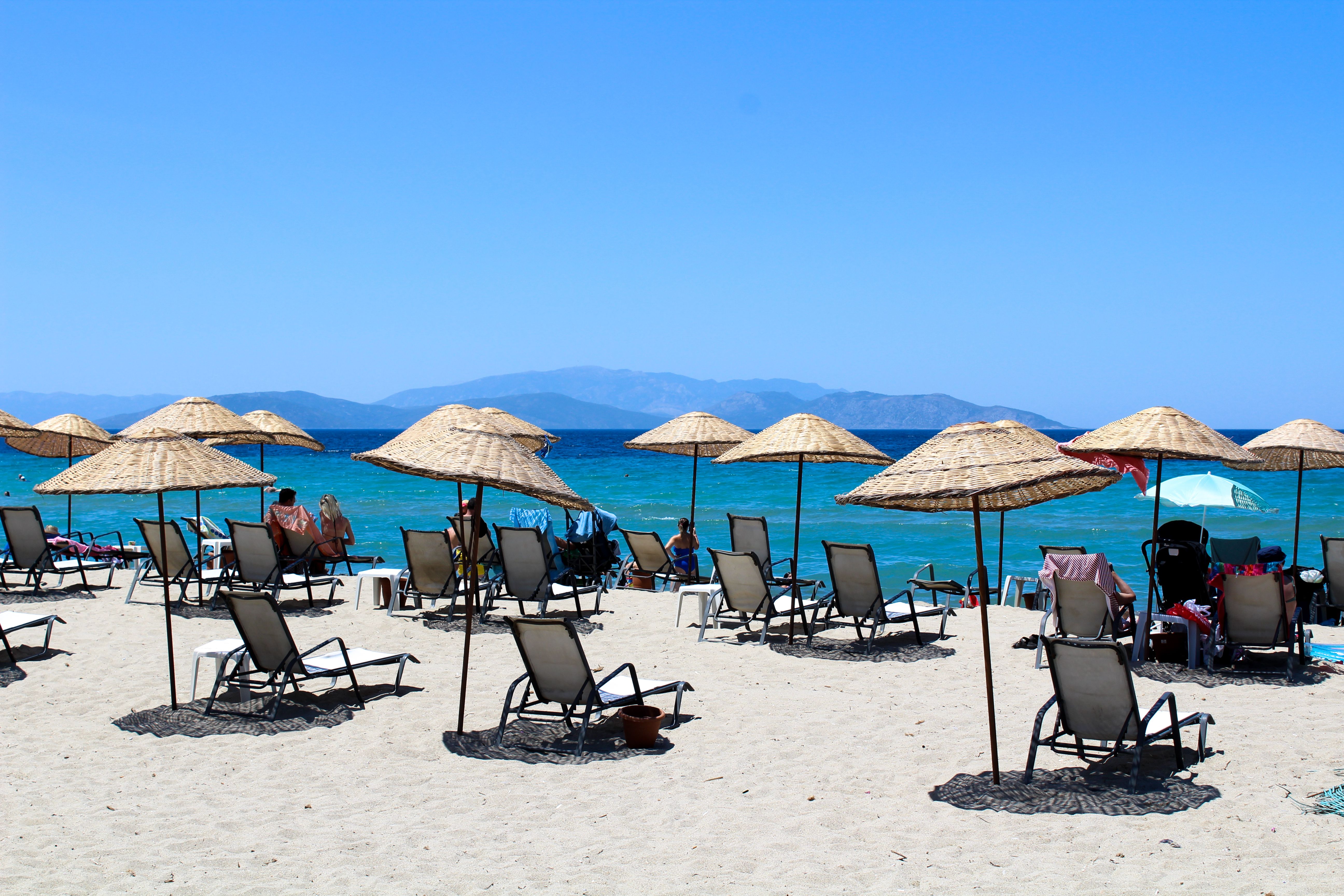
Golden sunlight dances across crystalline waters as you sink your toes into powder-soft sand along the Bodrum Peninsula's pristine shoreline. The gentle lap of Aegean waves creates a rhythmic lullaby while pine-scented breezes drift down from forested hillsides, carrying whispers of a landscape where ancient Halicarnassus once flourished. You stand at the edge of Bodrum beaches—a stunning collection of over fifty coves and bays stretching across seventy kilometers of coastline, where water temperatures hover between twenty-one and twenty-six degrees Celsius even in peak summer, and visibility extends thirty meters beneath the surface. From the lively shores of Gümbet to the secluded inlets of Black Island, each beach tells its own story: some buzz with beach clubs and water sports, others offer meditative solitude beneath tamarisk trees. This coastline matters because it seamlessly blends three millennia of history with contemporary leisure—where you can swim in waters once navigated by Alexander the Great's fleet, then dine on fresh sea bass at a family-run taverna as the sun sets behind medieval castle walls, creating an experience that satisfies both the adventurer and the dreamer.
Why Bodrum Beaches Embody Aegean Paradise
The Bodrum beaches represent one of the Turkish Aegean's most diverse coastal landscapes, solving the eternal traveler's dilemma of choosing between vibrant social scenes and peaceful seclusion. The peninsula's unique geography—extending like a crooked finger into the Gulf of Gökova—creates varied microclimates and beach types within short distances: pebble coves sheltered by headlands, long sandy stretches backed by tamarisk forests, and organized beaches with full amenities alongside wild, undeveloped shores accessible only by boat or hiking trail. This diversity stems from the region's geological history: volcanic activity created dramatic rock formations, while tectonic movements carved the indented coastline that now shelters thirty-seven distinct bays.
Each beach serves different needs: families gravitate toward shallow, protected waters at Bitez Bay where depths remain under one meter for fifty meters offshore; windsurfers flock to Akyarlar where consistent meltem winds reach twenty-five knots each afternoon; luxury seekers reserve sunbeds at Yalıkavak's exclusive beach clubs where day passes start at €50; while budget travelers spread towels on public beaches like Ortakent where access remains free. The water quality consistently achieves Blue Flag status—meeting stringent criteria for cleanliness, safety, and environmental management—across twenty-three Bodrum beaches, making it one of Turkey's most certified coastal regions.
Beyond recreation, these beaches fulfill a cultural function: they preserve traditional Turkish seaside culture while accommodating international tourism. You'll find local families picnicking beside European vacationers, fishermen mending nets near jet-skis, and traditional gulet boats anchored alongside luxury yachts. This coexistence maintains the authentic character that distinguishes Bodrum from purely commercialized resorts. The beaches also support significant marine ecosystems: seagrass meadows of Posidonia oceanica oxygenate the waters and provide nursery grounds for sea turtles, while rocky outcrops host diverse species including octopus, sea bream, and occasionally Mediterranean monk seals in remote areas. Conservation efforts initiated in 2015 have established protected zones around six beaches, balancing development with environmental preservation to ensure these turquoise waters remain pristine for future generations.
The Best Time to Experience Bodrum Beaches
Timing your visit to Bodrum beaches dramatically affects your experience, from water temperature to crowd levels. The optimal window stretches from May 20–June 25 and September 8–October 10, when air temperatures range between 24–29°C (75–84°F) and sea temperatures reach comfortable 21–24°C (70–75°F). During these periods, beaches remain uncrowded, accommodation prices drop thirty to forty percent below peak rates, and the notorious meltem winds haven't yet reached their afternoon intensity. Arrive at beaches between 9:00–11:00 AM to secure prime spots under natural shade and enjoy calm morning waters before boat traffic increases.
Avoid July 15 through August 25 absolutely: temperatures soar to 35–42°C (95–108°F), beaches reach maximum capacity with occupancy exceeding ninety percent, and afternoon winds create choppy conditions unsuitable for casual swimming. Midday beach visits between 12:00–4:00 PM during peak season prove uncomfortable—the intense sun creates burn risks within twenty minutes of exposure, and finding available sunbeds becomes nearly impossible at popular beaches like Gümbet and Bitez. Winter months (November through March) bring cooler air temperatures of 12–17°C (54–63°F) and sea temperatures dropping to 16–18°C (61–64°F), making swimming challenging though not impossible for hardy souls.
The swimming season officially extends from May through October, with water remaining swimmable for those comfortable with cooler temperatures into early November. For current beach conditions, Blue Flag status updates,environmental certifications. Note that many beach clubs operate seasonally from May 1 through October 15, while public beaches remain accessible year-round.
Approximate Budget for a 7-Day Trip
Exploring Bodrum beaches offers flexibility for various budgets, from backpacker-friendly public beaches to exclusive beach club experiences. This budget assumes moderate comfort—mid-range accommodation with sea views, fresh seafood dining, local transportation, beach equipment rentals, and selective luxury experiences. Prices reflect 2026 rates for travelers seeking authentic Aegean beach culture without ultra-luxury pricing.
- Accommodation: €55–€95 per night in Gümbet or Bitez (boutique hotels with pool and breakfast; budget pensions from €30, luxury resorts from €180)
- Food: €30–€45 per day (breakfast €6—Turkish kahvaltı spread included with most hotels; lunch €10–€14—gözleme, fish sandwich, or meze platter at beach cafes; dinner €14–€25—grilled sea bass, lamb şiş, or fresh calamari with wine)
- Transportation: €70 total (Milas-Bodrum Airport transfer: €8 each way via Havataş; local dolmuş to beaches: €1.50 per ride; taxi to Yalıkavak: €25; bicycle rental: €10/day; optional gulet day cruise: €45)
- Attractions: €85 total (Beach club day passes: €15–€50 per beach; Bodrum Castle: €12; Ancient Theatre: €6; Black Island boat tour: €35; water sports equipment rental: €20/day)
- Miscellaneous: €55 (beach towel €12, sunscreen €8, Turkish evil eye charm €7, local wine bottle €15, travel insurance prorated €13)
Total: €520–€720 for 7 days (excluding international flights to Milas-Bodrum)
7 Essential Bodrum Beach Experiences
- Swim at Bitez Bay's shallow waters: Arrive by 9:30 AM to this family-friendly beach where depths remain under one meter for fifty meters offshore, making it perfect for relaxed swimming. Rent a sunbed and umbrella pair for €10–€15, which includes access to beach facilities. The gentle slope and protected bay create calm conditions ideal for children and non-swimmers. Stay for lunch at one of the beachfront restaurants serving fresh mezze and grilled fish while watching traditional fishing boats bob in the harbor.
- Windsurf at Akyarlar Beach: This southwestern peninsula beach catches consistent afternoon meltem winds reaching twenty to twenty-five knots between 2:00–6:00 PM, creating ideal conditions for windsurfing and kitesurfing. Equipment rental costs €20–€30 per day including board and sail. The shallow lagoon-like conditions protect beginners, while experienced riders can venture further offshore. Beach clubs offer showers, cafes, and equipment storage. Visit Monday through Thursday when crowds are lighter than weekends.
- Explore Black Island's hidden coves: Take a water taxi from Bodrum harbor (€15 round-trip, departs hourly 10:00 AM–5:00 PM) to Karaada (Black Island), famous for its thermal springs and secluded swimming spots. Hike fifteen minutes from the dock to reach natural hot springs emerging from volcanic rock at 35–40°C (95–104°F). The mineral-rich waters create a unique spa experience in nature. Bring water shoes for rocky entries and allow three hours for exploration. The island's black volcanic sand contrasts dramatically with turquoise water.
- Experience luxury at Yalıkavak beach clubs: Reserve a sunbed at one of Yalıkavak's exclusive beach clubs like Palmarina or Xuma (day passes €40–€60, redeemable against food and beverage). These venues offer infinity pools, gourmet restaurants, and DJ entertainment creating an upscale Mediterranean beach club atmosphere. Arrive by 11:00 AM to secure waterfront positions. The sophisticated crowd, designer cocktails, and sunset views over Greek islands justify the premium pricing for a special occasion.
- Snorkel at Camel Beach (Deve Plajı): Access this pebble beach by hiking thirty minutes from Ortakent or taking a water taxi (€10). The clear waters reveal underwater rock formations teeming with sea bream, octopus, and occasionally sea turtles. Bring your own snorkel equipment or rent locally for €8. The beach has minimal facilities—pack water, snacks, and sun protection. Visit early morning (before 10:00 AM) or late afternoon (after 5:00 PM) for best visibility and fewer crowds.
- Watch sunset at Gümbet Beach: This lively two-kilometer stretch transforms into a social hub as the day progresses. Arrive at 6:00 PM to secure a beachfront table at one of the beach bars. Order a Turkish beer or raki while watching the sun descend behind Kos island. The atmosphere shifts from daytime relaxation to evening celebration with music and beach volleyball. Stay for dinner at the seafood restaurants lining the promenade, where grilled octopus and fresh catch of the day feature prominently.
- Take a traditional gulet cruise: Book a full-day boat excursion (€40–€55 including lunch) departing Bodrum harbor at 10:00 AM. These traditional wooden schooners visit five to six secluded coves inaccessible by land, including Aquarium Bay and Kargıcık Bay. Swim in crystal-clear waters, enjoy a home-cooked Turkish lunch prepared onboard, and sunbathe on the deck. The captain anchors in sheltered bays perfect for snorkeling. Return to harbor around 6:00 PM, giving you time to freshen up before dinner.
3 Hidden Gems Most Travelers Miss
- Bardakçı Bay's secret beach: Located between Bodrum center and Gümbet, this small cove remains unknown to most tourists because it lacks signage and requires a ten-minute descent down an unmarked footpath. Ask locals for "Bardakçı Koyu"—the path begins behind the Bardakçı Mosque. The pebble beach offers incredibly clear water, complete shade from pine trees, and zero facilities (bring everything you need). Visit between 4:00–7:00 PM when day-trippers depart and you'll have near-exclusive access. The underwater visibility exceeds twenty-five meters, making it exceptional for snorkeling. Look for ancient pottery fragments visible in shallow water—remnants of Halicarnassus-era settlements.
- Türkbükü's locals-only beach: While Türkbükü is famous for its celebrity beach clubs, a small public beach exists at the bay's eastern end, accessible via a dirt road behind the luxury hotels. Most visitors don't realize this free alternative exists just two hundred meters from €50 day-pass venues. The beach features fine pebbles, tamarisk shade, and views of both sides of the bay. Arrive before 10:00 AM on weekends when locals claim prime spots. There's a small cafe selling drinks and snacks at reasonable prices. The water is deeper than neighboring beaches, attracting fewer families with young children.
- Gündoğan's thermal beach: Thirty kilometers northwest of Bodrum center, this beach features natural thermal springs emerging directly into the sea, creating warm pools even in cooler weather. The mineral-rich waters (32–36°C year-round) are believed to have therapeutic properties for skin conditions and arthritis. Access requires driving to Gündoğan village, then following signs to "Kaplıca Plajı" (Thermal Beach). The beach is undeveloped with no facilities, but the unique experience of swimming in naturally heated seawater compensates for the lack of amenities. Visit on weekday mornings when local fishermen aren't working their nets. Combine with a visit to Gündoğan's traditional Sunday market for an authentic local experience.
Cultural & Practical Tips
- Understand beach etiquette: Turkish beaches operate on unspoken rules: topless sunbathing is prohibited on public beaches (acceptable only at designated areas of some private beach clubs); loud music requires consideration for others; and removing shells or stones from beaches violates environmental protection laws with fines up to ₺1,000 (approximately €30). Always respect roped-off seagrass areas protecting marine ecosystems.
- Carry cash in Turkish Lira: While beach clubs accept cards, small beach cafes, water taxi operators, and equipment rental vendors prefer cash. Learn "Ne kadar?" (neh kah-dar—how much?) and "Çok pahalı" (chok pah-hah-luh—too expensive) for polite bargaining. Most vendors accept 10–15% below asking price for rentals.
- Protect against sun and wind: The Aegean sun's intensity combined with water reflection creates burn risks even on cloudy days. Use SPF 30+ sunscreen (available at pharmacies for €6–€10), wear a wide-brimmed hat, and seek shade between 12:00–3:00 PM. Afternoon meltem winds can reach 30 km/h (18 mph)—secure loose items and be cautious when swimming if red flags are posted.
- Learn essential Turkish phrases: "Merhaba" (mehr-hah-bah—hello), "Teşekkür ederim" (teh-shek-kür eh-deh-rim—thank you), "Deniz nasıl?" (deh-niz nah-suhl—how is the sea?), "Plaj nerede?" (plaz neh-reh-deh—where is the beach?), and "Hesap lütfen" (heh-sap lü-tfen—bill please). Even basic efforts earn warm responses and often result in locals sharing insider beach recommendations.
- Respect photography guidelines: While beach photography is generally unrestricted, avoid photographing people—especially women and children—without explicit permission. Turkish culture values privacy, and unauthorized photography can cause offense. Drone photography requires permits from local authorities (apply at Bodrum Kaymakamlığı office three days in advance).
- Plan for seasonal variations: May–June offers wildflower blooms, comfortable temperatures, and uncrowded beaches but occasional rain. July–August guarantees hot weather and full beach club operations but maximum crowds and highest prices. September–October provides warm seas, fewer tourists, and reduced rates but some facilities close after October 1. November–April sees minimal beach activity though hardy swimmers can still enjoy the sea.
- Use public transportation wisely: Dolmuş (shared minibuses) run frequently between Bodrum center and major beaches from 7:00 AM–11:00 PM, costing €1.50–€2.50 per ride. They're safe, air-conditioned, and offer authentic local experiences. For remote beaches, rent a scooter (€25/day) or car (€40/day) from Bodrum center. Always confirm the last return dolmuş time when visiting distant beaches.
Conclusion: Travel with Presence, Not Just Postcards
The Bodrum beaches don't reveal their deepest magic to those racing between Instagram spots. They reward the visitor who lingers long enough to notice how morning light transforms turquoise water into liquid sapphire, who takes time to chat with fishermen mending nets at dawn, who understands that the perfect beach day isn't measured in photos captured but in moments fully experienced. When you float in waters where ancient mariners once sailed, taste sea salt on your lips, and feel the warmth of sun-baked stone beneath your feet, you're participating in a coastal tradition spanning millennia—from Herodotus gazing across these same waters to modern travelers seeking respite from digital overwhelm.
Responsible beach travel means protecting what makes Bodrum special: choosing reef-safe sunscreen to preserve marine life, respecting Blue Flag environmental standards, supporting local beach vendors rather than international chains, and leaving no trace beyond footprints that tide will erase. These beaches have survived conquests, earthquakes, and mass tourism while maintaining their essential character—a balance worth preserving. Come not just to collect beaches like trophies, but to understand that paradise isn't a destination to consume—it's a relationship to cultivate, one gentle wave, one respectful interaction, one moment of pure presence at a time.