
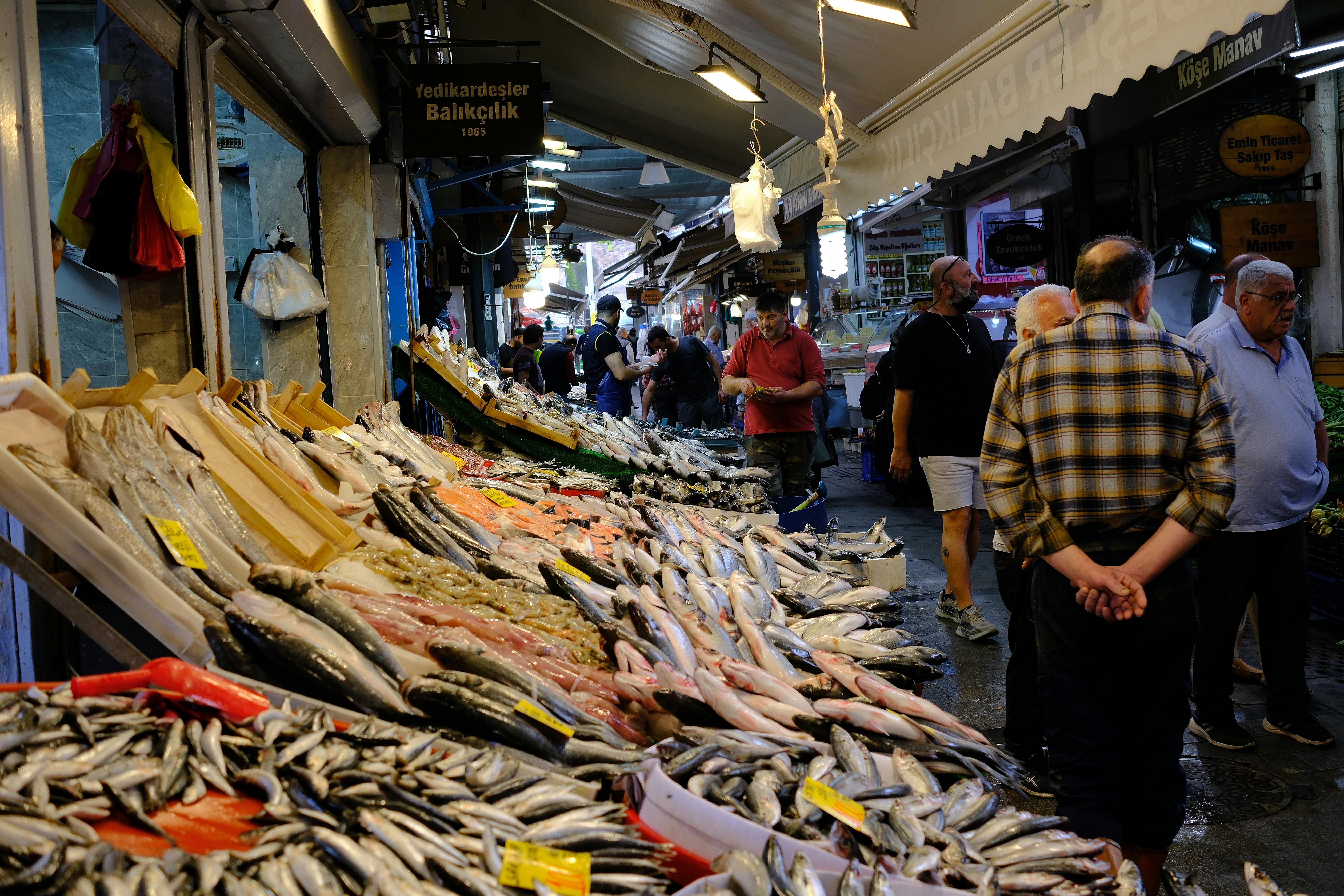
Fethiye Fish Market: Where Fresh Catch Meets Aegean Tradition
First light spills across the harbor as you step into the vibrant chaos of Fethiye fish market—a sensory symphony where silver-skinned sea bream glisten on crushed ice, vendors call out prices in rhythmic Turkish, and the briny scent of the Mediterranean mingles with sizzling olive oil from nearby grills. You stand among wooden stalls stretching thirty meters along the waterfront, where fishermen unload their dawn haul: octopus with tentacles still curling, langoustines with shells translucent as amber, and whole dorada with eyes bright as the Aegean sun. The air carries the percussive chop of cleavers on wooden blocks, the hiss of fish hitting hot grates, and the warm chatter of locals bargaining over today's catch. This place matters because it preserves an authentic slice of Turkish coastal culture—a living tradition where you select your own seafood, watch it prepared before your eyes, and dine al fresco with harbor views, connecting you to centuries of Mediterranean culinary heritage that prioritizes freshness, simplicity, and the joy of shared meals beneath open skies.
Why Fethiye Fish Market Embodies Culinary Authenticity
Fethiye fish market represents one of Turkey's most vibrant culinary experiences, solving the modern traveler's quest for authentic local food culture beyond tourist-oriented restaurants. Established in its current waterfront location in 1995 after relocating from the old town, the market functions as both a working fish auction and a communal dining destination where visitors participate directly in the farm-to-table—or rather, boat-to-plate—process. Approximately forty vendors operate daily stalls, offering over sixty species of Mediterranean seafood ranging from everyday sardines priced at €3 per kilogram to premium red mullet commanding €25 per kilogram during peak season.
The market's design reflects practical Mediterranean wisdom: open-air stalls with marble countertops keep seafood chilled naturally through evaporation; overhead awnings provide shade while allowing sea breezes to circulate; and adjacent grilling restaurants share plumbing and ventilation systems that minimize environmental impact. Water temperatures in Fethiye Bay remain between 16–24°C (61–75°F) year-round, ensuring consistent quality for local catches. The market processes approximately two tons of seafood daily during high season, with most fish landed within twelve hours of sale—a freshness standard that defines Turkish coastal cuisine.
Beyond commerce, the market fulfills vital cultural functions: it preserves traditional fishing methods, supports local livelihoods, and educates visitors about sustainable seafood practices. The Turkish Ministry of Agriculture implemented quality controls in 2010 requiring vendors to display catch origins and fishing methods, empowering consumers to make informed choices. Scientific monitoring by Muğla University's Fisheries Department tracks local fish populations, ensuring that popular species like sea bass and gilt-head bream remain abundant. The Fethiye fish market thus serves as both a culinary destination and a model for sustainable coastal tourism, where enjoying fresh seafood supports the ecosystems and communities that make such experiences possible.
The Best Time to Experience Fethiye Fish Market
Timing your visit to Fethiye fish market dramatically affects selection, atmosphere, and dining comfort. The optimal window stretches from May 15–June 25 and September 10–October 18, when air temperatures range between 22–29°C (72–84°F) and sea conditions ensure consistent daily catches. During these shoulder seasons, the market offers excellent variety without peak-season crowds, outdoor dining remains comfortable, and prices stay approximately fifteen to twenty percent below July–August highs. Arrive between 8:00–9:30 AM when fishermen unload their freshest catches and you can select prime specimens before the best offerings sell out.
Avoid July 20 through August 25 absolutely: temperatures soar to 33–40°C (91–104°F), the market reaches maximum capacity with visitor numbers exceeding two thousand daily, and outdoor dining becomes uncomfortable despite harbor breezes. Midday visits between 12:00–3:00 PM during peak season prove overwhelming—finding seating at popular grilling restaurants requires lengthy waits, and the combination of heat and cooking aromas can feel intense. Winter months (November through March) bring cooler air temperatures of 10–16°C (50–61°F) and reduced fishing activity due to rougher seas; however, the market remains operational with smaller but often higher-quality catches, and dining indoors at adjacent restaurants offers cozy alternatives.
The market operates daily from 7:00 AM until the last customer departs, typically around 10:00 PM. Note that many grilling restaurants adjacent to the market operate seasonally from May through October, though core fish vendors remain open year-round.
Approximate Budget for a 7-Day Trip
Exploring Fethiye fish market and the surrounding Turquoise Coast offers exceptional value for food enthusiasts and cultural travelers. This budget assumes moderate comfort—mid-range accommodation with sea or mountain views, fresh Turkish and Mediterranean cuisine beyond the market, local transportation, market dining experiences, and selective cultural activities. Prices reflect 2026 rates for travelers seeking authentic culinary experiences without luxury resort pricing.
- Accommodation: €42–€78 per night in Fethiye town center or Çalış Beach (boutique hotels with pool and breakfast; budget pensions from €24, upscale seaside hotels from €125)
- Food: €26–€40 per day (breakfast €5—Turkish kahvaltı spread with cheeses, olives, tomatoes, honey, börek; lunch €8–€12—market-grilled fish with meze and salad; dinner €13–€23—traditional Turkish cuisine at local tavernas with wine)
- Transportation: €60 total (Dalaman Airport to Fethiye via shuttle: €9 each way; local dolmuş to nearby beaches: €2 per ride; taxi to market area: €5; bicycle rental: €8/day; optional car rental for exploring: €32/day)
- Attractions: €82 total (Fethiye fish market dining experience: €15–€30 per meal; Fethiye Ancient Theatre: €4; Saklıkent Gorge tour: €20; boat trip to Butterfly Valley: €25; Lycian Way hiking guide: €18; cooking class featuring market ingredients: €35)
- Miscellaneous: €46 (market tote bag €8, Turkish spice blend €10, local olive oil €12, reef-safe sunscreen €7, travel insurance prorated €9)
Total: €450–€630 for 7 days (excluding international flights to Dalaman)
7 Essential Fethiye Fish Market Experiences
- Select your fish at dawn: Arrive by 8:00 AM when fishermen unload their freshest catches. Walk the thirty-meter row of marble-topped stalls, observing the day's offerings: silver sea bream with bright eyes, octopus with supple tentacles, and langoustines with shells still translucent. Point to your selection and ask the vendor to weigh it—prices are typically posted per kilogram. Expect to pay €8–€18 per kilogram depending on species and season. This hands-on selection process connects you directly to the source of your meal.
- Choose your preparation method: After selecting fish, take it to one of the adjacent grilling restaurants (look for "Balık Pişirme" signs). Staff will ask your preference: grilled whole with olive oil and lemon (ızgara), baked with tomatoes and herbs (fırın), or fried in light batter (kızartma). Specify side dishes—grilled vegetables, rice pilaf, or fresh salad typically cost €3–€6 extra. The entire process from selection to plated meal takes approximately twenty minutes.
- Dine al fresco with harbor views: Request a table on the restaurant's waterfront terrace for the full sensory experience. Watch fishing boats bob in the harbor while your meal sizzles on the grill. The aroma of olive oil, lemon, and fresh herbs creates an intoxicating prelude to dining. Order a glass of local white wine (€4–€6) or traditional raki (€5) to complement the seafood. This combination of fresh food, scenic views, and relaxed atmosphere defines Mediterranean coastal dining.
- Sample traditional meze accompaniments: Before your main course arrives, order a selection of meze—small plates that showcase Turkish culinary artistry. Recommended options include haydari (thick yogurt with garlic and herbs), deniz börülcesi (blanched sea beans with olive oil), and acılı ezme (spicy tomato and pepper relish). Each plate costs €2–€4 and encourages sharing. Meze transform a simple fish dinner into a leisurely feast that celebrates regional flavors.
- Learn about sustainable seafood: Engage vendors in conversation about their catch—many speak basic English and appreciate genuine interest. Ask "Bu balık nerede tutuldu?" (boo bah-luhk neh-reh-deh too-tul-doo—where was this fish caught?) to learn about fishing grounds. Reputable vendors proudly display certifications for sustainable practices. This interaction deepens your appreciation for the work behind your meal and supports responsible tourism.
- Photograph the market's vibrant atmosphere: Capture the market's visual poetry: silver fish arranged in artistic patterns on crushed ice, vendors' weathered hands expertly filleting catches, and steam rising from grills against harbor backdrops. Visit between 9:00–11:00 AM when morning light creates ideal photography conditions. Bring a polarizing filter to reduce glare on wet surfaces. Always ask permission before photographing people—"Fotoğraf çekebilir miyim?" demonstrates respect.
- Explore adjacent local specialties: Beyond seafood, the market area features vendors selling traditional Turkish breakfast items, fresh produce, and regional delicacies like tarhana (fermented grain soup) and pekmez (grape molasses). Sample local olives, cheeses, and honey before or after your fish meal. These complementary experiences provide broader context for Fethiye's culinary culture and make excellent souvenirs.
3 Hidden Gems Most Travelers Miss
- The early-morning fish auction: Behind the public market stalls, a wholesale auction operates from 5:00–7:00 AM where restaurants and retailers purchase bulk catches. Most visitors never witness this energetic tradition because it occurs before typical tourist hours. Access requires arriving by 4:45 AM and asking market staff for "açık artırma" (auction) directions. Observe from the perimeter—bidding happens rapidly in Turkish, with prices flashing on digital displays. This behind-the-scenes experience reveals the commercial heartbeat of Fethiye's seafood economy. Bring warm layers; mornings near the water can be chilly even in summer.
- The family-run meze workshop: Tucked behind the main market row, a small kitchen operated by the Yılmaz family prepares traditional meze using recipes passed through four generations. Most tourists overlook this spot because signage is minimal and seating is limited to eight guests. Access requires asking any market vendor for "Yılmaz mezeci" directions. Visit between 10:00 AM–12:00 PM when they prepare daily batches; you can observe the process and sample specialties like şakşuka (fried vegetables in tomato sauce) and muhammara (red pepper and walnut dip). Reservations recommended: call +90 252 614 2890 at least twenty-four hours ahead.
- The sunset fishing boat experience: While most visitors dine at the market, few arrange to join local fishermen for evening net-checking excursions. These two-hour trips depart from the harbor adjacent to the market at 5:30 PM (seasonal) and cost €25 per person including fresh catch tasting onboard. Access requires booking through the Fethiye Fishermen's Cooperative office at the market's eastern end. The experience reveals traditional fishing methods, offers stunning coastal views at golden hour, and provides insight into the work behind your market meal. Trips operate Tuesday, Thursday, and Saturday; weather permitting.
Cultural & Practical Tips
- Understand market etiquette: Fethiye fish market operates on unspoken rules: vendors appreciate polite bargaining (offer 10–15% below asking price), but aggressive haggling is considered rude; always handle fish with clean hands or ask vendors to demonstrate selection techniques; and tipping 5–10% at grilling restaurants acknowledges good service. Learning "Teşekkür ederim" (teh-shek-kür eh-deh-rim—thank you) builds rapport.
- Carry cash in Turkish Lira: While some vendors accept cards, most market transactions prefer cash for speed and simplicity. Learn "Ne kadar?" (neh kah-dar—how much?) and "Çok pahalı" (chok pah-hah-luh—too expensive) for polite price discussions. Small denominations (€5–€20 equivalent) facilitate smoother transactions.
- Dress for coastal conditions: The waterfront location means sea breezes can feel cool even on warm days, while cooking areas generate heat. Dress in layers and wear closed-toe shoes with grip—marble floors become slippery when wet. Bring a light scarf for sun protection and to cover shoulders if visiting adjacent mosques.
- Learn essential Turkish phrases: "Merhaba" (mehr-hah-bah—hello), "Balık seçmek istiyorum" (bah-luhk sech-mek is-tee-yo-room—I want to select fish), "Nasıl pişirilir?" (nah-suhl pee-shee-reel-eer—how is it cooked?), "Hesap lütfen" (heh-sap lü-tfen—bill please), and "Afiyet olsun" (ah-fee-yet ol-soon—enjoy your meal). Even basic efforts earn warm responses and often result in vendors sharing cooking tips or local recommendations.
- Photography guidelines: General photography is permitted throughout the market, but avoid using flash near grilling areas where it can disturb cooks and other diners. When photographing vendors or customers, always ask permission first—Turkish culture values privacy. Drone photography requires permits from local authorities (apply at Fethiye Kaymakamlık office three days in advance).
- Plan for seasonal variations: Spring (May–June) offers excellent fish variety, comfortable dining temperatures, and fewer crowds. Summer (July–August) provides the liveliest atmosphere but peak prices and heat. Autumn (September–October) features prime seafood as fish fatten for winter, with pleasant weather and reduced tourist numbers. Winter months see smaller selections but often higher-quality catches and more intimate dining experiences.
- Practice sustainable choices: Ask vendors about fishing methods and avoid species with population concerns (local staff can advise). Choose smaller portions to reduce waste, and support restaurants that source locally. The Fethiye fish market thrives when visitors make mindful choices that protect the marine ecosystems sustaining this culinary tradition.
Conclusion: Travel with Appreciation, Not Just Appetite
Fethiye fish market doesn't reveal its deepest magic to those rushing through for a quick meal. It rewards the visitor who pauses to watch a vendor's skilled hands fillet a sea bream, who savors the story behind each catch, who understands that this bustling waterfront represents centuries of Mediterranean tradition requiring our respect and support. When you select your fish at dawn, dine al fresco with harbor views, and share a meal with locals and travelers alike, you're participating in a culinary ritual that has sustained coastal communities for generations.
Responsible travel here means honoring the market's cultural significance—supporting vendors who practice sustainable fishing, respecting the skill and labor behind each meal, leaving no trace beyond satisfied memories, and recognizing that your presence contributes to preserving this authentic experience for future visitors. This market has thrived while maintaining its character—a balance worth protecting through mindful choices. Come not just to satisfy hunger, but to understand that great food isn't merely consumed—it's celebrated, one fresh catch, one shared table, one moment of genuine connection at a time.