
Hierapolis Ancient City: Where Roman Grandeur Meets Thermal Wonder
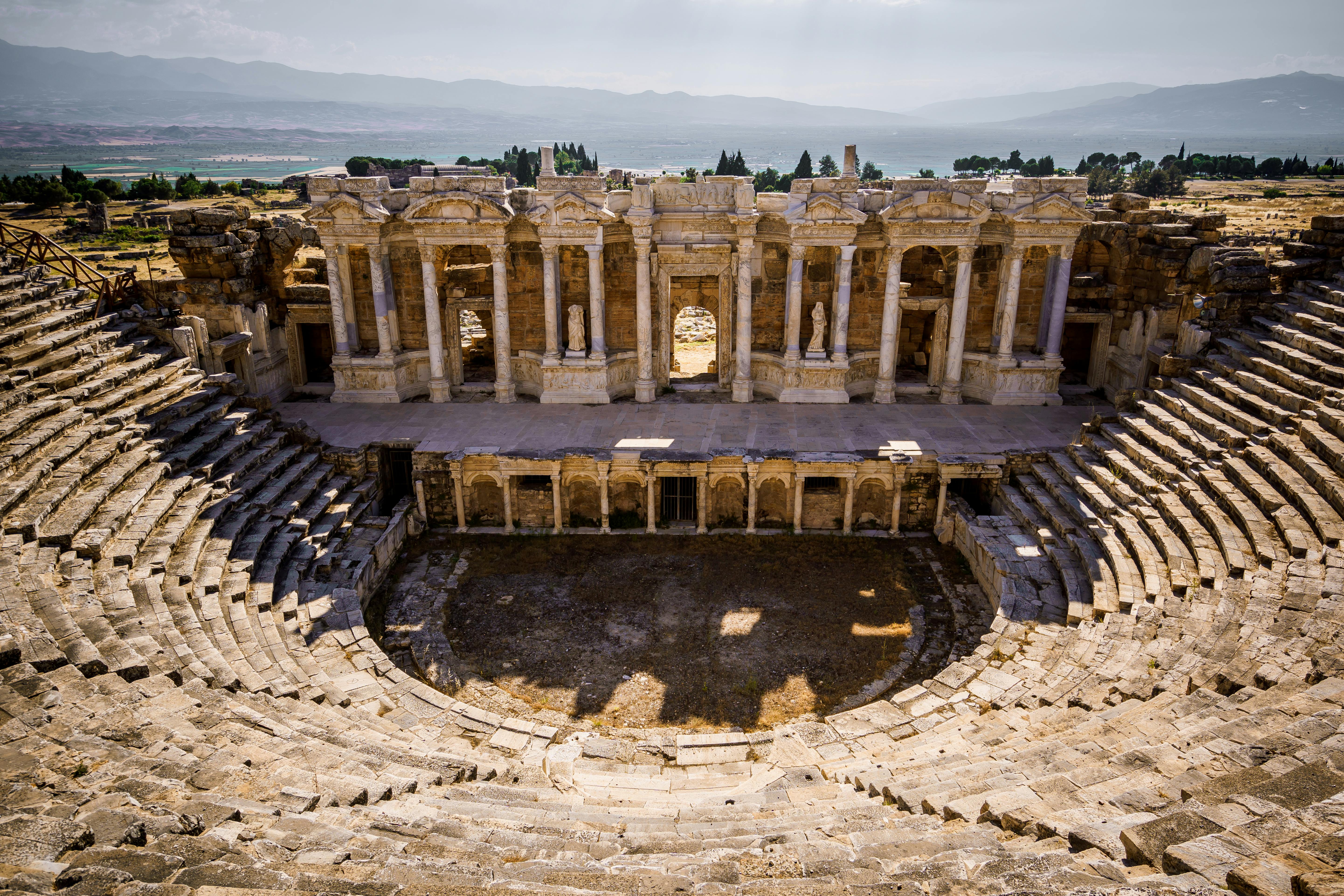
The late afternoon sun gilds the marble columns of Hierapolis ancient city, casting long shadows across a plateau that has witnessed two millennia of human aspiration. You walk the ancient processional way, the stone worn smooth by countless footsteps, as the gentle murmur of thermal waters from Pamukkale's terraces rises from below. Above, the ruins of a Roman theater—capable of seating 15,000 spectators—stand sentinel against the Anatolian sky, its carved reliefs depicting mythological scenes that once entertained citizens who came to seek healing in the sacred springs. The air carries the scent of wild thyme and sun-warmed stone, while cypress trees frame vistas of the Menderes Valley stretching toward distant mountains. This is not merely an archaeological site; it is a testament to the enduring human desire to build beauty where nature offers blessing, where the ancient city of Hierapolis—founded in 190 BCE by Eumenes II of Pergamon—flourished as a spa sanctuary, a center of learning, and a crossroads of cultures. Standing here, surrounded by ruins that have survived earthquakes, conquest, and time, you understand why this place matters: it reminds us that civilizations rise not just through power, but through the pursuit of wellness, artistry, and shared human experience.
Why Hierapolis Ancient City Embodies Cultural Synthesis
The Hierapolis ancient city represents one of antiquity's most elegant solutions to a fundamental human need: creating a thriving urban center that harmonized spiritual devotion, therapeutic practice, and civic life within a landscape of natural wonder. Founded in 190 BCE by the Seleucid king Eumenes II and later expanded under Roman rule, Hierapolis solved the challenge of establishing a prestigious spa city that could attract visitors from across the Mediterranean while maintaining its identity as a sacred sanctuary dedicated to Apollo and the healing powers of thermal waters.
Technically, the city showcases remarkable urban planning and engineering. Built directly atop the Pamukkale travertine formations, Hierapolis integrated natural thermal springs into its infrastructure: aqueducts channeled mineral-rich waters to public baths, nymphaea, and private villas, while sophisticated drainage systems protected structures from mineral deposits. The famous Roman theater, constructed in the 2nd century CE and later restored after the 17 CE earthquake, features a stage building 96 meters (315 feet) wide with intricate reliefs depicting Apollo, Artemis, and scenes from mythology. Materials were strategically sourced: local marble for columns and pavements, travertine from the terraces below for foundations, and imported granite for monumental elements. The city's necropolis—stretching over 2 kilometers (1.2 miles) with more than 1,200 tombs—demonstrates advanced funerary architecture, with sarcophagi carved from single blocks of stone weighing up to 8 tons.
Beyond its architectural achievements, Hierapolis fulfilled a profound social need: creating a space where diverse cultures—Greek, Roman, Jewish, and early Christian—could converge around shared values of healing, learning, and community. The city's famous school of sculpture produced works exported across the empire, while its thermal baths attracted visitors seeking relief from ailments ranging from arthritis to skin conditions. Today, as travelers walk its sun-dappled pathways and gaze upon ruins that have inspired scholars for centuries, Hierapolis continues its original purpose: inviting the human spirit to encounter history through the enduring dialogue between stone, water, and memory.
The Best Time to Experience Hierapolis Ancient City
Timing your visit to Hierapolis ancient city requires balancing light conditions, crowd levels, and seasonal weather for the optimal archaeological experience. The ideal window runs from April 15–June 12 and September 15–October 31, when Denizli's temperatures hover between 15–26°C (59–79°F), atmospheric conditions remain stable, and the angle of sunlight creates ideal conditions for photographing marble reliefs and column details without harsh glare or deep shadow.
For the most contemplative experience, arrive at 7:00–8:30 AM when the site opens. This is when the ruins are least crowded, allowing you to explore the theater, necropolis, and Apollo Temple in peaceful solitude while morning light enhances the stone's natural textures. Alternatively, visit between 4:00–6:00 PM for sunset photography, when golden light casts long shadows that accentuate architectural details while the thermal mists from Pamukkale create atmospheric depth. The site operates daily from 6:30 AM to 9:00 PM (April–October) or 5:00 PM (November–March); allow 2–3 hours for comprehensive exploration.
Avoid July 15–August 31 if possible: temperatures climb to 30–38°C (86–100°F), and midday sun can make walking the exposed stone pathways uncomfortably hot. Also skip Turkish national holidays (April 23, August 30, October 29) when domestic tourism surges, creating queues that diminish the contemplative atmosphere. Winter months (December–February) offer atmospheric mist and fewer visitors, with temperatures of 4–12°C (39–54°F), but some areas may have limited access due to weather conditions.
For current information on opening hours, ticket prices, and conservation updates, visit: www.goturkey.com
Approximate Budget for a 7-Day Trip
Southwestern Turkey offers exceptional value for cultural travelers, with costs remaining moderate despite recent inflation. The following budget assumes mid-range travel with comfortable accommodations in Pamukkale village or nearby Denizli, quality Turkish cuisine, and comprehensive sightseeing including Hierapolis ancient city and surrounding attractions. All prices reflect current rates in euros (€1 ≈ 35 Turkish Lira).
Accommodation: €50–€110 per night
• Budget pension in Pamukkale: €30–€50/night
• Mid-range thermal hotel (3-star): €50–€85/night
• Upscale resort with spa access: €110–€180/night
7 nights total: €350–€770
Food: €20–€40 per day
• Breakfast: €4–€7 (Turkish tea, simit, menemen, olives, feta)
• Lunch: €6–€12 (kebap, lentil soup, pide, fresh salads)
• Dinner: €10–€21 (mezze platter, grilled sea bass, lamb şiş)
• Street food/snacks: €2–€4 (simit, baklava, Turkish coffee)
7 days total: €140–€280
Transportation:
• Airport transfer (Denizli Çardak): €12 each way
• Local dolmuş/shuttle rides: €2–€5 per trip
• Car rental (optional): €30/day
• Intercity bus to Pamukkale: €15
7 days total: €75–€130
Attractions:
• Hierapolis archaeological site: €13 (included with Pamukkale entry)
• Antique Pool (Cleopatra's Pool): €8 extra
• Laodicea ancient city: €5
• Aphrodisias day trip: €25
• Guided Hierapolis tour: €20
• Thermal spa experience: €20–€40
Total: €91–€111
Miscellaneous:
• Travel insurance (cultural coverage): €35
• Souvenirs (textiles, ceramics, evil eye): €25–€75
• SIM card (10GB data): €12
• Tips for guides: €15–€30
Total: €87–€152
TOTAL 7-DAY BUDGET: €743–€1,443
7 Essential Hierapolis Ancient City Experiences
1. Explore the Roman Theater at Sunrise: Begin your visit at the magnificent 2nd-century CE theater, perched on the hillside with panoramic views of the Pamukkale terraces below. Arrive at opening time (6:30 AM) to experience the 15,000-seat venue in peaceful solitude while morning light illuminates the intricate reliefs depicting Apollo, Dionysus, and mythological scenes. Climb to the upper tiers for sweeping vistas; the theater's acoustics remain remarkable—whisper from the stage and hear your voice carry to the highest rows. Allow 45 minutes for this iconic introduction.
2. Walk the Ancient Processional Way: Follow the marble-paved street that once connected Hierapolis' civic center to the Apollo Temple, flanked by colonnades and public buildings. Notice the intricate drainage channels carved beneath the pavement—a sophisticated engineering solution that protected the city from mineral deposits while maintaining clean thoroughfares. Visit mid-morning (9:00–10:00 AM) when light enhances the stone's texture and the shadows of reconstructed columns create dramatic photography opportunities.
3. Contemplate the Apollo Temple Foundations: Locate the sacred precinct dedicated to Apollo, the city's patron deity, where only foundation stones and scattered columns remain after earthquakes and time. Stand quietly and imagine the temple's original grandeur: a peripteral structure with 6×11 columns, adorned with statues and offerings from pilgrims seeking healing. The site's orientation toward the rising sun reflects ancient beliefs about divine illumination. Bring a small flashlight to examine carved details in shadowed areas.
4. Explore the Extensive Necropolis: Wander the 2-kilometer (1.2-mile) burial ground that stretches along the ancient road to Laodicea, featuring over 1,200 tombs ranging from simple sarcophagi to elaborate temple-style monuments. Look for reliefs depicting mythological scenes, family portraits, and inscriptions in Greek and Latin that offer glimpses into daily life. Visit late afternoon when golden light enhances the stone carvings; allow 60 minutes to appreciate this remarkable funerary landscape.
5. Study the Frontinus Aqueduct: Locate the well-preserved section of the 1st-century CE aqueduct that once supplied fresh water to Hierapolis' baths and fountains. This engineering marvel demonstrates sophisticated hydraulic knowledge: a gentle gradient of 1:1,000 ensured steady flow while arches spanning valleys maintained structural integrity. The aqueduct's integration with the natural landscape reveals Roman respect for environmental harmony. Visit mid-morning when light illuminates the stone arches against the valley backdrop.
6. Visit the Antique Pool (Cleopatra's Pool): Descend to the thermal pool where ancient marble columns lie submerged in 36°C (97°F) mineral-rich waters. Swim among fallen pillars that once supported Roman porticos, feeling the gentle buoyancy of calcium-laden water on your skin. The pool's therapeutic properties have drawn visitors for two millennia; spend 30 minutes floating in this unique fusion of history and hydrotherapy. Entry requires an additional €8 fee beyond the archaeological site ticket.
7. Reflect at Sunset on the Theater Terrace: Conclude your visit on the terrace overlooking the Roman theater as the sun dips toward the Menderes Valley. The setting light transforms the marble ruins into shades of rose and amber, while the Pamukkale terraces below glow in luminous white. Find a quiet spot to sit and contemplate the day's journey—from ancient civic life to natural wonder. This moment of stillness encapsulates Hierapolis' enduring magic.
3 Hidden Gems Most Travelers Miss
• The Plutonium Gate: Tucked near the Apollo Temple, this ancient shrine to Pluto (god of the underworld) features a cave emitting carbon dioxide—a natural phenomenon that once fueled oracular rituals. Most visitors overlook this archaeological curiosity, but it offers fascinating insight into ancient spiritual practices where priests would enter the cave and emerge with prophecies. Access: Follow signs from the theater; allow 15 minutes. Visit mid-morning when guides explain the site's historical significance. A quiet moment here connects you to the mystical dimensions of Hierapolis.
• The Martyrium of St. Philip: Located 1 kilometer north of the main archaeological zone, this octagonal church commemorates the apostle Philip, who was martyred in Hierapolis around 80 CE. The structure, built in the 5th century CE, features a central dome supported by eight pillars and offers panoramic views of the Menderes Valley. Access: Follow the marked trail from the necropolis; allow 30 minutes round-trip. Visit late afternoon when golden light enhances the stone architecture. This early Christian site reveals the religious evolution of Hierapolis beyond its pagan origins.
• The Roman Bath Complex: Beyond the main tourist route, a partially excavated bath complex reveals sophisticated heating systems (hypocausts), marble-lined pools, and changing rooms that once served thousands of visitors seeking therapeutic relief. The intricate tile work and engineering details demonstrate Roman mastery of thermal architecture. Access: Ask staff for directions; the area is typically open during site hours. Visit mid-day when fewer crowds allow quiet contemplation of these functional yet beautiful spaces.
Cultural & Practical Tips
• Wear appropriate footwear: The archaeological site features uneven stone pathways, ancient steps, and occasional loose gravel. Wear sturdy, closed-toe shoes with good grip for safety. The marble surfaces can be slippery when wet—avoid sandals or flip-flops, especially near thermal areas.
• Photography etiquette: Photography is permitted throughout public areas, but drones require special permits from Turkish authorities. Tripods are allowed but must not obstruct pathways or other visitors. The phrase "Fotoğraf çekebilir miyim?" (foh-toh-raf cheh-keh-bee-leer mee-yim) means "May I take a photo?" Always respect signage regarding restricted areas.
• Protect the fragile ruins: Hierapolis' marble and stone structures are irreplaceable; avoid touching carved reliefs (oils from skin accelerate erosion), stay on marked paths, and never climb on unstable walls. Your mindfulness helps preserve this UNESCO World Heritage Site for future generations.
• Hydrate and protect from sun: Western Anatolia's climate means intense sun exposure, especially on reflective marble surfaces. Carry at least 1.5 liters of water, use broad-spectrum sunscreen (SPF 30+), and wear a hat and sunglasses. Reapply sunscreen every two hours; the thermal environment can accelerate dehydration.
• Learn essential Turkish phrases: "Teşekkür ederim" (teh-shek-kur eh-deh-rim) = Thank you; "Hierapolis çok güzel" (hee-eh-rah-po-lis chok gew-zel) = Hierapolis is very beautiful; "Tuvalet nerede?" (too-ah-let neh-reh-deh) = Where is the restroom? Attempting Turkish shows respect and often sparks warm interactions with local staff and guides.
• Combine with nearby attractions: Hierapolis is adjacent to Pamukkale's travertine terraces and 20 minutes from Laodicea ancient city. Plan a full-day itinerary: Hierapolis at sunrise, Pamukkale terraces mid-morning, lunch in Pamukkale village, afternoon visit to Laodicea. This balance of cultural and natural experiences maximizes your southwestern Turkey adventure.
• Consider a guided tour: While self-exploration is rewarding, a knowledgeable guide (€20 for 2 hours) can illuminate historical context, architectural details, and hidden stories that enrich your understanding. Look for guides certified by Turkey's Ministry of Culture and Tourism for accurate, engaging commentary.
Conclusion: Travel with Reverence, Not Just Curiosity
The Hierapolis ancient city demands more than casual observation—it asks for reverence. As you walk among marble columns that have witnessed two millennia of human aspiration, watching light dance across reliefs that once entertained Roman citizens, remember that you are not merely a visitor but a witness to civilizations that valued healing, artistry, and community. This archaeological landscape offers a narrative of synthesis: Greek philosophy meeting Roman engineering, thermal waters nurturing both body and spirit, diverse cultures converging around shared human values.
Travel here with intention. Between photographs, pause to trace the carved details of a sarcophagus, to listen to the wind whispering through ancient columns, to simply stand in silence among ruins that have inspired scholars for centuries. Support conservation by respecting all guidelines, staying on marked paths, and contributing to preservation efforts. These small acts of mindfulness accumulate into something larger than tourism—they become participation in safeguarding a fragile link to our shared human heritage.
Hierapolis will endure long after we're gone, its stone columns continuing to frame Anatolian skies while cradling centuries of memory. Your visit should honor that continuity, supporting the delicate balance between access and preservation that allows future generations to experience this wonder. Slow down. Look closely. Let the serene gaze of Apollo's temple remind you that some truths are best communicated not in words, but in stone and light and time. That is how you truly experience Hierapolis ancient city.