
Debrecen's Great Church: Where Plain Faith Meets Revolutionary Ground
The clock strikes ten. Sunlight falls across Kossuth Square and lights up the church’s pale stone facade. I stand near the iron railings, watching people pause and look up at the twin towers. Entry to the interior costs roughly 400 forints for adults, and the tower climb adds about 1,200 forints. The building stretches wide across the square, its two towers rising 61 meters into the sky. Inside, white walls and clean lines create a space that feels vast and uncluttered. You can see almost every corner from where you stand, and the quiet carries all the way to the altar without decoration or distraction.
Why Great Church Matters
This is the largest Reformed church building in Hungary, and the symbol of Debrecen itself. Construction finished in 1824 after nearly twenty years of work, in neoclassical style. On April 14, 1849, Lajos Kossuth proclaimed Hungary’s independence from the Habsburg Empire from inside these walls. His chair still sits near the pulpit, preserved as a reminder of that day. The Rákóczi Bell, weighing nearly five tons, hangs in one tower — the largest Protestant bell in the country. What many visitors do not know: the original design included a grand central dome that was never built due to funding shortages. The church stands slightly incomplete as a result. That said, the interior feels too plain for some expectations. Calvinist tradition keeps decoration minimal, but better signage would help visitors understand exactly where the declaration happened and which relics matter most.
The Best Time to Experience Great Church
Visit from late April to mid-June, or from early September to mid-October. Daytime temperatures sit around 16°C to 22°C (61°F to 72°F), and the square stays comfortable for walking and waiting. July and August regularly reach 26°C to 30°C (79°F to 86°F), and heat reflects off the stone pavement. Winter brings -2°C to 4°C (28°F to 39°F), and wind off the Great Plain cuts straight through the square. November through March also shortens hours significantly, so check before you walk over. Arrive before nine in the morning on weekdays. You avoid tour groups and catch soft light through the tall windows inside. Sunday mornings bring services; the church closes to visitors during worship, so plan accordingly.
Approximate Budget for a 7-Day Trip
Costs below are per person, based on staying in Debrecen and exploring the eastern region.
- Accommodation: 12,000 HUF per night × 6 nights = 72,000 HUF — central guesthouse or mid-range hotel
- Food & Drink: 10,500 HUF daily × 7 days = 73,500 HUF — meals, coffee, and local drinks
- Local Transport: 2,800 HUF daily average = 19,600 HUF — trams, buses, and short taxi rides
- Attractions & Entry Fees: 22,000 HUF total — Great Church tower, museums, thermal bath entry
- Miscellaneous: 14,000 HUF — water, snacks, small supplies
Total estimated cost: 201,100 HUF
Note: The cafes and restaurants directly facing Kossuth Square charge nearly double what places a few streets away charge. Walk three minutes toward the market hall. Meals there cost about thirty-five percent less, and portions feel more generous.
Essential Great Church Experiences
- Stand where history was proclaimed — Walk to the pulpit area near Kossuth’s chair. Read the simple plaque that marks where the declaration was read. The space feels quiet, and you can imagine the crowd packed shoulder to shoulder in 1849.
- Climb the south tower — Stairs wind upward past the bell chamber. Near the top you step out onto a viewing platform. The view stretches flat to the horizon. Skip this if you dislike confined spaces or heights; the stairway narrows in sections and offers no easy turn-around room.
- See the Rákóczi Bell close up — This five-ton bell hangs in the tower. You pass close by on the way up. It rings only on major holidays, and the sound carries across the entire city when it does.
- Walk the rooftop panoramic path — A bridge runs behind the main facade between the towers. You stand level with the roofline and look straight down at Kossuth Square. Statues and people below look small and still.
- Sit in a pew and notice the silence — Most visitors rush in and out. Stay five minutes. Notice the plain white walls, the lack of carved statues and gold. This simplicity is the point, and it changes how you experience the building.
- Step down to the glass pyramid — Behind the church stands a modern glass structure covering remains of the old Red Tower. It tells the longer story of this spot, including fires and rebuilding long before today’s church existed.
Hidden Gems Most Travelers Miss
- The small exhibition room in the north wing. It holds documents, old Bibles, and church relics, but stays nearly empty. You can read about the 1849 events in detail without rushing.
- The shaded bench area around the east corner. Most people use the main steps and never walk this far. It offers the best angle for photos of both towers together, without crowds in the frame.
- The souvenir stalls right on Kossuth Square. Skip them. Prices feel inflated and the items feel generic. Better shops sit two minutes away toward the Calvinist College.
Cultural & Practical Tips
- Check the schedule before you walk over. Services, weddings, and rehearsals close sections without warning. You may arrive to locked doors even during posted hours.
- Do not climb the tower right after a meal or in mid-summer heat. Stairs are steep, air stays warm, and the descent feels harder than the climb up.
- Dress modestly out of respect. Cover shoulders and knees. Staff may ask visitors in shorts or revealing tops to cover up before entering.
- Buy tower tickets separately. A combined ticket seems convenient but costs more if you only want the church and not the climb. Check prices at the desk before joining any queue.
- Photography inside is permitted without flash, but be respectful. Others come to pray or sit quietly. Do not block aisles or stand in front of the altar for photos.
Essential Visitor Information
Location & Access: Kossuth tér, 4024 Debrecen, Hungary. City center. Three options: tram line 1 or 2 to Kossuth tér stop; walk ten minutes from the main train station; walk five minutes from the Calvinist College and Kálvin tér shopping area. Parking on the square is limited and expensive on weekends.
Tickets & Booking: Church entry around 400 HUF adults, reduced rates for students and seniors. Tower climb roughly 1,200 HUF extra. Booking in advance not required. Lines stay short except on holidays and summer weekends.
Operating Hours: Monday through Friday 09:00 to 16:00, Saturday 09:00 to 13:00. Sunday open after morning service until 16:00. November to March hours shorten: Monday through Saturday 10:00 to 13:00, Sunday limited. Tower closes in icy or snowy weather.
Visit Duration: Minimum forty-five minutes for the interior. Recommended two hours if you climb the tower, see the bell, walk the rooftop path, and visit the small exhibition at a relaxed pace.
Family Suitability: Suitable for all ages. Tower stairs and open platform sections mean close supervision for children. No strollers on the tower climb. Restrooms available near the south entrance.
Timing: Best in May, June, or September. Arrive before 09:00 to avoid groups. Late afternoon offers softer light for photography and thinner crowds inside.
Highlights: Kossuth’s chair and pulpit, the Rákóczi Bell, panoramic view from the tower, rooftop bridge between towers, glass pyramid and ruins exhibit.
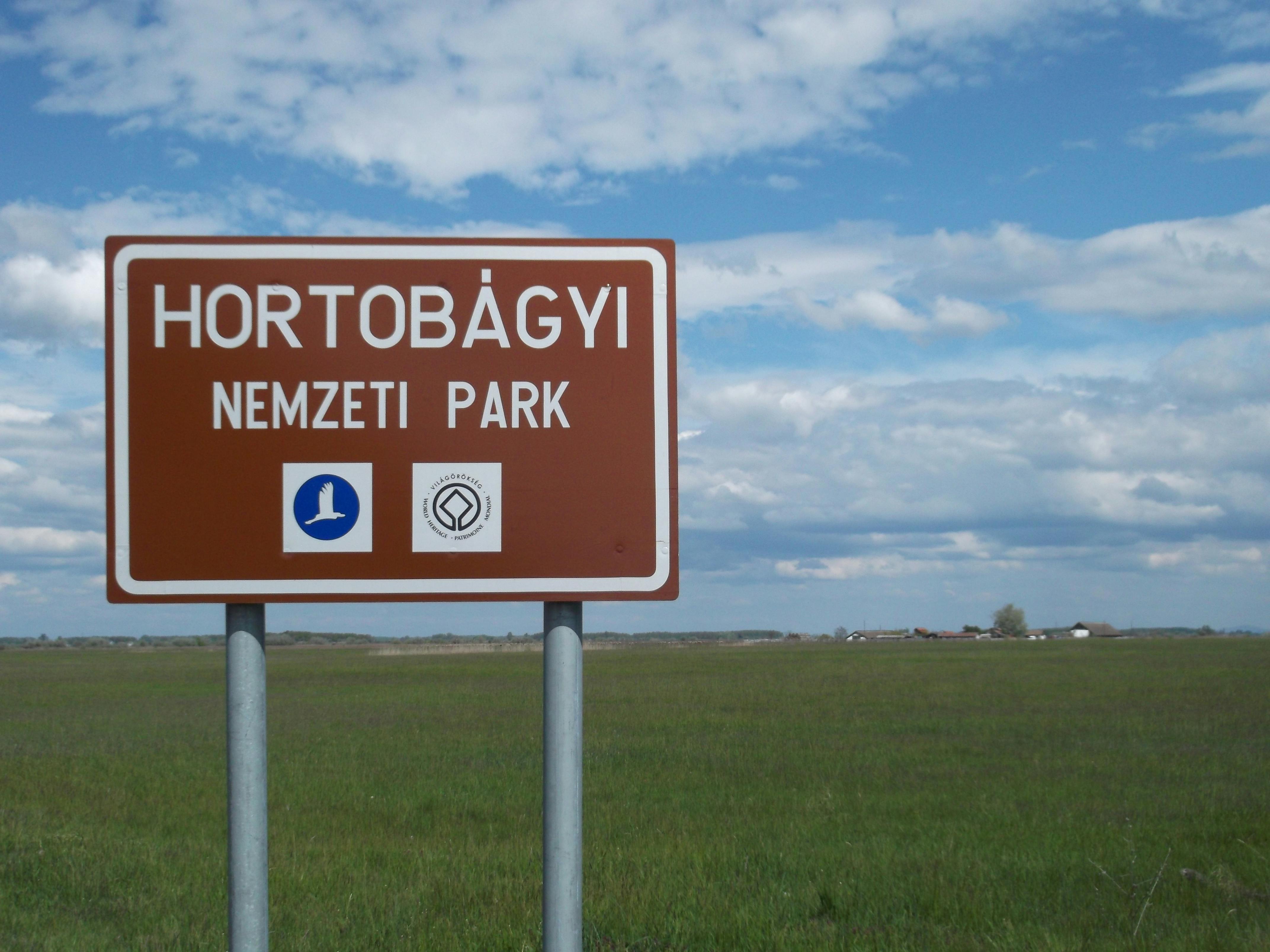
Nearby & Day Trip: Déri Museum three minutes away; Calvinist College and historic library; Great Forest Park and thermal baths; Hortobágy National Park about one hour by road — makes a full-day trip to see the Great Plain and traditional herds.
Conclusion: Travel with Insight, Not Just Landmarks
Great Church stands as more than a landmark. It represents faith, survival through fire, and the moment a nation declared itself free. Its plain walls tell a story too — humility, focus, and strength without show. You may walk in expecting gold and frescoes, and find instead white space and quiet. That quiet matters. It invites you to listen rather than just look. What draws you to historic buildings — the architecture, the events that happened there, or the pause that stillness brings?