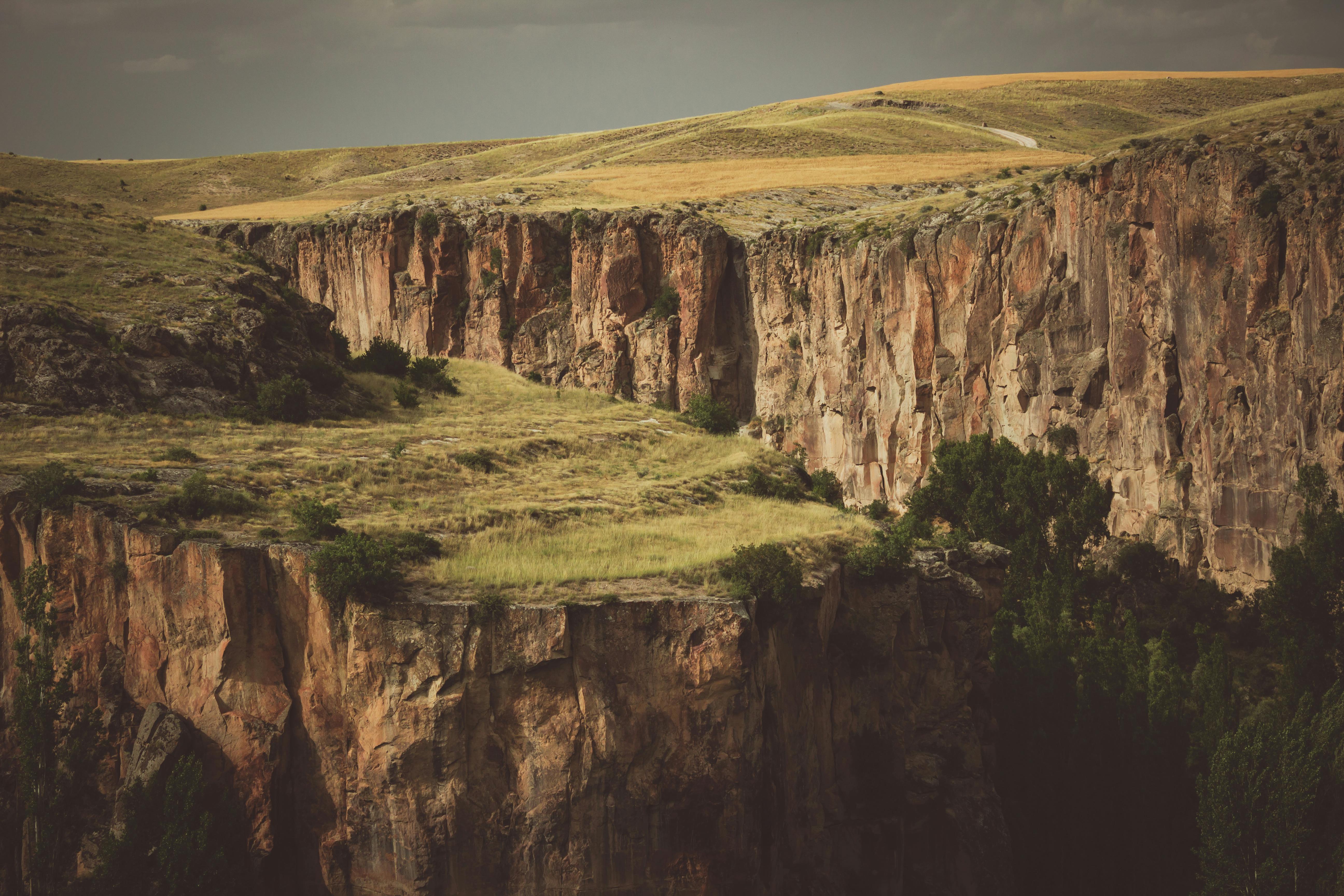
Ihlara Valley: Where Ancient Faith Meets River Serenity
The first light of dawn spills over Cappadocia's eastern rim, casting golden fingers across Ihlara Valley—a dramatic canyon carved by the Melendiz River that plunges 100–150 meters (328–492 feet) into volcanic tuff, its walls honeycombed with over one hundred rock-cut churches dating from the ninth to thirteenth centuries. You descend the stone staircase from Ihlara village, the air cool and fragrant with wild mint and poplar leaves, as the gentle rush of the river mingles with birdsong echoing through the gorge. Along the 14-kilometer (8.7-mile) trail, Byzantine frescoes glow in chapels carved directly into the cliff face: Christ Pantocrator gazes down in serene authority, saints stand in solemn procession, and biblical narratives unfold in lapis lazuli and ochre that have survived iconoclasm, earthquake, and time. This is not merely a hiking trail; it is a pilgrimage through living history, where early Christian monks sought refuge from persecution and created a spiritual sanctuary that transcends centuries. Standing beside the Melendiz River, surrounded by art that has witnessed empires rise and fall, you understand why this place matters: it reminds us that faith, expressed through beauty, can outlast even the most formidable forces of history—and that sometimes, the most profound journeys unfold not on mountain peaks, but in the quiet embrace of a river-carved valley.
Why Ihlara Valley Embodies Spiritual Harmony
The Ihlara Valley represents one of humanity's most elegant solutions to a fundamental need: creating sacred space within a landscape of natural protection. During the Byzantine era, particularly between the 9th and 13th centuries, Christian monks carved over one hundred churches, chapels, and monastic cells directly into Cappadocia's soft volcanic tuff—a geological formation of compressed ash and pumice that is soft enough to sculpt yet durable enough to endure. This architectural approach solved the critical problem of establishing visible places of worship while maintaining security during periods of iconoclastic persecution and regional instability.
Technically, the valley showcases extraordinary engineering ingenuity. Artisans used simple iron tools to excavate chambers up to 8 meters (26 feet) high, creating vaulted ceilings that distribute weight naturally through the rock. The famous Ağaçaltı Church employs sophisticated fresco techniques: mineral pigments mixed with egg tempera were applied to dry plaster, creating colors that have retained vibrancy for over a millennium. Materials were entirely local: volcanic tuff for structure, natural mineral pigments (ochre, lapis lazuli, cinnabar) for painting, and beeswax for protective coatings. The valley's hydrology—fed by the Melendiz River flowing 14 kilometers through the canyon—provided both practical sustenance and spiritual symbolism, with water representing purification and renewal in Byzantine theology.
Beyond its architectural achievement, Ihlara Valley fulfilled a profound spiritual need: creating a self-sustaining monastic community where prayer, study, and artistic devotion could flourish in harmony with nature. The complex included living quarters, refectories, wine presses, and burial chambers—forming a complete ecosystem of faith integrated with the river's rhythm. Today, as visitors walk its sun-dappled pathways and gaze upon frescoes that have inspired worshippers for a millennium, the valley continues its original purpose: inviting the human heart to encounter the divine through the enduring language of beauty, water, and stone.
The Best Time to Experience Ihlara Valley
Timing your visit to Ihlara Valley requires balancing light conditions, water levels, and seasonal crowds for the optimal hiking and cultural experience. The ideal window runs from April 15–June 12 and September 15–October 31, when Cappadocia's temperatures hover between 12–24°C (54–75°F), the Melendiz River flows at moderate levels ideal for riverside walking, and the angle of sunlight creates ideal conditions for appreciating the frescoes' vibrant colors without harsh glare or deep shadow.
For the most contemplative experience, arrive at 8:00–9:00 AM when the valley entrance opens. This is when the trail is least crowded, allowing you to study the intricate details of the Ağaçaltı Church frescoes or the Yılanlı Church's serpent motif in peaceful solitude. Morning light filtering through the canyon enhances the gold leaf and lapis lazuli pigments without causing reflection. Alternatively, visit between 3:00–5:00 PM when afternoon sun casts warm tones on the valley walls, creating spectacular photography opportunities against the lush greenery. The valley operates daily from 8:00 AM to 7:00 PM (April–October) or 5:00 PM (November–March).
Avoid July 15–August 31 if possible: temperatures climb to 28–35°C (82–95°F), and while the canyon provides shade, the trail can feel strenuous in peak heat. Also skip Turkish national holidays (April 23, August 30, October 29) when domestic tourism surges, creating queues at the entrance. Spring snowmelt (March) can raise river levels, making some riverside paths temporarily inaccessible; check conditions before visiting.
Approximate Budget for a 7-Day Trip
Cappadocia offers exceptional value for cultural and adventure travelers, with costs remaining moderate despite recent inflation. The following budget assumes mid-range travel with comfortable cave-hotel accommodations in GüzelYurt or nearby Göreme, quality Turkish cuisine, and comprehensive sightseeing including Ihlara Valley exploration. All prices reflect current rates in euros (€1 ≈ 35 Turkish Lira).
Accommodation: €60–€130 per night
• Budget cave pension in GüzelYurt: €35–€55/night
• Mid-range cave hotel (3-star): €60–€95/night
• Luxury cave suite with valley view: €130–€220/night
7 nights total: €420–€910
Food: €22–€45 per day
• Breakfast: €5–€8 (Turkish tea, simit, menemen, olives, feta)
• Lunch: €7–€14 (testi kebab, lentil soup, pide, fresh salads)
• Dinner: €12–€25 (mezze platter, grilled lamb, stuffed eggplant)
• Street food/snacks: €3–€5 (simit, baklava, Turkish coffee)
7 days total: €154–€315
Transportation:
• Airport transfer (Nevşehir/Kayseri): €15 each way
• Local shuttle/taxi rides: €3–€8 per trip
• Car rental (optional): €35/day
• Guided valley tour: €25/day
7 days total: €95–€160
Attractions:
• Ihlara Valley entrance: €8
• Boat ride on Melendiz River: €10
• Göreme Open-Air Museum: €12
• Underground city (Selime): €5
• Pottery workshop in Avanos: €15
• Hot air balloon flight: €180–€250
Total: €230–€300
Miscellaneous:
• Travel insurance (adventure coverage): €40
• Souvenirs (ceramics, textiles, evil eye): €30–€90
• SIM card (10GB data): €12
• Tips for guides: €20–€40
Total: €102–€182
TOTAL 7-DAY BUDGET: €1,001–€1,867
7 Essential Ihlara Valley Experiences
1. Descend from Ihlara Village Entrance: Begin your journey at the main entrance near Ihlara village, where a carved stone staircase leads down into the canyon. Pause at the top to photograph the valley unfolding below: lush poplars lining the Melendiz River, rock-cut churches dotting the cliff faces, and the trail winding ahead. Arrive at opening time (8:00 AM) to experience the pathway in peaceful solitude, with soft morning light illuminating the volcanic rock's natural hues of rose, ochre, and ash.
2. Explore Ağaçaltı (Sümbüllü) Church: Approximately 1.5 kilometers from the entrance, locate the valley's most celebrated chapel, named for the hyacinth motifs adorning its walls. Inside, Byzantine frescoes glow with astonishing vibrancy: Christ Pantocrator gazes down in serene authority, while scenes from the Life of Christ unfold in lapis lazuli and gold leaf. Stand quietly and allow your eyes to adjust—the dim lighting reveals details invisible in bright sun. The church's acoustics amplify whispered prayer; speak softly to preserve the contemplative ambiance.
3. Hike the Riverside Trail: Follow the marked path alongside the Melendiz River, where the sound of flowing water creates a meditative backdrop for your journey. The trail winds through lush vegetation—poplars, willows, and wild mint—providing natural shade even in summer. Stop at viewpoints to photograph the contrast between the verdant valley floor and the golden cliff faces above. Allow 2–3 hours for the full 4-kilometer stretch to Selime; wear sturdy shoes for uneven stone paths.
4. Study the Yılanlı Church Frescoes: Near the trail's midpoint, find the Church of the Serpent (Yılanlı Kilise), named for a striking fresco depicting Saint George slaying a dragon-like serpent. This narrative scene, rare in Cappadocian art, reflects the region's exposure to diverse theological influences. The church's simple, single-nave design contrasts with more elaborate neighboring structures, illustrating the evolution of monastic architecture. Bring a small flashlight to illuminate details in shadowed corners.
5. Cross the Historic Stone Bridge: Approximately 3 kilometers from the entrance, locate the Ottoman-era stone bridge spanning the Melendiz River. This elegant arch, built in the 16th century, connects the valley's eastern and western trails and offers a perfect photo opportunity: the bridge framed by cliff-side churches and lush greenery. Pause here to listen to the river's rhythm and watch dragonflies dart above the water's surface.
6. Visit Selime Monastery at Trail's End: Conclude your hike at Selime, where a massive rock-cut monastery complex crowns the valley's northern rim. Climb the final ascent to explore chapels, living quarters, and a cathedral carved directly into the cliff. From Selime's terrace, enjoy panoramic views of Ihlara Valley stretching southward—a rewarding perspective after your riverside journey. Allow 45 minutes to explore this architectural marvel.
7. Reflect by the Melendiz River: Before departing, find a quiet spot beside the river to contemplate your journey. The water's gentle flow, the scent of wild mint, and the distant call to prayer from Ihlara village create a multisensory moment of connection. This space, often overlooked by hurried travelers, provides the perfect conclusion to your exploration—a reminder that beauty, created with intention, can outlast empires.
3 Hidden Gems Most Travelers Miss
• Kokar Church's Fragrant Frescoes: Tucked along a side path 2 kilometers from the entrance, Kokar Church (Fragrant Church) derives its name from the aromatic plants that once grew around its entrance. Inside, well-preserved frescoes depict the Ascension of Christ in vivid blues and golds. Access: Follow the marked side trail; ask staff for directions. Best viewed mid-morning when light from the western window illuminates the fresco's delicate details. A quiet moment here offers insight into the personal devotion of individual monks.
• The Ancient Water Mill: Near the historic stone bridge, a rock-cut water mill—used by monastic communities to grind grain—remains largely unvisited. The stone channels and millstone demonstrate the integration of daily labor with spiritual practice. Access: Follow the path beyond the bridge; allow 10 minutes round-trip. Visit late afternoon when the setting sun casts dramatic shadows across the carved stone. This functional artifact connects visitors to the lived experience of monastic life.
• Belisırma Village's Riverside Cafés: At the valley's southern exit, the small village of Belisırma offers family-run cafés with terraces overlooking the Melendiz River. Most hikers depart immediately after reaching Selime, missing this charming spot to rest and enjoy traditional Turkish tea or fresh river fish. Access: Continue 500 meters beyond Selime to Belisırma; cafés open 9:00 AM–6:00 PM. Visit mid-afternoon when the light enhances the river's turquoise hues—and try the local specialty: trout grilled with thyme and lemon.
Cultural & Practical Tips
• Dress modestly and comfortably: As a site of religious heritage, Ihlara Valley requests respectful attire. Shoulders and knees should be covered; comfortable walking shoes with good grip are essential for uneven stone pathways and riverside sections. The canyon can be cool even in summer—bring a light layer.
• Photography guidelines: Photography is permitted in most areas without flash, but prohibited inside some churches to protect fragile frescoes. Tripods and selfie sticks are not allowed in narrow passages. The phrase "Fotoğraf çekebilir miyim?" (foh-toh-raf cheh-keh-bee-leer mee-yim) means "May I take a photo?" Always respect staff instructions regarding restricted areas.
• Stay on marked trails: The valley's ecosystem is fragile; erosion from foot traffic can damage both vegetation and archaeological sites. Stick to designated paths to protect the environment and your safety—unmarked areas may have unstable ground or hidden cavities.
• Hydrate and protect from sun: Cappadocia's continental climate means intense sun exposure even in shaded canyons. Carry at least 2 liters of water per person for the full hike, use broad-spectrum sunscreen (SPF 30+), and wear a hat. Dehydration can occur quickly in the dry air.
• Learn essential Turkish phrases: "Teşekkür ederim" (teh-shek-kur eh-deh-rim) = Thank you; "Vadi çok güzel" (vah-dee chok gew-zel) = The valley is very beautiful; "Su nerede?" (soo neh-reh-deh) = Where is water? Attempting Turkish shows respect and often sparks warm interactions with local guides and café owners.
• Combine with nearby attractions: Ihlara Valley is 30 minutes from the underground city of Selime and 45 minutes from Göreme. Plan a full-day itinerary: valley hike in the morning, lunch in Belisırma, afternoon exploration of Selime Monastery. This balance of natural and cultural experiences maximizes your Cappadocia adventure.
• Support conservation efforts: The valley's frescoes are fragile; avoid touching walls, stay on marked paths, and follow all posted guidelines. Consider contributing to preservation funds at the exit shop—your support helps protect these irreplaceable artworks for future generations.
Conclusion: Travel with Reverence, Not Just Curiosity
The Ihlara Valley demands more than casual hiking—it asks for reverence. As you walk beside the Melendiz River, watching light dance across frescoes that have inspired prayer for a millennium, remember that you are not merely a visitor but a witness to devotion carved in stone. This sacred canyon offers a narrative of resilience: faith expressed through beauty, community sustained through shared purpose, art preserved through careful stewardship.
Travel here with intention. Move slowly through the dim churches, allowing your eyes to adjust to the frescoes' subtle radiance. Listen to the river's gentle rhythm, the faint echo of footsteps on stone, the distant call to prayer from Ihlara village. Support conservation by respecting all guidelines and contributing to preservation efforts. These small acts of mindfulness accumulate into something larger than sightseeing—they become participation in safeguarding a fragile link to our shared human heritage.
Ihlara Valley will outlast us all, its rock-cut chambers continuing to shelter beauty while cradling centuries of memory. Your visit should honor that continuity, supporting the delicate balance between access and preservation that allows future generations to experience this wonder. Slow down. Look closely. Let the serene gaze of Christ Pantocrator remind you that some truths are best communicated not in words, but in light and color and stone. That is how you truly experience Ihlara Valley.