
Kaçkar Mountains: Where Alpine Wilderness Meets Ancient Highland Culture
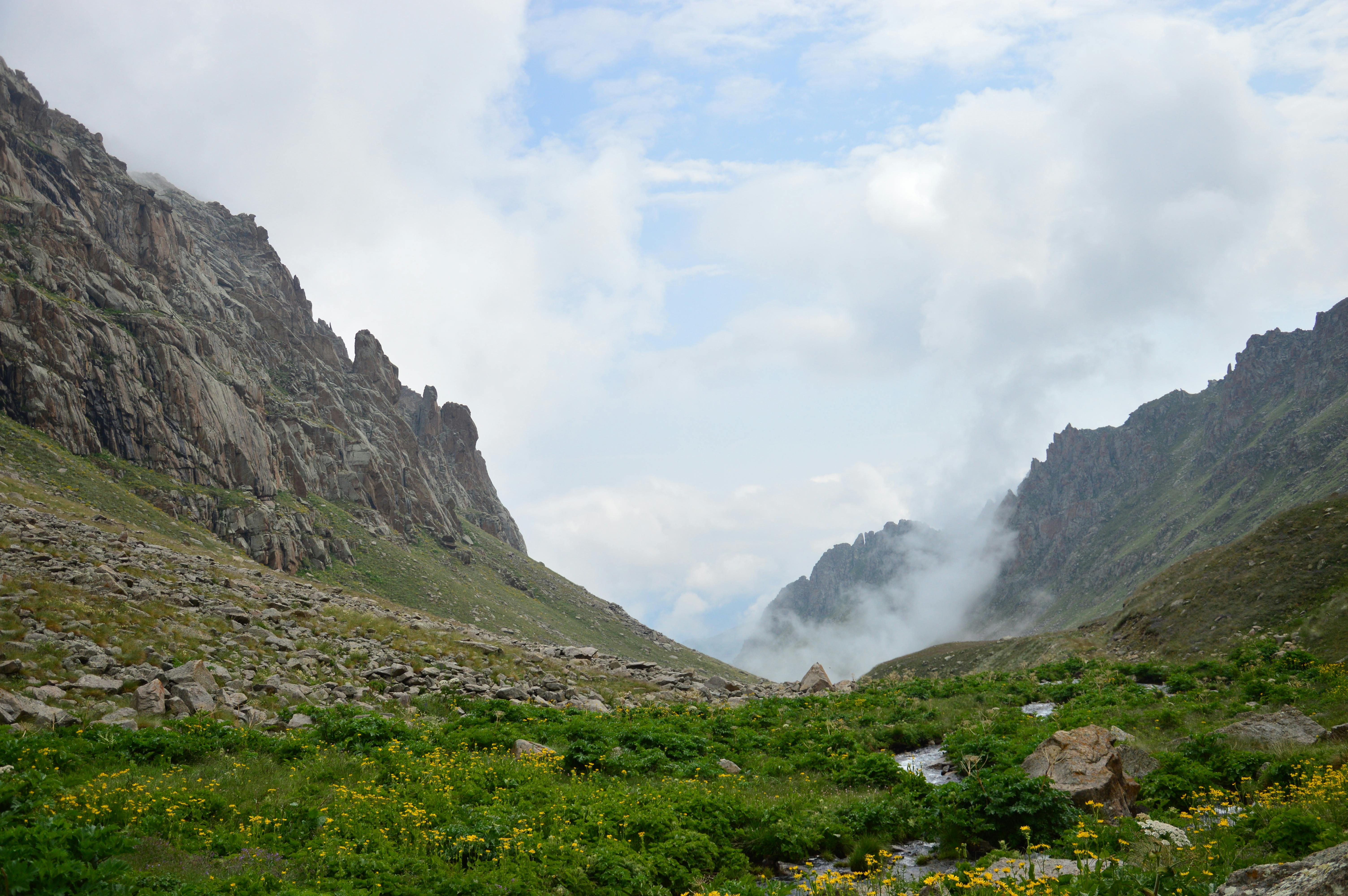
The first light of dawn breaks over the eastern Pontic range as mist curls through ancient fir forests, settling over Kaçkar Mountains like a soft veil at elevations ranging from 1,000 to 3,937 meters in Turkey's verdant Rize and Artvin provinces. The air carries the scent of pine resin, wild rhododendrons, and damp earth warmed by emerging sunlight. You stand on a rocky ridge where the only sounds are the distant rush of mountain streams, the call of golden eagles circling above granite peaks, and the soft whisper of wind through highland meadows. Before you stretches a dramatic landscape of jagged summits, glacial valleys, and emerald pastures dotted with traditional wooden yayla settlements—dark timber frames with red-tiled roofs clinging to slopes that have sheltered pastoral communities for over a millennium. The highest peak, Kaçkar Dağı at 3,937 meters, pierces the sky with snowfields that persist through summer, while lower elevations burst with endemic flora found nowhere else on Earth. Kaçkar Mountains matter because they embody Turkey's last great wilderness—a place where traditional transhumance culture thrives alongside pristine alpine ecosystems, where challenging treks reward with unparalleled vistas, and where travelers can reconnect with the raw beauty of untouched mountain landscapes while discovering one of the country's most authentic adventure destinations.
Why Kaçkar Mountains Embodies Untamed Alpine Beauty
Kaçkar Mountains represent far more than a trekking destination—they embody the extraordinary synthesis of geological drama, ecological richness, and cultural continuity that defines Turkey's northeastern highlands. This rugged range, part of the eastern Pontic Mountains stretching parallel to the Black Sea coast, solves fundamental challenges of mountain living: providing seasonal grazing for livestock through the ancient yayla tradition, creating natural water collection systems from abundant precipitation, and offering sheltered valleys that protect communities while maintaining access to lower-elevation settlements.
The landscape's natural engineering is remarkable. The range features over twenty peaks exceeding 3,000 meters, with Kaçkar Dağı (3,937 meters/12,917 feet) as the crown jewel. Glacial activity during the Pleistocene carved deep U-shaped valleys, cirques, and tarns that now hold crystal-clear alpine lakes. The region receives 2,000-3,000 millimeters of annual precipitation, creating dense forests of Oriental spruce, Caucasian fir, and rhododendron ponticum below 2,200 meters, while alpine meadows above support endemic species like the Kaçkar buttercup and Pontic gentian. Traditional wooden architecture demonstrates sophisticated adaptation: yayla settlements feature elevated foundations to prevent moisture damage, steep roofs to shed heavy snowfall, and thick walls that maintain comfortable temperatures despite temperature swings of 25°C between day and night.
What makes Kaçkar unique is its cultural-ecological integration: the yayla tradition of seasonal transhumance—moving livestock between lowland winter pastures and highland summer meadows—has shaped this landscape for over a millennium while maintaining biodiversity. Local communities practice sustainable grazing that prevents forest encroachment on meadows, creating a mosaic habitat that supports brown bears, wolves, Caucasian lynx, and over 200 bird species. The mountains' relative inaccessibility—requiring multi-day treks to reach remote valleys—has preserved both natural ecosystems and traditional ways of life. This convergence of wilderness adventure, cultural authenticity, and ecological significance—where granite peaks meet forested slopes, where hospitality meets environmental stewardship—creates a mountain experience that speaks to both the adventurous spirit and the conscious traveler.
The Best Time to Experience Kaçkar Mountains
To experience Kaçkar Mountains at their most rewarding, plan your visit between June 15–July 25 or September 1–October 10, when daytime temperatures at trekking elevations (2,000-3,000 meters) range from 12-22°C (54-72°F) and alpine meadows bloom with wildflowers or glow with autumn gold. During these windows, you'll enjoy stable weather for multi-day treks, clear views of high peaks, and comfortable conditions for camping without summer's afternoon thunderstorms or winter's snow closures.
For optimal photography of mountain vistas and alpine flora, arrive at high passes at 6:00–7:30 AM when morning light strikes eastern faces and mist often creates dramatic atmospheric effects in valleys below. Alternatively, position yourself at viewpoints at 5:30–7:00 PM during golden hour when granite peaks transform into warm amber tones and long shadows emphasize the landscape's dramatic relief. The mountains' color palette shifts dramatically throughout the day—from cool blue-gray at dawn to vibrant green at midday to copper-gold at sunset—making timing crucial for capturing their full beauty.
Avoid the peak summer period of July 28–August 20 when afternoon thunderstorms become frequent, trails grow crowded with domestic tourists, and temperatures at lower elevations can exceed 30°C (86°F), making ascent uncomfortable. While summer offers the most reliable snow-free conditions, the experience can feel less wild. Winter months (November–April) bring extreme conditions: temperatures drop to -20°C to -5°C (-4°F to 23°F) at altitude, heavy snowfall closes access roads, and avalanche risk makes trekking dangerous without specialized equipment and guides. While winter mountaineering offers dramatic experiences, it requires advanced skills and preparation.
Approximate Budget for a 7-Day Trip
Visiting Kaçkar Mountains requires basing yourself in Çamlıhemşin, Yusufeli, or Artvin, with multi-day trekking itineraries into the highlands. The following budget assumes moderate adventure travel style—simple guesthouses or camping, hearty local dining, and a mix of public transportation and occasional private transfers or guide services. Prices are listed in euros for international travelers, though Turkey uses the Turkish Lira (₺).
- Accommodation: €28–€52 per night in Çamlıhemşin or Artvin. Budget pensions start at €22; boutique wooden guesthouses with mountain views run €55-85. Camping at designated yayla sites: €5-10 per night for basic facilities.
- Food: €14-21 per day total. Breakfast: €4-6 for traditional Turkish breakfast with menemen, Rize honey, local cheese, and çay. Lunch: €4-7 for trail meals like pide, dried fruits, nuts, and regional specialties at mountain guesthouses. Dinner: €7-11 for sit-down meals featuring mountain trout, kuymak (cheese fondue), baklava, and ayran.
- Transportation: Round-trip flight to Trabzon or Erzurum airports from Istanbul: €62-135. Airport shuttle to mountain gateway towns: €8. Local dolmuş within region: €0.50 per ride. Private transfer to trailheads: €25-40 round-trip. Car rental: €35/day (4WD recommended).
- Attractions: Kaçkar trekking permit: Free. Guided multi-day trek: €45-65 per day. Ayder Plateau access: Free. Palovit Waterfall: €4. Thermal spring experience: €8.
- Miscellaneous: Handwoven Pontic wool blanket: €40-110. Local mountain honey: €8/jar. Traditional wooden crafts: €18-50. Trekking map and guidebook: €15.
Total 7-Day Budget: €445–€640 per person (excluding international flights to Turkey)
7 Essential Kaçkar Mountains Experiences
- Trek to Kaçkar Summit via Standard Route: Embark on the classic 3-4 day ascent of Kaçkar Dağı (3,937 meters) from the Yukarı Kavron valley. The route gains approximately 2,200 meters elevation, passing alpine meadows, glacial tarns, and rocky ridges before reaching the snow-dusted summit. Start from Çamlıhemşin, spend night one at Kavron Yaylası (2,200 meters), night two at high camp (3,200 meters), summit at dawn on day three. Best attempted June–September with experienced guide. Bring layered clothing, sturdy boots, and prepare for rapid weather changes.
- Explore Alpine Meadows at Dawn: Rise before sunrise to walk the highland pastures between 2,000-2,800 meters when wildflowers—Kaçkar buttercups, Pontic gentians, and endemic rhododendrons—glow with morning dew. The meadows come alive with bird song, grazing livestock, and the scent of thyme warmed by emerging light. Position yourself on eastern slopes at 6:00–7:30 AM for optimal photography. Bring a macro lens for flower details and wide-angle for landscape context.
- Experience Traditional Yayla Hospitality: Visit a family-run yayla settlement to witness seasonal transhumance culture firsthand. Many communities welcome respectful visitors for tea and conversation, sharing stories of highland life, traditional cheese-making, and ancestral migration routes. Look for settlements near Ayder, Çat, or Yukarı Kavron. Best visited mid-morning (10:00 AM–12:00 PM) when daily chores allow time for cultural exchange. A small gift or purchase supports local livelihoods.
- Photograph Glacial Lakes at Golden Hour: Position yourself at alpine tarns like Karagöl or Küçük Deniz Gölü at 5:30–7:00 PM when still water mirrors surrounding peaks and the setting sun paints granite faces in warm tones. These high-elevation lakes (2,500-3,200 meters) offer exceptional reflection photography when winds are calm. Use a polarizing filter to enhance water color and reduce glare. Arrive early to secure unobstructed viewpoints.
- Traverse the Verçenik Plateau Circuit: Hike the 25-kilometer loop connecting Verçenik Yaylası, Çat Valley, and surrounding high passes, gaining and losing approximately 1,200 meters elevation over 2-3 days. This moderate trek showcases diverse landscapes: forested valleys, flower-filled meadows, rocky ridges, and panoramic summit views. Start from Artvin province, camp at designated yayla sites, and hire a local guide for route-finding and cultural context. Best attempted June–September.
- Observe Wildlife at Dusk: Find a quiet overlook at 6:00–8:00 PM to watch for brown bears, Caucasian lynx, chamois, and golden eagles that inhabit the Kaçkar ecosystem. Bring binoculars and a field guide; maintain silence and distance to avoid disturbing animals. The best wildlife viewing occurs in early summer when young animals are active and vegetation provides cover. Consider hiring a local naturalist guide who knows animal habits and safe viewing practices.
- Camp Under Alpine Stars: Spend a night at 2,500+ meters elevation to experience the Kaçkar's exceptional dark skies, free from light pollution. The Milky Way arcs brilliantly overhead; meteor showers are visible year-round. Camp at designated yayla sites with permission from local communities. Bring a warm sleeping bag rated to -5°C (23°F), as mountain nights remain cold even in summer. Practice Leave No Trace principles to preserve this pristine environment.
3 Hidden Gems Most Travelers Miss
- The Ancient Stone Shepherd Shelters: Scattered across high passes between 2,400-3,000 meters, traditional dry-stone shelters built by transhumant shepherds offer tangible connection to centuries of mountain pastoral life. These unmarked structures feature sophisticated construction techniques unchanged for generations. Access: From the Kavron Valley trail, follow faint paths upward toward high passes; shelters appear as low stone circles against meadows. Best photographed late afternoon (4:00–5:30 PM) when side-lighting reveals stonework. No facilities; bring water and practice Leave No Trace principles.
- The Hidden Rhododendron Valley: A lesser-marked side valley branching from the main Çat route contains dense stands of rhododendron ponticum, the endemic Pontic rhododendron that blooms in spectacular pink and purple clusters from late June through July. Most trekkers overlook this feature because it's not on standard itineraries. Access: From Çat Yaylası, follow the eastern tributary stream for 2 kilometers; look for the valley opening where rhododendrons dominate the understory. Best visited mid-morning (9:00–11:00 AM) when light penetrates the forest canopy. No entrance fee; allow 45 minutes to explore respectfully.
- The Dawn Eagle Nest Viewpoint: A rocky outcrop on the northern ridge above Yukarı Kavron, known locally as "Kartal Gözlem Noktası" (Eagle Observation Point), offers exceptional opportunities to observe golden eagles and bearded vultures nesting in nearby cliffs. The spot is rarely visited by tourists focused on summit attempts. Access: From Kavron Yaylası, follow the ridge path northward for 800 meters to a prominent rocky perch. Best visited at dawn (5:30–7:00 AM) when raptors are most active. Bring binoculars and maintain silence to avoid disturbing nesting birds. No entrance fee.
Cultural & Practical Tips
- Respect the Alpine Environment: Kaçkar's wilderness depends on careful preservation. Stay on marked trails to protect fragile alpine vegetation, pack out all trash, and avoid disturbing wildlife. The mountains' ecosystems recover slowly from disturbance—every visitor's choices matter. Speak quietly to maintain the tranquil atmosphere that defines the highland experience.
- Weather Preparedness: The Pontic Mountains create unpredictable conditions: morning fog often burns off by midday, afternoon thunderstorms develop rapidly in summer, and temperatures can drop 15°C suddenly at elevation. Pack layers, rain protection, and sun protection regardless of season. Mountain weather changes faster than forecasts—always carry emergency shelter.
- Essential Phrases: "Teşekkür ederim" (teh-shek-kür eh-deh-rim) = Thank you; "Kaçkar Dağları nerede?" (kach-kar dah-lah-ruh neh-reh-deh) = Where are the Kaçkar Mountains?; "Ne kadar?" (neh kah-dar) = How much?; "Hoş geldiniz" (hosh gel-din-iz) = Welcome.
- Photography Guidelines: Photography is permitted throughout the region. Tripods are allowed but must not obstruct trails. Drone photography requires advance permission from provincial authorities (contact: rize.kultur@ktb.gov.tr or artvin.kultur@ktb.gov.tr). The best light for mountain photography is early morning (6:00–8:00 AM) and late afternoon (5:00–7:00 PM).
- Cultural Sensitivity: Kaçkar is a living landscape, not just a wilderness playground. Respect yayla communities: dress modestly in settlements, ask permission before photographing residents or livestock, and support local businesses. Learn a few words of Turkish or local dialects—effort is appreciated even if pronunciation isn't perfect.
- Safety Considerations: Trekking in Kaçkar requires preparation: carry detailed maps, inform someone of your itinerary, and hire local guides for remote routes. Mobile coverage is limited above 2,000 meters. Carry emergency supplies: first aid kit, extra food, water purification, and warm layers. Check weather forecasts daily; turn back if conditions deteriorate.
- Understand the Context: Kaçkar Mountains represent both natural wilderness and cultural heritage. Approach the region with curiosity about yayla traditions and respect for ongoing efforts to balance tourism with preservation. Consider hiring local guides who can explain the region's ecology, history, and pastoral practices while supporting community livelihoods.
Conclusion: Travel with Reverence, Not Just Checklists
Kaçkar Mountains invite you to do more than summit peaks and photograph vistas. This is a place to stand where granite meets sky, where ancient forests shelter endemic life, where traditional shepherds maintain rhythms unchanged for centuries. When you traverse alpine meadows at dawn, when you share tea with a family whose ancestors grazed these slopes for generations, when you watch eagles circle above glacial valleys, you participate in a continuity that transcends any single lifetime.
Travel to Kaçkar with reverence for the ecosystems that create this wilderness, for the communities that steward these highlands, for the delicate balance that allows both nature and culture to thrive. Respect the fragility of alpine environments—mountain ecosystems recover slowly from disturbance, and every footprint matters. Understand that the solitude you cherish depends on the restraint of every traveler who comes after you. Let the mountains' grandeur slow your pace, let their silence humble your expectations, and let the harmony of rock, forest, and sky remind you that the most profound journeys are those that deepen our connection to the wild world and our responsibility to preserve it for those who follow.