Levada Walks: Where Ancient Water Channels Meet Atlantic Forest Trails
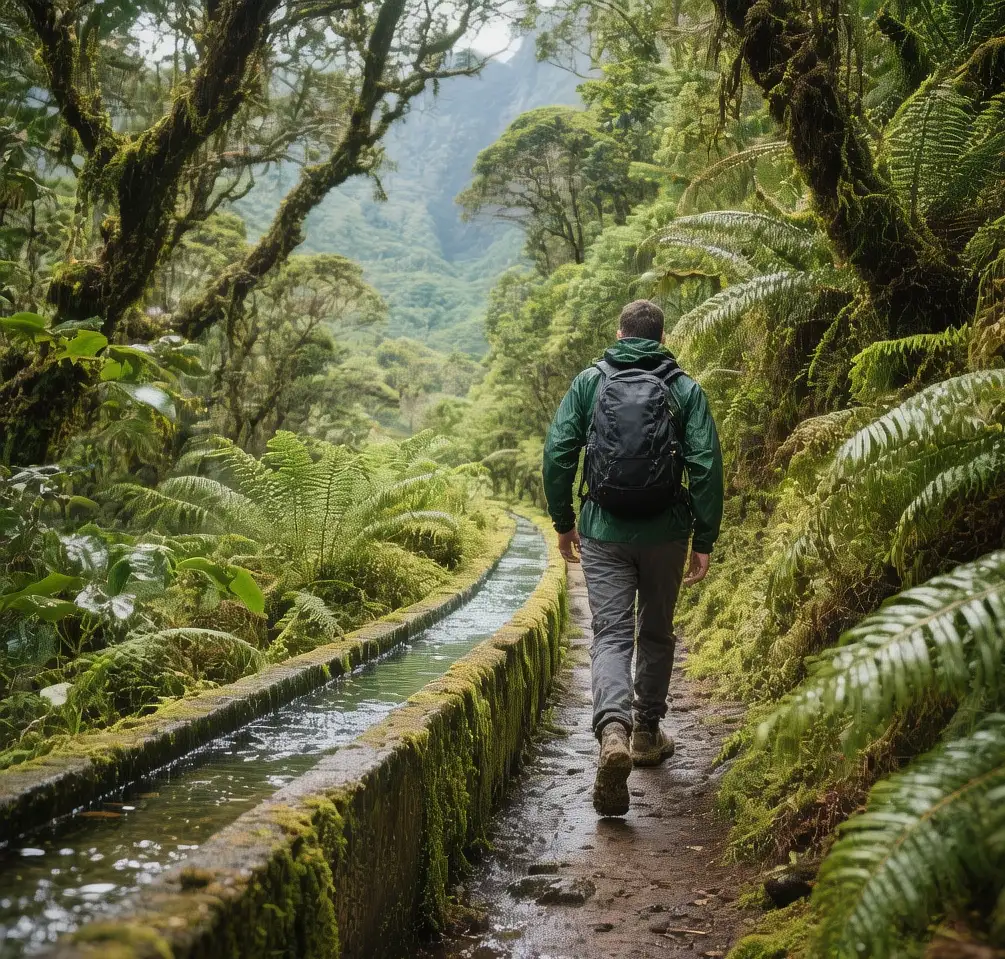
Levada Walks: Where Historic Channels Meet Mountain Forest
Walking beside the water channel at nine in the morning, cool air rises from the forest canopy. Water flows steadily alongside, narrow and clear, following a contour cut centuries ago. Sunlight filters through dense leaves, dappling moss-covered stone. You walk nearly level, barely climbing, yet the land falls sharply away to one side. Every few kilometres a small tunnel appears, dark and damp. You switch on a light and step carefully through. These paths follow contours set for irrigation, not sightseeing. They lead where roads never reach, through forest that has stood almost unchanged since the sixteenth century.
Why Levada Walks Matters
Levadas began as irrigation channels built from the 1400s onward. Settlers carried rainwater from the wet northern slopes to farmland in the drier south. They carved paths alongside for maintenance. Over two thousand kilometres of these routes exist today, forming one of Europe's most unusual hiking networks. Many trails pass through Laurissilva Forest, a UNESCO World Heritage site and one of the last surviving laurel forests on the continent. Walking here feels like stepping into an older world. Still, the system has real flaws. Popular trails become crowded in summer. Narrow sections force single-file walking, and bottlenecks form. Since 2026, most classified routes require advance booking and payment. You cannot simply turn up and walk. Rangers check permits at trailheads, and without one you will be turned away.
The Best Time to Experience Levada Walks
April through June and mid-September through October offer the best conditions. Air temperature sits between 17°C and 23°C (63°F to 73°F). Rain falls less often, and water levels in channels remain good from winter rains. July and August bring 22°C to 26°C (72°F to 79°F), but crowds swell and permits sell out days ahead. November through March brings cooler air around 16°C to 20°C (61°F to 68°F) and frequent rain. Trails become slippery and some close due to landslides. Waterfalls look impressive then, but fog often obscures views. Arrive before eight thirty in the morning. You walk in clear light and pass tunnels before groups form at the narrowest points.
Approximate Budget for a 7-Day Trip
Costs cover one person exploring levada walks and nearby areas.
- Accommodation: €40–€75 per night; €280–€525 total. Staying outside Funchal near trailheads saves travel time and money.
- Food & Drink: €12–€24 daily; €84–€168 total. Carry snacks and water; remote areas offer few options.
- Transport: Rental car €20–€35 daily; €140–€245 total. Bus service reaches some trailheads but runs infrequently and wastes hours.
- Permits & Fees: Most classified trails cost €4.50 each. Premium routes like PR1 cost €10.50. Budget roughly €35–€50 total for multiple walks.
- Miscellaneous: Rain jacket, headlamp, and supplies; €8–€15 daily; €56–€105 total.
Total estimated cost: €595 to €1,108
Guided levada tours charge €40–€60 per person. You pay far more than walking independently with a rental car and online permit. The guides rarely show anything you cannot find yourself.
Essential Levada Walks Experiences
- Walk PR6 Levada das 25 Fontes. Follow the channel through deep forest to a basin fed by many springs. Water drips from cliffs and gathers in clear pools. The round trip covers roughly nine kilometres. Skip if rain fell heavily within the past two days; the path becomes slippery and muddy.
- Traverse PR1 Pico do Arieiro to Pico Ruivo. Walk the island's highest ridgeline between two peaks. Views stretch across clouds and neighbouring valleys. Bring warm clothing; wind blows strong and temperatures drop sharply. Permit costs more and books weeks in advance.
- Explore PR18 Levada do Rei. Walk through forest toward the water source. The route feels quieter and sees fewer groups. You pass through varied vegetation and look down toward Santana's agricultural fields below.
- Walk PR9 Caldeirão Verde. Follow the levada through tunnels to a tall waterfall. The water drops one hundred metres into a green basin. Bring a headlamp; tunnels stay unlit and require care.
- Visit PR11 Levada do Balcões. Short, easy walk ending at a viewpoint high above the valley. You see central Madeira spread below in one broad sweep. The route suits half a morning or late afternoon.
- Walk through Laurissilva Forest at dawn. Choose any forested route. Mist rises among trees, and birds call loudly. You hear water flowing and feel the quiet that vanishes once groups arrive.
Hidden Gems Most Travelers Miss
- Levada do Moinho near Porto Moniz. Fewer visitors walk here. The route follows the northern slope and offers ocean glimpses. Permits cost less and availability stays easier.
- Forest trails around Ribeiro Frio beyond the main levadas. Smaller unmarked channels branch off through quieter woodland. Stay alert and keep the water in sight to avoid getting lost.
- Levada da Serra de Água. A gentler route through cultivated land and forest edges. You pass small villages and see how people still use levadas for daily life.
- PR1 and the ridgeline draw huge crowds and premium pricing. The view feels spectacular, but narrow paths mean bottlenecks and little space to pause. Many walkers find the experience overrated compared with quieter forest routes.
Cultural & Practical Tips
- Book permits three to seven days ahead. Popular routes sell out fast. You cannot pay at the trailhead. Rangers check QR codes and turn people away without them.
- Carry a headlamp and water. Many levadas pass through dark tunnels. Water stations rarely exist along the path. Dehydration causes trouble far more often than people expect.
- Respect the channel. Levadas still carry water people use. Do not wash, throw trash, or block the flow. Treat these routes as working infrastructure, not just footpaths.
- Watch your footing. Paths run narrow beside steep drops. Fog can roll in quickly and obscure edges. Many visitors walk too close to the channel or edge while distracted by scenery.
- Bus connections feel convenient but run slowly. Trailheads scatter widely. A rental car saves hours each day and lets you start early before crowds.
- Wear waterproof footwear. Even on dry days, spray from tunnels and dripping vegetation keeps ground damp. Wet socks make a long walk miserable.
Essential Visitor Information
Location & Access: Routes span Madeira island. Trailheads lie across all municipalities. By car: most routes reachable within 30–60 minutes from Funchal. By bus: limited service to major trailheads; often one daily round trip. By taxi: roughly €35–€65 one way from Funchal, depending on destination.
Tickets & Booking: Classified routes require permit booked online in advance. Standard routes €4.50. Premium routes like PR1 €10.50. No booking on site. Rangers check and may issue fines without valid permit.
Operating Hours: Trails open daylight hours only. No artificial lighting. Some routes close temporarily after heavy rain or landslides. Check status before travelling.
Visit Duration: Short walks: 1.5–2.5 hours. Moderate forest routes: 3–4 hours. Ridgeline routes: 5–6 hours. Plan accordingly; many routes lack exit shortcuts.
Family Suitability: Some easy routes suit older children. Narrow edges, tunnels, and exposure make most routes unsuitable for strollers or young children. Facilities rare at trailheads; carry supplies.
Timing: Best seasons April–June and September–October. Best times: before 08:30 or after 16:00. Avoid weekends and holidays.
Highlights: PR6 25 Fontes, PR1 Pico do Arieiro–Pico Ruivo, PR18 Levada do Rei, PR9 Caldeirão Verde, PR11 Balcões viewpoint.
Nearby & Day Trip: Funchal accessible year-round. Santana traditional houses near northern trailheads. Porto Moniz natural pools roughly 45 minutes from central forest routes. São Vicente caves fit same-day travel from many levada areas.
Conclusion: Travel with Respect, Not Just Photos
Levada walks offer something rare: pathways built by hand, over centuries, to serve both people and land. They are not purpose-built hiking trails. They remain working channels. Book ahead. Carry water and light. Walk quietly and leave no trace. Choose quieter routes alongside the famous ones. You see more and understand better. Would you walk the most popular route and queue for views, or find the levada where the forest stays truly quiet?
Post a Comment