Oceanário de Lisboa: Where Marine Conservation Meets Atlantic Architecture
Oceanário de Lisboa: Where Ocean Life Meets Portuguese Discovery
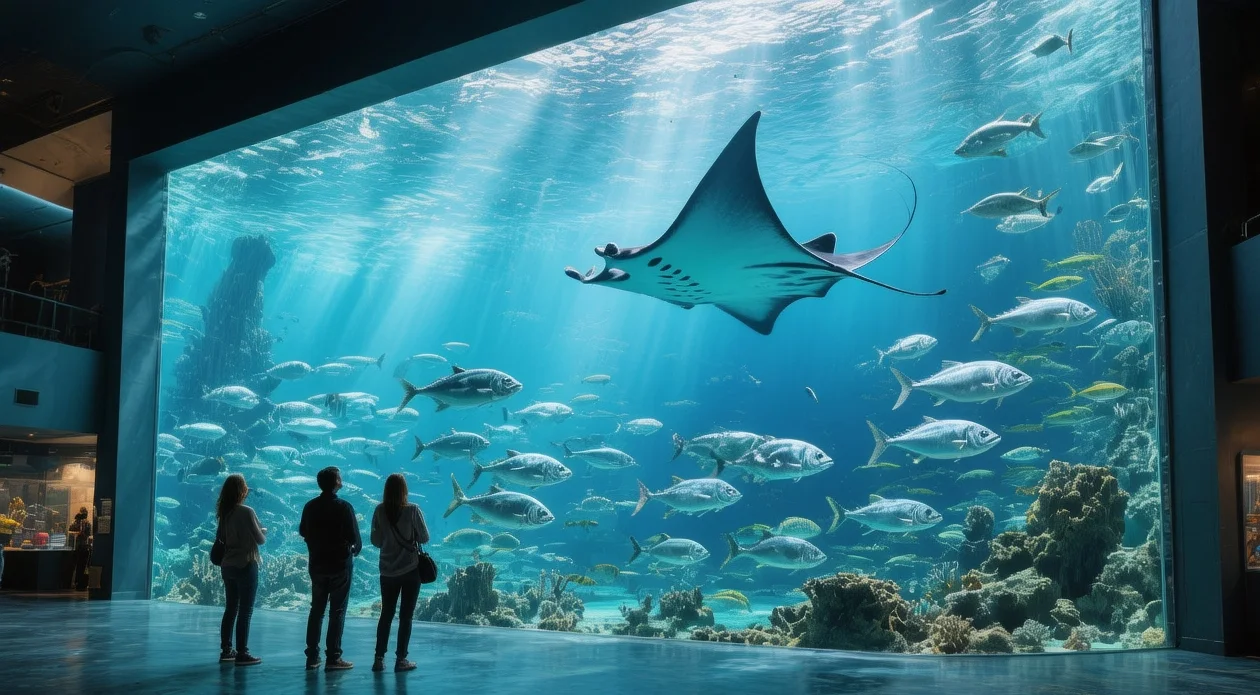
At 10:00 on a weekday morning, I pay €29 for an adult ticket and walk into the cool, dim entrance at Oceanário de Lisboa. Within minutes, the city noise has disappeared. A broad ray glides across the central tank, a shark passes behind it, and shoals of silver fish turn together like one moving sheet. The glass is so clear that it takes a moment to remember there is a wall between you and five million litres of water. This is not a quick photo stop. I spend nearly two hours circling the main aquarium, returning to the same viewing points whenever the larger animals appear. The building sits in Parque das Nações, a modern waterfront district far from Lisbon’s oldest streets. That distance matters. Oceanário de Lisboa works best as part of a half-day in the eastern city, rather than as a rushed addition to an Alfama sightseeing route. Tickets are not cheap, but the scale, layout, and calm atmosphere make the visit worthwhile, especially on a hot or rainy day.
Why Oceanário de Lisboa Matters
Oceanário de Lisboa opened for Expo 98, the international exhibition that helped turn Lisbon’s former industrial waterfront into Parque das Nações. Its design still feels linked to that moment: clean lines, open public spaces, and a strong focus on the sea. The aquarium’s central tank places several ocean habitats in one room, while the surrounding route moves through different environments, including the Antarctic, tropical reefs, and coastal ecosystems.
The cultural importance is less about old monuments and more about Portugal’s long relationship with the Atlantic. Lisbon grew through fishing, shipping, exploration, and trade, so an institution devoted to ocean life feels closely tied to the city’s identity. The conservation work and educational displays also give the visit more weight than a collection of decorative tanks.
Still, Oceanário de Lisboa is not perfect. Some exhibits are easier to appreciate with children than with adults seeking deep scientific detail, and the busiest rooms can feel crowded enough to interrupt the quiet mood. The entry price is another drawback. If you only have an hour in Lisbon, the aquarium may not be the best use of your money. With enough time, though, it remains one of the city’s strongest indoor attractions.
The Best Time to Experience Oceanário de Lisboa
For the most comfortable visit, choose midweek between late March and May 31, or from September 15 to October 31. Daytime temperatures usually sit around 17–25°C, or 63–77°F, and the waterfront is easier to enjoy before or after the aquarium. June 1 to September 14 brings warmer weather, generally 25–31°C, or 77–88°F, but July and August can bring large family crowds, especially between noon and 3:30 p.m.
November 1 to March 20 is cooler, with typical daytime temperatures around 12–18°C, or 54–64°F. This period can be excellent for a quieter visit, although rainy days may create queues inside the entrance. December holiday hours change, so check the schedule before travelling.
Arrive at opening time for the clearest views of the central tank, or enter after 4:00 p.m. when many school groups have left. Avoid Saturday and Sunday afternoons during school holidays. The late afternoon ticket is also the least expensive standard option.
Approximate Budget for a 7-Day Trip
The following estimate suits one adult travelling independently in Lisbon, with two nights or more planned around Parque das Nações and the rest of the city explored by public transport.
- Accommodation: €560–€980 for seven nights in a well-rated budget or mid-range room outside the most expensive central areas.
- Food: €245–€420 for cafés, bakeries, casual Portuguese meals, and a few sit-down dinners.
- Transport: €35–€60 for metro, buses, trams, and occasional rides from the airport.
- Attractions: €120–€190, including Oceanário de Lisboa, a castle visit, museums, and one paid day trip.
- Miscellaneous: €70–€140 for coffee, snacks, small purchases, and luggage storage.
Estimated total: €1,030–€1,790 per person for seven days.
Oceanário de Lisboa costs €25–€29 for most adults depending on the time slot, with online discounts sometimes available. The cable car combination ticket can be convenient, but it is often overpriced compared with buying only the aquarium ticket and walking through Parque das Nações. A supermarket breakfast and a meal at a local tasca can save considerably more than eating every meal beside the waterfront.
Essential Oceanário de Lisboa Experiences
- Circle the Central Aquarium: Walk around the main tank more than once. The view changes constantly as sharks, rays, groupers, and smaller fish move through different depths.
- Watch the Penguins: The penguin area is compact but lively, with clear underwater viewing points that work well for children.
- Find the Sea Otters: Their movements are quick and playful, so give yourself time rather than stopping for one hurried photograph.
- Explore the Coastal Habitats: Smaller tanks explain how shorelines, reefs, and open water support different forms of life.
- Read the Conservation Displays: These sections explain species protection and responsible choices without turning the visit into a lecture.
- Take the Waterfront Walk: After leaving, walk toward the Telecabine and Vasco da Gama Tower for a different view of the Tagus.
- Skip the busiest middle hours: If you dislike crowded viewing areas, skip a noon visit in July or August and choose the first or final available time slot.
Hidden Gems Most Travelers Miss
- Jardim do Passeio dos Heróis do Mar: A quiet waterfront promenade near the aquarium with wide views and fewer tour groups.
- Estação do Oriente side galleries: Santiago Calatrava’s station is often treated only as a transport stop, but its arches and changing light deserve a closer look.
- Jardins da Água: This landscaped area uses water features and shaded paths, making it a pleasant pause between attractions.
- Pavilhão do Conhecimento exterior: Even if you do not enter the science centre, its public spaces are useful for families needing a break.
- Marina promenade near the Vasco da Gama Tower: Go in the early evening for a calmer walk beside the boats.
- Telecabine waterfront station: The cable car ride is enjoyable, but the attraction itself is overrated when sold as a major Lisbon experience. The short waterfront walk offers better value.
Cultural & Practical Tips
- Keep your phone silent and avoid flash photography. Reflections and bright lights disturb both visitors and animals.
- Do not bring food or drinks into the exhibition areas. Eat before entering or use the nearby cafés afterward.
- Tourist mistake: arriving with large suitcases. Lockers are limited, and oversized luggage may not be accepted, so leave bags at your accommodation whenever possible.
- Tourist mistake: assuming the aquarium is beside Lisbon’s historic centre. Allow about 25–35 minutes from Baixa by metro, depending on your starting point.
- Wear comfortable shoes. The route involves standing, ramps, lifts, and repeated loops around the main tank.
- Content is available in Portuguese and English, which makes the visit easy for international travellers.
- Children under 12 must be accompanied by an adult, and babies up to age two enter free.
Essential Visitor Information
Location & Access: Oceanário de Lisboa is at Esplanada Dom Carlos I, s/nº, 1990-005 Lisboa, Portugal, in Doca dos Olivais, Parque das Nações. GPS coordinates are approximately 38.7636, -9.0936. It is about 7 km from Praça do Comércio and roughly 4 km from Lisbon Airport.
Three practical transport options are the Red Metro Line to Oriente followed by a 10–15 minute walk, city buses serving Parque das Nações, or a taxi and rideshare from central Lisbon. Driving is possible, with nearby car parks, but traffic and parking costs make the metro easier for most visitors.
Tickets & Booking: Standard adult tickets generally cost €25–€29, depending on the time slot. Children aged 3–12 pay approximately €15–€17, seniors pay approximately €17–€19, and children up to age two enter free. Booking is not always required, but it is recommended on weekends, during school holidays, and in July and August. Online tickets can also offer a small discount.
Operating Hours: Regular hours are 10:00 a.m. to 8:00 p.m. every day, with last entry at 7:00 p.m. Special hours apply around January 1, December 24, December 25, and December 31. Check the selected ticket time before travelling.
Visit Duration: Allow 90 minutes for the main route. Two hours is a better minimum if you want to pause at the central aquarium and read the displays. Families and photography enthusiasts may spend three hours.
Family Suitability: Children are welcome, and the aquarium works particularly well for ages three and up. Ramps and lifts make the route suitable for strollers and wheelchair users. Expect accessible toilets and changing facilities, but there is no dedicated breastfeeding area and no adult changing facility. Very large strollers or luggage can become awkward in crowded rooms.
Timing: The best seasons are spring and early autumn. Visit at 10:00 a.m. or after 4:00 p.m. for less crowding. On hot summer days, the aquarium is a useful midday escape, but the entrance queue may be longer.
Highlights: The central aquarium, penguin habitat, sea otter area, Antarctic displays, and rotating temporary exhibitions are the main reasons to visit.
Nearby & Day Trip: Nearby stops include the Telecabine cable car, Vasco da Gama Tower, Pavilhão do Conhecimento, and Estação do Oriente. A half-day combination is easy. A full day trip to Sintra is possible by train from Oriente, but it is too ambitious to combine comfortably with a detailed aquarium visit.
Conclusion: Travel with Ocean Awareness, Not Just Aquarium Photos
Oceanário de Lisboa is easy to enjoy at surface level: large tanks, unusual animals, and plenty of photographs. Give it more time, though, and the visit becomes a reminder of how much life depends on healthy oceans. I would not build an entire Lisbon holiday around it, especially if your budget is tight. I would include it on a rainy morning, a family day, or a slower itinerary through Parque das Nações. Book a late-afternoon slot, arrive by metro, and leave room for the waterfront walk afterward. Would you rather visit first thing for quiet viewing or finish the day beside the Tagus?
Post a Comment