
Pardubice Gingerbread: Where Medieval Spice Traditions Meet Bohemian Craft Soul
The scent of warm honey, cinnamon, and anise drifts through a sunlit workshop in eastern Bohemia, where wooden molds carved with saints, stars, and floral motifs rest beside trays of amber dough resting after weeks of patient curing. You watch as skilled hands press the spiced mixture into a 200-year-old pearwood mold, tap it firmly against the workbench, and release a perfectly detailed gingerbread heart—its surface gleaming with a thin glaze of sugar syrup applied with a goose-feather brush. This is Pardubice gingerbread (perník), a culinary tradition documented since the 1330s and protected as a European Traditional Specialty Guaranteed since 2011, where every spice blend, every carving, and every glaze application follows methods unchanged for seven centuries. The air hums with the quiet rhythm of craftsmanship: the scrape of dough, the soft thud of molding, the gentle brush of glaze—sounds that have echoed through Pardubice workshops since medieval merchants first carried these aromatic treasures along the Amber Road. Standing here, surrounded by shelves of gingerbread in shapes that tell stories of faith, folklore, and festivity, you understand why this edible art form has endured: it reminds us that some of humanity's most enduring legacies are those that engage all the senses, that transform simple ingredients into vessels of memory, and that honor slowness as the truest form of excellence.
Why Pardubice Gingerbread Embodies Culinary Heritage
Pardubice gingerbread represents one of Central Europe's most meticulously preserved culinary traditions—a living archive of medieval spice trade routes, monastic baking techniques, and folk artistry that solved a fundamental human need: how to create food that nourishes both body and spirit. First documented in guild records from 1330, the tradition flourished when Pardubice became a key stop on the Amber Road, allowing local bakers to access exotic spices—black pepper, cloves, cinnamon, cardamom, and anise—through Venetian and Hanseatic merchants. The recipe that emerged balanced preservation practicality with sensory delight: honey (a natural preservative) combined with rye flour, alkaline water, and a precise spice blend created a dough that could mature for up to three months without spoiling while developing deeper, more complex flavors.
The technical mastery behind Perník lies in its multi-stage process. Dough preparation requires heating honey to exactly 40°C (104°F) before mixing with flour and spices, then resting the mixture in cool cellars for six to twelve weeks—a fermentation-like process that develops the signature deep amber color and mellow spice profile. Traditional molds, carved from pearwood or linden by specialized artisans, feature relief designs 2–3 millimeters deep to ensure clean release without tearing the dense dough. After baking at 180°C (356°F) for 12–15 minutes, each piece receives a hand-applied glaze of sugar syrup heated to the "soft-ball stage" (112–115°C / 234–239°F), applied with a feather brush for feather-light coverage that hardens to a delicate sheen.
Today, fewer than fifteen master gingerbread makers (perníkáři) in Pardubice maintain the authentic tradition, having completed multi-year apprenticeships to earn guild certification. The craft fulfills multiple needs: preserving historical foodways, supporting local agriculture through honey and spice sourcing, and offering visitors a tangible connection to medieval European culture. In an age of industrial baking, Pardubice gingerbread stands as a testament to the enduring power of patience, precision, and place-based craftsmanship.
The Best Time to Experience Pardubice Gingerbread
The optimal window for visiting Pardubice to experience authentic gingerbread culture stretches from May 15 through December 20, when temperatures in eastern Bohemia range from 15–24°C (59–75°F) during daytime hours, creating ideal conditions for exploring workshops and outdoor markets. For the most immersive experience, plan your visit between November 1 and December 15, when temperatures average 4–10°C (39–50°F) and the city transforms into a gingerbread-scented wonderland for the Advent season. Early morning visits between 9:00–11:00 AM offer the dual advantage of observing dough preparation in workshops and significantly fewer crowds at the Perník Museum, as most tour groups arrive after 11:30 AM.
Spring (May through June) brings the annual Pardubice Heritage Days (typically third weekend of May), when master bakers demonstrate traditional molding techniques in the castle courtyard, though temperatures can dip to 8–14°C (46–57°F) in early mornings. Autumn (September through October) offers comfortable temperatures of 12–19°C (54–66°F) and the harvest season for local honey, allowing visitors to observe the full production cycle from ingredient sourcing to finished product.
Avoid visiting during Czech national holidays—particularly May 1 (Labor Day) and July 5–6 (Saints Cyril and Methodius Day)—when workshops close for observance. Also skip the week between Christmas and New Year's if you prefer quiet exploration, as the city focuses on liturgical events and many artisan studios take brief holidays. Summer heat (above 28°C / 82°F) can affect dough consistency, so some small producers reduce production in July and August.
Approximate Budget for a 7-Day Trip
Exploring Pardubice gingerbread culture and the broader East Bohemian region requires modest financial planning, as the Czech Republic remains significantly more affordable than Western European destinations while offering exceptional cultural value. The following budget assumes a comfortable mid-range travel style with quality accommodations, regional Czech cuisine, and comprehensive exploration of gingerbread workshops, museums, and surrounding attractions over seven days.
- Accommodation: €48–€85 per night for a double room in Pardubice city center (boutique guesthouses and three-star hotels); historic pensions near the castle €58–€95 per night; budget hostels from €26–€40 per person
- Food: €24–€36 per day (breakfast €5–€8 at accommodation with coffee, pastries, and eggs; lunch €8–€12 for traditional Czech dishes like svíčková na smetaně or duck with dumplings at local restaurants; dinner €11–€16 for roasted pork, goulash, or freshwater trout at regional hospoda)
- Transportation: Train from Prague to Pardubice €14 round-trip (1 hour direct); local tram/bus day pass €4; regional bus to nearby gingerbread villages €3 each way; parking at city center €3 per day if driving
- Attractions: Pardubice Castle entry €5; Perník Museum guided tour €6; gingerbread workshop demonstration €8; East Bohemian Museum €4; Kunětická Hora Castle entry €5; Litomyšl Castle day trip €12 transport + €8 entry
- Miscellaneous: Authentic Pardubice gingerbread souvenirs €10–€25 per box; local craft beer and Moravian wine €6–€10 per evening; travel insurance €24 for the week; culinary guidebook €9; bottled water and snacks €12
Total estimated cost for 7 days: €505–€735 per person (depending on accommodation choices and dining preferences)
5 Essential Pardubice Gingerbread Experiences
- Join a Master Baker's Workshop Demonstration: Reserve the 10:00 AM gingerbread-making demonstration at Perníkářství Marjánka (€8), when master baker Anna Marjánková demonstrates the traditional molding process using 19th-century pearwood molds. The 45-minute session reveals the precise technique for pressing dough, tapping molds, and applying glaze with a goose-feather brush. Stand close to observe how the spice blend—containing anise, coriander, cloves, cinnamon, and cardamom in proportions guarded by guild tradition—creates the signature aroma. Photography permitted without flash; samples included in the experience. Book at least 48 hours in advance via www.pernikarstvi-marjanka.cz.
- Explore the Perník Museum at Pardubice Castle: Dedicate 60 minutes to the specialized gingerbread exhibition within the East Bohemian Museum (€6), housed in the castle's Renaissance wing. The collection features over 300 historical molds dating from the 16th to 19th centuries, including religious motifs used for Easter and Christmas, folk symbols for weddings, and heraldic designs commissioned by noble families. Interactive stations allow visitors to smell individual spices and compare historical recipes. Visit between 9:00–10:30 AM for the quietest experience; audio guides available in English, German, and Polish.
- Shop at the Traditional Gingerbread Market: Visit the permanent gingerbread stall in Pardubice's historic square (náměstí Republiky), open daily 9:00 AM–6:00 PM, where multiple certified producers display their wares. Purchase authentic Perník bearing the EU Traditional Specialty Guaranteed seal—look for the blue-and-gold logo certifying adherence to historical methods. Popular varieties include heart-shaped srdíčka (€2–€4), figurines of saints (€3–€6), and decorative plaques for holidays (€8–€15). Ask vendors about aging: dough matured 8–12 weeks offers the deepest flavor. Most stalls accept cards, but carry cash for smaller purchases.
- Attend the Annual Gingerbread Festival: If visiting in late November, experience the Pardubice Gingerbread Festival (typically third weekend of November), when the castle courtyard transforms into a living exhibition of the craft. Master bakers from across the Czech Republic demonstrate regional variations, children's workshops teach simple molding techniques, and evening concerts feature traditional folk music. Festival entry is free; workshop participation €5–€10. Arrive by 9:00 AM to secure spots in popular demonstrations. The festival coincides with the opening of Advent markets, creating a multi-sensory celebration of Bohemian winter traditions.
- Pair Gingerbread with Local Beverages: Conclude your culinary journey at a traditional café like Kavárna a Cukrárna U Zlatého anděla, where staff recommend beverage pairings for different gingerbread varieties. Try a slice of aged Perník with a small glass of slivovice (plum brandy, €4) to enhance the spice notes, or pair honey-glazed hearts with locally roasted coffee (€3). The café's terrace overlooks the castle, providing a peaceful setting to savor flavors while reviewing photographs. Open daily 8:00 AM–7:00 PM; reserve window seats for best views.
3 Hidden Gems Most Travelers Miss
- Perníkářství Havlíček Family Workshop: This small, family-run gingerbread studio, located in a quiet side street 600 meters from the main square, offers intimate, appointment-only demonstrations that reveal techniques rarely seen in larger commercial operations. Access by emailing pernik@havlicek.cz at least one week in advance; sessions run Tuesday–Saturday at 2:00 PM (€12 per person, maximum four guests). The Havlíček family maintains a private collection of molds carved by their ancestors in the 1840s, including rare designs depicting local legends. Photography permitted with permission; purchases support direct artisan livelihood. The workshop is overlooked because it doesn't appear on standard tourist maps, but the reward is a deeply personal connection to living heritage.
- Honey Farm Visit in nearby Hradec Králové Region: This working apiary, located 25 kilometers southwest of Pardubice near the village of Přelouč, supplies honey to several certified gingerbread producers and offers educational tours about the critical role of local linden and acacia honey in authentic Perník. Access via guided tour only (€7, book through www.pardubice-gingerbread.cz); tours run Saturday mornings at 10:00 AM (April–October). Visitors observe honey extraction, taste varietals, and learn how floral sources influence gingerbread flavor profiles. The farm stand sells raw honey and small-batch gingerbread made on-site. Bring cash; no card facilities. The experience is overlooked because it requires advance planning, but it reveals the full ingredient journey from hive to gingerbread.
- Historic Mold Carver's Studio: This rare craft workshop, located in the village of Dašice 12 kilometers east of Pardubice, specializes in carving new pearwood molds using traditional 18th-century tools and techniques. Access by contacting master carver Jan Svoboda at +420 603 445 782 at least two weeks in advance; demonstrations run by appointment only (€15 per person). Watch as intricate designs are hand-carved into wood, then learn how mold depth, angle, and grain direction affect the final gingerbread impression. The studio is overlooked because mold carving is a specialized trade unknown to most visitors, but the experience reveals the artistic foundation upon which the entire gingerbread tradition rests. Small finished molds available for purchase (€25–€60); shipping arranged internationally.
Cultural & Practical Tips
- Respect Guild Traditions: Authentic Pardubice gingerbread production follows strict guild protocols. Never touch displayed molds or dough without permission—natural oils affect both wood and food safety. Photography is welcome in public areas, but always ask before photographing artisans at work. Purchasing certified Perník supports preservation of this intangible cultural heritage.
- Learn Basic Czech Phrases: While workshop staff speak English and German, knowing a few Czech phrases enhances your experience: "Dobrý den" (DOH-bree den) means "Good day"; "Děkuji" (DYEH-kooyi) means "Thank you"; "Prosím" (PROH-seem) means "Please" or "You're welcome"; "Můžu ochutnat?" (MOO-hoo oh-KHOO-stnat) means "May I taste?"
- Understand Gingerbread Aging: Authentic Perník improves with age—dough matured 8–12 weeks develops deeper, mellower flavors than freshly baked pieces. Ask vendors about aging when purchasing; properly stored gingerbread keeps for three months in a cool, dry place. Avoid refrigeration, which can cause sugar bloom on the glaze.
- Carry Cash (Czech Koruna): While larger shops accept cards, small workshops, market stalls, and rural producers often operate on cash only. The currency is Czech koruna (CZK), with an approximate exchange rate of 25 CZK to €1. ATMs are available throughout Pardubice city center.
- Photography Guidelines: Flash photography is discouraged in workshops to avoid distracting artisans and affecting dough temperature. Tripods require advance permission. Drone use over the historic center requires authorization from city administration—contact info@visitpardubice.cz at least two weeks in advance.
- Allergy Awareness: Traditional Perník contains honey, wheat flour, and multiple spices. While gluten-free and nut-free varieties exist, cross-contamination is possible in small workshops. Inform staff of allergies when booking demonstrations; many producers can prepare sample portions with modified ingredients with 48 hours' notice.
- Seasonal Considerations: Gingerbread production peaks in autumn for the Advent season. If visiting in summer, some small producers reduce output due to heat sensitivity of dough. Call ahead to confirm workshop availability. Winter visits offer the most atmospheric experience but require warm clothing for outdoor market exploration.
Conclusion: Travel with Appreciation, Not Just Consumption
Pardubice gingerbread endures not because it satisfies a sweet tooth, but because it honors a rhythm—because seven centuries of craftsmanship have taught that true flavor develops through patience, that beauty emerges from repetition, and that community thrives when knowledge passes from hand to hand. When you hold a freshly glazed heart-shaped Perník, inhaling the warmth of honey and spice, you participate in a continuum of care that stretches from medieval bakers to your own moment of wonder. But with that privilege comes responsibility: to value slowness over speed, to support artisans who preserve tradition against industrial convenience, to let the scent of cinnamon remind you that some of life's richest experiences cannot be rushed. The gingerbread will be enjoyed and remembered long after we've departed—let our presence here be measured not in purchases made, but in the appreciation we carry forward, the respect we show to living heritage, and the willingness to slow down long enough to taste what patience has to teach.
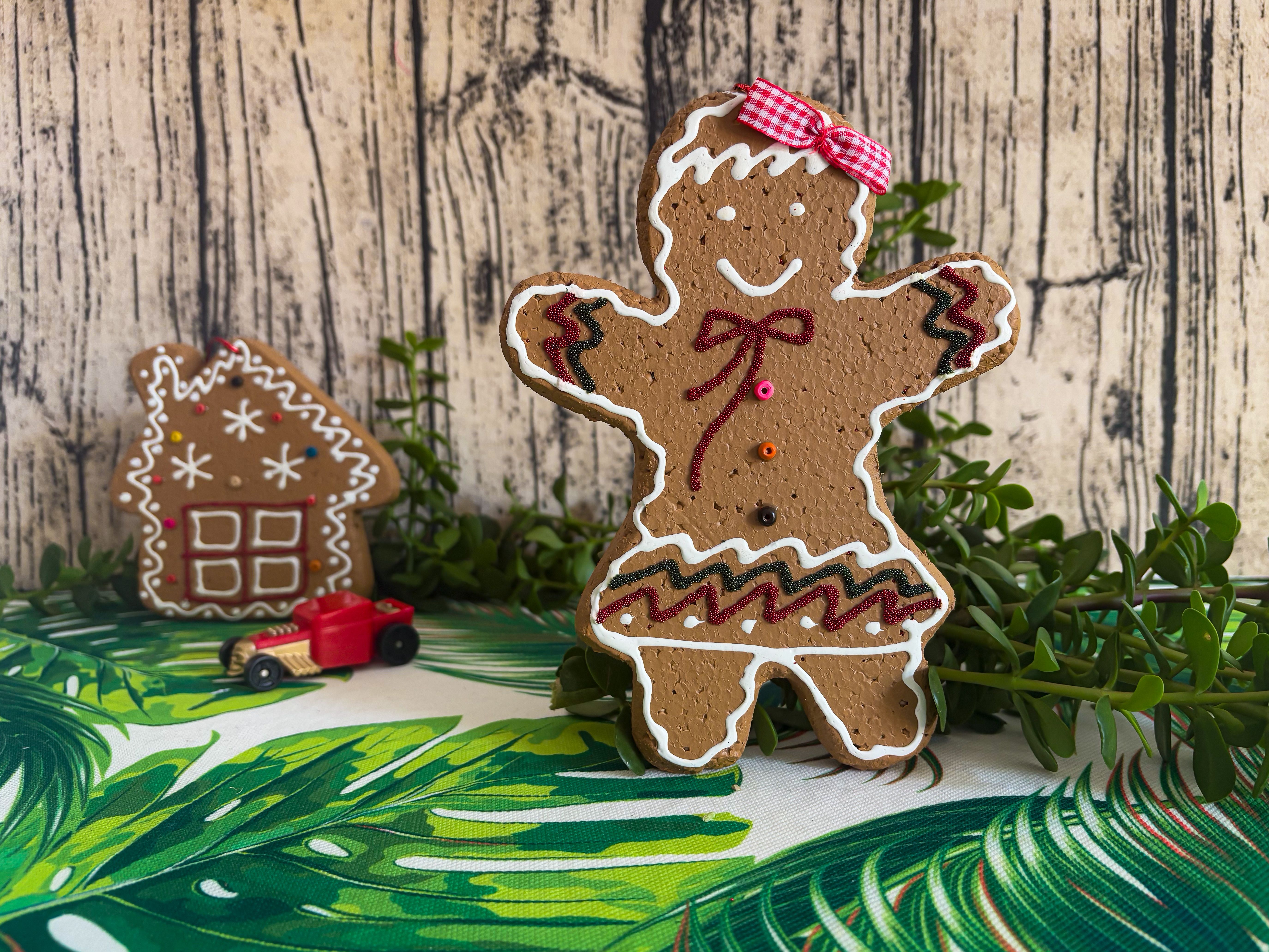
Image Description: Traditional Pardubice gingerbread cookies with honey glaze and decorative molds in Czech Republic workshop