Paxi Sea Caves: Where Azure Waters Meet Limestone Whispers
Paxi Sea Caves: Where Blue Waters Meet Stone Chambers
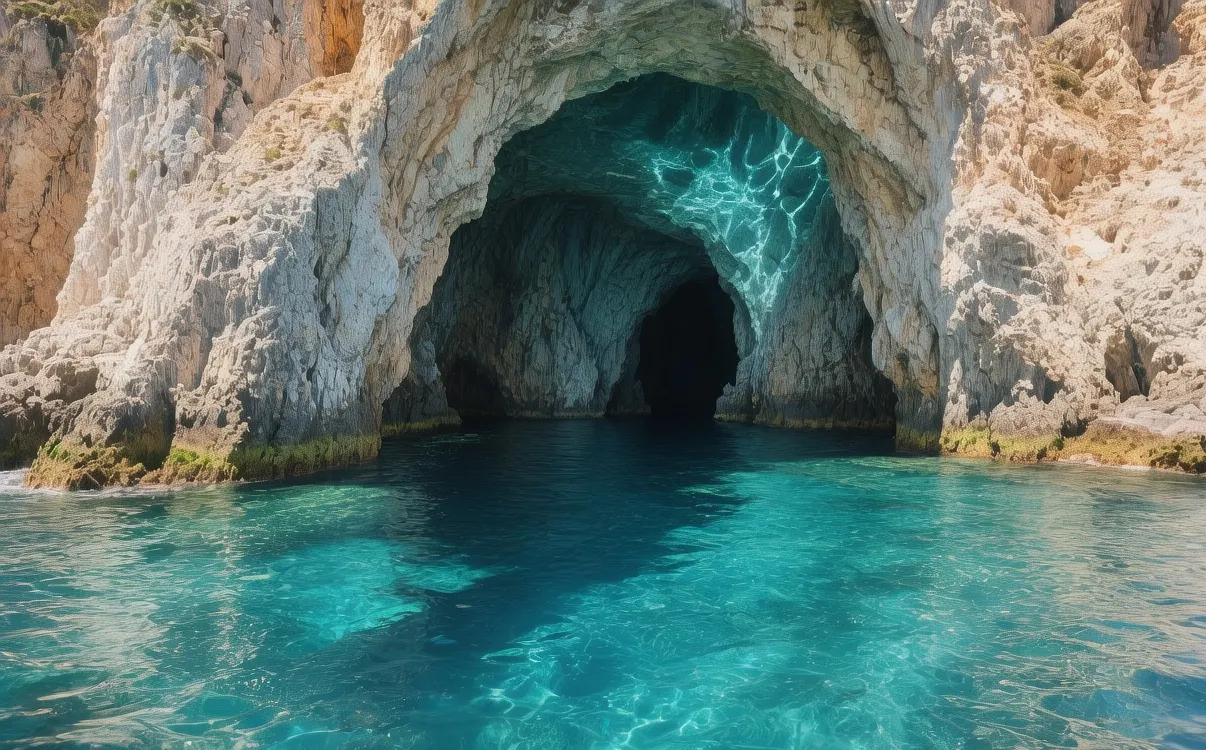
I sit in a small boat at quarter past eleven on a July morning. The captain cuts the engine and we drift slowly toward a cave mouth. Sunlight penetrates from above and turns the water inside a glowing, vivid blue. The colour seems to rise from the depths, painting the stone walls and filling every corner of the chamber. I dip my hand in. The water feels cool and remarkably clear. I can see thirty metres straight down. No sound echoes but the gentle lap of waves. For a moment no one speaks. We drift in silence, surrounded by blue and stone. This is what people travel to witness. And yet, as we turn and glide back out into daylight, I notice how many other boats wait in line, their engines idling, their passengers leaning forward, eager for their own turn.
Why Paxi Sea Caves Matter
These caves formed along Paxos’ western coast through centuries of wave action. The sea carved arches, chambers, and tunnels into pale limestone, creating spaces where light and water combine to produce extraordinary colour. Ancient sailors likely sheltered here. Later generations fished and swam in these waters without ever telling the wider world. Today the caves draw visitors from across the globe. The water holds its famous blue because sunlight filters through from above and reflects off the white seabed. That clarity depends on calm conditions. When the sea stays rough or stirred by wind, sediment clouds the water and the vivid glow fades. Some visitors arrive on windy days and feel disappointed. They saw photographs online and expected the same view regardless of weather. That honesty matters. The caves do not control the sea. Come when conditions are calm, or accept that beauty wears different faces on different days.
The Best Time to Experience Paxi Sea Caves
Late May through June offers ideal conditions. Air temperatures range from 20°C to 26°C (68°F to 79°F). Sea stays calm and clarity reaches its best. Light hits the cave openings well and the blue appears at its most vivid. July and August bring heat from 27°C to 33°C (81°F to 91°F). The water stays clear but boat traffic grows heavy. Tours run constantly and queues form at the most popular caves. Arrive before nine in the morning to avoid crowds and midday glare. September through early October brings 22°C to 28°C (72°F to 82°F). Sea remains warm and visitors thin. Light still penetrates clearly. This may be your best balance overall. Mid-October onward brings wind and rougher seas. Tours cancel frequently. Winter November–March sees almost all boat services suspended. The caves remain accessible only to private vessels and conditions prove unpredictable.
Approximate Budget for a 7-Day Trip
Prices reflect Paxos stay with sea caves as a key destination. Costs peak July and August.
- Accommodation: €45–€90 per night in Gaios, Loggos, or Lakka. Weekly: €315–€630
- Food & Drink: €15–€27 daily at harbour and village tavernas. Weekly: €105–€189
- Transport: Ferry from Corfu or Igoumenitsa: €20–€35 per person one-way. Rental motorboat: €60–€120 daily. Weekly: €260–€525
- Cave Tours & Entry: Shared boat tour: €25–€40 per person. Private boat: €250–€400 daily. Snorkel rental: €8–€12. Weekly: €35–€60
- Miscellaneous: Water, snacks, sunscreen. Weekly: €30–€55
Total estimated cost: €745–€1,459 per person. Skip the luxury catamaran tours advertised at Gaios harbour. They charge €75–€110 per person and visit exactly the same caves as shared boats. Book a standard small boat tour instead and save substantially.
Essential Paxi Sea Caves Experiences
- Drift through the Blue Cave at mid-morning. Sunlight enters the chamber and turns the water luminous. The effect lasts roughly three hours. Plan your tour accordingly. Skip visiting after 1:00 PM; the angle shifts and the glow fades.
- Swim inside sheltered cave chambers. Some tours pause at shallower caves where you can enter the water. The blue surrounds you completely. Stay close to the boat. Watch your head on submerged rock ledges.
- Pass through natural rock arches. Several arches span open water along the coast. Boats glide beneath and the view frames sea and sky perfectly. Keep hands inside the boat; rock sits close at points.
- Snorkel near cave entrances. Light filters outward and creates shifting patterns on the seabed. Clear water reveals fish, sponges, and rock formations. Wear a mask and move slowly.
- Explore the cave beneath the lighthouse. At the island’s northern tip, a large cave opens to the sea. Deeper and less crowded. The water stays calm most mornings.
- Stop at a quiet cove after the tour. Many tours include a swimming break away from the caves. Clear water and sheltered shore. Relax and let the experience settle.
Hidden Gems Most Travelers Miss
- Cave near Mongonissi Beach on the southern coast. Smaller and shallower. You can swim inside from shore. No tours stop here. Rent a small boat or swim out from the beach.
- Two connected caves along the western shore north of Lakka. The entrance looks narrow but opens into a larger chamber. Reachable only by boat. Few captains include them on standard routes.
- Sea stack with arch near the northern tip. Light passes through at sunrise and creates a perfect frame. Visit early; tours rarely pass this way before nine.
- The “famous Blue Cave” shown in every brochure fills with boats by mid-morning. You wait in line for minutes then drift through in seconds. Visit at 8:30 AM instead. You get the same view without the queue.
Cultural & Practical Tips
- Check weather and sea conditions before booking. Caves appear dull and dark when the sea stays rough. Captains know the water. If they say no, believe them and return another day.
- Bring waterproof bag and change of clothes. Boat decks stay wet and spray soaks everything. Cameras and phones need protection. Keep valuables sealed and dry.
- Do not touch cave walls or ceilings. Moisture supports delicate life. Anchoring inside caves destroys seagrass. Follow captain instructions exactly.
- Book tours one day ahead in summer. Morning departures sell out fast. Afternoon tours run longer queues and miss best light anyway. Secure your spot early.
- Do not expect to land inside caves. Most have no beach or ledge. You view from the boat or swim briefly. Many visitors feel disappointed they cannot walk ashore. Know this before you pay.
Essential Visitor Information
Location & Access: Western and northern coasts of Paxos island, northern Ionian Sea. Reach Paxos first via ferry from Corfu (1.5 hours) or Igoumenitsa (1.5–2 hours). Cave tours depart from Gaios, Loggos, and Lakka harbours. Options: shared boat tour €25–€40; private boat hire €250–€400; rental motorboat €60–€120 daily (requires licence or skipper).
Tickets & Booking: No separate cave entry fee. Tour price covers access. Book at harbour kiosks or through accommodation. No advance booking required shoulder season.
Operating Hours: Caves accessible daylight hours year-round. Tours run roughly May 15–October 15, 8:30 AM–5:00 PM. Winter tours suspended or weather-dependent.
Visit Duration: Minimum 2 hours for a representative tour. Recommended 3–4 hours to include swimming stops and unhurried viewing.
Family Suitability: Children welcome. Life jackets provided. Boats stay calm in sheltered conditions. No landing or stroller access. Toilets exist on larger boats but not inside caves.
Timing: Best season: late May–June, September–early October. Best time of day: 8:30 AM–11:30 AM for clearest light and calmest seas.
Highlights: Blue Cave luminous water, natural rock arches, northern lighthouse cave, swimming inside sheltered chambers, underwater light patterns.
Nearby & Day Trip: Lakka village 12 km north of Gaios. Loggos harbour 6 km north. Mongonissi Beach 10 km south. Antipaxos beaches 3 km south by boat. Day trip combining caves and Antipaxos beaches possible with early departure.
Conclusion: Travel with Calm, Not Just Camera
Paxi Sea Caves show their true colours only when the sea stays calm. Sunlight must reach deep to turn the water blue. Wind and waves change everything. That is not a flaw. That is nature. Come early. Come when the forecast promises quiet water. Keep your phone ready but put it down while inside. Drift slowly. Look up. And remember: the blue exists because light meets stillness. The same applies to you. Slow down. Be still. And let the colour fill your eyes.
Post a Comment