Plovdiv Old Town: Where Thracian Stones Meet Revival Colors
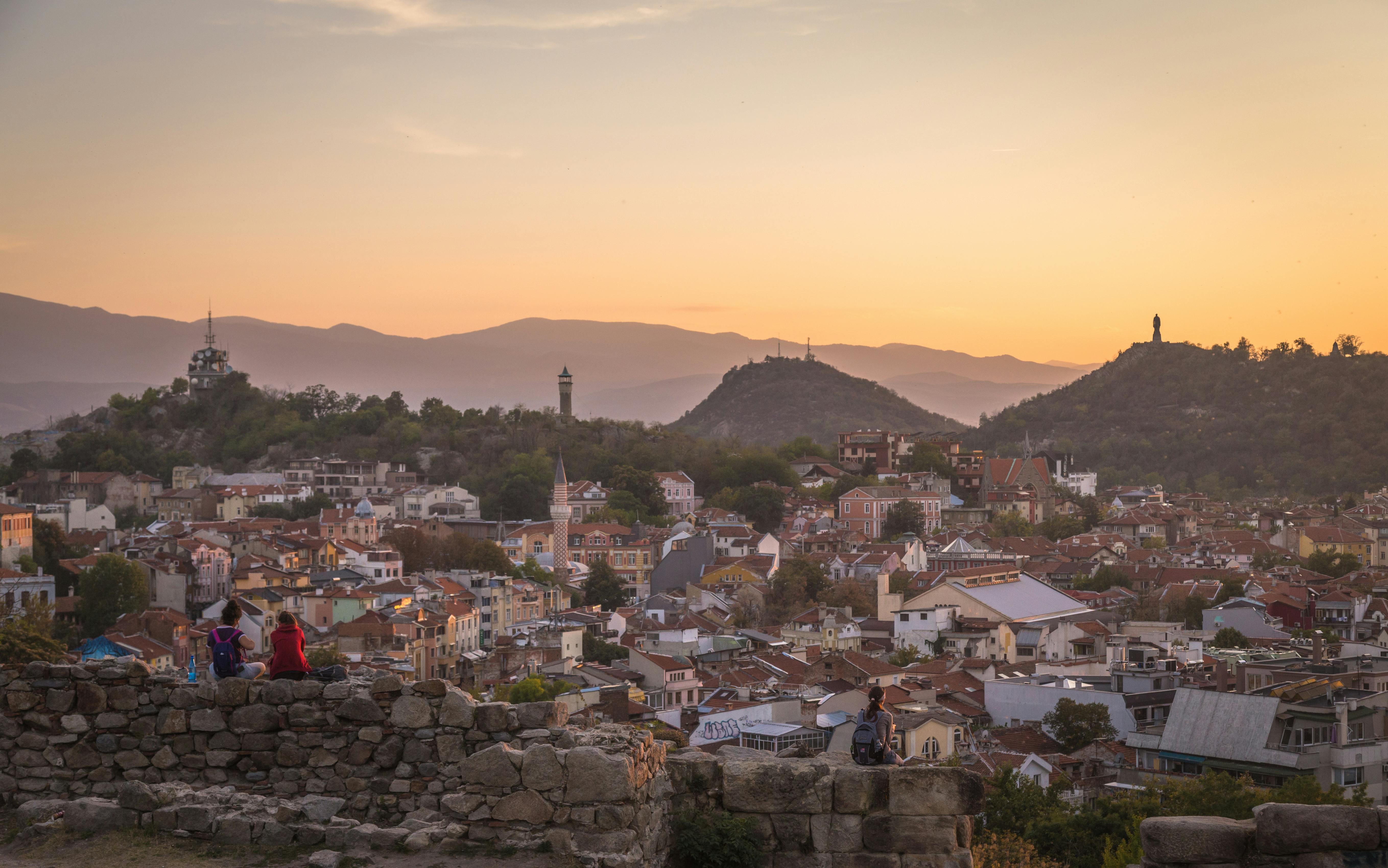
Plovdiv Old Town: Where Revival Mansions Meet Roman Ruins on Three Hills
At 8:15 AM on a Tuesday in May, I walked up Saborna Street from the Dzhumaya Mosque and stopped at the first cobblestone lane. A woman was watering geraniums in a window box. Two cats watched from a stone wall. The painted facade of a 19th-century merchant house rose on my left, red and blue and slightly crooked. I paid nothing to walk these streets. Plovdiv Old Town has no entrance gate, no ticket booth, no closing time. Individual house museums charge 5-10 BGN each, but the lanes themselves belong to everyone. Within an hour, tour groups would fill the main paths. That early morning hour showed me why locals say to arrive before 9:00 AM. The light is soft, the streets are empty, and the city feels like it belongs to the people who live here.
Why Plovdiv Old Town Matters
Plovdiv is one of the oldest continuously inhabited cities in Europe, with settlements dating back to 4000 BC. The Old Town sits on three hills — Nebet Tepe, Dzhambaz Tepe, and Taksim Tepe — collectively known in Roman times as Trimontium. Thracians fortified Nebet Tepe first, Philip of Macedon conquered the settlement in the 2nd century BC and named it Philipopolis, and the Romans expanded it into a thriving provincial center.
The architectural reserve covers just 35 hectares and contains over 200 buildings of cultural significance. The Bulgarian National Revival houses from the 18th and 19th centuries give the district its distinctive look. Wealthy merchants built symmetrical homes with bay windows, painted facades, and carved wooden ceilings. The second-floor overhang, wider than the ground floor, gives many houses a top-heavy appearance that is immediately recognizable. UNESCO placed the Old Town on its World Heritage Tentative List in 2004.
Here is the honest criticism. The Old Town gets coach-tour crowds between 10:00 AM and 4:00 PM in summer. The main lanes become congested, and the quiet atmosphere that makes the district special disappears. Some house museums feel repetitive after two or three visits. And restoration work continues on several buildings, so scaffolding may block views during your visit.
The Best Time to Experience Plovdiv Old Town
May, June, and September are the best months. Daytime temperatures range from 20-27°C (68-81°F). The streets are comfortable for walking, and the light on the painted facades is excellent in the early morning and late afternoon. September brings fewer crowds than June and similar weather.
July and August are hot. Plovdiv is one of the hottest cities in Bulgaria during summer, with temperatures reaching 30-35°C (86-95°F). The cobblestones radiate heat, and shade is limited on the upper hills. Arrive at 8:00 AM or wait until after 5:00 PM.
October offers mild temperatures of 15-22°C (59-72°F) and autumn colors. Rain becomes more frequent, and the cobblestones get slippery when wet. Fewer tourists visit, which means quieter streets.
November through March means cold temperatures of 2-10°C (36-50°F). Some house museums operate shorter winter hours. Snow occasionally dusts the rooftops, creating a different atmosphere. This suits travelers who want solitude and do not mind limited services.
Arrive between 8:00 AM and 10:00 AM regardless of season. The Old Town's cobbled lanes are empty and the light on the National Revival houses is at its best. Late afternoon from 5:00 PM onward also works when day-trippers leave and the golden hour light hits the facades.
Approximate Budget for a 7-Day Trip
Plovdiv is genuinely cheap by European standards. The Old Town itself costs nothing to explore. Here is a realistic breakdown for one person:
- Accommodation: 350-700 BGN (180-360 EUR) for 7 nights. Hostel dorm beds average $12 per night. Mid-range hotels in the Old Town or Kapana district run 60-120 BGN per night. A clean central room costs about €30 per night.
- Food: 280-450 BGN (145-230 EUR). A meal at a traditional mehana runs 15-25 BGN. Supermarket supplies cost about 10 BGN daily. Café lunches keep costs low.
- Transport: 100-250 BGN (50-130 EUR). Buses from Sofia run 15-18 BGN and take about 2 hours. Trains cost 12-16 BGN and take 2.5 hours. City buses cost 1.60 BGN per ride.
- Attractions: 50-100 BGN (25-50 EUR). House museum entry fees range from €2 to €5 each. The Roman Theatre charges about 8 BGN. Combined tickets are available at some sites.
- Miscellaneous: 100-150 BGN (50-77 EUR) for coffee, wine, and unexpected costs.
Total: 880-1,650 BGN (450-845 EUR) for 7 days.
One overpriced trap: guided walking tours that bundle the Old Town with Kapana and the Roman Stadium. These charge €18-25 per person for a 2-3 hour walk that covers ground you can easily explore independently. The streets have information panels, and the atmosphere rewards slow wandering more than guided commentary.
Essential Plovdiv Old Town Experiences
- Walk Saborna Street early in the morning. This main lane climbs from the Dzhumaya Mosque into the heart of the reserve. Curio shops, traditional inns, and Revival houses appear within the first hundred meters. Before 9:00 AM, you will share it mostly with locals and cats.
- Visit the Roman Theatre. Built during Emperor Trajan's reign in the early 2nd century AD, this marble theatre is among the best-preserved Roman theatres in the Balkans. It seats between 5,000 and 7,000 spectators and still hosts summer opera and concert performances. Entry costs about 8 BGN.
- Climb Nebet Tepe for the best view. The oldest fortified hill in the city offers panoramic views over the Old Town and the Maritsa River. The archaeological site layers Thracian, Roman, and Byzantine remains and is free to enter at any hour. It is a popular sunset spot.
- Explore the Ethnographic Museum. Housed in the Kuyumdzhiev House, this is one of the finest examples of Baroque architecture from the mid-19th century. The exhibits show traditional crafts, costumes, and daily life from the Revival period. Entry costs about 5 BGN.
- See the Balabanov House. This restored merchant house shows how wealthy Plovdiv families lived. Entry costs 5 BGN or is included in a combined ticket. The interior features carved ceilings and painted walls.
- Walk through Hisar Kapia. The medieval eastern gate of the fortress walls is one of the few surviving structures from the Middle Ages. The stone arch frames views down toward the modern city.
- Skip the Old Town if you cannot handle steep, uneven cobblestones. The streets climb three hills and the pavement is rough. Strollers are almost impossible to push here. Wear sturdy closed shoes with grip.
Hidden Gems Most Travelers Miss
- The Ancient Stadium beneath Dzhumaya Square. Built in the 2nd century and designed after the Stadium at Delphi, only part of it is visible. The open-air ruins are free to view and accessible 24 hours a day.
- The Ancient Forum near Tsentralen Square. Built in the 1st century during Emperor Vespasian's reign, this complex includes a library, mint, and odeon. Few tourists stop here, but the ruins are extensive.
- Irene Residential House. Located in the Archaeological Underpass on Tsar Boris III Boulevard, this house has rich mosaic decoration including a portrait of a woman signed with the name Irene, dating to the 3rd-4th centuries.
- Kapana Creative District. Adjacent to the Old Town, this former craft quarter now hosts galleries, wine bars, and small restaurants. It provides a break from the historical sites and a glimpse of modern Plovdiv.
- The overrated gem: trying to see every house museum in one day. With over 200 buildings of cultural significance, the interiors blur together after the third house. Pick two or three that interest you most and spend more time walking the free lanes.
Cultural and Practical Tips
- Wear sturdy closed shoes. The cobblestones are large, uneven, and worn smooth. Light trainers or sandals lead to sore feet by mid-morning.
- Bring cash. While some restaurants accept cards, smaller shops and museum ticket offices may prefer cash. The nearest ATMs are in the modern city center below the hills.
- Tourist mistake to avoid: Arriving midday in summer without water or sun protection. The Old Town is exposed on the hills, and shade is limited. Heat exhaustion is a real risk.
- Tourist mistake to avoid: Rushing through in two hours. The Old Town rewards slow exploration. Give yourself at least half a day to wander without a fixed route.
- Check for restoration work. Several houses may be covered by scaffolding during your visit. The city continues to invest in restoration.
- Use the free walking tour. A free Plovdiv tour covers the Old Town highlights and operates on a tips-only basis. This is a good introduction if you want orientation before exploring alone.
- Stay for sunset at Nebet Tepe. The view over the rooftops toward the Rhodope Mountains is one of the best in Plovdiv. Locals come here in the evening, and the atmosphere is relaxed.
Essential Visitor Information
Location and Access: Plovdiv Old Town sits on three hills in the heart of Plovdiv, Bulgaria's second-largest city. The main entrance is at ul. Saborna 24, 4000 Plovdiv. GPS coordinates are approximately 42.149824° N, 24.752665° E. By train, the Central Railway Station is about a 20-minute walk from the Old Town, or take bus 20 or 26. By bus, arrivals are at the Yug (South) Bus Station, a 10-minute walk or short taxi ride. By taxi from the station, expect to pay 7-12 BGN.
Tickets and Booking: Walking the Old Town lanes is completely free and accessible 24 hours a day. Individual house museums charge entry fees ranging from 2-5 EUR each. The Roman Theatre charges about 8 BGN. The Ethnographic Museum costs about 5 BGN. The Balabanov House costs 5 BGN. No advance booking is required for individual visits. Evening performances at the Roman Theatre are ticketed separately.
Operating Hours: The Old Town streets are open 24/7 year-round. Individual museums and the Roman Theatre typically operate from 9:00 AM to 6:00 PM during summer, with slightly shorter hours in winter. The Roman Theatre may close during the day for rehearsals before concerts.
Visit Duration: Minimum 2-3 hours to walk the main lanes and visit one or two museums. Recommended a full day to explore the Roman Theatre, Ethnographic Museum, Nebet Tepe, and the residential streets without rushing. Two days allows for a slower pace and time in Kapana.
Family Suitability: Suitable for older children who can walk on uneven surfaces. The cobblestones are large and uneven, making strollers almost impossible to push. A carrier or a child who walks is the practical choice. No dedicated facilities for young children. Several museums offer activities for kids.
Timing: Best season is May-June or September for comfortable temperatures and manageable crowds. Best time of day is 8:00-10:00 AM when the lanes are empty and the light is soft. Late afternoon after 5:00 PM also works well.
Highlights: The Roman Theatre, Nebet Tepe viewpoint, the Ethnographic Museum, Balabanov House, Hisar Kapia gate, and the painted facades of the National Revival houses along Saborna and Strumna streets.
Nearby and Day Trip: The Roman Stadium (beneath Dzhumaya Square) is a 10-minute walk and free to view. Kapana Creative District (adjacent) offers galleries and wine bars. Bachkovo Monastery (30 kilometers south) is Bulgaria's second-largest monastery and takes about 40 minutes by bus for 7 BGN. Asen's Fortress (25 kilometers southeast) is a medieval fortress with mountain views, with entry around 8 BGN. All are feasible as day trips from Plovdiv.
Conclusion: Travel with Patience, Not Just a Checklist
Plovdiv Old Town rewards travelers who slow down and accept that the best experiences are free. The lanes cost nothing to walk. The view from Nebet Tepe costs nothing. The atmosphere of a 19th-century merchant street at dawn belongs to anyone willing to wake up early. Pay for one or two house museums if you want, but do not feel obligated to see everything. The district asks only that you pay attention to the layers beneath your feet. What will you notice when you stop rushing through streets that have been lived in for 6,000 years?
Post a Comment