Seven Rila Lakes: Where Glacial Waters Meet Alpine Majesty
Seven Rila Lakes: Where Glacial Cirques Meet Bulgaria's Alpine Heart
At 7:45 AM on a Saturday in July, I stepped off the chairlift at Rila Lakes Hut and started walking. The air was thin and cold, maybe 8°C. My breath came in short puffs. Within twenty minutes, I reached the first lake, Ribno, and stopped at the wooden boardwalk. The water was still, reflecting the jagged peaks above. A few hikers passed me heading down, wrapped in fleece jackets. I paid 20 leva for the chairlift round trip. The trail itself costs nothing. By 10:00 AM, the path from the hut to the first lake would fill with hundreds of people. That early morning hour, before the crowds and the heat, showed me why the Seven Rila Lakes remain Bulgaria's most beloved mountain destination.
Why Seven Rila Lakes Matters
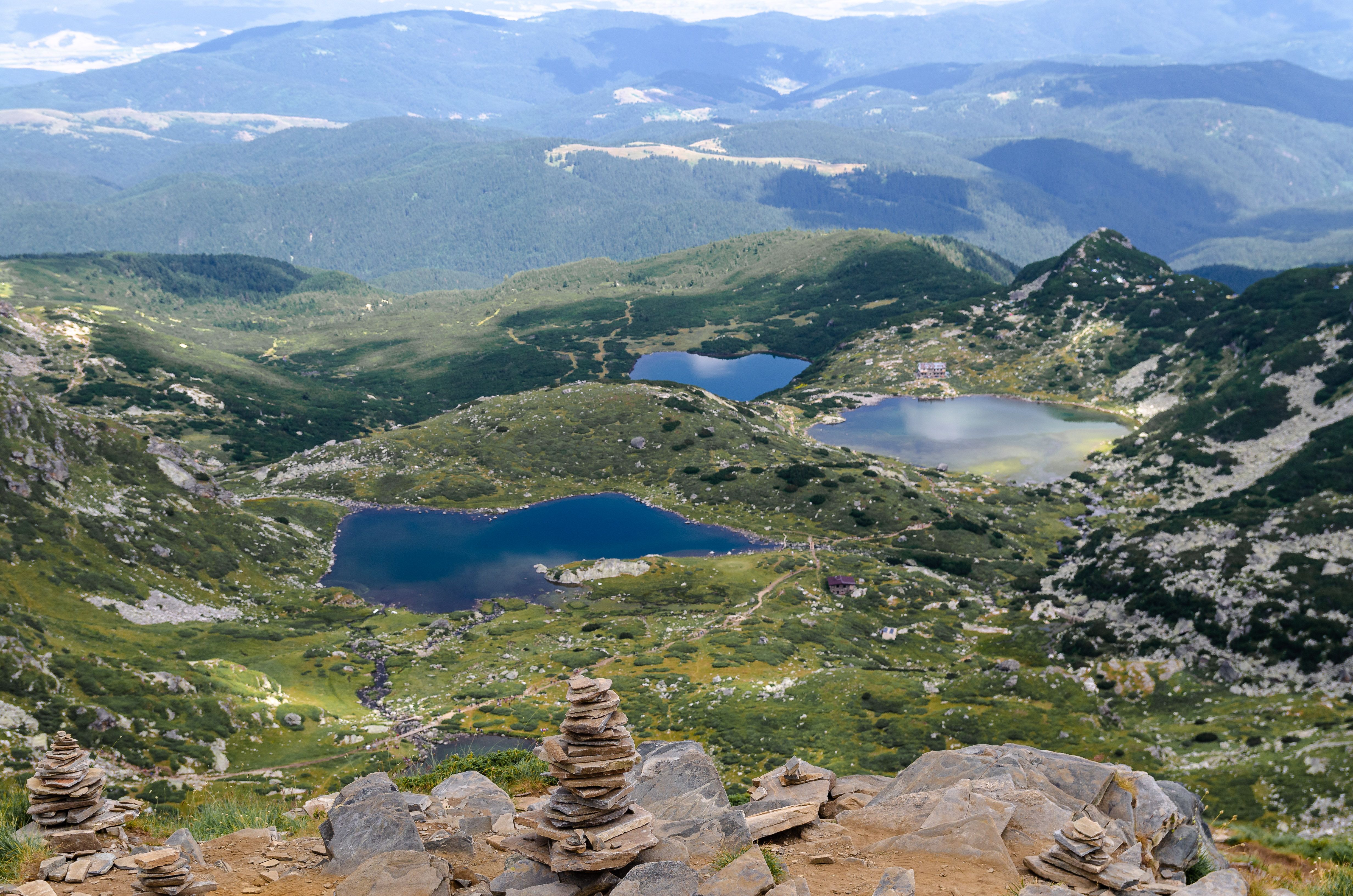
The Seven Rila Lakes are a group of glacial lakes in the northwestern Rila Mountains, sitting at elevations between 2,095 and 2,535 meters. Each lake carries a name reflecting its shape or character. The highest is Salzata, the Tear, named for its clear water that mirrors the sky. Next comes Okoto, the Eye, the deepest of the seven. Then Babreka, the Kidney, with steep shores. Bliznaka, the Twin, is the largest by area. Trilistnika, the Three-Leafed, has an irregular shape. Ribno, the Fish Lake, sits below the trail from the chairlift. The lowest is Dolnoto Ezero, the Lower Lake, which feeds the Dzherman River.
The lakes formed during the Pleistocene epoch when glaciers carved the cirque that now holds them. The Rila Mountains themselves are the highest range in Bulgaria and the Balkans, with Musala Peak reaching 2,925 meters. The lakes sit within Rila National Park, a protected area established in 1992 that covers over 81,000 hectares.
The site holds cultural significance beyond geology. Followers of the Universal White Brotherhood, a spiritual movement founded by Peter Deunov, gathered here annually for decades to practice panrismic dance and meditation. The tradition continues each August, drawing followers from around the world.
Here is the honest criticism. The trails have become too popular. On summer weekends, the path from Rila Lakes Hut to the highest lakes resembles a queue rather than a hike. Erosion has damaged sections of the meadow where hikers cut switchbacks. The chairlift, while convenient, deposits crowds directly into fragile alpine terrain. If you seek solitude, you will not find it here in July or August.
The Best Time to Experience Seven Rila Lakes
July and August are the most popular months. Temperatures at the lakes range from 8-18°C (46-64°F). Snow patches linger well into June, and the full trail to the highest lakes often remains impassable until early July. Afternoon thunderstorms are common, so start early and plan to be below treeline by 2:00 PM.
September offers the best conditions for serious hikers. Temperatures settle between 5-15°C (41-59°F). The summer crowds thin out after the first week. The light turns golden, and the alpine meadows take on autumn colors. This is my personal recommendation.
Late June brings wildflowers and fewer people, but snowfields still block sections of the upper trail. The chairlift operates from mid-June depending on snowmelt. Check conditions before planning a June visit.
October means cold temperatures of 0-10°C (32-50°F) and unpredictable weather. The chairlift runs only on weekends from early October and stops operating altogether by mid-to-late October. Snow can arrive by mid-month.
Winter from November through May makes the area inaccessible except for experienced mountaineers. The chairlift does not operate. Snow depth can exceed two meters. Do not attempt without proper gear and experience.
Arrive at the chairlift by 8:00 AM regardless of season. The first ride leaves at 8:30 AM in summer. By 10:00 AM, queues for the chairlift can stretch to an hour or more.
Approximate Budget for a 7-Day Trip
The Seven Rila Lakes cost little to visit. Your budget depends on how you structure a broader Rila Mountains trip. Here is a realistic breakdown for one person:
- Accommodation: 350-700 BGN (180-360 EUR) for 7 nights. Guesthouses in Sapareva Banya or Panichishte average 50-80 BGN per night. Budget hotels in Dupnitsa cost less.
- Food: 280-420 BGN (145-215 EUR). A meal at a local tavern runs 15-30 BGN. Mountain hut food is simple and inexpensive. Supermarket supplies cost about 10 BGN daily.
- Transport: 250-450 BGN (130-230 EUR). Renting a car costs 40-70 BGN per day plus fuel. Buses from Sofia to Sapareva Banya run 12-15 BGN one way. Local taxis to the chairlift charge 15-25 BGN.
- Attractions: 50-100 BGN (25-50 EUR). The chairlift costs 20 BGN for a round trip. The trail itself is free. Rila Monastery charges nothing for entry.
- Miscellaneous: 100-150 BGN (50-77 EUR) for parking, coffee, and unexpected costs.
Total: 1,030-1,820 BGN (525-930 EUR) for 7 days.
One overpriced trap: organized day tours from Sofia. These charge 80-120 BGN per person and include 4-5 hours of driving for about 4 hours at the lakes. The bus to Sapareva Banya costs 12-15 BGN. Stay overnight locally and take the chairlift early instead.
Essential Seven Rila Lakes Experiences
- Ride the chairlift from Panichishte. The open-air chairlift takes about 25 minutes to climb from the base station to Rila Lakes Hut at 2,100 meters. The ride offers views over the valley and the lower lakes. It operates from mid-June through mid-October, depending on weather.
- Walk the full circuit of the seven lakes. The marked trail from Rila Lakes Hut passes all seven lakes in a loop that takes 4-6 hours. The path climbs steeply between Ribno and the higher lakes but rewards with panoramic views. Start early to avoid afternoon storms.
- Swim in Okoto if you dare. The Eye is the deepest of the seven lakes. Its water is cold, rarely above 10°C even in August. Locals say the cold water has healing properties. A quick dip is memorable but not for everyone.
- Climb to the Salzata viewpoint. The highest lake sits at 2,535 meters. From its shores, you can see all six other lakes arranged below you. The climb from the hut takes about 2 hours. The final section involves loose rock and requires care.
- Attend the White Brotherhood gathering in August. Each year around August 19, followers of the Universal White Brotherhood gather at the lakes for spiritual practice. The event draws visitors from around the world. It is a unique cultural experience, though accommodation books out months ahead.
- Visit Rila Monastery on the same trip. About 1.5 hours by car from the lakes, Rila Monastery is Bulgaria's largest and most famous monastery, founded in the 10th century. The frescoes and architecture justify the detour.
- Skip the lakes if you hate crowds or altitude. Summer weekends bring hundreds of visitors. The trail sits above 2,000 meters, and the altitude affects some people. If you prefer solitude at lower elevations, visit Sapareva Banya's thermal springs instead.
Hidden Gems Most Travelers Miss
- The trail from Rila Lakes Hut to Skakavitsa Waterfall. This 5-hour route continues beyond the lakes, descending through forests to a 70-meter waterfall. Most visitors turn back at the chairlift. The trail sees a fraction of the foot traffic.
- The meadows below the chairlift in June. Wildflowers cover the slopes between the base station and the upper hut before the crowds arrive. Early June offers color and relative quiet.
- Sapareva Banya thermal springs. About 30 minutes from the chairlift, this small town has hot mineral springs reaching 103°C. Public baths and spa hotels offer relaxation after hiking. Few foreign tourists visit.
- The Rila Monastery trail. A marked trail connects the lakes area to Rila Monastery over several days. It passes through remote forests and meadows. This is for serious hikers with camping gear.
- The overrated gem: the chairlift queues in August. Waiting an hour for the chairlift is not the experience anyone wants. Hiking up from Panichishte takes 2-3 hours but avoids the queue. The trail through the forest is pleasant.
Cultural and Practical Tips
- Bring layers and rain gear. Weather changes fast at altitude. A sunny morning can turn to fog and rain by noon. Temperatures drop quickly when clouds cover the sun.
- Start early. The first chairlift leaves at 8:30 AM. Arrive by 8:00 AM to avoid queues and afternoon storms. The last chairlift down leaves at 6:00 PM in summer.
- Tourist mistake to avoid: Wearing sneakers on the upper trail. The path between lakes involves loose rock, steep sections, and wet boardwalks. Sturdy hiking boots with ankle support are essential.
- Tourist mistake to avoid: Relying on phone signal for navigation. Coverage is patchy above the hut. Carry a paper map or download an offline map. Know the route before you start.
- Bring cash for the chairlift. The ticket office accepts cash only. The nearest ATM is in Sapareva Banya.
- Respect the fragile alpine environment. Stay on marked paths. Do not pick flowers or disturb wildlife. The meadows take decades to recover from trampling.
- Check chairlift operating dates. The lift runs from mid-June to mid-October, weather permitting. Confirm locally before planning your visit.
Essential Visitor Information
Location and Access: The Seven Rila Lakes sit in Rila National Park in southwestern Bulgaria, about 90 kilometers south of Sofia. GPS coordinates for the chairlift base station at Panichishte are approximately 42.2253° N, 23.2994° E. By car from Sofia, drive south on the A3 highway toward Dupnitsa, then follow signs to Sapareva Banya and Panichishte. The drive takes about 1.5-2 hours. By bus, services run from Sofia to Sapareva Banya, costing 12-15 BGN and taking about 2 hours. From Sapareva Banya, a taxi to the chairlift costs 15-25 BGN. By air, the nearest airport is Sofia, about 90 kilometers away.
Tickets and Booking: The chairlift costs 20 BGN for a round trip. The trail itself is free. No advance booking is required for the chairlift. The White Brotherhood gathering in August draws large crowds, and accommodation should be booked months ahead.
Operating Hours: The chairlift operates from mid-June to mid-October, daily from 8:30 AM to 6:00 PM in summer. From early October, it runs only on weekends until mid-to-late October, when it stops operating for the season. Hours may vary depending on weather conditions.
Visit Duration: Minimum 3-4 hours to ride the chairlift and walk to the first two or three lakes. Recommended 5-7 hours to complete the full circuit of all seven lakes without rushing.
Family Suitability: Suitable for older children who can walk on uneven terrain and handle altitude. The chairlift is not stroller-friendly. The trail involves steep sections and loose rock. No facilities for young children on the mountain.
Timing: Best season is July-September for accessible trails and stable weather. Best time of day is early morning before 9:00 AM to avoid crowds and afternoon storms.
Highlights: The seven glacial lakes, the chairlift ride from Panichishte, the Salzata viewpoint at 2,535 meters, the alpine meadows, and the White Brotherhood gathering in August.
Nearby and Day Trip: Sapareva Banya (30 minutes) has thermal springs and spa hotels. Rila Monastery (1.5 hours) is Bulgaria's largest monastery. Panichishte (adjacent) offers guesthouses and restaurants. The Malyovitsa trailhead (45 minutes) leads to another section of Rila National Park. All are feasible as day trips if you have a car.
Conclusion: Travel with Respect, Not Just a Checklist
The Seven Rila Lakes reward travelers who arrive early and tread lightly. The chairlift costs 20 leva, which means the only real investment is your attention. Walk the full circuit, climb to Salzata, and stand above six other lakes arranged like steps down the mountain. The site has survived ice ages, empire, and now mass tourism. It asks nothing except that you respect its fragility. What will you notice when you stop rushing to the next viewpoint and start feeling the thin air and cold water?
Post a Comment