
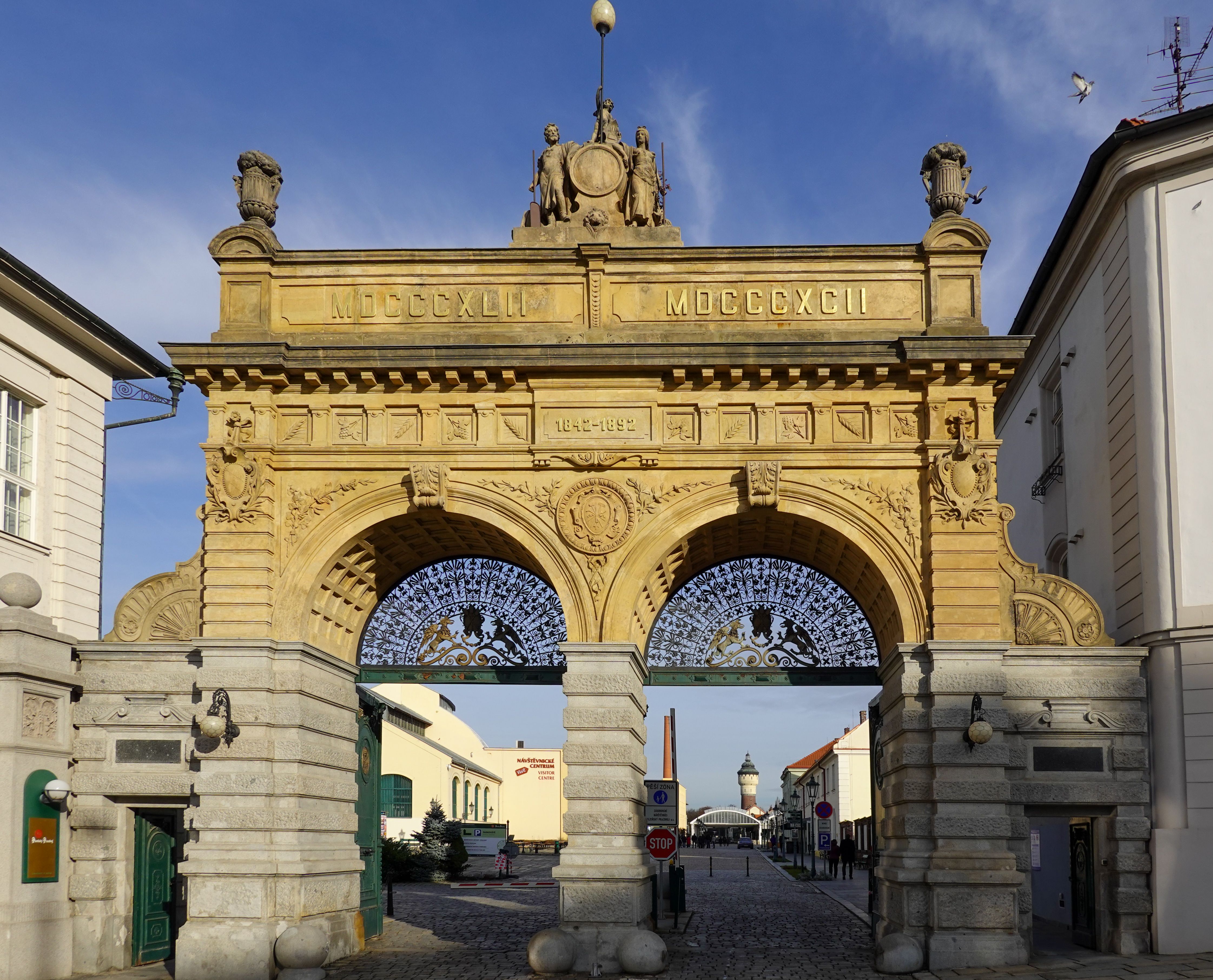
Plzeň Pilsner Brewery: Where Golden Lager Meets Bohemian Tradition
Golden light filters through the arched windows of the historic brewhouse as steam rises from copper kettles—each holding 110 hectoliters of wort, bubbling gently at 98°C (208°F). You descend the stone staircase into the labyrinthine cellars, where the air hangs cool at 9°C (48°F) and carries the earthy scent of aging oak and noble Saaz hops. The soft drip of condensation echoes against sandstone walls carved in 1842, the year Josef Groll first brewed the world's original pilsner in this very city. This is Plzeň, where a single batch of beer changed global drinking culture forever—transforming cloudy, inconsistent ales into the crisp, golden lager now replicated worldwide yet never truly duplicated. The rhythmic clank of traditional tools mingles with the distant hum of modern bottling lines; the amber glow of fermenting beer illuminates dust motes dancing in shafts of afternoon light. Here, brewing isn't merely production—it's a living covenant between water from deep artesian wells, Moravian barley, Zatec hops, and generations of master sládkové (brewmasters) who guard secrets passed hand to hand since the guild era. This place matters because it preserves the soul of a revolution: the moment when patience, precision, and place converged to create something timeless.
Why Plzeň Pilsner Brewery Embodies Brewing Revolution
The Pilsner Urquell Brewery represents the birthplace of a global phenomenon, solving a fundamental problem that plagued 19th-century brewing: inconsistency. Before 1842, Bohemian beer was typically dark, cloudy, and prone to spoilage. When Bavarian brewmaster Josef Groll arrived in Plzeň that October, he combined three revolutionary elements: soft water from local artesian wells (measuring just 3–4°dH hardness), pale malt dried using new indirect-firing technology, and noble Saaz hops grown exclusively in the Žatec region. The result, first tapped on December 5, 1842, was a beer of unprecedented clarity, stability, and balance—a golden lager that could travel without spoiling.
The engineering marvels behind this achievement remain operational today: the original copper brew kettles, each weighing 8.5 tons and crafted by Viennese artisans, still produce small batches using the same direct-fire method that creates the signature caramelized notes. The historic cellars—carved 12 meters (39 feet) underground through sandstone—stretch over nine kilometers, maintaining a constant 8–10°C (46–50°F) without mechanical refrigeration, a passive cooling system perfected through centuries of empirical knowledge. The open fermentation tanks, where top-fermenting yeast works for 12–14 days at precisely controlled temperatures, produce the complex ester profile that defines authentic Pilsner Urquell. Today, the brewery fulfills a deeper cultural need: it offers tangible connection to craftsmanship in an age of automation, allowing visitors to taste beer exactly as it was intended—unfiltered, unpasteurized, and drawn directly from the lagering tank where it matured for 40 days. This isn't nostalgia; it's living history, where every pour honors the precision that launched a global standard.
The Best Time to Experience Plzeň Pilsner Brewery
The optimal window for visiting the Pilsner Urquell Brewery stretches from May 8 through September 30, when daytime temperatures hover between 17–24°C (63–75°F) and Plzeň's outdoor beer gardens thrive. The sweet spot arrives in late May to mid-June (May 20–June 14), when visitor numbers remain moderate, accommodation prices stay reasonable, and the surrounding Bohemian forests display vibrant spring green. Morning tours at 10:00 AM offer the best experience: the brewhouse is fully active, natural light illuminates the copper kettles for photography, and the tasting rooms are least crowded before lunch groups arrive.
For festival immersion, plan your visit around the Plzeň Fest, typically held during the last weekend of August, when the city's main square transforms into a celebration of local brewing culture with live music, traditional food, and special brewery releases. Temperatures during this period average 19–25°C (66–77°F), ideal for evening exploration. Alternatively, September 5–20 provides crisp air, golden light, and temperatures of 14–20°C (57–68°F)—perfect for walking between historic sites and brewery venues. Avoid November 15–March 10, when outdoor experiences close, temperatures drop to -3 to 5°C (27–41°F), and daylight shrinks to 8 hours. Also skip July 25–August 10 during peak tourist season, when tour slots book weeks in advance and wait times for the historic cellar experience can exceed 45 minutes.
For official tour bookings and event calendars, visit: www.pilsnerurquell.com
Approximate Budget for a 7-Day Trip
This budget breakdown reflects mid-range travel preferences focused on experiencing the Pilsner Urquell Brewery within the broader Plzeň region. Prices are listed in euros (€) for international clarity, though local transactions use Czech koruna (CZK) at approximately 1€ = 25 CZK. Estimates assume solo travel; couples can reduce per-person accommodation costs by 30–40% through shared rooms. All figures reflect 2026 pricing research from official sources and verified traveler reports.
- Accommodation: €48–€92 per night for a double room in a three-star hotel or apartment near Plzeň city center (náměstí Republiky or Slovanská alej areas). Budget pensions start at €35; boutique brewery-view rooms command €105–€170 nightly.
- Food: €29–€44 per day. Breakfast costs €5–€8 (hotel buffet with local cheeses and koláče pastries); lunch runs €8–€12 for Czech classics like vepřo-knedlo-zelo (pork with dumplings and cabbage) or smažený sýr (fried cheese); dinner at mid-range restaurants averages €12–€19. Don't miss local specialties: traditional utopenec (pickled sausage) at €3–€5, and Pilsner Urquell paired tasting menus at €18–€28.
- Transportation: Round-trip bus from Prague (RegioJet or FlixBus) costs €10–€18; local tram #1, #2, or #4 to brewery costs €1.20 single ticket or €3.50 for 24-hour pass. Taxi from bus station: €7–€11.
- Attractions: Pilsner Urquell classic tour (90 minutes, includes tasting): €15; premium historic cellar tour with unfiltered tasting: €25; brewery museum entry: €6; Great Synagogue of Plzeň: €5; St. Bartholomew's Cathedral tower climb: €4; West Bohemian Museum: €4.
- Miscellaneous: Pilsner Urquell branded glassware: €12–€22; local craft beer sampler pack: €15–€30; brewery merchandise (apron, cap): €10–€25; travel insurance: €21–€37 for the week.
Total estimated budget for 7 days: €580–€850 (excluding international flights to Prague)
7 Essential Plzeň Pilsner Brewery Experiences
- Take the historic cellar tour with unfiltered tasting: Book the premium "Historic Cellars & Unfiltered Tasting" experience (€25, offered hourly 10:00 AM–4:00 PM). Descend 12 meters into the sandstone labyrinth where beer has lagered since 1842. Your guide will draw Pilsner Urquell directly from a traditional oak lagering tank—unfiltered, unpasteurized, and at peak maturity after 40 days of cold storage. Taste the difference: the unfiltered version reveals complex yeast notes, subtle breadiness, and a creamier mouthfeel impossible to replicate in bottled exports. The cellar's constant 9°C (48°F) temperature and 95% humidity create an atmospheric journey through brewing history. Allow 90 minutes; wear closed-toe shoes as stone floors can be damp.
- Witness the copper kettle brew: Time your visit to observe the traditional direct-fire brewing process in the historic brewhouse (visible during tours at 11:00 AM and 2:00 PM). Watch as master brewers monitor the 110-hectoliter copper kettles—each weighing 8.5 tons—where wort caramelizes against the flame, creating the signature toffee notes that define authentic Pilsner Urquell. The rhythmic stirring, the rising steam, the intense aroma of boiling hops: this is living craftsmanship. Photography permitted without flash; maintain a respectful distance from active workstations for safety.
- Experience the traditional fermentation room: Step into the open-fermentation hall where hundreds of wooden tanks bubble gently with active yeast. The air carries the sweet, fruity scent of esters developing during the 12–14 day primary fermentation. Guides explain how temperature control—maintained within ±0.5°C through century-old ventilation systems—shapes the beer's final character. Visit between 10:00–11:30 AM when natural light streams through high windows, illuminating the golden foam crowning each tank. No photography inside fermentation areas to protect yeast cultures; focus on absorbing the sensory experience.
- Enjoy the brewery restaurant pairing: Reserve a table at the Na Spilce restaurant (attached to the brewery, open 11:00 AM–10:00 PM) for a curated beer-and-food pairing menu (€28–€42). Each course highlights how Pilsner Urquell's crisp bitterness and noble hop aroma complement traditional Czech cuisine: the first pour with beef goulash, a second with smoked duck, a third with local cheese. The restaurant's vaulted cellar setting, with views into active lagering tanks, enhances the immersive experience. Book 48 hours ahead for window tables; request the sommelier's recommendations for optimal pairing order.
- Climb St. Bartholomew's Cathedral tower: After your brewery visit, walk 10 minutes to Plzeň's main square and ascend the 338 steps of the Czech Republic's tallest church tower (102.6 meters / 337 feet). The panoramic view reveals the brewery's distinctive red-roofed complex nestled among Plzeň's historic architecture, with the Radbuza River winding through green valleys beyond. On clear days, you can see 50 kilometers to the Šumava Mountains. Visit during golden hour (5:30–7:00 PM in summer) for dramatic lighting. Entry: €4; wear sturdy shoes for the narrow spiral staircase.
- Explore the Great Synagogue: A 5-minute walk from the brewery, the Great Synagogue of Plzeň (open 10:00 AM–5:00 PM, €5 entry) is the second-largest synagogue in Europe, completed in 1893 in Moorish Revival style. The interior features intricate stenciling, stained glass depicting the Twelve Tribes, and an organ with 3,200 pipes. Audio guides in English explain the building's survival through WWII and its restoration post-1989. Allow 45 minutes; photography permitted without flash. The adjacent Jewish Museum offers deeper context on Plzeň's historic community.
- Attend an evening beer masterclass: On Thursday and Friday evenings (6:00–8:00 PM, €35), the brewery offers specialized tasting workshops led by senior sládkové. Learn to identify hop varieties, assess foam stability, and understand how water chemistry influences flavor. The session includes four curated pours: young lager, matured lager, special edition, and a rare archival batch. Small groups (max 12 participants) ensure personalized attention. Book online at least 72 hours ahead; workshops conducted in English with Czech translation available.
3 Hidden Gems Most Travelers Miss
- The Brewery's Original Malt House: Tucked behind the main visitor complex, this restored 1840s building—now a quiet exhibition space—showcases the malting process that transforms Moravian barley into brewing gold. Access via a discreet door near the gift shop (ask staff for entry; no extra charge). The space features original floor malting tools, interactive displays explaining kilning temperatures, and a small tasting station offering single-origin malt samples. Visit between 2:00–3:30 PM when afternoon light illuminates the wooden beams. Free access; rarely included in standard tours. Respect the working nature of adjacent facilities by following staff guidance.
- The Sládek's Private Archive: On Tuesday and Thursday afternoons (2:00–4:00 PM), brewery archivist Tomáš Novák occasionally displays original documents: Josef Groll's 1842 brewing notes, 19th-century quality control ledgers, and handwritten correspondence with royal patrons. This isn't advertised; express genuine interest in brewing history to tour staff, and they may invite you to view these fragile items in the climate-controlled archive room. Photography prohibited; note-taking encouraged. A small donation to the brewery heritage fund (€5–€10) is appreciated. Contact in advance: archive@pilsnerurquell.cz.
- The Secret Garden Beer Terrace: Behind the Na Spilce restaurant, a secluded courtyard garden—restored using 19th-century landscape plans—offers tranquil seating surrounded by hop vines and heritage apple trees. Access via the restaurant's side entrance (request the garden when reserving). The terrace serves exclusive small-batch beers unavailable elsewhere, paired with house-made charcuterie. Best experienced between 4:00–6:00 PM when late-afternoon sun warms the stone benches. Reservations recommended; mention "garden seating" when booking. Free access with food/drink purchase; dogs welcome on leash.
Cultural & Practical Tips
- Brewery etiquette: During tours, maintain a respectful distance from active brewing equipment; temperatures near kettles exceed 90°C (194°F). Do not touch copper surfaces, yeast cultures, or historical artifacts—natural oils accelerate tarnishing. Photography is permitted in most areas without flash; video recording requires advance permission via info@pilsnerurquell.cz. Children under 12 must be supervised at all times due to industrial environments.
- Language essentials: While brewery staff speak excellent English, learning basic Czech phrases shows appreciation. Key pronunciations: "Dobrý den" (DOH-bree den) = Hello; "Děkuji" (DYEH-koo-yee) = Thank you; "Pivo" (PEE-voh) = Beer; "Na zdraví" (nah ZDRAH-vee) = Cheers. Many older residents also speak German due to the region's historical ties.
- Tasting strategy: The unfiltered Pilsner Urquell drawn from historic cellars has higher yeast content and should be consumed within 30 minutes of pouring for optimal flavor. Sip slowly to appreciate the evolving aroma profile: initial floral hops, then bready malt, finishing with a clean, crisp bitterness. Stay hydrated with water between tastings; brewery tours include non-alcoholic options for designated drivers.
- Photography guidelines: Handheld shooting works well in available light; use ISO 1600+ for cellar shots without flash. The best exterior light occurs during golden hour (5:30–7:00 PM summer). Drone photography requires written permission from brewery management; apply at least 14 days in advance. Respect other visitors' experiences—avoid blocking pathways for extended setups.
- Weather and packing: Plzeň's valley location creates microclimate conditions: mornings can be cool even in summer, warming by midday. Pack layers—temperatures can swing 7°C (13°F) between morning and afternoon. Comfortable, closed-toe shoes are mandatory for brewery tours (no sandals or open heels due to safety protocols). Bring a light jacket for cellar visits, where temperatures remain 8–10°C (46–50°F) year-round.
- Health considerations: Brewery tours involve standing and walking on uneven stone surfaces for 90+ minutes; inform staff of mobility needs when booking. The historic cellars maintain high humidity; visitors with respiratory sensitivities should request a brief rest stop if needed. First aid station located at visitor center reception; emergency contact: +420 377 062 888. Consume alcohol responsibly; non-alcoholic tour options available upon request.
- Transportation from Prague: The most efficient route is the direct RegioJet or FlixBus service from Prague's ÚAN Florenc station to Plzeň (1 hour 20 minutes, departing hourly 6:00 AM–9:00 PM). Book online 1–2 weeks in advance for €9–€15 fares; walk-up tickets cost €16–€20. Train service via České dráhy takes 1 hour 30 minutes—scenic and comfortable. If renting a car, the D5 highway connects Prague to Plzeň in 1 hour 10 minutes, though parking near the brewery costs €10–€18 per day.
Conclusion: Travel with Appreciation, Not Just Consumption
The Pilsner Urquell Brewery invites more than a tasting—it asks for presence. As you sip unfiltered lager drawn directly from a 1842 sandstone cellar, you connect with a lineage of master brewers who understood that excellence requires patience, precision, and respect for raw materials. This isn't tourism; it's bearing witness to a revolution that changed global culture, one carefully monitored batch at a time. When you stand in the historic brewhouse at dusk, watching copper kettles glow in the fading light, let the brewery's quiet discipline recalibrate your pace. In an age of instant gratification, choose to value what requires time, skill, and tradition to create. Leave Plzeň not just with a branded glass, but with a renewed commitment to mindful appreciation—supporting artisans who keep ancient crafts alive, one perfect pour at a time. The cellars have held beer for 180 years; they will still be here tomorrow, waiting for those who come not just to drink, but to truly understand.