Ria Formosa Lagoons: Where Tidal Ecosystems Meet Algarve Avian Splendor
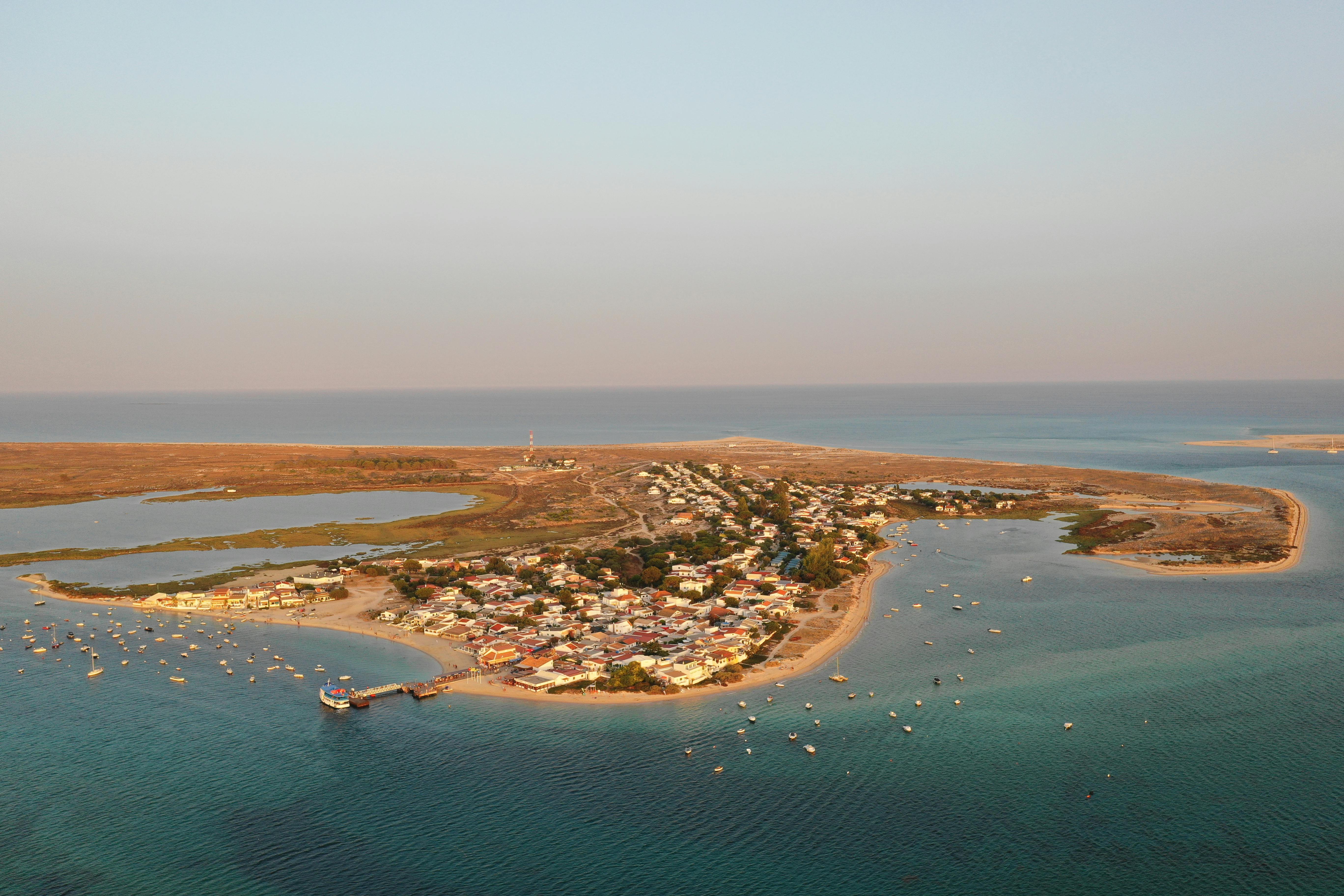
Ria Formosa Lagoons: Where Tidal Waters Meet Salt-Marsh Shores
Standing on the waterfront at Olhão at nine in the morning, the tide pulls water silently through narrow channels. Salt flats stretch wide and pale. Flamingos stand in shallow pools, their pink feathers soft against grey mud. The air smells of brine and drying seaweed. A ferry ticket to the sandbar islands costs five euros one way. The crossing takes twenty minutes. You glide past seagrass beds and oyster farms. This land changes shape every six hours. High tide covers the flats; low tide reveals vast stretches of golden mud. The lagoon breathes, rising and falling with the ocean.
Why Ria Formosa Lagoons Matters
Ria Formosa stretches across eighteen thousand hectares along Portugal's southern coast. It formed when sea levels rose after the last ice age, creating a chain of sandbar islands that enclose calm, sheltered waters. Recognised as a natural park and Ramsar wetland site, it serves as a critical stopover for migrating birds and supports one of Europe's most productive coastal ecosystems. People have lived from these waters for thousands of years. Fishing, salt harvesting, and shellfish farming remain vital. Yet the lagoon faces real pressure. Aquaculture ponds replace natural marsh. Boat channels disturb seagrass beds. In summer, jet skis and fast ferries churn through quiet channels. Noise and wake drive birds away. Some sections feel crowded and overused. You must look beyond the busiest villages to find the quiet the lagoon deserves.
The Best Time to Experience Ria Formosa Lagoons
Visit from mid-April through June, or mid-September through October. Air temperature sits between 18°C and 24°C (64°F to 75°F). Water reaches 17°C to 21°C (63°F to 70°F). Migratory birds pass through in spring and autumn, bringing hundreds of species. July and August bring 25°C to 29°C (77°F to 84°F). The lagoon feels busy then. Boats crowd channels and shellfish beds close to harvesting. November through March brings cooler days around 14°C to 18°C (57°F to 64°F). Many ferries reduce service or stop entirely. Some restaurants close. Arrive two hours before high tide. Water fills the channels and birds gather in accessible pools. Everything looks its best then.
Approximate Budget for a 7-Day Trip
Estimates cover one person based in eastern Algarve exploring the lagoon and islands.
- Accommodation: €40–€75 per night; €280–€525 total. Stay in Olhão or Tavira. Both sit right at the water and cost less than Faro.
- Food & Drink: €14–€26 daily; €98–€182 total. Fresh shellfish and fish cost less in fishing villages. Avoid marina-front restaurants; prices jump significantly.
- Transport & Ferries: Island ferries €5–€8 one way. Buses between towns €3–€5. Rental bike €8–€12 daily. Budget roughly €10–€18 daily; €70–€126 total.
- Attractions & Tours: Birdwatching boat tours €35–€50. Island beaches free. Salt pans and museums €3–€6. Budget roughly €40–€60 total.
- Miscellaneous: Sunscreen, hat, water; €5–€10 daily; €35–€70 total.
Total estimated cost: €523 to €963
Organised "lagoon tour" packages charge €45–€65 per person. You pay nearly double what independent travel costs. Buy ferry tickets separately, walk the islands yourself, and save more than thirty euros per day.
Essential Ria Formosa Lagoons Experiences
- Take the ferry to Armona Island. Walk the long beach and watch the tide shift. The village sits quiet and low. Few cars exist. You see the lagoon stretch back toward the mainland. Skip if strong wind blows; sand covers pathways and walking becomes uncomfortable.
- Walk the salt pans at low tide. Visit the historic pans near Tavira or Olhão. See how salt crystallises in shallow pools. Birds gather to feed on exposed mud. The patterns look geometric and beautiful.
- Watch flamingos and waders at dawn. Drive the quiet roads between Santa Luzia and Tavira. Birds stand in shallow water. Light hits their feathers. Go before nine; by midday most birds move away.
- Walk the sandbar at Culatra Island. Cross from the village to the ocean side. Wide dunes stretch unbroken. The water changes colour from turquoise to deep blue. The walk takes forty minutes each way.
- Glide the channels at high tide. Rent a quiet electric boat or paddle kayak. Move silently through seagrass beds. Fish dart beneath the surface. You see what fast ferries miss entirely.
- Eat clams or oysters straight from the water. Sit at a simple waterfront table. Shellfish arrive fresh with lemon and bread. Taste the lagoon itself. Eat only where boats unload daily; freshness matters greatly.
Hidden Gems Most Travelers Miss
- Ilha do Farol eastern end. Walk past the village. Dunes grow wild and tall. The ocean beach stretches empty. Most visitors stay near the ferry dock and never walk this far.
- Quinta do Marim tidal flats. Drive the narrow road toward the national park headquarters. Large flocks gather here at high tide. No entrance fee and almost no crowds.
- Santa Luzia waterfront at dusk. Walk the promenade as boats return. The lagoon turns gold and pink. Restaurants open later; sit quietly and watch light fade across the water.
- The famous boat tour from Faro costs premium and rushes past the best spots. You see less and pay more. Take the cheaper ferry from Olhão instead. It goes where tours do not.
Cultural & Practical Tips
- Check tide times before planning. The lagoon changes completely every six hours. What looks like water today becomes mudflat tomorrow. You may arrive and find no channel to sail.
- Stay on marked paths. Salt-marsh crust breaks easily. Beneath lies deep, sticky mud. People step off-trail and sink. Rescue takes time. Walk carefully.
- Respect shellfish beds. Oyster and clam farms support local families. Do not anchor, fish, or walk within marked zones. Many generations tend these waters.
- Bring binoculars if you have them. Birds stand far out on flats. You see details and species otherwise invisible. Ordinary glasses work surprisingly well.
- Buy ferry tickets at the dock. Online booking adds fees. Ferries run frequently and rarely sell out except on holiday weekends. Pay cash and save money.
Essential Visitor Information
Location & Access: Eastern Algarve coast between Faro and the Spanish border. Main gateways: Olhão, Tavira, Santa Luzia, Faro. By car: A22 motorway then N122 toward coast. By bus: regional lines connect towns hourly; €3–€5 per ride. By train: Olhão and Tavira served from Faro roughly every hour; €4–€6 one way.
Tickets & Booking: Natural park access free. Island ferries €5–€8 one way. Birdwatching boat tours €35–€50. Salt pan and museum entry €3–€6. No general reservation needed; book boat tours one day ahead in summer.
Operating Hours: Lagoon always accessible. Ferries run roughly 08:00 to 19:00, reduced October through March. Visitor centres generally 09:30 to 17:00, closed Mondays.
Visit Duration: Minimum two days. Allow four to five days to visit different islands, walk salt pans, and see tide changes without rushing.
Family Suitability: Islands and waterfronts flat and accessible. Sand dunes unsuitable for strollers. Restrooms available at ferry docks and island villages. Carry water; facilities sparse on beaches.
Timing: Best seasons April–June and September–October. Best time: two hours before high tide. Early morning offers best birdwatching and quietest light.
Highlights: Armona and Culatra islands, historic salt pans, tidal flats at high tide, flamingo viewing areas, ocean beach dunes.
Nearby & Day Trip: Tavira historic centre nearby. Faro old town twenty minutes. Castro Marim salt marshes and castle eastward near border. Spain’s Ayamonte feasible as longer day trip; forty-five minutes by car or ferry.
Conclusion: Travel with the Tide, Not Against It
Ria Formosa Lagoons live by water. They rise and fall. They change shape and light. Respect the tide. Walk quietly. Stay on paths. Eat what the lagoon produces. You see more when you move slowly. Would you rush from boat to photograph, or sit still for an hour and watch the tide come in?
Post a Comment