Tavira Roman Bridge: Where Imperial Engineering Meets Algarve Tidal Waters
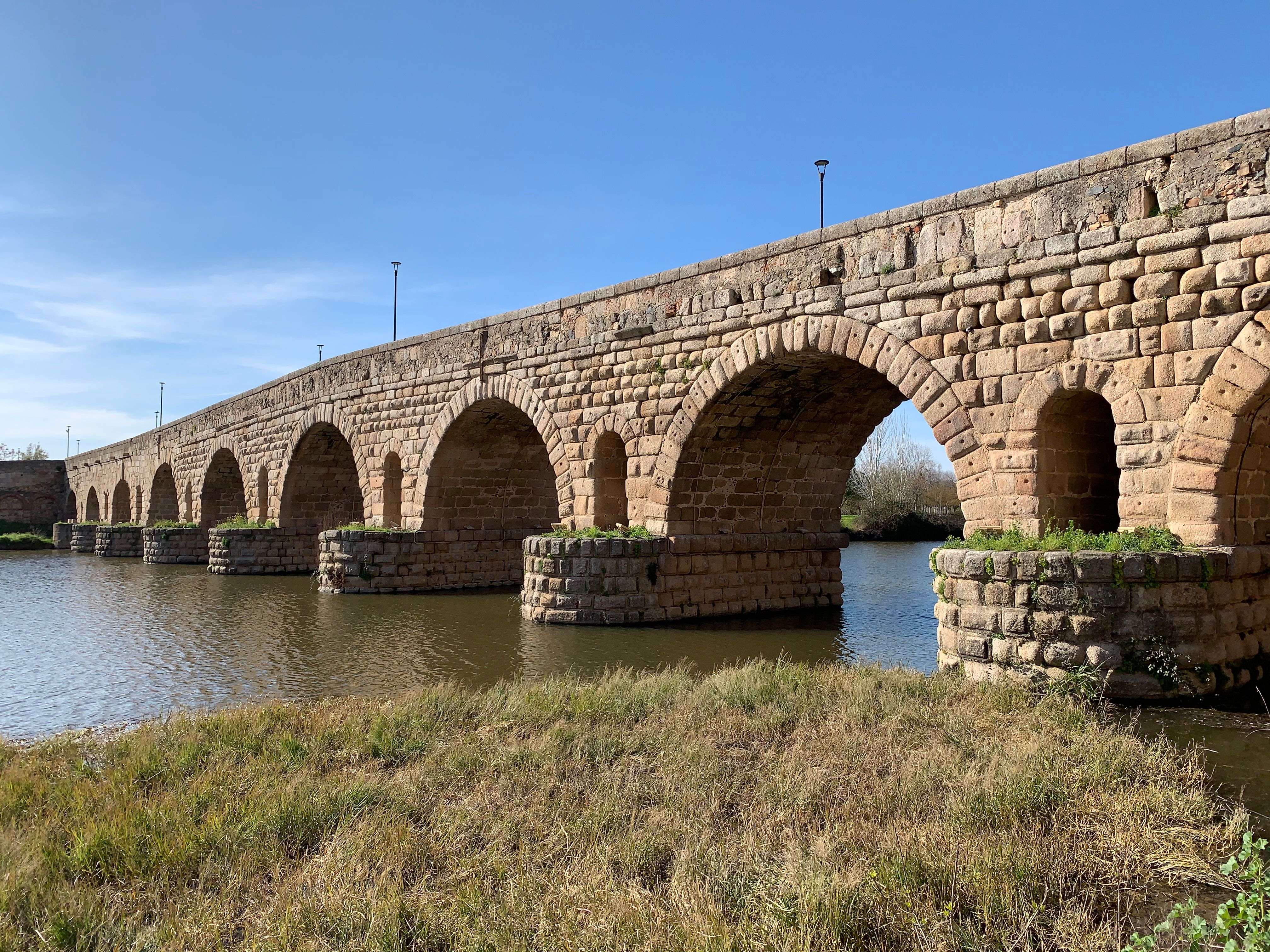
Tavira Roman Bridge: Where Ancient Stone Meets Quiet River
Standing in the middle of the bridge at ten in the morning, cool air rises from the water below. The Gilão River flows slow and clear beneath seven stone arches. Light hits pale limestone and casts sharp shadows. You walk across slabs worn smooth by two thousand years of footsteps. No entry fee applies. No ticket booth stands at either end. People walk dogs, push bicycles, and pause to watch fish dart in the current. This structure has spanned the river since Roman times. It still serves exactly the same purpose today.
Why Tavira Roman Bridge Matters
The bridge formed part of the Roman road that connected coastal settlements along the Algarve. It carried travellers, goods, and armies across the Gilão River at a point where the valley narrows. Historians believe the original structure stood here during the first century AD. The arches you see today date mostly from medieval reconstruction, following the same foundations and alignment. That continuity matters. People crossed here eighteen centuries ago, and you walk the same path. Yet the site receives almost no formal protection or explanation. No information panels tell its story. Modern buildings crowd both approaches. Utility pipes run visibly along the stonework. Many visitors walk across without realising how old it truly is. The place feels loved but poorly cared for.
The Best Time to Experience Tavira Roman Bridge
Visit from mid-April through June, or mid-September through October. Air temperature sits between 17°C and 24°C (63°F to 75°F). The river flows gently and reflects light clearly. July and August bring 25°C to 29°C (77°F to 84°F). Sun beats hard on pale stone and offers little shade. Arrive before nine in the morning then. November through March brings cooler days around 14°C to 18°C (57°F to 64°F). Rain can raise water levels and make surfaces slippery. Go at sunrise or late afternoon. Light angles through the arches and creates patterns across the water. Midday flattens everything and washes detail away.
Approximate Budget for a 7-Day Trip
Estimates cover one person based in Tavira exploring the bridge and surrounding eastern Algarve.
- Accommodation: €40–€70 per night; €280–€490 total. Stay within walking distance of the river. Prices sit lower than in coastal resort areas.
- Food & Drink: €12–€24 daily; €84–€168 total. Eat in the town centre. Restaurants beside the bridge charge premium prices for the view.
- Transport: Walking covers everything in Tavira. Train from Faro €5 one way. Bus to eastern villages €3–€5. Budget roughly €6–€12 daily; €42–€84 total.
- Attractions: Bridge free. Tavira Castle grounds €3. Museum €4. Other churches and sites average €2–€5. Budget roughly €25–€35 total.
- Miscellaneous: Water, snacks, small purchases; €4–€8 daily; €28–€56 total.
Total estimated cost: €459 to €833
River cruise boats moored beside the bridge charge €18–€25 per person for a thirty-minute trip. Walk the same route along both banks and see everything for free. You save money and enjoy the view longer.
Essential Tavira Roman Bridge Experiences
- Walk across slowly at water level. Notice how the arches frame the river. Stone slabs show deep grooves from centuries of use. Stand still and feel how solid the structure remains after two thousand years.
- Stand beneath the arches at river level. Approach from the bank. See how foundations meet water. The shape of each arch changes the flow. Light filters through differently at every hour. Skip if water runs high; the path may be submerged.
- Watch sunrise through the arches. Stand on the western bank. Light travels along the river and illuminates stone from below. The bridge turns warm gold before the town wakes up.
- Compare perspectives from upstream and downstream. Walk to the next bridge north and look back. See how the Roman structure fits the valley. Notice the angle builders chose so long ago.
- Walk the full length at dusk. Streetlights come on gently. Their glow reflects in the water. The arches turn dark and distinct. The bridge feels quieter and older without sunlight.
- Notice how water flows around piers. Observe the cutwaters at the base of each arch. They split the current and protect stone from erosion. Romans understood river dynamics perfectly.
Hidden Gems Most Travelers Miss
- Riverbank path north of the bridge. Walk upstream along the quiet bank. Trees shade the water. You see the bridge fully formed, away from buildings and crowds.
- Old stone ramp on the eastern side. Steps lead down to the water. Locals once washed and filled buckets here. The slope remains worn smooth and easy to miss.
- View from the castle terrace. Climb up and look down. The bridge pattern stands out clearly against the river. You see how it aligns perfectly with the old Roman road.
- The souvenir shop right beside the bridge sells identical items at nearly double the price found elsewhere in Tavira. Walk two streets inland and pay half for better quality.
Cultural & Practical Tips
- Watch your footing. Stones stay damp and slippery. Deep grooves catch heels and toes. Many visitors trip while looking at the view instead of the ground.
- Walk carefully. The bridge stays open to pedestrians and cyclists. No barriers separate directions. Keep to one side and step aside when needed.
- Visit early or late. Midday groups crowd every arch. Photographs show people instead of stone. The bridge feels peaceful only when crowds thin.
- Do not expect plaques or signs. The bridge lacks formal interpretation. Read about it beforehand. Most visitors leave unaware of its age or importance.
Essential Visitor Information
Location & Access: Gilão River, central Tavira. Connects Praça da República on the west bank with Rua do Castelo on the east. By foot: two minutes from Tavira town centre. By train: five minutes walk from Tavira station. By car: limited parking near the bridge; use public car parks five minutes away and walk.
Tickets & Booking: No charge. No tickets. No booking. Open twenty-four hours daily.
Operating Hours: Always accessible. No closure except flood or major maintenance. River level may cover approaches in heavy rain.
Visit Duration: Twenty minutes to walk across and back. Allow one hour to explore both banks and view from different angles.
Family Suitability: Flat surface suitable for strollers. Low parapets; supervise young children near edges. Restrooms available nearby in town centre.
Timing: Best seasons April–June and September–October. Best times: sunrise or one hour before sunset.
Highlights: Seven Roman-style arches, worn stone pathway, river reflections, upstream and downstream views, alignment with old town.
Nearby & Day Trip: Tavira Castle five minutes walk. Praça da República and town centre nearby. Ria Formosa lagoon fifteen minutes walk. Faro forty minutes by train; easily combined with same-day sightseeing.
Conclusion: Travel with Respect, Not Just Photographs
Tavira Roman Bridge stands as it has for centuries. People pass over it every day. It carries life forward without fanfare. It needs no ticket and asks no fee. Walk slowly. Watch your step. Imagine Roman soldiers and merchants crossing here long before you. Would you rush across for a quick photo, or pause and feel the weight of two thousand years beneath your feet?
Post a Comment