
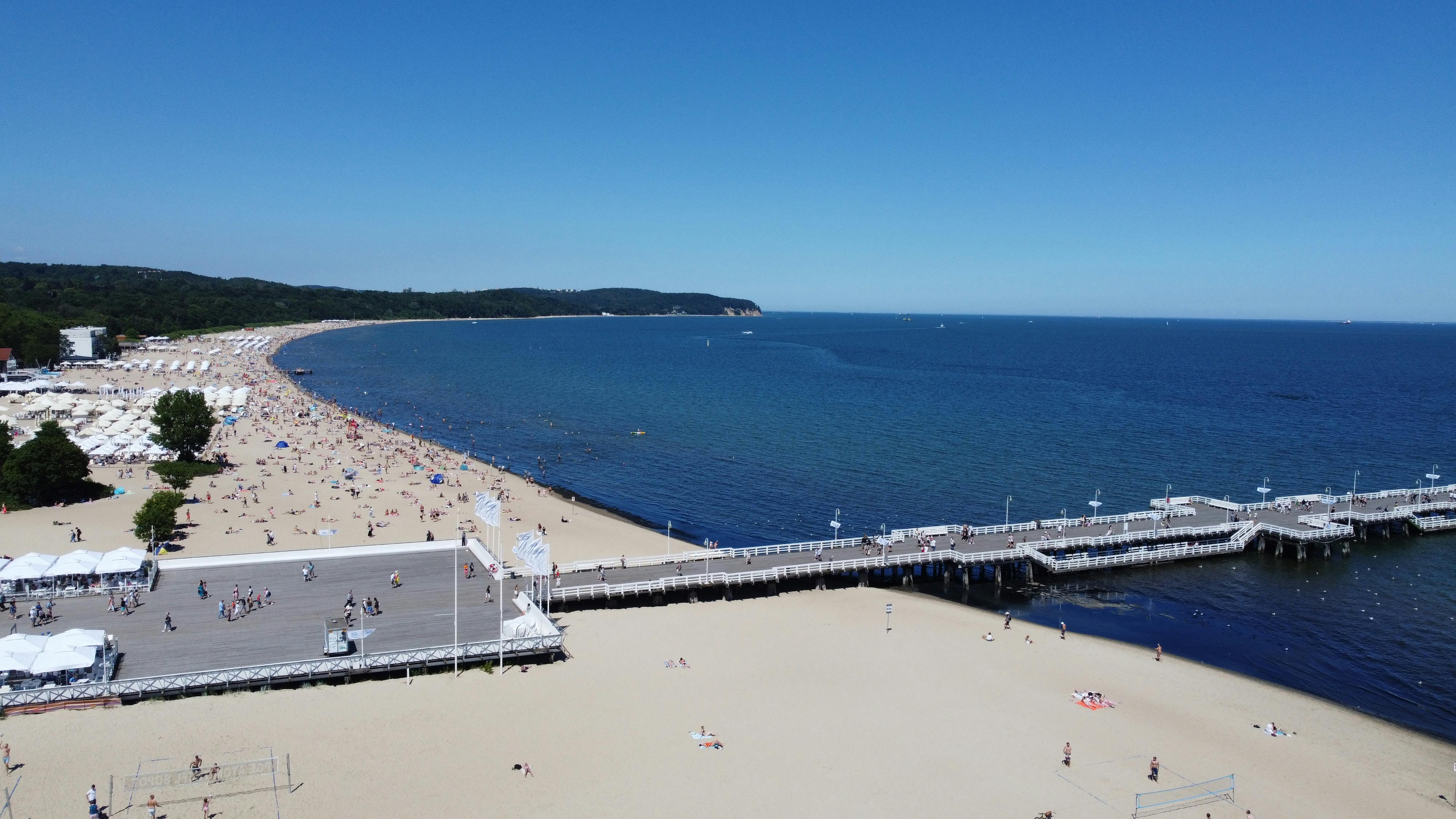
Sopot Pier: Where Baltic Waves Meet Architectural Elegance
Golden hour light spills across the Baltic Sea as you step onto Sopot Pier—Europe's longest wooden pier stretching 515.5 meters into the water, where the scent of sea salt mingles with the faint aroma of freshly baked krówki (caramel candies) from nearby vendors. The air carries the soft crunch of wooden planks beneath your feet, the distant call of seagulls circling above the lighthouse, and the gentle lap of waves against the pilings that have stood since 1927. You hear the soft murmur of multilingual conversations as visitors from around the world stroll this historic promenade, the rhythmic pulse of summer concerts drifting from the pier's stage, and beneath it all, the quiet persistence of memory that refuses to be forgotten. This isn't merely a pier—it's a living chronicle of Polish seaside culture, where meticulously maintained wooden architecture meets the ever-changing moods of the Baltic Sea, and where every step connects you to generations of travelers who have sought solace, romance, and recreation along this iconic waterfront. Standing at the pier's end with the lighthouse rising behind you, you feel the same breeze that has carried the hopes and dreams of vacationers since the interwar period—a place where history breathes through the daily rhythm of café culture, evening promenades, and the timeless dance between land and sea.
Why Sopot Pier Embodies Seaside Heritage
Sopot Pier represents far more than scenic beauty—it embodies one of Europe's most significant examples of wooden pier architecture, where engineering ingenuity meets cultural tradition. Constructed between 1927–1928 as part of Sopot's development as Poland's premier seaside resort, the pier spans 515.5 meters in length (making it the longest wooden pier in Europe), with a width of 7 meters and standing 6 meters above sea level at its highest point. The pier solved a fundamental challenge of seaside tourism: how to create a stable, accessible platform extending into the Baltic Sea despite challenging weather conditions and shifting sands. Built using 2,500 cubic meters of pine and oak, the structure features 600 wooden pilings driven 15 meters deep into the seabed—a remarkable feat of engineering for its time. What makes Sopot Pier unique is its historical continuity: unlike many European piers destroyed during World War II, Sopot's structure was deliberately targeted and partially destroyed by German forces in 1945, only to be meticulously rebuilt between 1949–1954 using original plans and techniques. The pier's distinctive wooden architecture—featuring decorative railings, observation decks, and the iconic lighthouse at its terminus—creates a visual language that speaks of its century-long role as a social hub and recreational space. Unlike modern concrete piers, Sopot maintains its traditional wooden construction, requiring constant maintenance and periodic replacement of planks while preserving the original design. The pier's strategic placement along the Bay of Gdańsk creates a natural breakwater that calms the waters for swimmers while offering panoramic views of the Tri-City coastline—a delicate balance of utility and beauty that has defined Sopot's identity as Poland's "summer capital" since the early 20th century.
The Best Time to Experience Sopot Pier
To experience Sopot Pier at its most atmospheric, plan your visit between May 20–June 15 or September 10–October 15, when daytime temperatures range from 15–22°C (59–72°F) and the surrounding promenade blooms with spring blossoms or glows with autumn colors. During these windows, you'll enjoy comfortable conditions for walking, photography, and attending outdoor concerts without summer's humidity or winter's biting cold. For optimal photography of the wooden architecture and sea views, arrive at 7:00–8:30 AM when morning light strikes the eastern facade, illuminating architectural details with soft, directional illumination while the sea surface remains glassy calm. Alternatively, visit at 5:00–6:30 PM during golden hour when warm light transforms the wooden structure into amber tones and creates dramatic reflections on the water. You should firmly avoid July 15–August 25 when temperatures can exceed 28°C (82°F), the pier becomes congested with tour groups, and harsh overhead light flattens the texture of historic wooden surfaces. For event schedules, opening hours, and special exhibitions, visit https://mosirsopot.pl.
Approximate Budget for a 7-Day Trip
Visiting Sopot Pier requires basing yourself in Sopot or nearby Gdynia with easy walking access to the waterfront. The following budget assumes moderate travel style—comfortable boutique hotels, authentic Polish cuisine, and a mix of public transportation and occasional taxi rides. Prices are listed in Polish Złoty (PLN) with euro equivalents for international travelers (1 EUR ≈ 4.3 PLN in 2026).
- Accommodation: 130–300 PLN (30–70€) per night in Sopot or Gdynia. Budget pensions start at 65 PLN; mid-range boutique hotels run 300–550 PLN (70–128€).
- Food: 55–85 PLN (13–20€) per day total. Breakfast: 18–28 PLN for traditional śniadanie with jajecznica, local cheese, and fresh bread. Lunch: 25–40 PLN for pierogi or bigos at a milk bar like Kawiarnia Pasaż. Dinner: 45–75 PLN for sit-down meals featuring Baltic fish, oscypek cheese, and craft beer.
- Transportation: Local tram/bus: 3.40 PLN (0.80€) for 20 minutes; one-day pass: 16 PLN (3.70€); Uber/Bolt: ~15 PLN (3.50€) for short trips within city center.
- Attractions: Sopot Pier entry: free; Lighthouse visit: 15 PLN (3.50€); Museum of Sopot: 20 PLN (4.70€); Guided pier tour: 45 PLN (10.50€).
- Miscellaneous: Baltic amber jewelry: 100–250 PLN (23–58€); traditional Polish pottery: 40–90 PLN (9–21€); folk music concert ticket: 50–120 PLN (12–28€).
Total 7-Day Budget: 2,800–4,200 PLN (650–980€) per person (excluding international flights)
7 Essential Sopot Pier Experiences
- Walk the Entire Pier at Dawn: Arrive at 6:30 AM to experience the pier with minimal crowds as morning light illuminates the wooden architecture and sea views. The quiet atmosphere allows for reflection on the pier's century-long history while capturing architectural details in soft morning light. Free; allow 60 minutes; wear comfortable shoes for walking on wooden planks.
- Visit the Lighthouse at the Pier's End: Explore the iconic lighthouse that marks the terminus of Europe's longest wooden pier. The observation deck offers panoramic views of the Tri-City coastline, the Bay of Gdańsk, and the ever-changing moods of the Baltic Sea. Visit mid-morning (10:00 AM–12:00 PM) when lighting enhances interior details; entry 15 PLN; allow 30 minutes.
- Attend a Summer Concert at the Pier Stage: Experience live music performances at the pier's central stage, where Polish and international artists perform against the backdrop of the Baltic Sea. The summer concert series runs from June–August with diverse musical offerings. Concerts typically begin at 7:00 PM; free; book online for premium seating; allow 90 minutes.
- Photograph the Pier's Architectural Details: Focus on the intricate wooden craftsmanship, decorative railings, and historical elements that make Sopot Pier unique among European waterfront structures. Visit mid-day (12:00–2:00 PM) when lighting illuminates wood textures and patterns. Free; allow 45 minutes; macro lens recommended for detailed shots.
- Taste Traditional Baltic Cuisine: Sample authentic dishes at restaurants like Restauracja Pier or Kawiarnia Pasaż: try pierogi, bigos, żurek, and Baltic fish dishes like smoked salmon or herring. The flavors connect you to centuries of maritime culinary tradition. Best experienced during lunch (12:00–2:00 PM); budget 45–75 PLN per meal.
- Visit the Museum of Sopot: Explore the dedicated museum space featuring exhibits on the pier's construction, historical significance, and cultural impact on Sopot's development as a seaside resort. The interactive displays and restored artifacts create a deeper understanding of the pier's legacy. Visit mid-week (Tuesday–Thursday) when guides provide detailed explanations; entry 20 PLN; allow 60 minutes.
- Experience the Midnight Sea Views: Return to the pier after dark to experience the unique atmosphere when the city lights reflect on the water and the sounds of the sea become more pronounced. The pier remains open until 11:00 PM during summer months. Best experienced on clear nights; free; allow 45 minutes; bring a flashlight for safety.
3 Hidden Gems Most Travelers Miss
- The Secret Observation Platform: Tucked away on the northern side of the pier, this elevated platform offers unique perspectives of the pier's structural engineering and the surrounding coastline. Most visitors miss it because it's not prominently marked. Access: Located approximately 200 meters from the shore; best visited mid-morning (10:00 AM–12:00 PM) when lighting enhances structural details. No additional fee; allow 20 minutes; wear comfortable shoes.
- The Historical Marker Trail: Hidden along the pier's railings, these subtle bronze markers detail the pier's construction history, significant events, and engineering milestones. Often overlooked because they're at eye level and require close examination. Access: Included with pier access; visit mid-morning (10:00 AM–12:00 PM) when lighting enhances text visibility. No additional fee; allow 30 minutes.
- The Sunset Photography Nook: This lesser-known vantage point near the lighthouse offers unobstructed western views perfect for capturing the sun setting over the Bay of Gdańsk. Most visitors gather at the very end of the pier, missing this ideal spot. Access: Located 50 meters before the lighthouse; best visited during golden hour (5:00–6:30 PM). No additional fee; allow 45 minutes; tripod recommended.
Cultural & Practical Tips
- Respect the Historic Structure: Sopot Pier is a protected cultural landmark—avoid sitting on railings or leaning against wooden structures that could cause damage. The pier requires constant maintenance to preserve its historic integrity.
- Essential Polish Phrases: "Dzień dobry" (jen doh-brih) = Good day; "Dziękuję" (jen-koo-yeh) = Thank you; "Proszę" (proh-sheh) = Please/You're welcome; "Molo Sopockie" (moh-loh soh-pot-chyeh) = Sopot Pier. Locals appreciate respectful efforts.
- Pier Strategy: Visit early morning for photography, late evening for atmosphere. Avoid midday when the pier is most congested with tour groups. Consider returning at different times to experience its changing character throughout the day.
- Photography Guidelines: Photography is permitted throughout the pier. For professional photography requiring tripods, contact the city's tourism office for necessary permissions. Avoid using flash directly on wooden surfaces.
- Weather Preparedness: Sopot experiences temperate maritime climate: summer highs reach 23°C (73°F); winter lows drop to -3°C (27°F). The pier can be windy year-round; carry a light layer even in summer.
- Accessibility Notes: Sopot Pier features mostly flat wooden pathways suitable for wheelchairs. The lighthouse has limited accessibility due to narrow staircases; contact staff for specific accessibility information.
- Combine with Nearby Sites: Enhance your Sopot Pier visit with walking-distance attractions: Monte Cassino Battle Monument (5 minutes), Sopot Beach (adjacent), and the Crooked House in nearby Gdynia (15 minutes). A regional perspective enriches understanding of the Tri-City's historical layers.
Conclusion: Travel with Presence, Not Just Observation
Sopot Pier invites you to do more than photograph wooden architecture against sea vistas. This is a place to stand where generations have sought solace by the water, where the quiet persistence of memory triumphs over time's passage, where the rhythmic pulse of waves against wooden pilings connects you to centuries of seaside tradition. When you walk the same planks trodden by interwar vacationers, post-war families rebuilding their lives, and modern travelers seeking connection with the sea, when you feel the Baltic breeze that has carried hopes and dreams for nearly a century, when you experience the changing moods of the water that have shaped coastal culture, you participate in a legacy that transcends tourism. Travel to Sopot Pier with reverence for the craftsmen who created this wooden masterpiece, for the preservationists who maintained it through turbulent times, for the community that cherishes this space as their own. Respect the fragility of historical structures—every careless touch on weathered wood, every piece of litter left behind, disrupts a balance measured in decades rather than moments. Understand that the serene atmosphere you cherish depends on the mindfulness of every visitor who comes after you. Let the pier's harmonious design humble your understanding, let its layered history deepen your compassion, and let the convergence of land and sea remind you that the most profound journeys are those that transform observation into meaningful connection with the enduring power of place.