
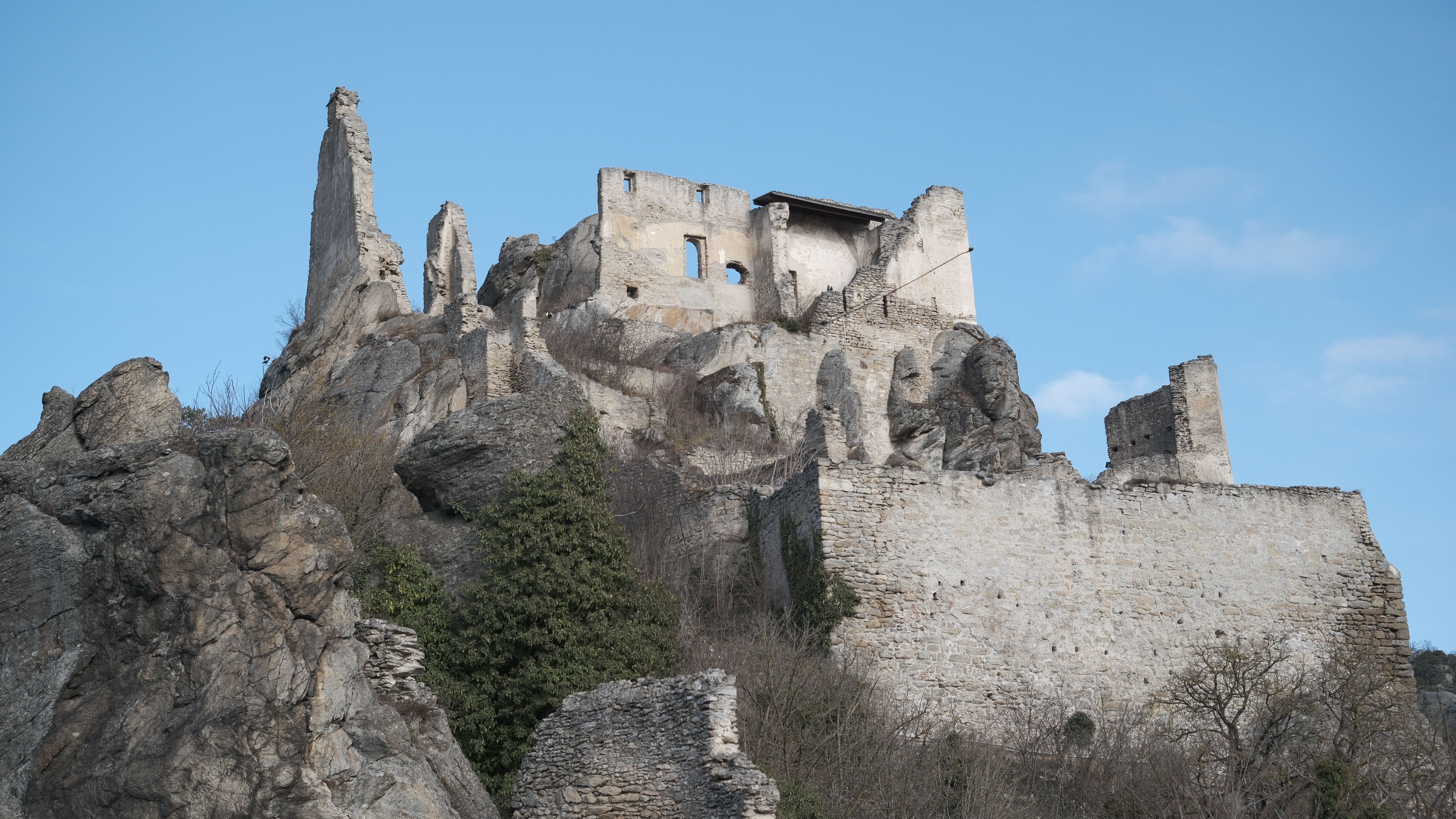
Szigliget Ruins: Where Medieval Stone Meets Lake Balaton's Azure Waves
The morning mist clings to the volcanic hills of northern Lake Balaton as the first rays of sun illuminate weathered limestone walls—walls that have stood sentinel over Hungary's largest lake for over seven centuries. You climb the winding path, your footsteps echoing on cobblestones worn smooth by generations of travelers, until suddenly the ruins reveal themselves in full: the skeletal remains of Szigliget Castle perched atop a 237-meter volcanic cone, its broken towers framing panoramic vistas where sapphire waters meet rolling vineyards. This is not merely a castle; it is a chronicle carved in stone, bearing witness to Ottoman sieges, aristocratic intrigue, and the quiet persistence of Hungarian resilience. The fortress, constructed in the mid-13th century following the devastating Mongol invasion, solved a critical defensive need—protecting the northern shore of Lake Balaton and controlling the vital trade routes that wound through the Bakony Mountains. Today, as you trace your fingers along the 2-meter-thick walls, you understand that Szigliget embodies something far greater than its crumbling stones: it represents the enduring spirit of a landscape where history, nature, and culture converge in perfect harmony.
Why Szigliget Ruins Embody Medieval Hungarian Resilience
Szigliget Castle stands as one of Hungary's most significant medieval fortifications, its origins rooted in the traumatic aftermath of the Mongol invasion of 1241-1242. King Béla IV, recognizing the kingdom's vulnerability, issued a royal decree mandating the construction of stone fortifications across the realm—Szigliget emerged as one of approximately 50 castles built during this defensive renaissance. The fortress's strategic placement atop a volcanic hill of the Badacsony wine region provided commanding views across Lake Balaton's 600-square-kilometer expanse, allowing defenders to monitor both waterborne and overland approaches. Construction began around 1260 under the Keszthely family, utilizing locally quarried basalt and limestone; the resulting structure featured a distinctive oval layout measuring roughly 120 meters in length, with walls reaching 8-10 meters in height and 2-2.5 meters in thickness. The castle's architectural evolution reflects Hungary's turbulent history: initial Romanesque elements gave way to Gothic modifications in the 14th century, while Renaissance bastions were added in the 1500s to counter Ottoman artillery. For nearly 400 years, Szigliget served as both military stronghold and administrative center, surviving multiple Turkish sieges—most notably the 1552 campaign when Ottoman forces, despite controlling much of central Hungary, failed to breach these walls. The fortress changed hands among noble families including the Lackfi, Báthory, and Széchy dynasties, each leaving their mark through renovations and expansions. By the late 17th century, as Habsburg forces expelled the Ottomans, Szigliget's military significance waned; a lightning strike in 1706 ignited gunpowder stores, causing catastrophic damage that left the castle in the atmospheric ruined state you explore today. Archaeological excavations beginning in the 1950s and continuing through the 1980s revealed medieval pottery, weapon fragments, and architectural details that now inform ongoing preservation efforts by the Balaton Uplands National Park Directorate.
The Best Time to Experience Szigliget Ruins
Timing your visit to Szigliget Castle transforms a simple excursion into an unforgettable experience. The optimal window runs from May 15 through June 20 and September 10 through October 15, when temperatures hover between 18-24°C (64-75°F) and the summer crowds have not yet descended—or have already departed. During these shoulder seasons, you'll witness the Badacsony vineyards in full verdant glory or ablaze with autumn colors, creating a photographer's paradise against the backdrop of Lake Balaton's shimmering waters. For the most magical atmosphere, arrive between 7:00-9:00 AM when morning light bathes the limestone walls in golden tones and you'll likely have the ruins nearly to yourself; alternatively, 6:00-8:00 PM offers spectacular sunset views as the sky transforms in hues of amber and rose. Summer months (July-August) bring temperatures of 25-30°C (77-86°F) but also peak tourist numbers, with midday crowds making photography challenging and the climb more strenuous. Winter visits (November-March) present their own stark beauty—bare trees reveal architectural details obscured by summer foliage, and frost-covered stones create an ethereal atmosphere—though temperatures drop to -2 to 5°C (28-41°F), the site remains accessible, and some facilities operate on reduced hours. The castle grounds close during heavy snow or ice conditions for safety. Avoid national holidays like August 20 (St. Stephen's Day) when domestic tourism peaks. For current opening hours, admission prices, and special events like medieval festivals or wine tastings, always check the official tourism website: www.balaton-felvidek.hu or the Szigliget municipal site at www.szigliget.hu.
Approximate Budget for a 7-Day Trip
Exploring Szigliget and the broader Lake Balaton region offers exceptional value compared to Western European destinations, with costs varying based on accommodation style and dining preferences. The following breakdown assumes a moderate travel style—comfortable mid-range lodging, mix of casual and upscale dining, and comprehensive sightseeing. Prices are listed in euros (€) as Hungary, while using the forint (HUF), maintains price transparency for international visitors; current exchange rate approximately 1€ = 390 HUF.
- Accommodation: €45-€85 per night for a double room in a family-run guesthouse (panzió) in Szigliget or nearby Badacsonytomaj; boutique lakeside hotels range €90-€150; budget hostels in larger towns like Keszthely start at €25-€35
- Food: €25-€40 per day total
- Breakfast: €5-€8 (included in most guesthouses; if not, traditional Hungarian breakfast with lángos, coffee, and pastries at local pékség)
- Lunch: €8-€12 (daily menu/napi menü at village restaurants—typically soup, main course, and dessert; try halászlé fisherman's soup or paprikás csirke)
- Dinner: €12-€20 (three-course meal at mid-range restaurant with local Badacsony wine; specialty dishes include fogas/Balatoni pike-perch, sült kolbász, or hortobágyi palacsinta)
- Transportation:
- Budapest to Tapolca/Szigliget area: Train €15-€25 one-way (2.5-3 hours via MÁV Hungarian Railways)
- Local bus (Szigliget to Badacsony, Keszthely): €2-€4 per ride (Volánbusz routes 7300, 7320)
- Bicycle rental: €8-€12 per day (explore the 200km Balaton Körút cycling path)
- Car rental: €30-€45 per day (recommended for exploring multiple villages and wine regions)
- Fuel: €1.50-€1.60 per liter
- Attractions:
- Szigliget Castle entrance: €4 adults, €2 students/seniors, free under 12
- Badacsony wine cellar tours: €8-€15 including tastings
- Tihany Abbey: €5 entrance
- Keszthely Festetics Palace: €12-€18 depending on tour scope
- Lake Balaton boat cruise: €15-€30 for 2-4 hour excursions
- Thermal baths (Hévíz): €15-€22 day pass
- Miscellaneous:
- Souvenirs (Badacsony wine bottles): €6-€15 each
- Local honey, paprika, or salami: €5-€12
- Postcards and crafts: €2-€8
- Travel insurance: €25-€40 for week-long coverage
Total estimated cost for 7 days (per person, double occupancy): €450-€750
7 Essential Szigliget Experiences
- Climb to the highest tower at sunrise: Ascend the 156 stone steps to the castle's northern tower before 8:00 AM when the morning light creates dramatic shadows across the ruins. From this vantage point 237 meters above sea level, you'll witness Lake Balaton stretching 78 kilometers to the horizon, with the Tihany Peninsula visible to the east and the Keszthely Mountains to the west. Bring a wide-angle lens—the panoramic view encompasses volcanic hills, terraced vineyards, and traditional white-washed villages. The climb takes approximately 15 minutes; wear sturdy shoes as the steps are uneven and can be slippery when wet.
- Walk the complete perimeter wall circuit: Follow the restored 380-meter walkway along the castle's outer fortifications, where informational plaques (in Hungarian, English, and German) detail the fortress's architectural evolution. Pause at the southern bastion to examine the 16th-century cannon emplacements and imagine the Ottoman siege of 1552. The walk reveals hidden details: arrow slits, drainage systems, and the remains of the medieval chapel. Allow 30-40 minutes for a leisurely circuit with photography stops.
- Attend a medieval festival or historical reenactment: Szigliget hosts several seasonal events, most notably the summer "Vári Napok" (Castle Days) in July featuring knights' tournaments, traditional crafts demonstrations, and period music performances. Check the official website for exact dates. During these festivals, the ruins transform into a living history experience with costumed interpreters, archery competitions, and medieval banquets (reservation essential, €35-€50 per person).
- Explore the underground casemates and tunnels: Descend into the castle's subterranean chambers, carved into the volcanic bedrock during the 16th century to store gunpowder and provisions. The cool, dimly lit passages (temperature constant at 12-14°C/54-57°F year-round) reveal the fortress's sophisticated defensive engineering. Flash photography is prohibited; the site provides adequate lighting. The tour takes 20 minutes and is included in general admission.
- Hike the volcanic trail to Badacsony Hill: From Szigliget, follow the marked blue trail (Kéktúra section) through vineyards and basalt rock formations to neighboring Badacsony Hill (438 meters). This 6-kilometer route (one-way) takes 2-2.5 hours and passes ancient stone cellars, geological formations created by volcanic activity 4-5 million years ago, and panoramic viewpoints. At the summit, visit the Kisfaludy Sándor kilátó (viewing tower) and reward yourself with Olaszrizling wine at a traditional borozó (wine tavern).
- Photograph the ruins during golden hour: Position yourself at the designated viewpoint on the eastern approach road approximately 90 minutes before sunset. This angle captures the castle silhouetted against the setting sun with Lake Balaton as foreground. The warm light (color temperature around 3200K) enhances the limestone's honey tones. Bring a tripod for long exposures; the viewpoint is accessible by car or a pleasant 20-minute uphill walk from the village center.
- Visit the village church and local museum: After exploring the castle, descend to Szigliget village to visit the 13th-century Roman Catholic Church of St. Michael, featuring Gothic frescoes and a baroque altar. Adjacent is the small but fascinating Szigliget Heritage House (Örökségház), open Tuesday-Sunday 10:00-17:00, displaying archaeological finds from the castle, traditional folk costumes, and exhibits on local winemaking. Admission €3; combined castle + museum ticket €6.
3 Hidden Gems Most Travelers Miss
- Szigliget Harbor and Fishing Village: While most visitors focus solely on the castle, the small harbor 1.5 kilometers south of the village center offers authentic lakeside charm. This working fishing port, one of Lake Balaton's few remaining traditional harbors, features wooden boats, fish-smoking sheds, and family-run halászcsárda (fish taverns) serving freshly caught fogas (pike-perch) and ponty (carp). Access: Follow signs from the village center downhill toward "Kikötő" (harbor); 20-minute walk or 3-minute drive. Best visited late afternoon when fishing boats return; try the halászlé (spicy fisherman's soup) at Halász Csárda (open daily 11:00-21:00, mains €9-€16). The harbor hosts a small beach with free swimming access and a jetty perfect for sunset photography.
- Nyírjes Vineyard and Stone Cellar Row: Tucked between Szigliget and Badacsonytördemic, this lesser-known vineyard features a remarkable row of 18th-century stone wine cellars carved into the hillside, still used by local vintners. Unlike the commercial wine bars of Badacsony, Nyírjes offers intimate tastings directly with winemakers in their historic cellars. Access: From Szigliget, take the road toward Badacsonytördemic; after 2.3 kilometers, turn left at the "Nyírjes" sign and follow the dirt road 800 meters uphill. Contact ahead: Nyírjes Pincészet (+36-20-555-1234; reservations recommended for English tastings). Tasting flights €10-€18; cellars open by appointment or weekends 14:00-19:00 April-October. The site offers spectacular views back toward Szigliget Castle and remains virtually unknown to tour groups.
- Szent Antal Chapel Ruins and Hermitage Trail: Deep in the forest on the western slope of the volcanic hill, these 15th-century chapel ruins and the remnants of a Pauline hermitage offer a mystical hiking destination few tourists discover. The chapel, dedicated to St. Anthony of Padua, was abandoned during the Ottoman period and slowly reclaimed by forest. Access: From Szigliget village center, follow the green hiking trail (zöld jelzés) marked "Szent Antal kápolna" for 2.8 kilometers through mixed oak-beech forest (45-minute hike, moderate difficulty). The trailhead is behind the village cemetery. The ruins are freely accessible; best visited in autumn when fallen leaves create a carpet of gold around the stone walls. Bring water and insect repellent in summer. Local legend claims the hermits who lived here produced medicinal honey and herbal remedies—some wild bee colonies still inhabit the surrounding trees.
Cultural & Practical Tips
- Language essentials: While younger Hungarians in tourist areas speak English, learning basic phrases shows respect. Key pronunciations: "Jó napot" (yo nah-pot) = Good day; "Köszönöm" (kur-sur-nurm) = Thank you; "Egy sört kérek" (edge shurt kay-rek) = One beer please; "Mennyi?" (men-nyee) = How much? Note: Hungarian uses family name first—so "Nagy János" means Mr. János Nagy.
- Currency and tipping: Hungary uses the forint (HUF), not the euro. While some tourist businesses accept euros, exchange rates are unfavorable. Use ATMs (bankautomata) for better rates; avoid currency exchange offices at train stations. Tip 10-12% in restaurants (not automatic); round up taxi fares; small tips (200-500 HUF) appreciated by tour guides.
- Photography guidelines: Photography is permitted throughout Szigliget Castle ruins without additional fee; however, tripods require special permission for commercial shoots. Drone photography is strictly prohibited without written authorization from the Balaton Uplands National Park Directorate (permit applications take 2-3 weeks). Respect "No Photography" signs in museum sections. When photographing locals, always ask permission first—"Lehet fényképezni?" (May I take a photo?).
- Wine culture etiquette: The Badacsony region is famous for its white wines, particularly Olaszrizling, Szürkebarát (Pinot Gris), and Kéknyelű. When wine tasting, it's customary to purchase at least one bottle if you've enjoyed an extended tasting. Never clink glasses when toasting—this tradition dates to the 1848 revolution's tragic aftermath. Simply raise your glass and say "Egészségedre!" (to your health). Wine tastings typically occur 15:00-19:00; arriving earlier may find cellars closed.
- Safety and terrain: The castle ruins feature uneven surfaces, loose stones, and unprotected edges. Wear closed-toe shoes with good grip (hiking boots or sturdy sneakers); avoid visiting during or immediately after rain when limestone becomes extremely slippery. Children must be supervised closely—there are no safety barriers along many sections. The climb involves 156 steps plus additional uneven terrain; not suitable for wheelchairs or those with severe mobility limitations. Carry water (minimum 1 liter per person in summer); no shops exist at the castle itself.
- Seasonal considerations: Lake Balaton's weather can change rapidly; even in summer, pack a light rain jacket and layers. Afternoon thunderstorms are common July-August. Mosquitoes are prevalent near the lake June-September—bring repellent. The region experiences strong winds, particularly the "balatoni szél" (lake breeze) that picks up around 2:00 PM—secure hats and be cautious near cliff edges. Winter visits require ice grips for shoes if frost is present.
- Respect for heritage: Szigliget Castle is a protected monument and part of the Balaton Uplands National Park. Do not climb on unstable walls, remove stones, or carve graffiti. Stay on marked paths to protect archaeological deposits. Dogs are permitted on leash but not allowed in museum areas. Pack out all trash—there are limited bins on-site. The site is smoke-free; designated smoking areas exist near the entrance.
Conclusion: Travel with Reverence, Not Just Curiosity
Szigliget Castle asks something profound of its visitors: to slow down, to trace the contours of history with mindful attention, to recognize that these stones are not merely picturesque ruins but the physical manifestation of centuries of human endeavor, conflict, and resilience. As you stand atop those weathered walls, watching sunlight dance across Lake Balaton's surface, consider that you walk the same path as medieval soldiers, Ottoman besiegers, aristocratic lords, and generations of Hungarian families who found refuge within these fortifications. This is travel as pilgrimage—not the superficial checklist of Instagram moments, but a deeper communion with place and time. The preservation of Szigliget depends not on grand gestures but on the collective respect of visitors who tread lightly, who support local winemakers and guesthouses rather than international chains, who learn a few words of Hungarian and engage with the living culture that surrounds these ancient stones. Leave only footprints; take only photographs and memories; carry forward the stories you've encountered here. For in the end, Szigliget's true treasure is not its panoramic views or its medieval architecture, but the quiet understanding that we are temporary custodians of places that have witnessed empires rise and fall—and will continue to stand, weathering time's passage, long after we've returned home.