Vitosha Mountain: Where Alpine Wilderness Meets Urban Energy
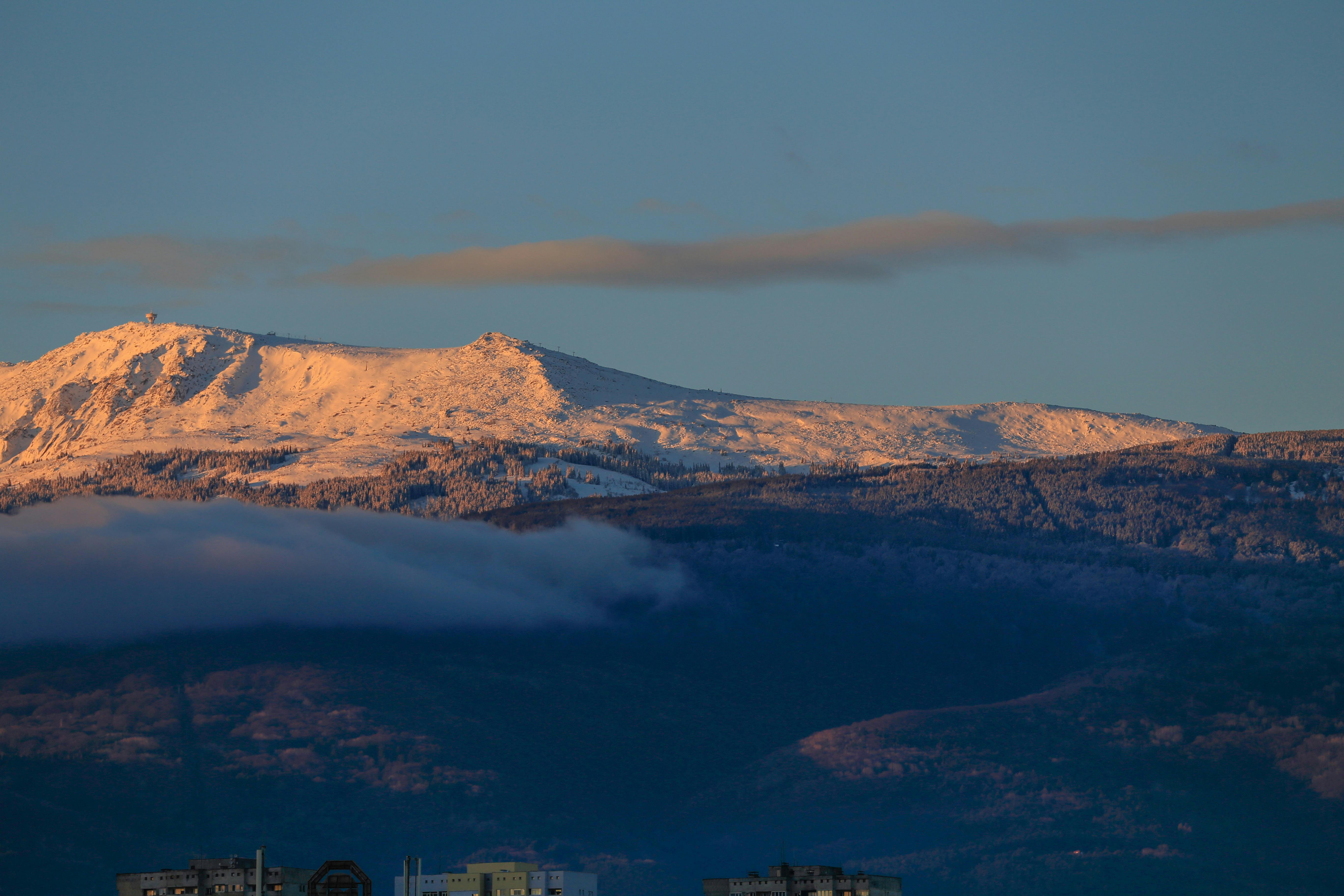
Vitosha Mountain: Where Alpine Stone Rivers Meet a Capital City's Edge
At 8:40 AM on a Saturday in June, I stepped off Bus 66 at Aleko Hut and started walking up the trail toward Cherni Vrah. The air was cool, maybe 12°C, and smelled of pine resin. Within twenty minutes, the forest opened onto a plateau covered in granite boulders the size of cars, tumbling down the slope like a frozen river. I paid 1.60 BGN for the bus. The trail itself costs nothing. No gate, no ticket booth, no staff. By 10:30 AM, the path from Aleko to the summit would fill with families and running clubs. That early morning hour, with Sofia visible below through gaps in the clouds, showed me why Vitosha is unlike any mountain in Europe. You can stand on a 2,290-meter summit and be back in the city for lunch.
Why Vitosha Mountain Matters
Vitosha is the first nature park in the Balkans, declared a protected area in 1934. It covers 27,079 hectares and shares a boundary with Sofia's city limits on three sides. The mountain rises directly south of the capital as a rounded, dome-shaped massif topped by Cherni Vrah at 2,290 meters. No other European capital has a mountain of this scale within its city limits.
The mountain is a syenite dome, a type of igneous intrusion that produced the characteristic stone rivers of slow-moving boulders found across its mid-slopes. These stone rivers, called moreni in Bulgarian, stretch for over two kilometers at Zlatnite Mostove, or the Golden Bridges. Some boulders are the size of small cars. They flash in morning light like scattered coins.
Vitosha holds two strict nature reserves: Bistrishko Branishte and Torfeno Branishte, the Peat Reserve. Brown bear, red deer, and chamois live on the upper slopes. The mountain was designated a UNESCO Man and Biosphere Reserve in 1977. More than 20 ski runs and hundreds of kilometers of trails keep visitors busy year-round.
Here is the honest criticism. Vitosha is not Rila or Pirin. It is a smaller, gentler mountain without the dramatic glacial lakes or jagged peaks of Bulgaria's higher ranges. Some visitors expecting alpine wilderness leave disappointed by its rounded, accessible terrain. The proximity to Sofia also means crowds on weekends and holidays. On a sunny Saturday in summer, the trail from Aleko to Cherni Vrah can feel more like a city park than a mountain escape.
The Best Time to Experience Vitosha Mountain
June and September are the best months for hiking. Daytime temperatures at lower elevations range from 20-28°C (68-82°F). Above 2,000 meters, temperatures drop to 10-18°C (50-64°F). Afternoon thunderstorms are common in summer, so start hikes early and plan to descend by mid-afternoon.
July and August bring the warmest weather, with temperatures reaching 28-31°C (82-88°F) in Sofia. The mountain stays cooler, but the trails get busy. The peak season runs from June through August when the weather is generally warm and pleasant for hiking, mountain biking, and picnicking.
September offers my personal recommendation. Temperatures settle between 18-25°C (64-77°F). The summer crowds thin out, especially on weekdays. The light turns golden, and the autumn foliage starts to appear. September is also the driest month, with about 53 mm of rainfall.
October brings cooler temperatures of 15-22°C (59-72°F) and changing leaves. Rain becomes more frequent, averaging 84 mm for the month. The mountain looks dramatic under grey skies, and you often have the trails to yourself.
Winter from December through March means snow, skiing, and snowshoeing. Temperatures at the summit can drop to -11°C (12°F). Snow cover lasts through March, and the ski season peaks in January and February. The mountain is accessible year-round, but winter hiking requires proper gear and experience.
Arrive at trailheads before 9:00 AM regardless of season. The weekend crowds from Sofia arrive by mid-morning, and parking at Aleko fills quickly.
Approximate Budget for a 7-Day Trip
Vitosha Mountain itself costs almost nothing. The nature park has no entrance fee. Your budget depends on how you structure a broader Sofia trip. Here is a realistic breakdown for one person:
- Accommodation: 350-700 BGN (180-360 EUR) for 7 nights. Budget hotels and hostels in Sofia average 50-90 BGN per night. Staying in the city center puts you within a short bus or taxi ride of the mountain.
- Food: 280-450 BGN (145-230 EUR). A meal at a local tavern runs 15-30 BGN. The mountain hut at Aleko serves bob chorba and warm tea for under 10 BGN. Supermarket supplies cost about 10 BGN daily.
- Transport: 100-250 BGN (50-130 EUR). Bus 66 from Hladilnika terminal to Aleko costs 1.60 BGN. Bus 63 to Zlatnite Mostove costs the same. Both run only on weekends and public holidays. On weekdays, a taxi costs 25-35 BGN one way.
- Attractions: 50-100 BGN (25-50 EUR). The park is free. The Simeonovo gondola costs about 10 BGN round trip. Boyana Church charges 12 BGN for foreign visitors.
- Miscellaneous: 100-150 BGN (50-77 EUR) for coffee, snacks, and unexpected costs.
Total: 880-1,650 BGN (450-845 EUR) for 7 days.
One overpriced trap: organized day tours from Sofia. These charge 80-150 BGN per person and include transport to the mountain. The bus costs 1.60 BGN. The taxi costs 25-35 BGN. Do it yourself and save the tour fee.
Essential Vitosha Mountain Experiences
- Climb Cherni Vrah. At 2,290 meters, this is the highest point of Vitosha and Bulgaria's fourth-highest peak. The most popular route starts at Zlatni Mostove and takes 2.5-3 hours to ascend. The trail is well-marked with green-and-white blazes and signage in both Bulgarian and English. A meteorological station at the summit serves warm bean soup and cold beer on weekends.
- Walk the stone rivers at Zlatnite Mostove. The Golden Bridges are a spectacular field of granite boulders spread down the mountainside like a river. This is one of Europe's largest stone rivers. The easy forest loops here are suitable for families. Approach from Dragalevtsi or Boyana on well-worn trails.
- Hike to Boyana Waterfall. This 15-meter waterfall drops through pine forest above the western foothills. The trail starts near Boyana Church and takes about an hour each way. The path is steep in sections but manageable for most fitness levels. The waterfall is best in spring when snowmelt feeds the stream.
- Visit Dragalevtsi Monastery. This 14th-century Bulgarian Orthodox monastery sits in a secluded forest setting with frescoes and paintings. It is one of several monasteries around Sofia often called the "little Athos." Entry is free.
- Ride the Simeonovo gondola. The 6.27-kilometer gondola lift runs from Sofia's Simeonovo suburb to Aleko Hut. The ride takes about 25 minutes and offers aerial views of the city and the mountain. It operates on weekends only outside ski season.
- Explore the summit plateau. The area around Cherni Vrah is a broad, open plateau with panoramic views. On clear days, you can see Rila Mountain to the south and Sofia spread out below to the north. The terrain is gentle and forgiving.
- Skip the summit if you have knee problems. The descent from Cherni Vrah involves loose rock and steep sections. The trail can be hard on knees, especially in wet conditions. The stone rivers are also uneven and require careful footing.
Hidden Gems Most Travelers Miss
- Kamen Del Peak. A scenic spot with views over almost every neighborhood in Sofia. The walk from the nearest trailhead takes about 30 minutes and is easy for children and elderly visitors. Most tourists head straight for Cherni Vrah and miss this quieter viewpoint.
- Aleko's waterfalls. Cascading waterfalls along the Skakavitsa River at elevations between 1,011 and 1,160 meters. Access is via a marked trail from the Dragalevtsi Monastery parking lot, with the full hike taking about three hours. Few visitors know these exist.
- The Torfeno Branishte Reserve. This peat reserve protects a unique wetland ecosystem on the mountain's high plateau. Access is restricted, but the buffer zone offers trails through an unusual landscape. Most hikers pass by without knowing what it is.
- The southern approaches from Zheleznitsa and Bosnek. Quiet southern trails used by locals. Longer walk-ins through open terrain and karst caves offer the wildest side of the mountain. Very few foreign tourists come here.
- The overrated gem: the Aleko picnic area on summer weekends. This is the most crowded section of the mountain. Families, running clubs, and tour groups fill the area by mid-morning. If you want solitude, head to the ridge near Cherni Vrah or the southern trails instead.
Cultural and Practical Tips
- Wear layered, windproof clothing above 1,700 meters. Temperatures and wind change rapidly on Vitosha. A sunny morning can turn to fog and cold rain by noon. This is not a mountain for shorts and t-shirts.
- Bring sturdy hiking boots with good grip. The trails are rocky and sometimes muddy. The stone rivers are particularly uneven. Sneakers will not cut it on the upper sections.
- Tourist mistake to avoid: Assuming buses run daily. Bus 66 to Aleko and Bus 63 to Zlatnite Mostove operate only on weekends and public holidays. On weekdays, you must take a taxi or drive. Plan accordingly.
- Tourist mistake to avoid: Relying on the gondola. The Simeonovo gondola has been under intermittent repair. Verify its current status before planning your trip around it. The chairlifts at Aleko also have limited operating hours outside ski season.
- Start hikes before 9:00 AM on weekends. The crowds from Sofia arrive by mid-morning. Early starts mean empty trails and clearer summit views before clouds form.
- Check the weather forecast. Vitosha is famous for sudden fog and storms. The mountain rescue service responds to multiple incidents each year involving inadequately equipped or overconfident visitors.
- Carry cash for the mountain hut. The meteorological station at Cherni Vrah serves food and drinks, but it operates on weekends only and may not accept cards.
Essential Visitor Information
Location and Access: Vitosha Nature Park sits immediately south of Sofia, Bulgaria, covering 27,079 hectares. The main trailheads are at Aleko Hut, Zlatnite Mostove, Boyana, and Dragalevtsi. GPS coordinates for Aleko Hut are approximately 42.5822° N, 23.2922° E. By bus, take Bus 66 from Hladilnika terminal to Aleko Hut (about 45 minutes, 1.60 BGN, weekends only). Bus 63 or 122 runs to Zlatnite Mostove (weekends only). By taxi, the ride from central Sofia to Aleko costs 25-35 BGN. By car, drive south on the Simeonovo or Dragalevtsi roads toward the mountain.
Tickets and Booking: Vitosha Nature Park has no general entrance fee. Access to trails is free. The Simeonovo gondola and Vitoshko Lale chairlifts charge separate fees, typically around 10 BGN round trip. Boyana Church charges 12 BGN for foreign visitors. No advance booking is required for individual visits. Mountain huts accept reservations for overnight stays.
Operating Hours: The park is open year-round, 24 hours a day. The Simeonovo gondola operates on weekends only outside ski season, from 9:30 AM to 5:00 PM. The Vitoshko Lale chairlifts also run weekends only, with the same hours. In winter, lifts run daily for skiing. The meteorological station at Cherni Vrah serves food on weekends only.
Visit Duration: Minimum half a day for a hike to Boyana Waterfall or a walk at Zlatnite Mostove. Recommended a full day to summit Cherni Vrah and return. An overnight stay at Aleko allows you to experience the mountain at dawn and dusk.
Family Suitability: Suitable for families with children. Short forest loops at Zlatnite Mostove work for young kids. The hike to Boyana Waterfall is manageable for children who can walk on uneven terrain. The summit hike to Cherni Vrah is more challenging and better for older children. No stroller access on trails.
Timing: Best season is June-September for hiking. Best time of day is early morning before 9:00 AM to avoid crowds and afternoon storms. For winter sports, January and February offer the best snow conditions.
Highlights: Cherni Vrah summit, the stone rivers at Zlatnite Mostove, Boyana Waterfall, Dragalevtsi Monastery, Kamen Del Peak, and the summit plateau views over Sofia.
Nearby and Day Trip: Boyana Church (UNESCO site, 10 minutes from the mountain's base) has medieval frescoes and charges 12 BGN. The National History Museum (adjacent to Boyana) displays Thracian gold and Bulgarian artifacts. Pancharevo Lake (20 minutes) offers swimming and water sports. The town of Pernik (30 minutes) has a medieval fortress. All are feasible as day trips from Sofia.
Conclusion: Travel with Awareness, Not Just Altitude
Vitosha Mountain rewards travelers who understand what it is: a real mountain with real weather, sitting on the edge of a capital city. The trails cost nothing, which means the only investment is your preparation and attention. Wear proper boots, check the weather, and start early. The stone rivers and alpine meadows have survived ice ages and urban sprawl. They will survive your visit. What will you notice when you stop treating a city mountain as a casual stroll and start respecting it as a genuine wilderness?
Post a Comment