
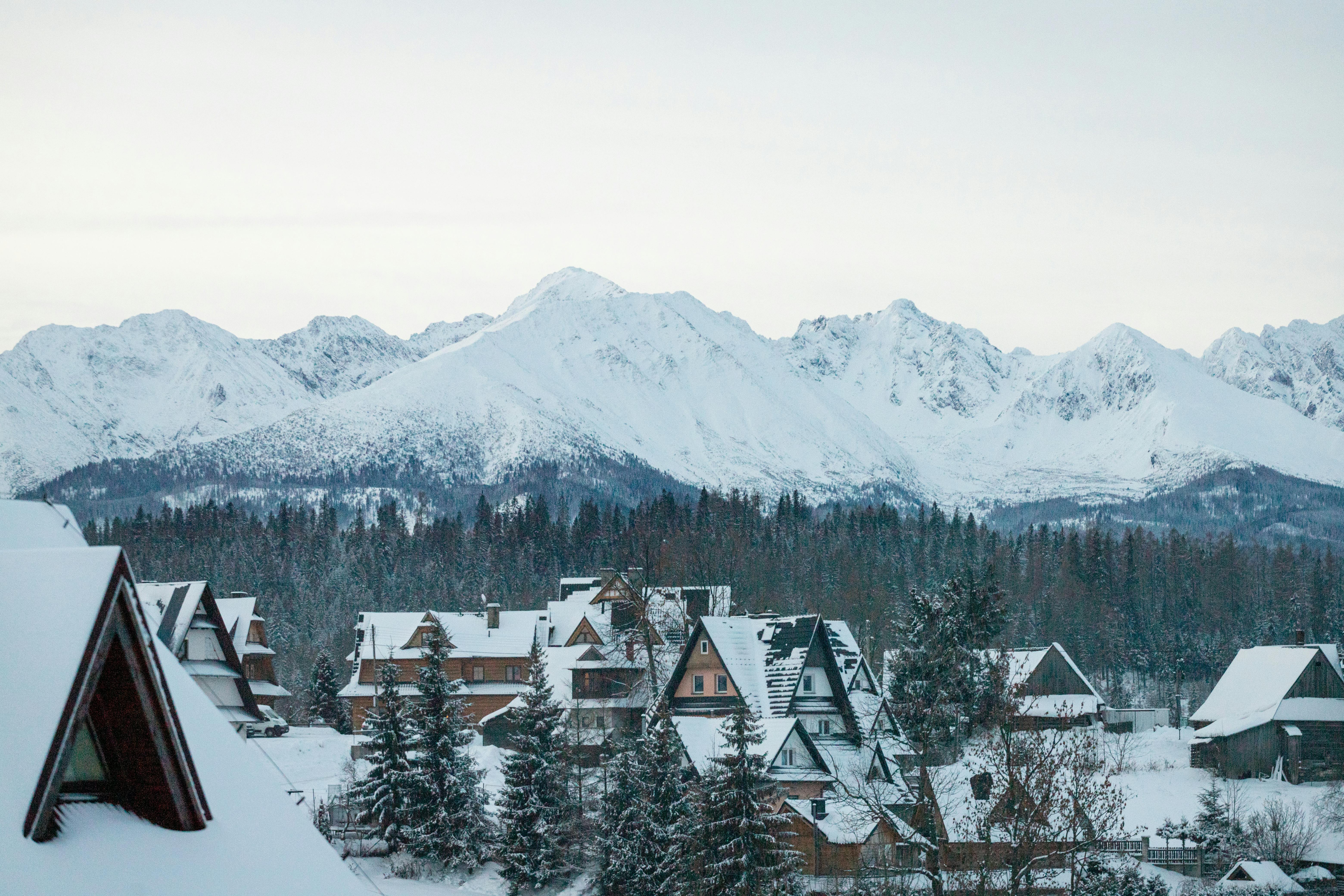
Zakopane Tatra Mountains: Where Alpine Majesty Meets Highland Culture
Early morning mist curls around snow-dusted peaks as you stand in the heart of Zakopane—a highland town cradled by the Tatra Mountains, where the scent of smoked oscypek cheese mingles with pine resin, and the distant echo of traditional Górale music drifts from wooden chalets. You hear the soft crunch of snow beneath your boots, the gentle clatter of horse-drawn bryczka carriages on cobblestone streets, and the distinctive whistled language of the highland shepherds that has echoed through these valleys for centuries. This isn't merely a mountain town—it's a living tapestry where Polish highland culture intertwines with alpine majesty, where the 2,503-meter summit of Rysy pierces the sky while traditional wooden architecture hugs the valley floor. Walking through Krupówki Street, you feel the pulse of a community that has thrived at 800 meters above sea level since the 17th century, where every carved wooden detail tells a story of resilience against the mountain's harsh winters and breathtaking beauty. This place matters because it offers a rare fusion of natural wonder and cultural preservation—a sanctuary where modern visitors can experience traditions unchanged for generations while standing beneath Europe's most dramatic southern alpine peaks.
Why Zakopane Embodies Highland Cultural Heritage
Zakopane represents far more than scenic mountain vistas—it embodies the extraordinary preservation of Górale (highlander) culture against the forces of modernization and political change. Settled in the 17th century as a frontier outpost, Zakopane became an official town only in 1933, but its cultural roots stretch back centuries through the unique traditions of the Polish highlanders who adapted to life in the Tatra foothills [[20]]. The town solved a fundamental challenge of mountain living: how to create sustainable communities in harsh alpine conditions while maintaining distinct cultural identity. Traditional wooden architecture, exemplified by the intricate Zakopane Style developed by Stanisław Witkiewicz in the late 19th century, features steeply pitched roofs to shed heavy snow, ornate wood carvings symbolizing protection against evil spirits, and open hearths that served as both heat source and social center. The highest peak in the Polish Tatras, Rysy (2,503 meters), forms part of the natural border with Slovakia and has been a sacred site for highlanders since ancient times. What makes Zakopane unique is its living cultural heritage: unlike many mountain resorts transformed by tourism, this town maintains authentic Górale traditions through music, cuisine, language, and craftsmanship. The annual Górale Festival every June celebrates this heritage with traditional costumes, wooden instrument music, and demonstrations of cheese-making techniques unchanged for generations—a testament to cultural resilience that transcends tourism.
The Best Time to Experience Zakopane Tatra Mountains
To experience Zakopane at its most atmospheric, plan your visit between May 15–June 10 or September 10–October 15, when daytime temperatures range from 10–20°C (50–68°F) and the mountains bloom with spring wildflowers or glow with autumn colors [[12]]. During these windows, you'll enjoy comfortable conditions for hiking, photography, and exploring town without summer's crowds or winter's extreme cold. For optimal photography of snow-capped peaks and wooden architecture, arrive at 7:00–8:30 AM when morning light strikes eastern slopes, illuminating mountain details with soft, directional illumination. Alternatively, visit at 5:00–6:30 PM during golden hour when warm light transforms limestone into amber tones and long shadows emphasize the dramatic mountain silhouette. You should firmly avoid July 15–August 25 when temperatures can exceed 30°C (86°F) in the valley, the town becomes congested with tour groups, and harsh overhead light flattens the texture of mountain scenery. For trail conditions, weather updates, and cultural event schedules, visit zakopane.pl [[9]].
Approximate Budget for a 7-Day Trip
Visiting Zakopane requires basing yourself in town or nearby villages with easy access to mountain trails. The following budget assumes moderate travel style—comfortable mountain lodges, authentic highland cuisine, and a mix of public transportation and occasional taxi rides. Prices are listed in Polish Złoty (PLN) with euro equivalents for international travelers (1 EUR ≈ 4.3 PLN in 2026) [[19]].
- Accommodation: 150–300 PLN (35–70€) per night in Zakopane center. Budget guesthouses start at 80 PLN; mid-range mountain lodges run 300–600 PLN (70–140€); luxury resorts 600+ PLN (140+€) [[26]].
- Food: 50–75 PLN (12–17€) per day total. Breakfast: 15–25 PLN for traditional highland meal with oscypek cheese, sour cream, and bread. Lunch: 25–40 PLN for zupa grzybowa (mushroom soup) or kwaśnica (sauerkraut soup) at mountain huts. Dinner: 40–70 PLN for sit-down meals featuring bigos, pierogi, and local beer [[21]].
- Transportation: Kraków-Zakopane train: 35–45 PLN (8–10.50€) one-way; bus: 25–35 PLN (5.80–8.10€); local bus: 4 PLN (0.90€); taxi within town: 15–30 PLN (3.50–7€) [[26]].
- Attractions: Gubałówka Hill cable car: 40 PLN (9.30€); Kasprowy Wierch cable car: 100 PLN (23.20€); Thermal baths: 60–80 PLN (14–18.60€); Museum of Zakopane Style: 22 PLN (5.10€) [[13]].
- Miscellaneous: Handcrafted wooden souvenirs: 50–150 PLN (11.60–34.90€); smoked oscypek cheese: 20–40 PLN (4.60–9.30€); traditional highland hat (kłobuk): 80–120 PLN (18.60–27.90€) [[22]].
Total 7-Day Budget: 2,100–3,500 PLN (490–815€) per person (excluding international flights)
7 Essential Zakopane Tatra Mountains Experiences
- Hike to Giewont Mountain at Dawn: Begin your ascent before sunrise to reach the summit as first light illuminates the Tatra range. The 3-hour climb (760 meters elevation gain) rewards you with panoramic views of over 20 peaks, including the distinctive cross on Giewont's summit. Visit mid-summer (July) for clearest views; wear sturdy hiking boots; bring water and layers.
- Ride the Gubałówka Hill Funicular: Take the historic funicular railway to the 1,122-meter summit for breathtaking views of Zakopane and the High Tatras. The 6-minute ride offers a gentle introduction to mountain scenery with panoramic vistas from the viewing platform. Best experienced mid-morning (10:00 AM–12:00 PM) when morning mist clears; round-trip 40 PLN; allow 90 minutes.
- Explore Krupówki Street's Cultural Heart: Walk Zakopane's main thoroughfare lined with wooden architecture, craft shops, and traditional restaurants. Observe artisans creating wooden souvenirs, sample oscypek cheese from street vendors, and listen for the distinctive highland whistled language. Visit early afternoon (1:00–3:00 PM) when craft demonstrations are most active; free; allow 60 minutes.
- Visit the Tatra National Park Museum: Explore exhibits on mountain ecology, geology, and highland culture at Poland's oldest mountain museum (founded 1909). The displays feature taxidermied wildlife, historical climbing equipment, and traditional highland costumes. Visit mid-week (Tuesday–Thursday) when crowds are lighter; entry 22 PLN; allow 75 minutes.
- Taste Traditional Highland Cuisine: Sample authentic Górale dishes at restaurants like Nosalowy Dwór or Karczma u Ratowników: try oscypek (smoked sheep cheese), bryndza (sheep cheese spread), kwaśnica (sauerkraut soup), and krupnik (honey liqueur). Best experienced during lunch (12:00–2:00 PM) when mountain huts serve hot meals; budget 50–80 PLN per meal.
- Attend the Górale Music Festival: Experience traditional highland music featuring wooden instruments like the babka (drone pipe) and swara (bagpipes) during the annual festival every June. The soulful melodies connect visitors to centuries of mountain tradition. Festival dates vary; tickets 30–60 PLN; book online in advance.
- Relax in Thermal Mountain Baths: Soak in mineral-rich waters at thermal spas like Termy Bania or Bukovina, where indoor and outdoor pools overlook mountain scenery. The therapeutic waters contain natural minerals beneficial for joints and muscles. Best experienced late afternoon (4:00–7:00 PM) when less crowded; entry 60–80 PLN; allow 120 minutes.
3 Hidden Gems Most Travelers Miss
- The Whispering Caves of Kościeliska Valley: Tucked away in a less-visited valley, these limestone caves feature narrow passages and underground streams that create natural "whispering" acoustics. Most tourists miss it because it requires a 2-hour hike from the main trailhead. Access: From Poronin, take trail marked yellow to Kościeliska Valley; best visited mid-morning (10:00 AM–12:00 PM) when lighting enhances cave formations. No entry fee; allow 3 hours; wear sturdy shoes.
- The Wooden Church of St. Florian: Built in 1823 using traditional highland techniques without nails, this historic wooden church features intricate carvings and a distinctive onion-shaped dome. Often overlooked because it's located away from main tourist routes. Access: On ul. Kościeliska; open daily 9:00 AM–5:00 PM; best visited during weekday services for authentic atmosphere. Entry by donation; allow 20 minutes.
- The High Mountain Hut at Morskie Oko: Beyond the popular lake, this remote mountain hut offers traditional meals and overnight accommodations with stunning views of Rysy peak. Most visitors turn back at the lake, missing this authentic highland experience. Access: 45-minute hike beyond Morskie Oko lake; open May–October; best visited mid-week for solitude. Meal budget: 40–60 PLN; overnight: 120 PLN per person.
Cultural & Practical Tips
- Respect Mountain Culture: When visiting highland homes or cultural sites, dress modestly and ask permission before photographing people. Show appreciation for traditional crafts by purchasing directly from artisans.
- Essential Polish & Górale Phrases: "Dzień dobry" (jen doh-brih) = Good day; "Dziękuję" (jen-koo-yeh) = Thank you; "Baba" (bah-bah) = Hello (Górale greeting); "Oscypek" (osh-tsep-ek) = Traditional smoked cheese. Locals appreciate respectful efforts.
- Trail Strategy: Check weather conditions daily at the Tatra National Park office. Stick to marked trails—mountain weather changes rapidly. Consider hiring a certified mountain guide for higher elevation hikes.
- Photography Guidelines: Photography is permitted throughout the town and lower trails. In national park areas above 1,500 meters, flash photography is prohibited to protect wildlife. Tripods require care on narrow mountain paths.
- Weather Preparedness: Mountain weather is unpredictable: summer highs reach 20–25°C (68–77°F) in valley but 5–10°C (41–50°F) at higher elevations; winter lows drop to -20°C (-4°F). Pack layers, waterproof gear, and sturdy footwear regardless of season.
- Accessibility Notes: Zakopane town center is relatively accessible, but mountain trails feature steep, uneven terrain unsuitable for wheelchairs. Gubałówka funicular and some thermal baths offer accessibility features—check in advance.
- Combine with Nearby Sites: Enhance your Zakopane visit with nearby attractions: Morskie Oko lake (45 minutes by bus), Wielka Krokiew ski jump (15 minutes), or the scenic route to Morskie Oko lake. A regional perspective enriches understanding of the Tatra ecosystem.
Conclusion: Travel with Respect, Not Just Checklists
Zakopane invites you to do more than photograph snow-capped peaks against blue skies. This is a place to stand where highland shepherds have navigated mountain passes for centuries, where wooden craftsmanship tells stories of resilience, where the whispering language of Górale echoes through valleys shaped by glaciers. When you hike the same trails trodden by generations of highlanders, when you taste oscypek cheese smoked over mountain pine, when you listen to traditional music that has survived political upheaval and modernization, you participate in a living tradition that transcends tourism. Travel to Zakopane with reverence for the craftsmanship that built these wooden structures, for the resilience that preserved this culture through harsh winters and changing political landscapes, for the community that shares its heritage with respectful visitors. Respect the fragility of mountain ecosystems—centuries of human presence have created delicate balances easily disrupted by careless actions. Understand that the pristine beauty you cherish depends on the mindfulness of every visitor who comes after you. Let the Tatras' majestic scale humble your expectations, let their stories deepen your understanding, and let the convergence of nature, culture, and community remind you that the most profound journeys are those that connect us to something greater than ourselves.