Chiang Mai Old City Where Ancient Walls Meet Living Faith
Chiang Mai Old City Where Ancient Walls Meet Living Faith
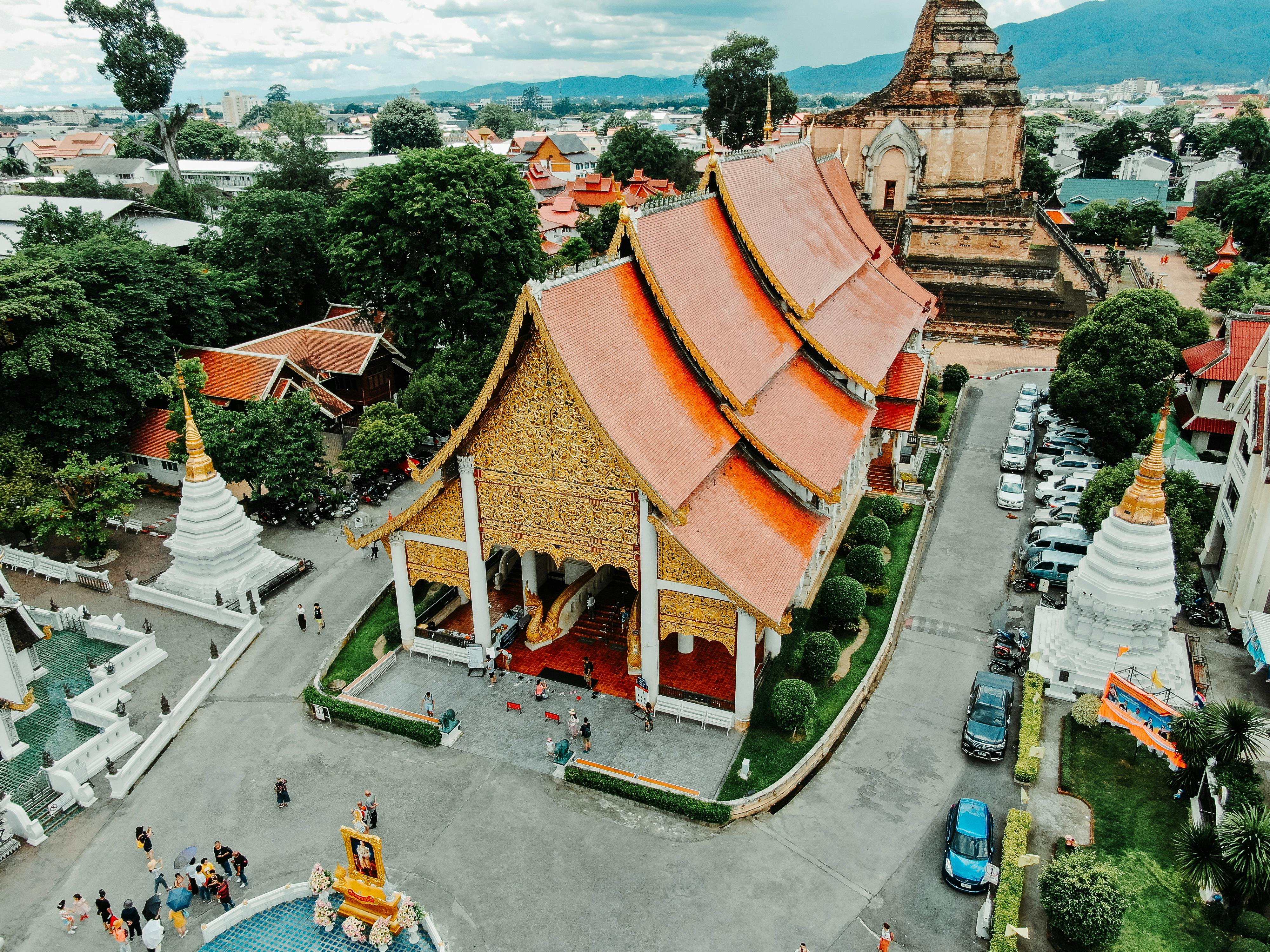
I walk through the Tha Phae Gate at 7:45 AM. The air carries jasmine and wood smoke. A monk in saffron robes passes silently by. The square moat stretches 1.5 kilometers on each side. This city was founded in 1296 by King Mengrai. It served as capital of the Lanna Kingdom. More than 30 temples once stood inside the walls. About half remain today. You see chedis rising above rooftops at every turn. Some feel grand and restored. Others sit quiet, their carvings worn by seven centuries of rain and sun. The old layout stays intact. Streets follow straight lines laid down long before cars existed.
Why Chiang Mai Old City Matters
This is the heart of northern Thai culture. The walled plan reflects Lanna beliefs in cosmic order and spiritual protection. Each temple holds distinct artistic styles—curved chedis, carved wooden pediments, muted earth tones—different from Bangkok’s bright gold and soaring spires. The community still lives here. Monks walk the streets daily. Locals gather at shrines. It is not just a museum. That said, tourism presses hard. Popular temples fill by mid-morning. Noise from tour groups disrupts what should be quiet spaces. Some restoration work replaces aged materials with generic modern finishes. Authentic character fades spot by spot.
The Best Time to Experience Chiang Mai Old City
November through February offers the most comfortable conditions. Daytime highs sit between 24°C and 30°C (75°F–86°F). Evenings drop to 15°C (59°F)—light layers feel welcome. Arrive before 8:00 AM for alms-giving and empty temples. March through May brings intense heat—temperatures hit 36°C (97°F) by early afternoon. Stone and brick reflect warmth back. June to October sees frequent afternoon rain. It cools the air but can flood low-lying streets. Weekdays stay noticeably quieter than weekends. Late afternoon, 4:00–5:30 PM, brings soft light and thinner crowds.
Approximate Budget for a 7-Day Trip
Figures are per person in Thai Baht and approximate USD.
- Accommodation: Guesthouse or mid-range hotel inside walls — 1,200 THB ($34) per night × 6 nights = 7,200 THB ($200)
- Food & Drink: Khao soi, street stalls, local markets — 450 THB ($13) daily × 7 days = 3,150 THB ($88)
- Transport: Songthaew, bicycle rental, short walks — 150 THB ($4.20) daily × 7 days = 1,050 THB ($29)
- Temples & Experiences: Entry fees, offerings, small donations — 800 THB ($22) total
- Miscellaneous: Water, snacks, keepsakes — 850 THB ($24)
Total: ~13,050 THB ($363) for one person. Skip the overpriced "temple-hopping tours" sold at every kiosk. They charge 500–800 THB per person and rush you past the same sites you can reach on foot or by bicycle for 30 THB rental per day. Also avoid the first-row souvenir stalls near Tha Phae Gate; identical handicrafts cost 25–35 percent deeper inside the side streets.
Essential Chiang Mai Old City Experiences
- Wat Phra Singh — The most revered temple in the city. Its central chedi dates to 1345. The main hall holds a Buddha image believed to have split from a single statue in 1389. The wooden pediments show classic Lanna carvings. Skip visiting after 10:00 AM if crowds drain you.
- Wat Chedi Luang — The great earthquake-damaged chedi once stood 90 meters tall. It tilted in 1545 and was never fully rebuilt. The Emerald Buddha resided here for 80 years before moving to Bangkok. The ruin feels powerful and incomplete.
- Wat Phan Tao — Entirely built of teak more than 500 years ago. Dark wood and low, sweeping roofs create a quiet atmosphere. The temple still belongs to a small monastic community. Speak softly; people study and meditate here.
- Wat Chiang Man — The oldest temple in the city, founded in 1297. Two Buddha images—one crystal, one stone—are said to protect Chiang Mai. The compound feels compact and peaceful.
- Alms-giving at dawn — Stand quietly along a main street before 7:00 AM. Place sticky rice or fruit in the bowls as monks pass. You do not need to give much; respect matters more than quantity.
- Bicycle loop around the walls — Ride the full moat circuit. Four gates mark the cardinal directions. You see how the city sits contained, ancient and modern side by side.
Hidden Gems Most Travelers Miss
- Wat Si Koet tucked between shops. Small, weathered, almost unmarked. No crowds ever come. The old trees and quiet courtyard feel like another time.
- Wat Ratchamonthien down a narrow lane. A working monastery with few visitors. The wooden hall shows faded murals depicting daily life.
- North moat promenade at sunset. Less crowded than Tha Phae side. The low sun lights up the brick walls perfectly.
- The "best photo spot" at Wat Chedi Luang front steps is always packed and often overrated. Walk around to the chedi’s rear corner; the angle frames the ruin and sky without people.
Cultural & Practical Tips
- Ignore anyone claiming temples are "closed" or offering "special private ceremonies." These are common scams. Walk straight to the entrance.
- Cover shoulders and knees. Carry a light scarf or shawl. Rental garments at popular sites cost extra and fit poorly.
- Remove shoes before entering any hall. Line them up neatly with others. Do not leave valuables visible.
- Do not touch Buddha images. Do not climb on chedis or ruins. Some structures remain unstable.
- Keep voices low. Monks and locals pray and study here daily. Loud conversation disrupts everyone.
- Respect the monks. Stand aside when they pass. Do not take photos without permission.
- Walk or bicycle. The grid is small enough to explore on foot. Traffic clogs main streets by mid-morning.
Essential Visitor Information
Location & Access: Central Chiang Mai, square moat 1.5 km per side. Main gate: Tha Phae. Three options: bus or taxi from Chiang Mai International Airport — 15–20 minutes; train station to city center then songthaew; walk from Night Bazaar area — 15 minutes.
Tickets & Booking: Most temples free. Wat Phra Singh 50 THB. Wat Chedi Luang 100 THB. No booking needed. Donation boxes stand inside many halls.
Operating Hours: Generally 6:00 AM–6:00 PM. Some smaller temples close earlier or lock gates during the hottest part of the day.
Visit Duration: Minimum half-day. Recommended full day to explore without rushing.
Family Suitability: Children welcome. Stroller access varies; many entrances have steps. Restrooms near major temples.
Timing: Best season: November–February. Best time of day: 6:30–8:30 AM or 4:00–5:30 PM.
Highlights: Wat Phra Singh, Wat Chedi Luang, Wat Phan Tao, Wat Chiang Man, dawn alms-giving, moat bicycle loop.
Nearby & Day Trip: Chiang Mai Night Bazaar — 15-minute walk; Doi Suthep — 30–40 minutes by taxi; Warorot Market — 10 minutes; Lanna Folklife Museum — inside the old city. All fit easily in one or two days.
Conclusion: Travel with Reverence, Not Just a Camera
These walls have stood through earthquakes, wars, and centuries of change. The temples are not landmarks to check off. They are living spaces where people still show up every day. Slow down. Notice the differences in style between each one. Listen to the quiet between prayers. What will you remember most when you walk back through the gate?
Post a Comment