Night Bazaar Where Handmade Heritage Meets After-Dark Trade
Night Bazaar Where Handmade Heritage Meets After-Dark Trade
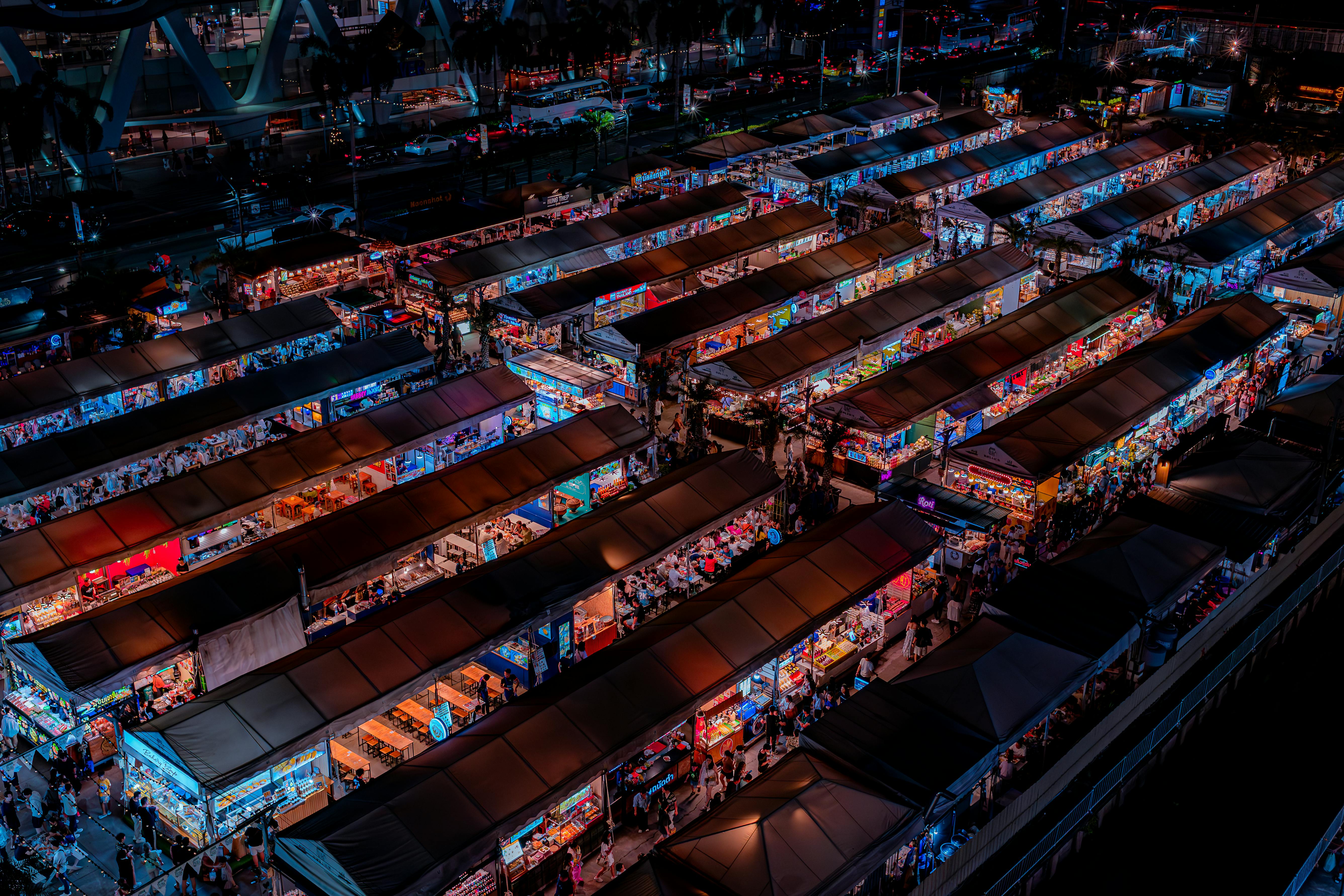
I step through the main entrance at 7:00 PM. The air feels warm and thick with activity. Stalls stretch row after row. Silk scarves drape over rails. Carved wood pieces catch bright overhead light. The market began in the 1980s along Chang Khlan Road. It grew from small street-side gatherings into a covered complex spanning several city blocks. Today hundreds of vendors fill two levels. You hear bargaining in half a dozen languages. Food stalls send out waves of spice and smoke. Prices shift fast. The first offer is never the final one. Walking the full length takes two hours if you do not stop. Stopping can stretch the evening late.
Why Night Bazaar Matters
This is northern Thailand’s most famous evening market. It connects rural artisans with buyers from across the world. Weavers, carvers, silversmiths, and hill-tribe creators have sold their work here for generations. The market keeps traditional crafts alive by giving them a steady outlet. It also shapes how visitors see Chiang Mai—many come specifically to shop here. That visibility brings real downsides. Mass-produced goods now crowd genuine handmade pieces. Quality varies wildly. Some stalls charge tourists double what locals pay. Bargaining grows aggressive in busier sections. And as new malls open nearby, the market feels slower to evolve.
The Best Time to Experience Night Bazaar
November through February offers the most comfortable conditions. Daytime heat fades after sunset. Evening temperatures sit between 20°C and 26°C (68°F–79°F). Humidity drops and rain stays rare. Arrive 6:30–7:30 PM. Stalls fully open and crowds remain manageable. March through May brings warm evenings—temperatures stay above 28°C (82°F) late into the night. Covered walkways hold heat and can feel stuffy. June to October sees occasional evening showers; they pass quickly but dampen the outer lanes. Weekends stay busy until midnight. Weeknights thin out noticeably after 10:00 PM. Early arrivals see goods neatly displayed; late arrivals find half-packed stalls and flexible prices.
Approximate Budget for a 7-Day Trip
Figures are per person in Thai Baht and approximate USD.
- Accommodation: Guesthouse or mid-range hotel nearby — 1,200 THB ($34) per night × 6 nights = 7,200 THB ($200)
- Food & Drink: Market meals, street snacks, casual dinners — 500 THB ($14) daily × 7 days = 3,500 THB ($98)
- Transport: Songthaew, short taxi, walks — 180 THB ($5) daily × 7 days = 1,260 THB ($35)
- Shopping & Keepsakes: Silk, crafts, silver, small items — 2,500 THB ($70) total
- Miscellaneous: Water, rest stops, unexpected costs — 900 THB ($25)
Total: ~15,360 THB ($432) for one person. Skip the overpriced "fixed-price" stalls right at the main entrances. They mark items up 30–50 percent. Walk three or four rows deeper and bargain. Also avoid the ready-made "souvenir bundles" sold to groups; pick individual pieces from stalls where the maker is actually present.
Essential Night Bazaar Experiences
- Slow walk through the inner lanes — Most people stick to the main aisles. Turn down the narrower rows between blocks. You find quieter stalls, more variety, and gentler bargaining. Skip visiting after 9:00 PM if loud crowds and pressure sales bother you.
- Silk and textile shopping — Chiang Mai remains famous for hand-woven fabrics. Feel the material. Check edges and stitching. Real silk costs more and feels different from synthetic. Ask where it was made; many vendors can name the village or region.
- Street food and market dining — Open-air food courts sit at both ends. Khao soi, grilled chicken, pad thai, and mango sticky rice cost 60–150 THB. Plastic tables stay crowded but turn over fast. Eat where locals sit; that is where the food tastes best.
- Handicraft and wood carving browsing — Teak boxes, wall art, and decorative pieces fill whole sections. Notice weight and finish. Solid wood feels heavier and smells different from resin or composite copies.
- Evening cultural show — Several venues inside the complex host traditional dance and music performances. Tickets cost 400–600 THB. Shows blend Lanna and hill-tribe traditions. Arrive 20 minutes early for good seats.
- Bargaining practice — Start at roughly half the asking price and meet in the middle. Keep it light. Smile and walk away if numbers do not match. You will find similar items elsewhere.
Hidden Gems Most Travelers Miss
- The textile workshops on the second floor. Small family-run operations sit away from the main flow. They weave on-site and sell directly. Prices stay fair and stories come with every piece.
- Chang Khlan Road sidewalk stalls just outside the main gates. No rent means lower prices. Identical scarves and bags cost 20–30 percent less than inside.
- Quiet food court at the northern end. Almost no tourists find it. Locals eat here. Portions prove larger and prices lower.
- The "best photo spot" near the central fountain is always packed and often overrated. Walk the eastern covered lane after 10:00 PM when crowds thin; the lights reflect beautifully with empty space around you.
Cultural & Practical Tips
- Ignore anyone offering "special discount passes" or "VIP entry." Entry is free. These are common scams. Walk straight past them.
- Carry cash. Many stalls do not accept cards. Keep small bills ready; change grows scarce late in the evening.
- Bargain respectfully. It is expected but not a game to win at all cost. Both sides should feel satisfied with the price.
- Check items carefully before paying. Inspect seams, edges, and moving parts. Most stalls have no return policy.
- Keep bags closed and close. Crowded walkways create easy opportunities for pickpockets.
- Compare before committing. Identical goods appear at multiple stalls. Walking one row over often finds a better price.
- Know when to stop. It is easy to overspend. Set a budget per item and stick to it. You do not need a souvenir from every stall.
Essential Visitor Information
Location & Access: Chang Khlan Road, between Tha Phae and Loi Kroh Roads, Chiang Mai. Three options: songthaew from Old City — 10–15 minutes, 30–60 THB; walk from Tha Phae Gate — 15–20 minutes; taxi or Grab — 10 minutes from most central hotels.
Tickets & Booking: Free entry. Shopping and dining priced individually. Cultural shows 400–600 THB. No booking needed for general visit.
Operating Hours: Daily 6:00 PM–midnight. Most stalls fully active 7:00–11:00 PM. Some sections close earlier on weeknights.
Visit Duration: Minimum 2 hours. Recommended 3–4 hours to browse without rushing.
Family Suitability: Children welcome. Stroller access is narrow and crowded. Restrooms at central pavilions, small fee.
Timing: Best season: November–February. Best time of day: 6:30–8:30 PM.
Highlights: Hand-woven textiles, street food courts, wood carvings, cultural dance shows, evening bargaining experience.
Nearby & Day Trip: Chiang Mai Old City — 15-minute walk; Warorot Day Market — 10 minutes; Wat Phra Singh — 20 minutes; Doi Suthep — 30 minutes by taxi. Combine daytime sights with evening shopping.
Conclusion: Travel with Choice, Not Just Purchase
Night Bazaar looks like endless things to buy. It is also where old skills meet new visitors. Some pieces carry real heritage. Others are just goods. Look closely. Feel the difference. Bargain fairly. What you keep matters more than how much you spend. What will you bring home that truly tells a story?
Post a Comment