Albufera Natural Park Rice Fields Meet Lagoon Light
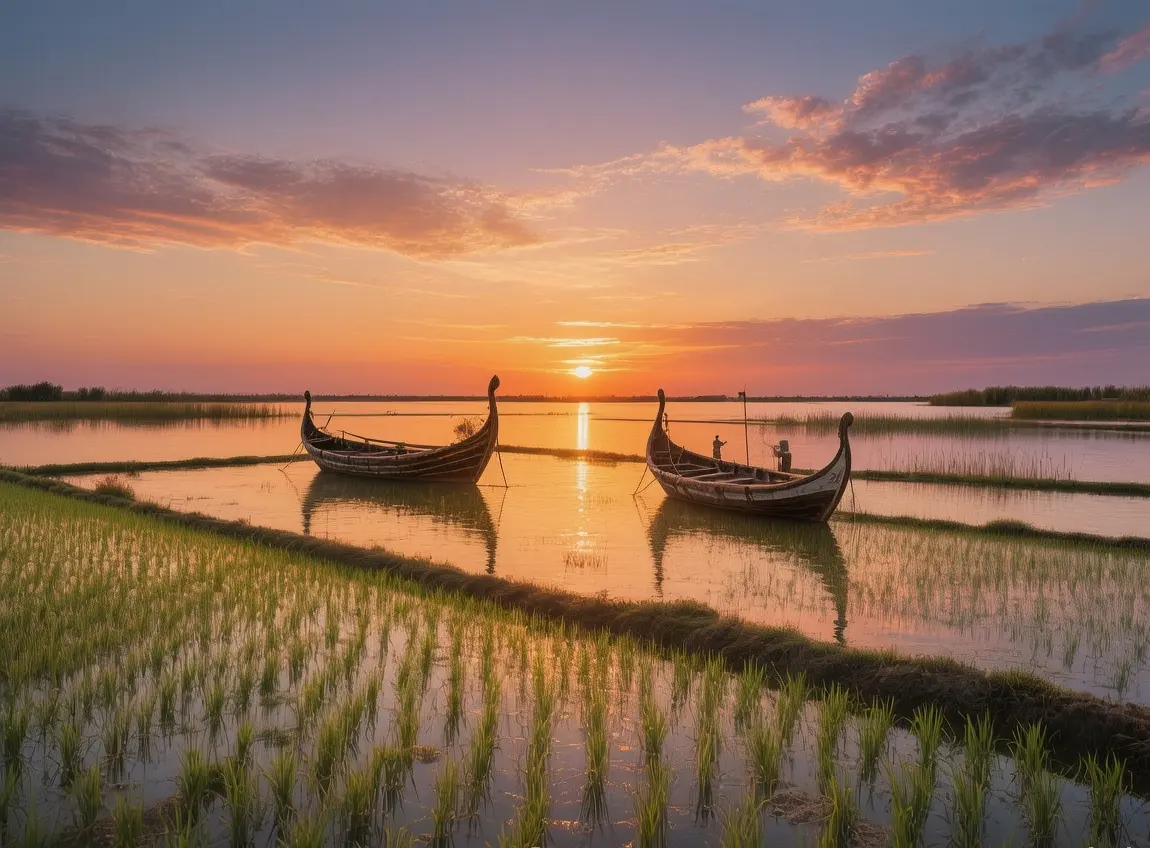
Parque Natural de la Albufera: Where Freshwater Lagoon Meets Coastal Tradition
I stand at the water’s edge just after nine in the morning. The air holds a soft, damp warmth that sticks to your skin. A small wooden boat glides past, its oars dipping slowly without a sound. The water here is shallow and still, stretching out toward the line of trees that marks the distant shore. This is Parque Natural de la Albufera, a short drive south of Valencia, where the lagoon and the land have shaped each other for centuries. It feels quiet, but it is never truly still. Birds move constantly across the surface, and the faint hum of distant traffic reminds you that the city is not far away.
Why Parque Natural de la Albufera Matters
This park covers more than 21,000 hectares, with the lagoon itself making up the heart of the protected area. For over a thousand years, people have lived and worked here, fishing the waters and growing rice in the fields that ring the lagoon. Those rice paddies gave rise to the dish paella, which has its roots in this very landscape. The place matters because it ties food, livelihood, and nature into one living system. It is not a preserved museum piece; people still make their living here much as their grandparents did. That said, the balance is fragile. Urban expansion presses in from all sides. Light pollution from nearby towns dims the night sky noticeably, and you will see plastic caught in reeds along some shorelines. It is not pristine wilderness, and it would be dishonest to pretend otherwise.
The Best Time to Experience Parque Natural de la Albufera
Spring, from mid-March through May, brings mild days between 17°C and 23°C (63°F–73°F). The paddies fill with water, and migrating birds stop here in large numbers. Summer, June through August, runs hot—25°C to 32°C (77°F–90°F)—and humidity stays high. Afternoons can feel heavy, and midday sun makes walking unappealing. Autumn, September to mid-November, cools to 18°C–25°C (64°F–77°F). Harvest happens then, and the landscape shifts from green to gold. Winter, mid-November through February, is cooler at 10°C–16°C (50°F–61°F). Rain falls most often in these months, but days are frequently clear and calm. Winter draws fewer crowds, which many visitors prefer.
Approximate Budget for a 7-Day Trip
These figures are per person, based on sharing accommodation and meals.
- Accommodation: €280 – 350. Small guesthouses in El Palmar or nearby towns offer clean, simple rooms. Staying right at the park edge costs more than lodging a few kilometers away.
- Food & Drink: €175 – 225. Local rice dishes cost €12–18 per plate. Smaller tapas run €4–7 each. A drink with a meal is usually €1.50–2.50.
- Local Transport: €35 – 50. Buses from Valencia are cheap. Renting a bicycle for several days adds roughly €30. Taxis between villages cost €8–15 one way.
- Attractions & Tours: €40 – 70. Boat tours and entry fees fall in this range.
- Miscellaneous: €45 – 60. Water, snacks, small purchases, and unexpected costs.
Total: €575 – 755
Some waterfront restaurants charge premium prices for views that differ little from cheaper spots just a block inland. Skip the most advertised places right by the main pier. Walk two streets back, and you will find equal quality at lower prices.
Essential Parque Natural de la Albufera Experiences
- Boat Tour Across the Lagoon — Glide through the main channels to see fishing weirs and birdlife. Tours last 45 to 60 minutes. Go early in the day for calm water. Skip if you are prone to seasickness; even here, gentle rocking can add up.
- Walk the Paddy Field Paths — Follow unpaved trails between active rice paddies. You will see how water levels shift with the seasons. Wear sturdy shoes; ground can be damp and uneven.
- Eat Paella in El Palmar — This village sits at the center of the rice-growing area. Dishes arrive cooked over wood fire and made with local ingredients. Arrive before 1:30 PM for the best selection and freshest food.
- Watch Sunset from the Devesa Shoreline — Sand dunes separate the lagoon from the Mediterranean. Sunsets here cast wide, soft light across water and reeds. The viewing area fills quickly in summer.
- Visit the Fishing Quarter in El Perelló — Small boats line the canal. Fishermen mend nets and sell daily catch directly from the quay. It is quiet, functional, and free of tourist flair.
- Bicycle the Devesa Loop — A paved path runs through pine forest and along both lagoon and sea. The full loop is about 12 kilometers. Bring water; there are few places to refill along the way.
Hidden Gems Most Travelers Miss
- The northern shore path near Albalat de la Ribera runs through older stands of umbrella pine. Benches sit tucked among trees where you can rest without seeing another person for an hour or more.
- Canal de la Albufera boardwalk stretches out over marshland. Birdwatchers gather here, but most visitors walk right past the entrance. Bring binoculars if you have them.
- El Saler old town sits just outside park boundaries. Its narrow streets hold small bakeries and family-run bars with no signage in English. Do not mistake the main promenade here for the real thing; the waterfront strip is heavily built up and offers little charm.
Cultural & Practical Tips
- Respect fishing nets and equipment left along shorelines. These are working tools, not photo props. Touching or moving them can cause real financial loss.
- Do not expect quiet everywhere. Some areas border villages where people live and work. You will hear dogs, children, and occasional machinery noise. That is not a flaw; it is how the place functions.
- Book lunchtime meals by 1:00 PM if you can. Many kitchens close by 3:30 PM and do not reopen until evening. Arriving late means limited choices or no meal at all.
- Wear insect repellent at dawn and dusk. Mosquitoes can be persistent near water, especially in summer and early autumn.
- Stay on marked paths. Venturing into tall grass or reed beds damages fragile soil and disturbs nesting birds. It is also easy to lose your bearings.
- Carry small change. Public restrooms in villages often require a coin, and small cafes do not always have enough cash to break large notes.
Essential Visitor Information
Location & Access: South of Valencia, eastern Spain. The main access point is 12 kilometers from central Valencia. Three options: bus line 25 from Valencia city center runs every 20–30 minutes; driving takes 20–25 minutes via the V-15 road; bicycle paths connect Valencia directly to the park edge, about 10 kilometers flat and well-marked.
Tickets & Booking: Park entry is free. Guided boat tours cost €12–18 per person depending on length and group size. Booking ahead is recommended July through September.
Operating Hours: The park is open daily, year-round. Trails and public areas are accessible from dawn until dusk. Information centers open 9:00 AM–6:00 PM April to September and 9:00 AM–5:00 PM October to March; they close one day most weeks, usually Monday.
Visit Duration: Minimum half a day. Two full days let you see the main areas without rushing.
Family Suitability: Suitable for all ages. Paved paths work well for strollers in the Devesa zone. Other trails are unpaved and bumpy. Restrooms exist at main entry points but are sparse elsewhere.
Timing: Best seasons are spring and early autumn. Best times of day are before 10:00 AM and after 5:00 PM for comfortable temperatures and softer light.
Highlights: Lagoon boat routes, Devesa dunes and forest, El Palmar village, traditional fishing zones, rice paddy trails.
Nearby & Day Trip: Valencia city center is 20 minutes away by car or frequent bus. Albufera lighthouse stands at the lagoon mouth and makes a short, easy outing. The coastal town of Cullera lies 25 kilometers south with wide beaches and a hilltop castle. Xativa, an hour inland, offers stone streets and two castle walls overlooking the valley.
Conclusion: Travel with Presence, Not Just Photos
Parque Natural de la Albufera does not offer dramatic peaks or sweeping views that stop you in your tracks. It works more slowly than that. You notice the way light changes on the water, the rhythm of work in the fields, the quiet that settles when the last boat heads in. It is a landscape shaped as much by people as by nature, and that gives it a different kind of strength. When you visit, put your camera down sometimes. Sit and watch the water move. You will understand the place better that way.
Post a Comment