
Scafell Pike England's Highest Summit Meets Ancient Volcanic Stone
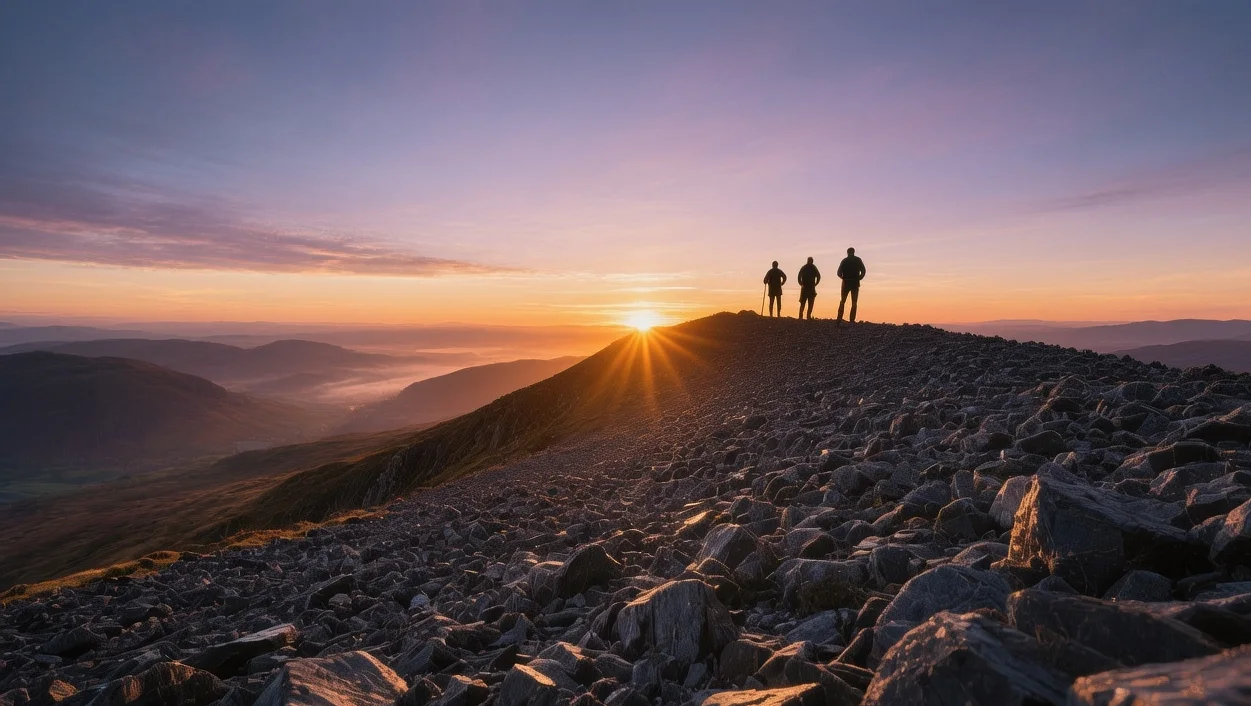
5:00 AM breaks over Wasdale Head—a dark valley floor nestled beneath the shadow of Scafell Pike, England's highest mountain at 978 meters (3,209 feet). The air bites at 4°C (39°F), sharp with the scent of damp bracken and volcanic rock. Your headtorch beam cuts through the pre-dawn gloom, illuminating the path ahead: a rough trail of loose scree and ancient slate fragments formed 450 million years ago. This is not a gentle hill; it is a rugged massif that demands respect, rising 600 meters from the valley floor in less than 3 kilometers. The silence is absolute—broken only by the crunch of boots on stone and the distant call of a raven circling the summit cairn. In 2026, as virtual experiences replace physical journeys, Scafell Pike matters now more than ever. It remains a tangible challenge—a place where you measure progress not in clicks but in elevation gained, where the weather changes in minutes, and where the view from the top reminds you of your smallness in a vast, wild landscape. This is why you climb.
Why Scafell Pike Embodies the Spirit of Adventure
Scafell Pike isn't merely a summit—it's the geological anchor of the Lake District National Park. Formed by volcanic activity during the Ordovician period, this mountain consists primarily of rhyolite and tuff, rocks so hard they resisted glacial erosion better than surrounding peaks. The mountain's significance extends far beyond its height. In 1919, the peak was gifted to the National Trust by Lord Leighton for returning soldiers after World War I, a gesture that transformed private land into public heritage. This solved a fundamental need: access to wilderness for a population increasingly confined by industrialization. Today, the mountain fulfills a modern craving for authentic challenge in an era of sanitized experiences. Unlike commercialized ski resorts, Scafell Pike offers no lifts, no groomed trails, and no guarantees.
The engineering of the path itself reflects centuries of foot traffic rather than construction. The main route from Wasdale Head covers 4.5 kilometers one-way with an ascent of 900 meters, requiring an average of 3–4 hours to summit. The terrain varies from grassy slopes to boulder fields where navigation skills are essential. In 2026, the mountain sees approximately 150,000 visitors annually, making it the most climbed peak in England. This popularity supports the local economy of Wasdale but strains the fragile ecosystem. The National Trust employs rangers to maintain paths using traditional dry-stone walling techniques, ensuring drainage channels prevent erosion. When you walk these stones, you traverse a layered history: Victorian quarrying scars, wartime memorials at the summit, and a contemporary commitment to conservation that defines the future of protected landscapes. The mountain doesn't care about your schedule; it demands you adapt to its rhythm.
The Best Time to Experience Scafell Pike
Scafell Pike reveals its true character during specific windows, though it is climbable year-round for experienced mountaineers. The definitive experience for most travelers occurs between June 10 and July 5. During this window, you'll experience average valley temperatures of 12–16°C (54–61°F), with summit temperatures ranging from 6–10°C (43–50°F). Daylight stretches until 10:00 PM, providing ample margin for error if the ascent takes longer than expected. The light is crisp; shadows from the peaks stretch across Wastwater, creating dramatic photography conditions between 5:30–7:00 AM. For those seeking solitude, weekday mornings (6:00–9:00 AM) offer a quieter atmosphere with significantly fewer groups on the main path.
Autumn—specifically September 15–October 10—provides a second peak experience, with temperatures cooling to 5–9°C (41–48°F) and the valley floor transforming into russet and gold. This is when you'll witness the migration of birds across the passes. However, avoid December 20–January 5 unless you possess winter mountaineering skills: this period brings ice, snow, and daylight shrinking to 8:00 AM–3:45 PM. Winter conditions require crampons and ice axes, transforming the hike into a technical climb. For real-time weather and path conditions, verify current information at www.nationaltrust.org.uk or the Met Office Mountain Forecast before your visit. Always check the avalanche forecast in winter months; the slopes of Broad Stand are particularly prone to instability.
Approximate Budget for a 7-Day Trip (2026)
Wasdale and the surrounding Lake District accommodate various budgets, though 2026 prices reflect post-pandemic tourism recovery and 3.5% UK inflation. The following breakdown assumes mid-range travel with comfortable accommodations, local dining, and comprehensive exploration including gear rental if needed. Prices are listed in British pounds (£), the local currency.
- Accommodation: £90–£150 per night for a double room in a traditional Lakeland guesthouse or bunkhouse in Wasdale Head or Boot. Camping pitches at Wasdale Head Inn: £15 per night. Lakeside properties in Keswick command premium rates (£180–£250), requiring a 45-minute drive to the trailhead.
- Food: £40–£60 per day. Breakfast (£10–£15) typically includes Cumbrian sausage, local black pudding, and porridge. Lunch (£8–£12) packed from village shops: sandwiches, fruit, chocolate. Dinner (£25–£35) at pubs featuring regional specialties: Cumberland pie, sticky toffee pudding, or local lamb stew.
- Transportation: Manchester Airport to Penrith train: £35–£50 return. Penrith to Wasdale bus (Seasonal 77/78): £15 return. Car rental: £40–£60 per day plus £8–£12 daily parking at Wasdale Head National Trust car park. Fuel for 7 days: £60–£80.
- Attractions: Mountain access is free. National Trust parking: £8 per day. Guided walking tour with qualified leader: £45 per person. Gear rental (boots, poles): £25 per day. Wastwater Boat Cruise: £12.50.
- Miscellaneous: Ordnance Survey Explorer Map OL6: £11.95. Local wool hat: £25–£40. Lake District guidebook: £14.99. Travel insurance (including mountain rescue): £35–£50 for the week.
Total estimated cost for 7 days: £1,100–£1,600 per person (based on double occupancy)
7 Essential Scafell Pike Experiences
- Summit sunrise via the Corridor Route: Start from Wasdale Head car park at 4:30 AM. Follow the signs for Sty Head Tarn, then take the Corridor Route rather than the direct path. This 6-kilometer route avoids the steepest scree and offers dramatic views of Lingmell. Reach the summit by 6:30 AM to watch the sun rise over the Helvellyn range. The temperature will be 5–8°C colder than the valley; wear insulated layers. The silence at the top before other groups arrive is profound.
- Visit the War Memorial at the summit: The summit cairn features a large boulder inscribed with a dedication to soldiers who fell in World War I. Take a moment to read the plaque placed by the National Trust in 1920. The view from here encompasses 360 degrees: Wastwater to the south, Derwentwater to the north. On clear days, you can see the Isle of Man 80 kilometers away. Leave a stone on the cairn as tradition dictates, but take nothing else.
- Drink ale at the Wasdale Head Inn: After descending, walk into the oldest pub in the Lake District, established in 1856. Order a pint of local ale (£6.50) in the wood-paneled bar. The walls are covered with mountaineering memorabilia and signatures from climbers since the Victorian era. Speak to the landlord about the history of the valley. The fireplace roars even in summer, drying damp boots. This is the traditional end to a climb.
- Swim in Wastwater: Drive 5 minutes down the valley to Wastwater, England's deepest lake at 74 meters. Park at the National Trust site (£8) and walk to the shore. The water is cold (12–14°C in summer) but invigorating. Swim for no more than 10 minutes; the depth drops off quickly. The view of the screes rising 600 meters from the water's edge is unparalleled. Dry off on the sun-warmed rocks.
- Navigate Sty Head Tarn: On your ascent, pause at Sty Head Tarn (500 meters elevation). This small body of water sits at the junction of five valleys. It's a crucial navigation point; many get lost here in mist. Take a photo of the tarn with the peak of Great Gable behind it. The path around the tarn is boggy; wear waterproof boots. It's a perfect spot for a mid-climb snack break.
- Hike Lingmell for a quieter view: If Scafell Pike is too crowded, climb Lingmell (807 meters) instead. The summit sits directly above Wasdale Head and offers a direct view down onto Scafell Pike's summit cairn. The path is less eroded and sees 40% fewer visitors. Start from the same car park; allow 2.5 hours round trip. You get the height without the crowds, plus a unique perspective on the highest peak.
- Explore the Old Quarry Trails: Near the base of the mountain, abandoned slate quarries from the 1890s remain visible. Walk the perimeter of the Wasdale Slate Quarry (do not enter unstable structures). The rusted machinery and stone piles tell the story of industrial extraction that shaped the valley. This adds historical context to the natural landscape. Allow 45 minutes; stay on marked paths to avoid loose rock.
3 Hidden Gems Most Travelers Miss
- Burnthwaite Farm Campsite: While most visitors stay at the Wasdale Head Inn, this smaller site 1 kilometer down the valley offers more privacy. Access: Turn left off the B4189 just before Wasdale Head Inn. Follow signs for 800 meters. Open April–October. Contact: +44 19467 26229. The farm sells its own lamb and vegetables. It's overlooked because it doesn't have a pub attached, but the views of the peaks from the tent pitches are superior. Insider tip: Book pitch 12 for the best sunrise angle.
- Piers Gill Viewpoint: Most climbers avoid Piers Gill due to its steep drop, but the viewpoint from the safe path edge is dramatic. Access: On the main path from Sty Head, look for the warning signs. Do not attempt to descend. The gullies drop 200 meters vertically. It's overlooked because it's dangerous, but viewing it from safety provides perspective on the mountain's scale. Best visited: Midday when the sun illuminates the bottom of the gully. No facilities; keep children on leads.
- The Ravenglass Steam Railway Connection: Few climbers realize they can return via steam train from the coast. Access: Drive 25 minutes to Ravenglass station. Purchase a ticket (£18 return) to Dalegarth near Boot. The 7-inch gauge railway runs through the valley floor. It's overlooked because it requires car relocation, but it offers a historic perspective on how tourists accessed the lakes in 1910. Runs daily May–October. Check timetable at www.ravenglass-railway.co.uk.
Cultural & Practical Tips
- Leave No Trace strictly: The Lake District National Park Authority enforces a strict code. Carry out all litter—including biodegradable items like fruit peels. Human waste must be buried 15 centimeters deep and 30 meters from water if no toilets are available. Use the facilities at Wasdale Head car park before starting.
- Weather is a verb, not a noun: Cumbrian weather changes hourly. Even on days forecast at 15°C with "sunny intervals," carry waterproof layers. The summit is often 8°C colder than the valley with wind chill. Check the Met Office's "Mountain Forecast" specifically, not the general regional forecast.
- Learn these Cumbrian phrases: "Fell" (hill/mountain), "Tarn" (small lake), and "Gill" (ravine). Locals appreciate the correct terminology. When asking for directions, say "Which way to the summit?" rather than "Where is the top?"
- Navigation is essential: Do not rely solely on phone GPS; signal is unreliable on the summit. Carry a physical Ordnance Survey Map OL6 and a compass. Download offline maps as backup. The path is clear in summer but disappears in snow or mist.
- Photography etiquette: Drones require permission from the National Trust and must not exceed 120 meters altitude. Do not fly over climbers or wildlife. Tripods are permitted but cannot obstruct the narrow summit path. Respect other visitors' experience.
- Footwear requirements: Trainers are insufficient. Wear stiff-soled hiking boots with ankle support. The scree is loose and shifts underfoot. Break in boots before arriving. Blisters are the most common reason for abandonment. Carry spare socks.
- Support local economy: Purchase supplies from the Wasdale Head Inn shop or Boot Village Store. Choose accommodations with the "Lake District Foundation" accreditation. Donate to the National Trust's "Fix the Fells" program to support path maintenance.
Conclusion: Travel with Respect, Not Just Conquest
Scafell Pike in 2026 asks something different of you than mere summit conquest. This mountain—volcanic, ancient, resilient—has witnessed centuries of climbers seeking achievement, solitude, or simply a view. But it also sustains fragile arctic-alpine flora, supports rare nesting birds, and provides water for the valley below. To travel here responsibly means understanding that you're not just conquering a peak but entering a living ecosystem that predates tourism and must outlast it. Walk softly on these paths; they've carried miners, soldiers, and poets for millennia. Choose the weekday climb over the crowded weekend. Hire a local guide who can explain the geology beneath your boots. Pack out every wrapper you bring in. Let Scafell Pike change you, not just entertain you. In an age of overtourism and climate uncertainty, this is how we ensure that 2026's visitors don't become the generation that loved this place to death. The mountain will still be here in 2126—if we treat it not as a trophy to claim but as a sanctuary to protect.