
Doñana National Park Wetlands Meet Wildlife Sanctuary
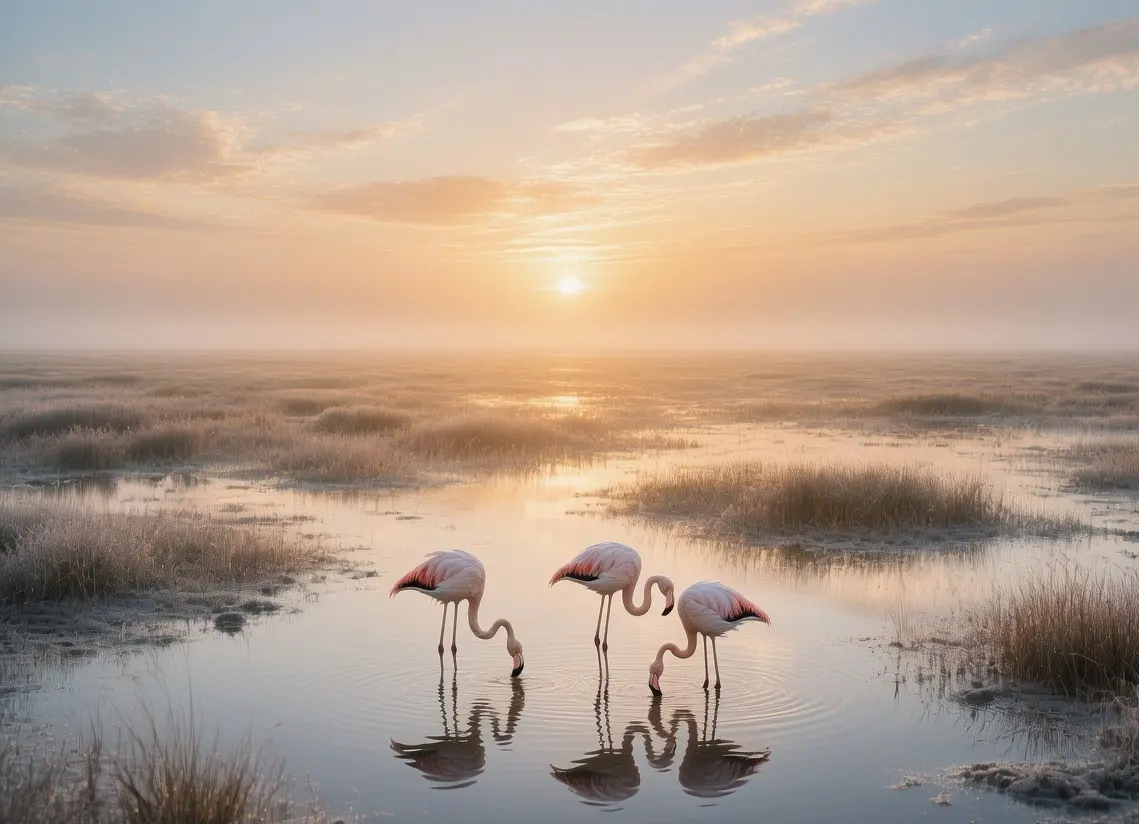
The dawn chorus begins before the sun breaks the horizon—a cacophony of bird calls that has echoed across the Doñana National Park for millennia. You stand on the edge of the marshes, where the air smells of salt, damp earth, and wild rosemary; the light filters through the stone pines, casting long shadows over the 54,252 hectares of protected wilderness. This is not merely a reserve but a biological fortress, designated a UNESCO World Heritage Site in 1994, where over 360 bird species migrate between Europe and Africa. You hear the distant splash of a flamingo taking flight; the crunch of gravel under the tires of a 4x4; the silence of the Iberian lynx hiding in the undergrowth. In 2026, as biodiversity crises deepen globally, the Doñana National Park remains a critical sanctuary—a place where the delicate balance of water and land sustains life, demanding you tread lightly to preserve the fragile ecosystems that have survived here since the last Ice Age.
Why Doñana National Park Embodies Biodiversity
The Doñana National Park represents the most important wetland reserve in Europe, solving the critical need to preserve a unique ecosystem where five distinct landscapes converge: marshes, scrublands, dunes, beaches, and lagoons. Established as a national park in 1969 and expanded in 1980, the reserve protects the largest wetland in Western Europe, fed by the Guadalquivir River and the Atlantic tides. The engineering of nature here is precise: the cotos (sand dunes) act as a barrier against the ocean, while the marismas (marshes) flood seasonally, creating a nutrient-rich nursery for fish and birds.
The park is the last refuge of the Iberian lynx, the world's most endangered cat species, with a population that has slowly recovered from fewer than 100 individuals in 2002 to over 1,000 in 2026 thanks to conservation efforts. Over 800 plant species thrive here, including the endangered Narcissus pseudonarcissus. The hydrological system is complex, with water levels fluctuating by up to 2 meters seasonally, dictating the movement of wildlife. This integration of geology, hydrology, and biology makes the Doñana National Park not merely a tourist destination but a living laboratory. The density of biodiversity per square kilometer is unmatched in the Mediterranean, with every trail revealing a layer of ecological interdependence. This concentration of life makes it a pilgrimage site for naturalists, where the survival of species is traced through the very mud that defines the marshes.
The Best Time to Experience Doñana National Park
For the optimal Doñana National Park visit, target March 15–April 20 or October 10–November 25, when temperatures range between 15–25°C (59–77°F) and bird migration is at its peak. The visitor centers open at 9:00 AM daily; arrive at 8:45 AM to enter with the first guided tour group before the midday heat sets in. Late afternoon visits between 4:00–6:00 PM offer the best lighting for photography, though the marshes are most active at dawn. Spring coincides with the El Rocío Pilgrimage in May or June (dates vary), causing accommodation prices to increase 100–200%; book lodging six months in advance if visiting during this period.
Avoid July 15–August 25 unless you tolerate extreme heat and mosquitoes; temperatures regularly exceed 38°C (100°F), making the 4x4 tours uncomfortable and wildlife less active. The lack of shade in the marshes exacerbates the heat. Winter months (December–February) bring mild weather (10–18°C / 50–64°F) but increased rainfall can make some trails inaccessible. Some visitor centers reduce tour frequency in low season; verify current hours at www.donana21.com or contact the visitor center at info@donana21.com (+34 959 439 629). Weekday mornings typically see the lowest visitor density, allowing for clearer wildlife spotting without obstruction from large tour groups.
Approximate Budget for a 7-Day Trip (2026)
The Doñana National Park region offers good value for nature travelers, though guided tours are a necessary expense for accessing restricted zones. The following budget assumes mid-range comfort with a focus on wildlife and local culture, based on 2026 pricing with approximately 3.5% inflation from 2025 figures. Estimates include stays in nearby towns like El Rocío or Matalascañas for easy access to the park entrances.
- Accommodation: €70–€140 per night for a double room in a casa rural or hotel in El Rocío or Matalascañas; luxury eco-lodges command €200–€400 per night
- Food: €40–€60 per day—breakfast €6–€10 (café con leche and tostada), lunch €15–€25 (menú del día including pescaíto frito and salad), dinner €20–€30 (tapas selection including jamón ibérico and local wine)
- Transportation: Bus from Seville to El Rocío: €10 (1 hour 30 minutes); local bus within area: €2 per ride; taxi from station: €15; 4x4 tour transport: included in tour price; car rental: €40 per day
- Attractions: Doñana National Park 4x4 tour: €45; Visitor Center entry: €5; Boat tour: €25; El Rocío Sanctuary: free; Guided birdwatching: €60
- Miscellaneous: Binoculars rental €15; local wine €8–€20 per bottle; sunscreen €10; artisan ceramics €25–€60; field guide book €20
Total estimated cost for 7 days: €950–€1,450 per person (based on double occupancy; solo travelers should add 35–45% for single supplements)
7 Essential Doñana National Park Experiences
- Take a 4x4 Guided Tour: Book a guided excursion into the restricted interior zones. The vehicles navigate the sandy tracks where private cars are banned. Visit at 8:00 AM opening time to experience the park before crowds obscure the wildlife. The tour lasts 3 hours and covers 20 kilometers. Allow 4 hours including briefing. This is the iconic Doñana National Park experience; do not miss the deep marshes.
- Spot the Iberian Lynx: Join a specialized tracking tour focused on the endangered lynx. The probability of sighting is low but possible in the Coto del Rey area. Visit between 7:00–9:00 AM when cats are most active. Bring a telephoto lens. Guides use radio telemetry to locate them. It demonstrates the conservation success of the reserve.
- Watch Flamingo Flocks: Visit the Laguna de la Janda or the marshes near the visitor center. Thousands of pink flamingos gather here during migration. Visit at 10:00 AM when the light illuminates their feathers. The flocks can number over 10,000 birds. Entry is included in the tour. It reveals the avian importance of the wetlands.
- Walk the Dunes: Hike the mobile dunes at Matalascañas. The sand shifts with the wind, creating a dynamic landscape. Visit at 5:00 PM when the temperature cools. The dunes rise 30 meters high. It is the most accessible spot in the Doñana National Park; arrive early to avoid crowds in your shot.
- Visit El Rocío Village: Explore the pilgrimage village on the park's edge. The whitewashed streets are filled with horses and carriages. Visit at 11:00 AM when the atmosphere is lively. The Sanctuary houses the Virgin of El Rocío. Entry is free. It reveals the cultural heritage intertwined with nature.
- Take a Boat Tour: Cruise the canals of the marshes for a different perspective. The boats are quiet and electric. Visit at 4:00 PM when birds are feeding. Tours last 1 hour and cost €25. It adds a aquatic dimension to the trip.
- Attend a Birdwatching Workshop: Learn to identify species with an expert ornithologist. The park hosts over 360 species. Events typically start at 8:00 AM. Tickets range €40–€80 depending on the group size. The atmosphere is educational and quiet. Follow local listings for schedule updates.
3 Hidden Gems Most Travelers Miss
- La Rocina Trail: Located 5 kilometers from El Rocío, this 5-kilometer walking path follows a stream through the forest. Entry is free; open daylight hours. It is often overlooked as visitors focus on the 4x4 tours. The birdlife is dense along the water. Contact: +34 959 439 629. Visit early morning for photography without crowds. The trail is flat and accessible.
- Palacio de Doñana: A 10-minute drive from Matalascañas, this 16th-century palace sits within the park boundaries. Entry: €5; open 10:00 AM–6:00 PM. It is often overlooked by tourists rushing to the marshes. The gardens feature exotic plants. Contact: +34 959 439 629. Visit mid-morning when light illuminates the facade. The perspective allows you to see the historical land use.
- Casa de las Marismas: Located at the northern edge near Villamanrique, this visitor center is less crowded than the main ones. Entry: €5; open 9:00 AM–5:00 PM. It is often overlooked due to the distance. The views over the northern marshes are stunning. Contact: +34 959 439 629. Visit late afternoon when the light is soft. The perspective allows you to see the river delta.
Cultural & Practical Tips
- Respect the wildlife: The Doñana National Park is a protected reserve. Do not approach animals closer than 50 meters. Feeding wildlife is prohibited. Fines for disturbances can reach €300. Rangers monitor the zones. Keep noise levels low to avoid stressing the animals.
- Master these phrases: "Buenos días" (BWEH-nos DEE-as) for good morning; "Por favor" (por fah-BOR) for please; "¿Cuánto cuesta?" (KWAN-toh KWES-tah) to ask price; "La cuenta, por favor" (lah KWEN-tah) to request the bill.
- Photography guidelines: Tripods are allowed in visitor centers but not on moving 4x4 tours. Drone usage is strictly prohibited over the park. Flash photography is discouraged near nesting sites. Respect other visitors when composing shots. Early morning offers the best light without crowds.
- Clothing: Wear neutral colors (green, brown) to blend in with the environment. Bright colors scare birds. Bring layers; temperatures fluctuate. Wear sturdy boots for muddy trails. The terrain can be uneven.
- Insect protection: The marshes breed mosquitoes, especially in summer. Use repellent with DEET. Wear long sleeves and pants. The risk of West Nile Virus exists; take precautions. Purchase repellent from local pharmacies if needed.
- Weather considerations: The park is exposed to Atlantic winds; bring a windbreaker even in summer. Winter temperatures rarely drop below 10°C (50°F). Rain is rare but possible in November; the dirt tracks become impassable when wet.
- Booking requirements: Access to the restricted interior requires a guided tour booked in advance. Walk-ins are not permitted in the Coto areas. Book at least 2 weeks in advance for spring. Verify availability at www.donana21.com.
Conclusion: Travel with Reverence, Not Just Reverie
The Doñana National Park demands more than casual sightseeing—it asks for contemplation of the delicate balance between human presence and wild nature. When you walk these marshes in 2026, you're not merely visiting a destination; you're participating in a fragile ecosystem where migration, conservation, and tourism intersect in delicate balance.
Choose to engage deeply: respect the restricted zones that protect nesting sites, support local guides who fund conservation, and understand that this wetland is a shared heritage that requires mindful stewardship. The Doñana National Park survives not as a theme park but as a vital lung for the planet—and its preservation depends on visitors who recognize the difference between appreciation and consumption.
Slow down. Stand at the edge of the lagoon after the tour vehicles depart. Listen to the wind moving through the reeds. Watch the light shift across the water. The park rewards those who approach it not as a checklist item but as a conversation with the wild—a dialogue between the lynx that hides and the traveler that seeks, a conversation that continues, like the tides, in perpetual motion.