
Ibiza Beaches and Nightlife Turquoise Waters Meet Electric Beats
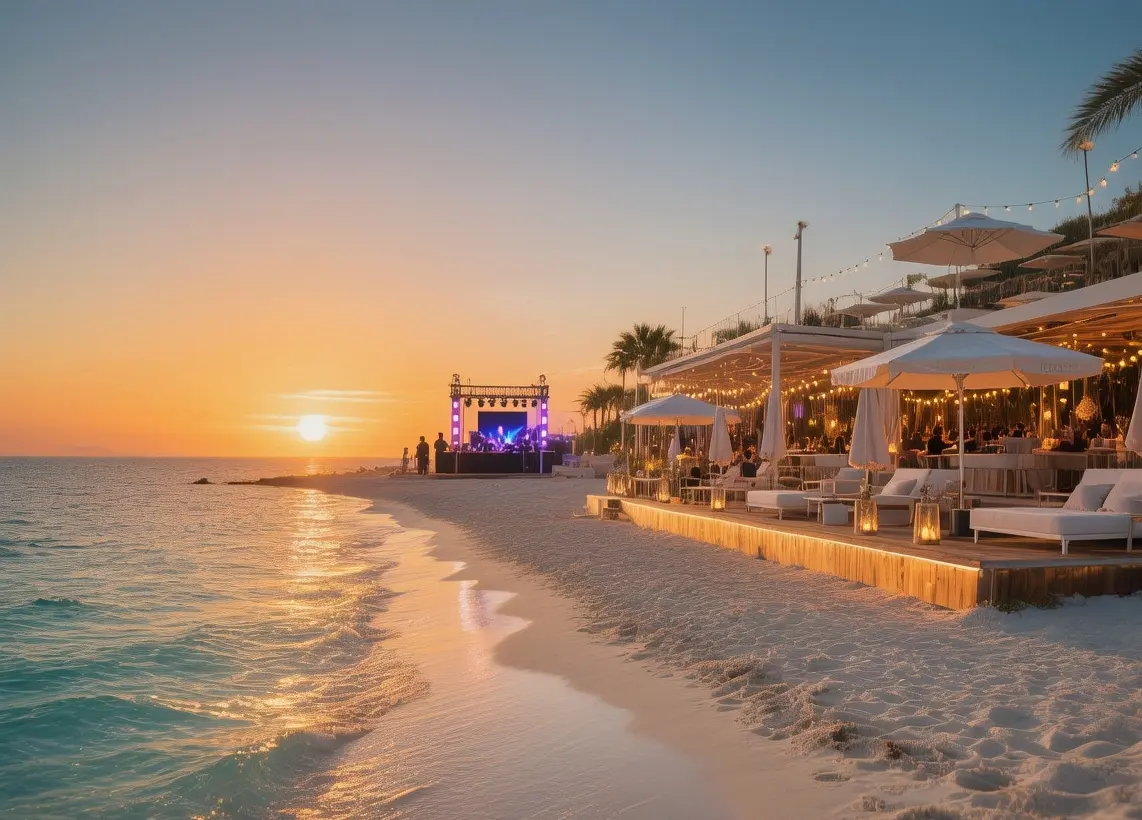
The sun dips below the horizon of Cala Comte, painting the sky in violent shades of violet and orange, while the distant thump of a bass line begins to pulse through the warm night air. You stand on the terrace of a beach club, where the scent of salt spray mingles with expensive perfume and the smoke of celebration. This is the paradox of the Ibiza beaches and nightlife—a place where the tranquility of hidden coves coexists with the frenetic energy of the world's most famous superclubs. The island measures only 570 square kilometers, yet it holds a cultural weight far exceeding its size, having evolved from a Phoenician trading post in 654 BC to the global capital of electronic music. You hear the clink of champagne glasses; the murmur of tourists planning their next move; the silence of the pine forests that cover the interior hills. In 2026, as overtourism threatens fragile ecosystems, the Ibiza beaches and nightlife scene remains a complex organism—a place where natural beauty fuels the party economy, demanding you respect the land that hosts the dance.
Why Ibiza Beaches and Nightlife Embodies Cultural Duality
The Ibiza beaches and nightlife represent a unique cultural duality, solving the tension between preserving a UNESCO World Heritage site and maintaining its status as the epicenter of global club culture. Declared a World Heritage Site in 1999, the island protects the Phoenician settlement of Sa Caleta and the fortified Upper Town of Dalt Vila, dating back to the 16th century. Yet, since the 1960s hippie trail and the 1990s superclub explosion, Ibiza has become synonymous with hedonism. The island's geography dictates this split: the west coast features dramatic cliffs and sunset bars, while the east offers calm beaches and family resorts.
The engineering of the nightlife infrastructure is remarkable: clubs like Pacha and Amnesia utilize state-of-the-art sound systems (Funktion-One) capable of producing 130 decibels without distortion, housed in warehouses designed for optimal acoustics and ventilation. Conversely, the natural landscape features 57 beaches, many protected within the Ses Salines Natural Park, where posidonia oceanica seagrass filters the water to crystal clarity. This integration of natural preservation and high-tech entertainment makes the Ibiza beaches and nightlife not merely a vacation spot but a study in contrasts. The economy relies heavily on tourism, generating over €2 billion annually, yet the local community fights to protect the island's soul from overdevelopment. This concentration of culture and commerce makes it a pilgrimage site for music lovers, where every beat tells a story of evolution from underground rave to mainstream spectacle.
The Best Time to Experience Ibiza Beaches and Nightlife
For the optimal Ibiza beaches and nightlife experience, target May 20–June 15 for the opening parties or September 10–October 5 for the closing season, when temperatures range between 22–28°C (72–82°F) and the crowds are manageable. The clubs open daily at 11:00 PM, with peak energy occurring between 2:00–5:00 AM. Beach clubs operate from 11:00 AM to sunset, offering a daytime alternative to the late-night scene. Spring coincides with the Flower Power festival in Santa Eulalia, causing accommodation prices to increase 30–50%; book lodging three months in advance if visiting during this period.
Avoid July 15–August 25 unless you tolerate extreme heat and maximum crowds; temperatures regularly exceed 32°C (90°F), and the island reaches full capacity with tourists. The lack of shade on popular beaches exacerbates the heat, and club queues can exceed 2 hours. Winter months (November–March) bring mild weather (12–18°C / 54–64°F) but most major clubs close, leaving only a handful of bars open. Some beach facilities reduce hours in low season; verify current status at www.ibiza-spotlight.com or contact the tourist office at info@ibiza.travel (+34 971 301 300). Weekday nights typically see lower club attendance compared to weekends, allowing for easier entry and a more relaxed atmosphere on the dance floor.
Approximate Budget for a 7-Day Trip (2026)
Ibiza is one of Europe's most expensive destinations, with prices fluctuating wildly between the high-season party months and the quiet winter. The following budget assumes mid-range comfort with a focus on experiencing the scene responsibly, based on 2026 pricing with approximately 3.5% inflation from 2025 figures. Estimates include stays in San Antonio or Playa d'en Bossa for easy access to the Ibiza beaches and nightlife hubs.
- Accommodation: €150–€300 per night for a double room in a 3-star hotel or apartment in San Antonio; luxury beachfront villas command €500–€1,500 per night
- Food: €50–€80 per day—breakfast €10–€15 (café con leche and pastry), lunch €20–€35 (beach club meal including paella and wine), dinner €30–€50 (restaurant tapas including sofrit pagès and seafood)
- Transportation: Flight to Ibiza Airport: €100–€300 round-trip from European cities; local bus (Line 30): €3.50 per ride; taxi from airport: €25 fixed rate; scooter rental: €40 per day; private transfer: €60
- Attractions: Club entry (Pacha/Amnesia): €60–€100; Beach club daybed: €100–€300; Boat rental: €200 per half-day; Dalt Vila tour: €10; Hippie market: free
- Miscellaneous: Designer clothing from €50; local hierbas liqueur €15–€30 per bottle; sunscreen €12; artisan jewelry €40–€100; club drinks €20 each
Total estimated cost for 7 days: €2,500–€4,500 per person (based on double occupancy; solo travelers should add 40–50% for single supplements)
7 Essential Ibiza Beaches and Nightlife Experiences
- Watch Sunset at Café del Mar: Arrive at the iconic sunset bar in San Antonio by 7:00 PM. The music is chilled and atmospheric, matching the fading light. Visit during the opening season in May for the best vibe. The view over the sea is uninterrupted. Allow 2 hours to experience the full sunset. This is the anchor of the Ibiza beaches and nightlife ritual; do not miss the applause at dusk.
- Dance at Pacha: Experience the oldest operating superclub, opened in 1973. The cherry logo is iconic. Visit on a Saturday night when the main room hosts top DJs. Entry costs €80–€120 depending on the lineup. The sound system is pristine. It demonstrates the history of the island's club culture.
- Swim at Ses Salines: Visit the protected beach within the natural park. The water is crystal clear due to posidonia seagrass. Visit at 10:00 AM before the crowds arrive. The sand is fine and white. Entry is free. It reveals the natural beauty beyond the parties.
- Explore Dalt Vila: Walk the fortified walls of Ibiza Old Town. The views over the marina are stunning. Visit at 6:00 PM when the light is soft. The cobblestone streets date to the 16th century. Entry to the cathedral costs €6. It provides historical context for the modern scene.
- Shop at Las Dalias: Browse the hippie market in San Carlos. The stalls sell handmade crafts and clothing. Visit on Saturday when the market is largest. The atmosphere is bohemian and relaxed. Entry is free. It honors the island's 1960s counter-culture roots.
- Take a Boat to Formentera: Board a ferry from Ibiza port to the neighboring island. The journey takes 30 minutes. Visit at 9:00 AM to maximize beach time. The water is turquoise and shallow. Tickets cost €40 round-trip. It adds a tranquil contrast to the Ibiza intensity.
- Attend a Beach Club Day Party: Spend the day at Ushuaïa or Ocean Beach. The music starts at 4:00 PM and continues until sunset. Visit on a Sunday for the biggest events. Daybeds require reservation. It combines swimming with clubbing.
3 Hidden Gems Most Travelers Miss
- Cala Xarraca: Located in the north near San Juan, this small cove is surrounded by pine trees. Entry is free; open 24 hours. It is often overlooked as visitors focus on the south. The water is calm and clear. Contact: N/A. Visit early morning for photography without crowds. The scenery is rugged and natural.
- Santa Gertrudis Village: A 15-minute drive from Ibiza Town, this inland village features boutique shops and cafés. Entry is free; open 24 hours. It is often overlooked by tourists rushing to the coast. The atmosphere is quiet and artistic. Contact: N/A. Visit mid-morning when the light is soft. The perspective allows you to see rural island life.
- Cap des Falco: Located on the southern coast, this viewpoint offers the best panoramic view of Es Vedrà. Entry is free; open daylight hours. It is often overlooked due to the difficult access road. The cliff rises 100 meters above the sea. Contact: N/A. Visit late afternoon when the light is golden. The perspective allows you to see the entire southwest coast.
Cultural & Practical Tips
- Club etiquette: In the Ibiza beaches and nightlife scene, dress codes are enforced at major clubs. Wear smart casual attire; no flip-flops or sleeveless shirts for men. Arrive before 1:00 AM to avoid long queues. Security checks are strict.
- Master these phrases: "Buenas noches" (BWEH-nas NO-ches) for good night; "Por favor" (por fah-BOR) for please; "¿Cuánto cuesta?" (KWAN-toh KWES-tah) to ask price; "La cuenta, por favor" (lah KWEN-tah) to request the bill.
- Photography guidelines: Photography is prohibited inside most clubs to protect artist rights. Flash photography is discouraged on beaches to protect wildlife. Respect privacy when photographing other partygoers. Early morning offers the best light without crowds.
- Hydration strategy: The combination of heat, salt, and dancing causes rapid dehydration. Drink water between alcoholic beverages. Public fountains are available in towns. The tap water is safe but desalinated; bottled water is preferred. You'll save €2–€3 by carrying a refillable bottle.
- Transportation: Taxis are expensive and scarce during peak season. Book via app (Free Now) in advance. The bus system is reliable but stops running at 11:00 PM. Scooters are popular but dangerous on winding roads. Wear helmets.
- Weather considerations: The island enjoys 300 days of sunshine annually, but the tramontana wind can be strong in spring. Bring a light jacket for evenings. Winter temperatures rarely drop below 12°C (54°F). Rain is rare but possible in November; the stone surfaces become slick when wet.
- Security awareness: While the area is generally safe, petty theft can occur in crowded clubs and beaches. Keep valuables in hotel safes. Do not leave drinks unattended. Allow an extra 30 minutes for security checks at club entrances. Report suspicious activity to local police.
Conclusion: Travel with Reverence, Not Just Reverie
The Ibiza beaches and nightlife demand more than casual partying—they ask for contemplation of the delicate balance between hedonism and heritage, between the beat of the drum and the silence of the sea. When you walk this island in 2026, you're not merely visiting a destination; you're participating in a complex ecosystem where natural beauty, musical innovation, and mass tourism intersect in delicate balance.
Choose to engage deeply: respect the closing times that protect local residents, support beach clubs that follow environmental guidelines, and understand that this island is a home, not just a playground. The Ibiza beaches and nightlife survive not as a theme park but as a cultural phenomenon—and their preservation depends on visitors who recognize the difference between appreciation and consumption.
Slow down. Sit on the rocks after the clubs close. Listen to the waves lapping against the shore. Watch the sunrise paint the Mediterranean in shades of gold and violet. The island rewards those who approach it not as a checklist item but as a conversation between day and night—a dialogue between the hippies of the past and the ravers of today that continues, like the tide, in perpetual motion.