Galicia Rías Atlantic Tides Meet Ancient Maritime Tradition
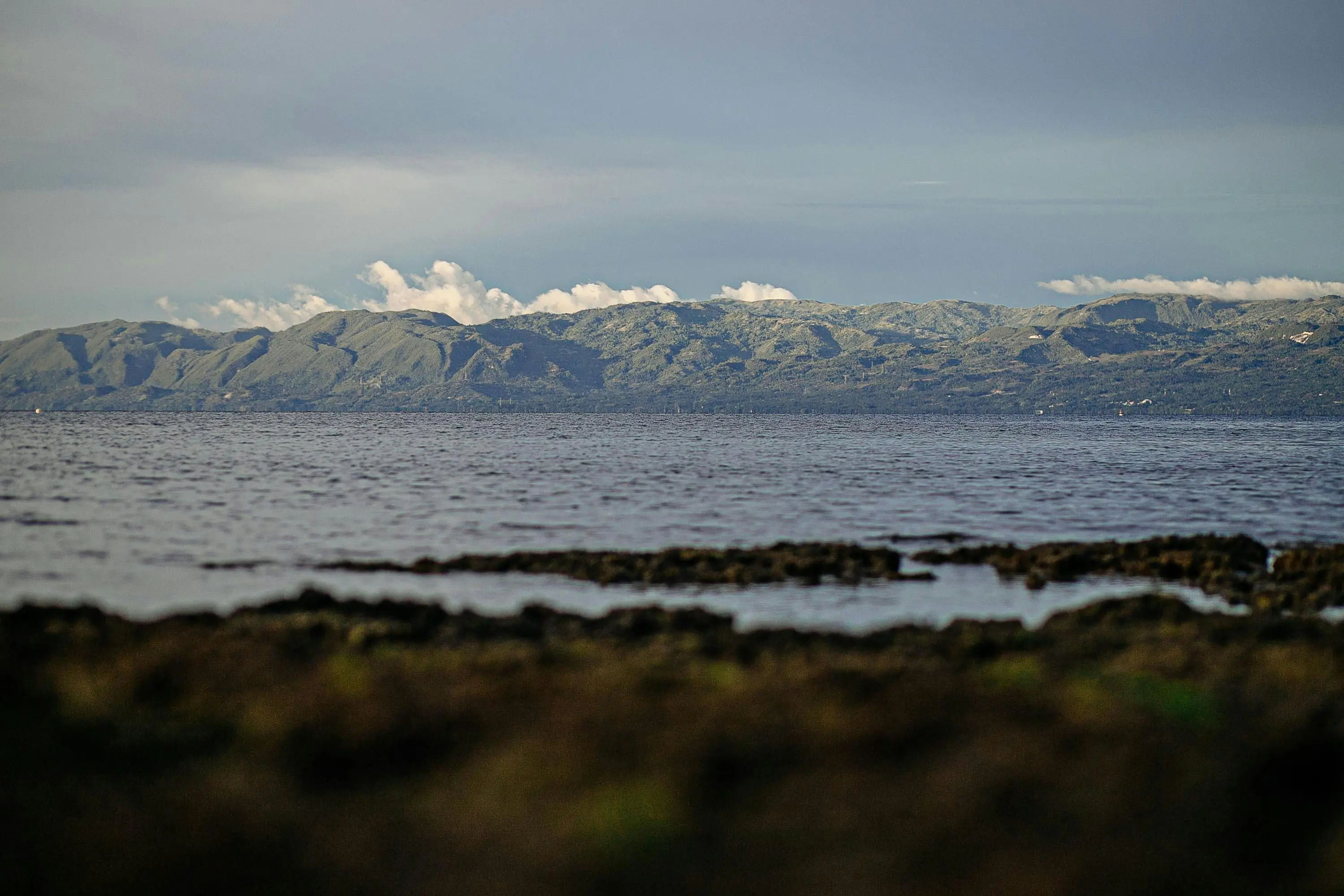
Galicia Rías: Where Inlet Waters Meet Green Hills
I stand on a headland at eleven in the morning. The ria stretches calm and silver below. The coastal viewpoint is free. I watch fishing boats glide slow toward open ocean. Pine forests run down to the water’s edge. Small villages cluster along sheltered bays — white walls, slate roofs, quiet lanes. Not everything stays peaceful. Summer crowds fill the most popular beaches. Some shore developments feel rushed. Water clarity suffers near busy marinas. Yet these deep, branching inlets define Galicia. They feed the people, shape the weather, and hold centuries of quiet history.
Why the Rías Matter
The rías are the heart of Galicia’s coastline — deep, flooded river valleys cutting far inland. They divide broadly into the Rías Altas to the north — wilder, rockier, more exposed — and the Rías Baixas to the south — calmer, warmer, lined with vineyards. Each system acts as sheltered harbour, rich fishing ground, and fertile estuary. Albariño vines thrive on sun-warmed slopes overlooking the southern inlets. Mussel beds hang from floating rafts. The ocean feeds families here generation after generation. That balance feels fragile. Changing weather patterns alter water temperature. Plastic waste gathers in sheltered coves. Modern tourism presses against traditional ways. Still the tides turn. The boats sail out. And the rías remain the region’s greatest treasure.
The Best Time to Experience the Rías
May through June brings gentle light and fresh growth — 13°C to 21°C (55°F–70°F). Wildflowers carpet the cliffs. Vineyards leaf out bright green. September and October offer harvest warmth — 14°C to 23°C (57°F–73°F). Days stay long and evenings cool. July and August feel warmest — 17°C to 26°C (63°F–79°F) — but beaches and coastal lanes fill fast. Winter from November to March stays quiet and blustery — 8°C to 15°C (46°F–59°F). The rías turn wild and grey. Weekdays beat weekends. Arrive before 10:00 to walk shore paths in near-solitude.
Approximate Budget for a 7-Day Trip
- Accommodation: Coastal guesthouse — 50–85 euros per night. Village apartment — 55–95 euros per night. Rural house inland — 45–80 euros per night. Campsite — 12–20 euros per person.
- Food: Seafood lunch — 14–25 euros. Albariño and tapas — 12–20 euros. Market meal — 6–10 euros. Bakery — 4–8 euros.
- Transport: Car rental — 35–55 euros per day (highly recommended). Local bus — 2–5 euros one way. Ferry between inlets — 6–12 euros. Train between major towns — 8–15 euros.
- Attractions: Shore paths and viewpoints — free. Boat tour — 15–30 euros. Vineyard tasting — 12–25 euros. Fishing port visit — free.
- Miscellaneous: Water, snacks, rain layer — 8–14 euros daily.
Total estimated for one person, 7 days: 380–700 euros
Restaurants right on the most photographed promenades charge a clear premium. Walk two lanes back. You will find family-run places serving fresher seafood and better local wine at kinder prices.
Essential Rías Experiences
- Cross a ria by small boat at dawn. Water lies still as glass. Mist clings to forested slopes. You see herons stand motionless in shallows. The world feels half-asleep and entirely yours. Skip this if strong wind blows — crossings cancel fast.
- Taste Albariño overlooking the vines. Crisp, bright, lightly saline — the wine carries the sea in every glass. The best bodegas sit right above the water. Light falls across the vines and ria together. It tastes exactly where it comes from.
- Walk a fishing pier as boats unload. Crates slide from deck to dock. Octopus, sardines, and spider crab move fast to market. This is where every meal begins. It feels raw, honest, and deeply alive.
- Follow a shore path at low tide. Rock pools, smooth stones, and quiet coves appear. The water pulls back to reveal hidden coastline. You can walk far out. The tide returns fast — keep checking your watch.
- Eat pulpo a la gallega beside the water. Tender octopus, olive oil, bright paprika, coarse salt. Served simply on wood. It needs nothing else. The ria view completes the plate.
- Watch sunset from a high viewpoint. Light spills across branching waterways. The ria turns gold then deep rose. Boats drift home leaving faint wakes. It feels like the whole land breathes slow.
Hidden Gems Most Travelers Miss
- The upper reaches of any ria. Most people stay near the mouth. Drive inland along quieter roads. The water narrows, villages shrink, forest closes in. It feels ancient and untouched.
- Smaller family vineyards away from main routes. The wine tastes just as good. The owners welcome you personally. Prices sit lower and stories run deeper.
- The so-called "iconic viewpoint" marked on every map. It fills instantly. Drive ten minutes further along the ridge. The same ria opens out — empty and just as beautiful.
Cultural & Practical Tips
- Respect fishing grounds and mussel rafts. These are working areas. Do not anchor or swim close. Local livelihoods depend on these waters.
- Check tide times before setting out. The shoreline changes dramatically. Paths can vanish underwater. Carry a simple guide or ask locally.
- Book vineyard visits ahead. Many small places run on family schedules. A quick call ensures a warm welcome and unhurried tasting.
- Carry a waterproof layer always. Showers sweep across the ria fast. They pass just as quickly. They do not need to ruin your day — they just make the water sparkle.
- Do not drop anything in the water. Plastic drifts to sheltered coves and stays. The rías are fragile. Leave no trace.
- Drive slowly along coastal roads. They curve, narrow, and locals use them daily. Pull over to let vehicles pass. The journey matters more than speed.
Essential Visitor Information
Location & Access: Galicia, northwest Spain. Rías Baixas south — Vigo, Pontevedra, Arousa, Muros e Noia. Rías Altas north — Coruña, Ares, Betanzos, Ortigueira. Main hubs: Santiago de Compostela, Vigo, A Coruña. International connections via Porto, Santiago, or Vigo airports. Car recommended for full exploration.
Tickets & Booking: Shore paths — free. Boat tours — 15–30 euros. Vineyard tastings — 12–25 euros. Reserve popular tours and accommodation June–September well ahead.
Best Seasons & Timing: May–June and September–October ideal. Avoid mid-July to mid-August crowds. Best time — early morning or late afternoon.
Visit Duration: Minimum 3 days. 5–7 days lets you explore different rias, taste across subzones, and enjoy slow evenings without rushing.
Family Suitability: Excellent. Sheltered waters stay calm. Shallow coves suit children. Strollers work on promenades but not all cliff paths. Restrooms in every village.
Highlights: Dawn boat crossing, waterside Albariño tasting, pier unload, low-tide walk, pulpo lunch, sunset viewpoint.
Nearby & Day Trip: Cíes Islands — 45 mins by boat. Santiago de Compostela — 45–60 mins. Lugo Roman Walls — 1 hour. Cabo Finisterre — 1 hour 15 mins.
Conclusion: Travel with Respect, Not Just Views
The rías are not scenery. They are living, working waters that feed and sustain people. Their health matters as much as their beauty. Before you leave, watch the boats sail out. What will you do to keep these waters clean for the generations who follow?
Post a Comment