
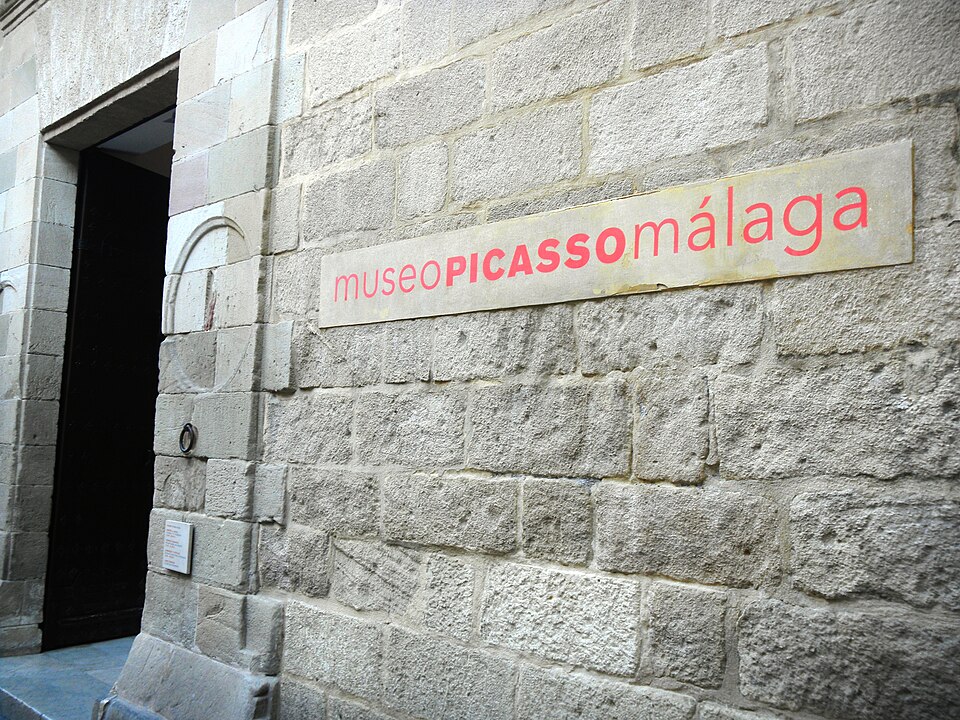
Málaga Picasso Museum Cubist Genius Meets Andalusian Light
The morning sun filters through the Renaissance courtyard of the Palacio de Buenavista, casting geometric shadows that seem to echo the fractured perspectives of the master himself. You stand in the heart of Málaga, where Pablo Picasso was born in 1881, surrounded by 285 works that trace the evolution of an artist who shattered the conventions of visual representation. The air carries the scent of orange blossoms from the patio gardens; the distant sound of church bells mixes with the hushed whispers of art lovers contemplating Guernica studies and Blue Period masterpieces. This is not merely a museum but a pilgrimage site—housed in a 16th-century palace that witnessed the birth of modern art's greatest revolutionary. You trace the cobblestone path that young Pablo once walked, feeling the weight of history in every stone. In 2026, as the art world grapples with digital reproduction and AI-generated imagery, the Málaga Picasso Museum remains a sanctuary of authentic creativity—a place where the human hand and mind created something that changed how we see the world, demanding you slow down and truly look.
Why Málaga Picasso Museum Embodies Artistic Revolution
The Málaga Picasso Museum represents the ultimate homecoming for an artist who left Spain in 1904 and never returned, solving the profound need to reconnect Picasso's revolutionary work with his Andalusian roots. Opened in 2003 after decades of negotiation between the Picasso administration and the city of Málaga, the museum houses 285 works donated by the artist's family, creating the most comprehensive collection of his work in Spain. The museum occupies the Palacio de Buenavista, a Renaissance palace built in 1540 that was meticulously restored to accommodate modern climate control while preserving its historical integrity.
The collection spans Picasso's entire career: from early academic works created when he was just 14 years old to the radical Cubist experiments that defined the 20th century. The engineering challenge was significant—maintaining precise temperature (20°C) and humidity (50%) levels to protect oil paintings, watercolors, and sculptures while allowing natural light to illuminate the Renaissance courtyard. The museum features 18 exhibition rooms across 3,500 square meters, with works including 17 paintings from the Blue Period, 25 Cubist masterpieces, and intimate family portraits that reveal the man behind the myth. This integration of Renaissance architecture with modernist art creates a dialogue between centuries, making the Málaga Picasso Museum not merely a repository but a living testament to artistic evolution, where every brushstroke tells the story of a genius who transformed how humanity perceives reality.
The Best Time to Experience Málaga Picasso Museum
For the optimal Málaga Picasso Museum visit, target May 15–June 20 or September 10–October 25, when temperatures range between 20–28°C (68–82°F) and the Andalusian light is soft enough to appreciate the paintings without glare. The museum opens at 10:00 AM Tuesday through Sunday; arrive at 9:45 AM to enter with the first group before crowds converge. Late afternoon visits between 4:00–6:00 PM offer the best natural lighting in the Renaissance courtyard, though the galleries remain climate-controlled year-round. Spring coincides with the Málaga Fair in August, causing accommodation prices to increase 40–60%; book lodging three months in advance if visiting during peak season.
Avoid July 15–August 25 unless you tolerate extreme heat and crowds; temperatures regularly exceed 32°C (90°F), making the walk to the museum uncomfortable. The museum is busiest during midday when tour groups arrive; winter months (December–February) bring mild weather (15–20°C / 59–68°F) but shorter daylight hours. The museum closes on Mondays; verify current hours at www.museopicassomalaga.org or contact the information desk at info@museopicassomalaga.org (+34 952 127 600). Tuesday and Wednesday mornings typically see the lowest visitor density, allowing for contemplative viewing of masterpieces without obstruction from crowds.
Approximate Budget for a 7-Day Trip (2026)
Málaga offers excellent value for cultural travelers, with costs generally 20–30% lower than Madrid or Barcelona. The following budget assumes mid-range comfort with a focus on art and local experiences, based on 2026 pricing with approximately 3.5% inflation from 2025 figures. Estimates include stays in the historic center for easy access to the Málaga Picasso Museum and other cultural sites.
- Accommodation: €70–€140 per night for a double room in a boutique hotel or apartment in Centro Histórico or La Malagueta; luxury options with sea views command €180–€350 per night
- Food: €40–€65 per day—breakfast €6–€10 (café con leche and churros), lunch €15–€25 (menú del día including pescaíto frito, salad, and local wine), dinner €20–€35 (tapas selection including gambas al ajillo and espetos)
- Transportation: Flight to Málaga Airport: €80–€200 round-trip from European cities; train from Madrid Atocha to Málaga: €60 high-speed AVE (2 hours 40 minutes); local bus within Málaga: €1.30 per ride or €3.50 daily pass; taxi from airport: €25 fixed rate
- Attractions: Málaga Picasso Museum entry: €13; Alcazaba fortress: €6; Cathedral: €6; Pompidou Center Málaga: €7; Carmen Thyssen Museum: €8; guided city tour: €20
- Miscellaneous: Art books from €25; local wine €8–€20 per bottle; horchata drink €3; artisan ceramics €30–€70; museum catalog €35
Total estimated cost for 7 days: €950–€1,450 per person (based on double occupancy; solo travelers should add 35–45% for single supplements)
7 Essential Málaga Picasso Museum Experiences
- Explore the Blue Period Gallery: Enter Room 3 to contemplate the melancholic masterpieces from 1901–1904. The blue-toned paintings depict poverty and isolation with haunting beauty. Visit at 10:00 AM opening time to experience the works before crowds obscure the view. The room features Woman with Folded Arms and other pivotal works. Allow 30 minutes to absorb the emotional depth. This is the foundation of the Málaga Picasso Museum collection; do not rush through it.
- Study the Cubist Revolution: Locate the Cubist gallery featuring works from 1907–1914. The fragmented perspectives challenge conventional representation. Visit between 2:00–4:00 PM when lighting accentuates the geometric forms. Audio guides explain the radical break from tradition. This collection defines Picasso's contribution to modern art.
- View the Sculpture Collection: Examine the three-dimensional works in Room 12. The sculptures reveal Picasso's experimentation with form beyond canvas. Visit at 11:30 AM when the guide explains the techniques. The space is intimate but rich in innovation. Audio guides available in six languages for €3. Allow 20 minutes to appreciate the details.
- Contemplate the Renaissance Courtyard: Step into the 16th-century patio where Renaissance architecture frames modern art. The contrast is striking. Visit in late afternoon when the sun softens the stone colors. The courtyard offers a peaceful retreat from the galleries. Entry is included with the ticket. This provides physical context for the museum's setting.
- Examine Early Academic Works: Study the paintings Picasso created as a teenager in Málaga. The technical skill at age 14 is extraordinary. Visit when natural light streams through the windows to illuminate the brushwork. The works demonstrate classical training before rebellion. Do not touch the protective glass; oils damage the surface.
- Attend an Evening Event: Check the schedule for special exhibitions or lectures. The museum hosts cultural events monthly. Events typically start at 7:00 PM. Tickets range €10–€25 depending on the program. The atmosphere is intellectual and engaging. Follow @museopicassomalaga on social media for updates. These events reveal the museum's role as a cultural center.
- Visit the Museum Shop: Browse the extensive collection of art books and reproductions. The shop features high-quality prints and catalogs. Visit at 5:00 PM when you've finished viewing. Prices range €15–€150. It's the perfect place to take home a piece of Picasso. This supports the museum's educational mission.
3 Hidden Gems Most Travelers Miss
- Picasso's Birthplace Museum: Located 300 meters from the main museum at Plaza de la Merced, 15, this house museum recreates the artist's childhood home. Entry: €6; open 10:00 AM–6:00 PM. It is often overlooked as visitors focus on the main museum. The rooms are furnished as they were in 1881. Contact: +34 952 127 600. Visit early morning for photography without crowds. The intimate setting reveals Picasso's formative years.
- Roman Theatre: A 5-minute walk from the museum at C/ Alcazabilla, this 1st-century BC theater was discovered in 1951. Entry is free; open 24 hours. It is often overlooked by tourists rushing to the Picasso Museum. The ancient stones contrast with modern Málaga. Contact: +34 952 127 600. Visit mid-morning when light illuminates the ruins. The perspective allows you to see the Alcazaba above.
- Carmen Thyssen Museum: Located 400 meters south at Plaza Carmen Thyssen, this 16th-century palace houses Andalusian art from the 19th century. Entry: €8; open 10:00 AM–6:00 PM. It is often overlooked as visitors focus on Picasso. The collection features works by Sorolla and Zuloaga. Contact: +34 952 127 600. Visit late afternoon when the light is soft. The perspective allows you to understand Málaga's broader artistic heritage.
Cultural & Practical Tips
- Respect the artwork: The Málaga Picasso Museum houses irreplaceable masterpieces. Do not touch the paintings or sculptures. Maintain a distance of 50 centimeters from the artwork. Flash photography is strictly prohibited. Security monitors the galleries. Keep voices low to respect other visitors.
- Master these phrases: "Buenos días" (BWEH-nos DEE-as) for good morning; "Por favor" (por fah-BOR) for please; "¿Cuánto cuesta?" (KWAN-toh KWES-tah) to ask price; "La cuenta, por favor" (lah KWEN-tah) to request the bill.
- Photography guidelines: Photography without flash is permitted in most galleries. Tripods require special permission from the administration (+34 952 127 600). Mobile phones must be silenced. Respect "no fotos" signs in temporary exhibitions. Early morning offers the best light without crowds.
- Audio guide recommendation: The museum offers excellent audio guides in six languages for €3. They provide essential context for understanding Picasso's evolution. Rent one at the entrance. The commentary enhances the viewing experience significantly.
- Hydration strategy: Málaga's coastal location means humidity; carry a refillable bottle. Public fountains (fuentes) are available in the plazas. The water is potable and sourced from mountain springs. You'll save €2–€3 daily and reduce plastic waste. Purchase water from kiosks if fountains are unavailable.
- Footwear selection: The museum features marble floors and cobblestone approaches. Wear comfortable walking shoes with good grip. The historic center streets can be uneven. Avoid high heels. Comfortable shoes essential for exploring the area.
- Weather considerations: The museum is fully climate-controlled, but the walk there is outdoors. Summer temperatures exceed 32°C (90°F); bring sun protection. Winter evenings can be mild; bring a light jacket. Rain is rare but possible in November; the stone surfaces become slick when wet.
Conclusion: Travel with Reverence, Not Just Reverie
The Málaga Picasso Museum demands more than casual observation—it asks for contemplation of the layers of genius embedded in every brushstroke, every fractured perspective, every revolutionary idea that changed art forever. When you walk these galleries in 2026, you're not merely touring a museum; you're walking through a fragile ecosystem of memory where Andalusian roots, artistic rebellion, and modern innovation intersect in delicate balance.
Choose to engage deeply: hire a knowledgeable guide from the historic center rather than relying solely on audio guides; purchase tickets directly to support preservation efforts; respect the silence of the galleries that house humanity's artistic heritage. The Málaga Picasso Museum survives not as a commercial enterprise but as a temple of creativity—and its preservation depends on visitors who recognize the difference between appreciation and consumption.
Slow down. Sit in the Renaissance courtyard after viewing the masterpieces. Listen to the fountain water flowing through centuries-old channels. Watch the light shift across the stone walls. The museum rewards those who approach it not as a checklist item but as a conversation across time—a dialogue between the boy who left Málaga and the genius who transformed the world, a conversation that continues, like art itself, in perpetual motion.