Monasterio de Piedra Waterfalls Cistercian Stone Meets Cascading River Magic
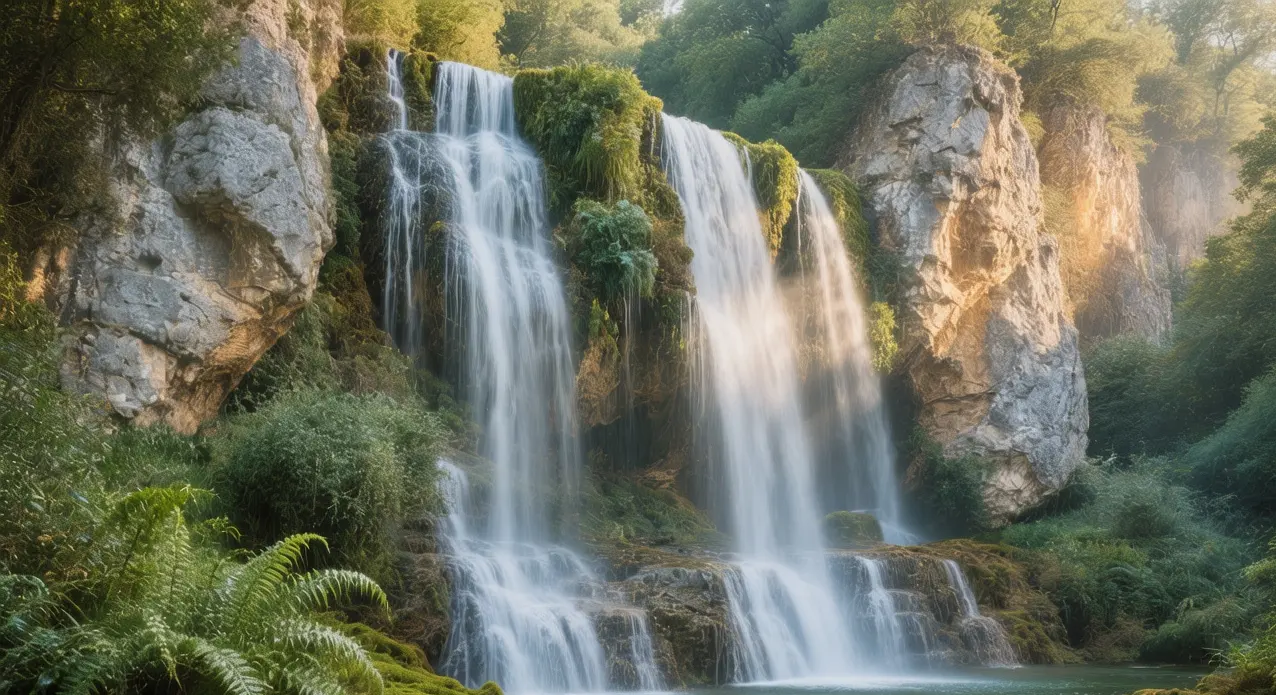
Monasterio de Piedra: Where Stone Ruin Meets Living Water
I step through the old gateway at eleven in the morning. Cool air carries the constant sound of falling water. Entry costs sixteen euros. I walk past broken arches and weathered walls — stone that once sheltered monks now open to sky and forest. Beyond the cloisters, the river drops through a deep gorge — cascades glide over smooth rock, pools glow clear and green. Not everything feels quiet. Weekends fill with day-trippers. Some paths stay steep and slippery. The most famous waterfall has a queue at the viewpoint. Yet this place feels reborn — nature reclaiming architecture, water shaping stone, wild and beautiful together.
Why Monasterio de Piedra Matters
Founded in the 12th century by Cistercian monks, this monastery stood remote beside the Piedra River for six hundred years. The order built stone walls, irrigation channels, and fishponds, living in quiet rhythm with the land. When the community dissolved in the 19th century, the buildings fell into ruin. Later owners turned the grounds into a landscaped park, preserving the remains while letting the river run free. Today it stands as one of Spain’s most unusual heritage sites — half historic monument, half wild gorge. That dual identity brings tension. Visitor numbers grow. Paths show wear. Balancing access with protection is an ongoing task. Still the water flows. Trees grow thick through empty chapels. And the place feels alive in a new way.
The Best Time to Experience Monasterio de Piedra
April through June brings blooming flowers and full water flow — 12°C to 21°C (54°F–70°F). Ferns and moss glow vivid green. September and early October offer golden leaves and thinner crowds — 11°C to 20°C (52°F–68°F). Summer from July to August stays warmest — 15°C to 28°C (59°F–82°F) — but queues stretch longest. Winter from November to March stays quiet and damp — 5°C to 12°C (41°F–54°F). Ice fringes the falls on coldest mornings. Weekdays beat weekends. Arrive before 10:00 to walk the gorge almost alone.
Approximate Budget for a 7-Day Trip
- Accommodation: Guesthouse in Nuévalos — 45–70 euros per night. Rural cottage nearby — 55–90 euros per night. Hotel in Calatayud — 50–85 euros per night. Zaragoza base — 60–110 euros per night.
- Food: Local lamb lunch — 12–20 euros. Tapas dinner — 10–18 euros. Market meal — 7–12 euros. Bakery — 4–8 euros.
- Transport: Car rental — 35–55 euros per day (recommended). Bus from Calatayud — 5 euros one way. Train from Zaragoza to Calatayud — 8 euros. Parking at site — 3 euros daily.
- Attractions: Monasterio de Piedra — 16 euros. Calatayud monuments — 4 euros. Carinena wine visit — 12 euros.
- Miscellaneous: Waterproof shoes, snacks — 8–14 euros daily.
Total estimated for one person, 7 days: 320–600 euros
Drinks and meals at the site restaurant cost noticeably more than in Nuévalos, five minutes away. Carry water and a light meal. It saves money and you can eat beside the waterfall whenever you choose.
Essential Monasterio de Piedra Experiences
- Walk the ruined cloisters at dawn. Sunlight filters through broken arches. No crowds, no noise — just birdsong and distant water. Stone glows soft gold. It feels peaceful and timeless. Skip this if heavy rain falls — uncovered sections stay slippery and unsafe.
- Stand before the Horse’s Hoof Waterfall. Water drops sheer from a high ledge into a deep green pool. Mist rises cool and fine. The sound fills the gorge. It is the site’s most famous view — and it lives up to the name.
- Follow the river path through the gorge. Rock walls rise steep. The stream runs fast and clear. You pass cascades, caves, quiet pools. Every bend reveals something new.
- Step inside the cave behind the main fall. A narrow path leads behind the curtain of water. The world turns dim and grey. You hear the roar close and loud. It feels like stepping inside the river itself.
- Climb to the high viewpoint. The whole valley unfolds below — ruins, trees, waterfalls, all framed by hills. You see how the river shaped this place. It puts everything in perspective.
- Walk back through the ruins at sunset. Shadows stretch long across grass and stone. The day winds down slow. Most visitors have left. The silence returns.
Hidden Gems Most Travelers Miss
- The small upper cascade beyond the main circuit. Most people turn back before reaching it. Water glides gentle over wide rock. A quiet bench sits shaded. Almost no one pauses here.
- The old monk fishponds near the entrance. Shallow, calm, reflecting trees. They look much as they did centuries ago. Few visitors stop to look.
- The so-called "iconic waterfall viewpoint" right at the railing. It fills instantly. Walk ten metres further along the path. The same fall appears framed by trees — empty and just as beautiful.
Cultural & Practical Tips
- Wear sturdy non-slip shoes. Paths are uneven, stony, and permanently damp. Flip-flops are unsafe and impractical. Ankle support matters on steep sections.
- Stay on marked trails. The gorge is deep and unprotected in places. Shortcuts damage fragile plant life and put you at risk.
- Carry a light waterproof layer. Mist from the falls soaks nearby paths even when not raining. A jacket keeps you dry and comfortable.
- Arrive early or late. By midday the narrowest paths become one-way queues. The most beautiful moments come when you can stand and watch without being hurried.
- Do not swim in the pools. They look inviting but are deep and cold. Strong currents run beneath the surface. Respect the rules — they protect you and the ecosystem.
- Book accommodation months ahead in August. Rooms vanish fast. May or September offer better value and thinner crowds.
Essential Visitor Information
Location & Access: Nuévalos, Zaragoza province, Spain. 35 km southwest of Calatayud — 30 minutes by car. 110 km southwest of Zaragoza — 1 hour 30 minutes. 240 km northeast of Madrid — 2.5 hours by car. Public transport is limited — car is strongly recommended.
Tickets & Booking: Adults 16 euros. Discounts for children and seniors. Buy tickets at entrance — reservation recommended on weekends and holidays.
Operating Hours: Daily 10:00–19:00 summer; closes 18:00 autumn; 17:00 winter. Closed 25 December and 1 January.
Visit Duration: Minimum 3 hours. Half a day lets you explore ruins, full gorge circuit, and viewpoint without rushing.
Family Suitability: Good for older children. Main paths are wide and accessible. Upper trails are steep and exposed. Strollers work on lower routes but not in the gorge. Restrooms at entrance and restaurant.
Timing: Best season — April–June and September–October. Best time — before 10:00 or after 15:00.
Highlights: Cloister at dawn, Horse’s Hoof Waterfall, gorge circuit, cave behind fall, high viewpoint, sunset ruins.
Nearby & Day Trip: Calatayud — 30 mins. Zaragoza — 1 hour 30 mins. Carinena wine region — 45 mins. Tarazona — 1 hour.
Conclusion: Travel with Renewal, Not Just Ruin
These walls were not built to stand empty. Yet nature has filled them with something new — green, flowing, constantly changing. Before you leave, watch the water fall. What will you let grow in the empty spaces of your life?
Post a Comment