Copenhagen Opera House: Where Scandinavian Design Meets Harbor Elegance
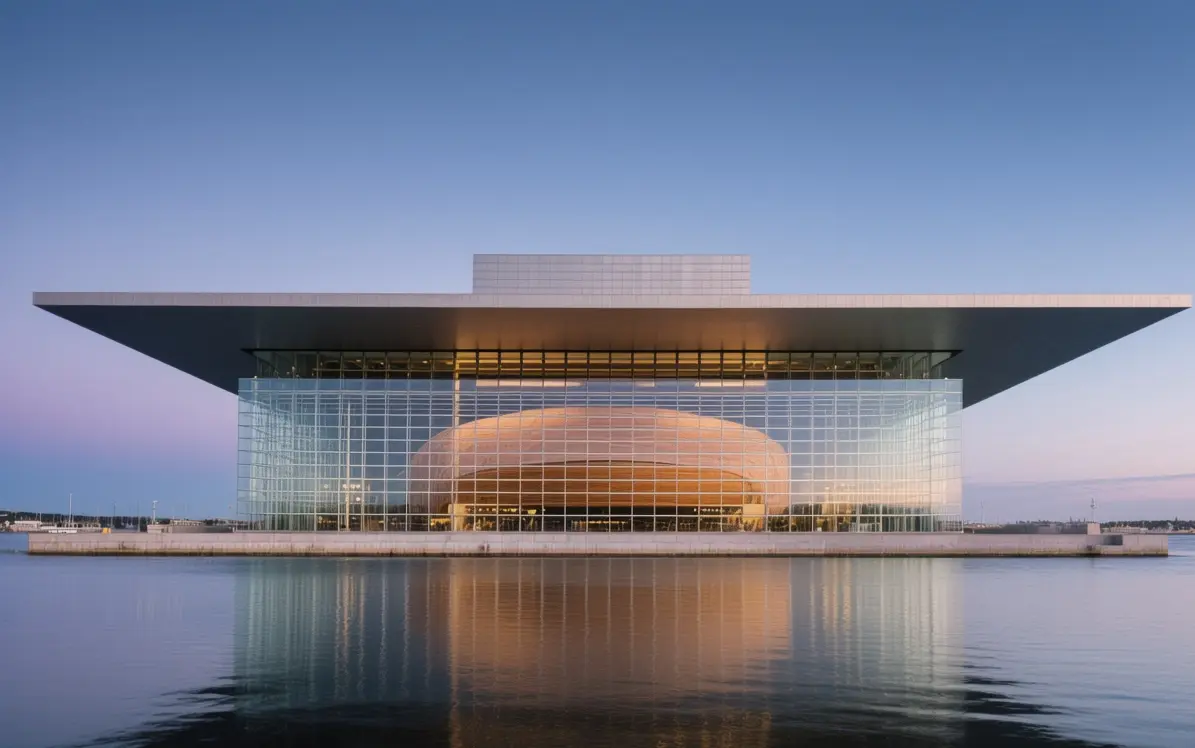
Copenhagen Opera House: Where Modern Design Meets Water and Light
I step onto the plaza just past eleven in the morning. Sunlight reflects off polished marble and glass walls. The building rises straight from the harbor edge. I paid nothing to walk the grounds. The guided architectural tour cost 120 DKK. The train ride from central Copenhagen took fifteen minutes. It cost 36 DKK one way. I bought a coffee at the lobby café. It cost 38 DKK and tasted smooth. Water laps quietly against the foundations. The view across the harbor toward Amalienborg Palace feels perfectly framed. This is not just a venue — it is a landmark built to belong to the city as much as the sea.
Why Copenhagen Opera House Matters
The Opera House opened in 2005, a gift to the nation from the shipping magnate Mærsk Mc-Kinney Møller. Designed by architect Henning Larsen, it sits on Dokken Island, directly across the harbor from the royal palace. The sloped roof and glass facades were conceived to appear as a ship rising from the water — a deliberate nod to Denmark's maritime heritage. Inside, the main auditorium seats more than 1,400 people, with wood, wool, and soft textiles chosen to balance grandeur with warmth. The building combines world-class acoustics with a design that invites public access. It does not stand apart — plazas, terraces, and walkways surround it, open to everyone regardless of whether they hold a ticket. It belongs to the waterfront as much as the ships that pass.
It is not an ancient monument. Some visitors expect centuries of history and find the modern finish unfamiliar. The main auditorium is only accessible during performances or paid tours — casual entry inside is not possible. Photography is restricted in many areas. On performance nights, crowds fill the lobbies and terraces. The location across the harbor means you must plan travel times — ferries and buses run frequently but journeys add up.
The Best Time to Experience Copenhagen Opera House
Late May through early September offers the longest days and fullest outdoor experience. Daytime temperatures sit between 14°C and 21°C (57°F–70°F). Terraces stay open late and evening performances end in twilight. Arrive one hour early to walk the waterfront. July and August see the most visitors — book tickets and dining well ahead.
April, early May, and September balance mild weather and fewer crowds. Temperatures hover around 9°C–15°C (48°F–59°F). Spring brings blossom to the harbor promenades. Autumn turns the water soft gold in low light. October through April brings shorter days and cooler conditions — 2°C–7°C (36°F–45°F). The building feels warm and inviting against the cold. Winter performances sell out fast — reserve seats early. Tuesdays through Thursdays stay quieter than weekends year-round.
Approximate Budget for a 7-Day Trip
- Accommodation: 4,550 DKK – 7,700 DKK. Hotel or B&B in central Copenhagen sits higher. Staying in Christianshavn or Nyhavn offers shorter walks. Budget options in outer districts cost less but add travel time.
- Food & Drink: 1,890 DKK – 3,220 DKK. Pre-performance dinner at the Opera café costs 195–310 DKK per person. Restaurants in the city center run similar prices. Eating in Indre By before taking the ferry saves premium venue rates.
- Transport: 770 DKK – 1,400 DKK. Harbor ferry or bus 36 DKK one way. City pass covers all public transport. Bicycle rental works perfectly at 100–140 DKK per day — dedicated paths lead directly to the entrance.
- Attractions & Entry: 600 DKK – 1,400 DKK. Tour 120 DKK. Performance tickets range from 300 DKK upper circle to 700 DKK stalls.
- Miscellaneous: 560 DKK – 910 DKK. Covers coffee, snacks, program, and small souvenirs.
Total estimated budget: 8,370 DKK – 14,630 DKK per person for 7 days.
One thing to watch: dining on-site carries premium pricing. A meal can cost 90 DKK more than at places five minutes away by ferry. Eat in the city center then take the water bus across — the ride itself becomes part of the experience.
Essential Copenhagen Opera House Experiences
- Walk the exterior terraces. Wide plazas wrap around the building. Every angle reveals a new view — glass reflecting sky, sloped roof catching light, harbor stretching toward the city. Approach from the water if you can — the building appears most impressive from the ferry. Skip if you are short on time — the harbor side offers the best perspective in one place.
- Take the architectural tour. Guides explain design choices, materials, and acoustics. You visit spaces otherwise closed to visitors. The main auditorium seen from the stage feels entirely different — vast yet intimate. Tours run most days but check the schedule — they do not operate during rehearsals.
- Attend an evening performance. The experience begins before the curtain rises — harbor lights reflect in the glass walls. The acoustics feel warm and clear wherever you sit. Even upper-circle seats offer strong sound and view. Dress comfortably — no strict formal code applies.
- Stand on the steps at sunset. Low light turns marble and glass warm gold. The palace spires glow across the water. Most day visitors leave by 4:00 PM. You often have the steps almost to yourself.
- Cross by ferry afterward. The ride back to the city center takes ten minutes. Look back — the Opera House stands illuminated against the dark water. It is the final, perfect view of the evening.
- Visit the exhibition areas. Displays on lower levels explore opera history, productions, and design. Free to ticket holders or tour participants. Allow twenty minutes — costumes, sketches, and models show what happens behind the scenes.
Hidden Gems Most Travelers Miss
- The quiet northern terrace. Most visitors stay on the harbor side facing the city. This area looks out over open water. Benches sit empty and calm. Wind carries the sound of waves gently against the wall.
- Overrated spot: the main entrance plaza photo spot. Every group stops here. Walk fifty yards along the water to the right. The full building appears reflected in the harbor with no crowd.
- The light installation in the lower lobby. Subtle patterns shift across the ceiling after dark. Most people look up at the main stairway and miss it entirely. Stand still for a minute — the change feels slow and beautiful.
- The waterfront path south of the building. It runs past old warehouses and docks. No crowds, no signage — just water and quiet. It connects back to the main plaza and offers a different perspective on the architecture.
- Early morning light on the glass. Arrive thirty minutes before opening. Sun hits the facade and illuminates the interior faintly. No crowds, no noise — just the building and the water.
Cultural & Practical Tips
- Book everything ahead. Performances sell out weeks in advance. Tours fill up on weekends. Do not count on buying tickets at the door.
- Check ferry times carefully. The harbor service runs frequently but slows late at night. Note the last return crossing so you do not get stranded.
- Dress comfortably. Temperature inside the auditorium stays consistent year-round. Thin layers work best — lobbies can feel warmer than the hall.
- Respect photography rules. No photos during performances or in restricted areas. Signs are clear — please honor them. It protects the experience for everyone.
- Arrive early. Finding your seat, reading the program, and settling in takes time. Thirty minutes before curtain feels relaxed. Ten minutes feels rushed.
- Walk there if you can. The promenade from the city center along the harbor takes forty minutes. Beautiful views unfold along the way. It sets the perfect tone for the evening.
Essential Visitor Information
Location & Access: Copenhagen Opera House, Ekvipagemestervej 10, 1259 København K. Three ways to arrive: harbor ferry from Nyhavn or Kongens Nytorv (10 minutes); bus 1A from central station; bicycle or foot via Indre By harbor paths.
Tickets & Booking: Architectural tour 120 DKK. Performance tickets 300–700 DKK. Children under 12 discounted. Booking online strongly recommended.
Operating Hours: Public areas open 24 hours daily. Box office and lobbies open 1 hour before performances. Tours typically 11:00 AM and 1:00 PM — schedule varies.
Visit Duration: Minimum 1 hour for exterior walk. 2 hours includes tour. 3–4 hours for full evening experience including pre- and post-performance time.
Family Suitability: Good. Special children's performances run regularly. Stroller access excellent. Restrooms and baby-care rooms available. Some evening productions suit older audiences.
Timing: Best season: May or September. Best time: one hour before curtain or sunset for exterior views. Weekday performances feel quieter than weekends.
Highlights: Harbor terrace views, auditorium from tour, sunset reflection, ferry ride by night, lower-lobby light installation.
Nearby & Day Trip: Amalienborg Palace 15 minutes by ferry. Nyhavn 20 minutes on foot. Freetown Christiania 25 minutes by bicycle. Rosenborg Castle 30 minutes by public transport.
Conclusion: Travel with Depth, Not Just Sight
The Opera House does not demand attention. It waits, quiet and bright, at the water's edge. It belongs as much to the passing ships as to the audience inside. Walk slowly. Look back as you leave. What will you remember when the lights fade from the glass?
Post a Comment