Freetown Christiania: Where Counterculture Meets Copenhagen's Creative Spirit
Freetown Christiania: Where Self-Governance Meets Green Living
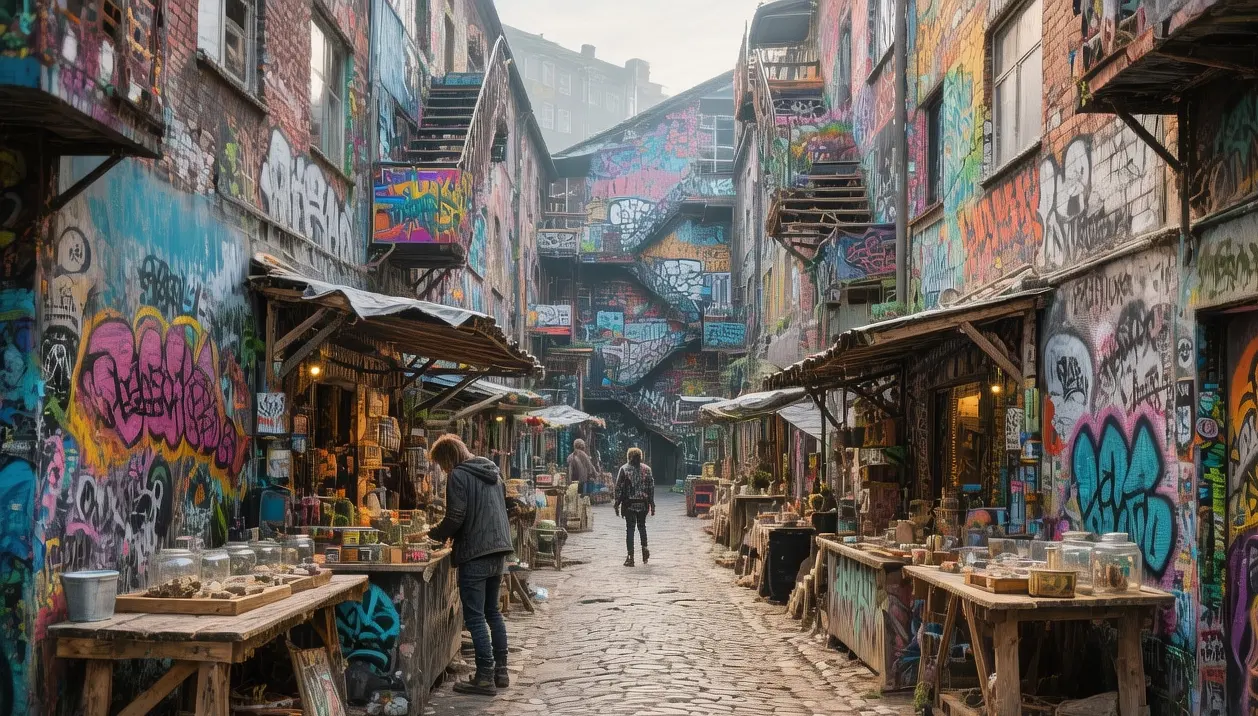
I walk through the main entrance just past ten in the morning. The painted sign marks the boundary. A short notice explains local rules clearly. I paid nothing to enter. The train ride from central Copenhagen took ten minutes. It cost 36 DKK one way. I bought a warm organic bun from a bakery near the lake. It cost 25 DKK and tasted of whole grains. Cars stay mostly outside. Pedestrians and bicycles move freely along tree-lined paths. Buildings sit low and varied — some painted bright, others weathered wood. Graffiti and murals appear everywhere. This is not a museum. It is a living community that governs itself differently from the rest of the city.
Why Freetown Christiania Matters
Christiania was established in 1971 when residents occupied abandoned military barracks in central Copenhagen. What began as an informal settlement grew into a self-governing neighborhood with its own rules, assembly, and way of life. Today it houses around one thousand people. Decisions are made collectively at community meetings. Cars remain largely excluded. Green spaces, gardens, and lakes shape the landscape. The architecture blends repurposed military structures with self-built homes, workshops, and cultural venues. Christiania has influenced ideas about urban living, sustainability, and community worldwide. It shows that people can organize shared spaces differently. The area has faced legal uncertainty and conflict over the years. Its status remains debated. That tension is part of its story.
It is not a polished tourist destination. Some areas feel worn and unfinished. Certain streets are off-limits to visitors — signs make this clear and should be respected. Photography is forbidden in several zones. The atmosphere shifts — lively at the main entrance, quiet elsewhere. Some visitors find the lack of formal landmarks confusing. There are no grand museums or guided tours. The community prioritizes its own life over visitor entertainment.
The Best Time to Experience Freetown Christiania
Late May through early September offers the longest days and fullest atmosphere. Daytime temperatures sit between 14°C and 21°C (57°F–70°F). Outdoor cafes open and pathways stay pleasant. Arrive before 11:00 AM to walk the quieter sections. July and August see most day-trippers — afternoons feel busier. Weekdays stay noticeably calmer than weekends.
April, early May, and September balance mild weather and fewer crowds. Temperatures hover around 9°C–15°C (48°F–59°F). Spring brings fresh green to the trees around the lake. Autumn turns the paths gold. October through April brings shorter days and cooler conditions — 2°C–7°C (36°F–45°F). Outdoor venues close or reduce hours. Winter visits feel quiet and authentic — you see daily life without the crowds. Some cafes and shops close Mondays year-round.
Approximate Budget for a 7-Day Trip
- Accommodation: 4,200 DKK – 7,700 DKK. Hotel or B&B in central Copenhagen sits higher. Budget accommodation in Vesterbro or Nørrebro costs less. Christiania itself offers limited lodging — book well ahead.
- Food & Drink: 1,750 DKK – 3,080 DKK. Meal at a community café costs 95–175 DKK. Dinner in nearby districts runs 165–295 DKK per person. Buying fresh produce from local markets saves nearly half.
- Transport: 630 DKK – 1,190 DKK. Local bus or train from central station 36 DKK one way. Bicycle rental works perfectly at 100–140 DKK per day — dedicated paths lead directly to the entrance.
- Attractions & Entry: 0 DKK – 350 DKK. Public areas cost nothing. Small venues and galleries may charge 50–80 DKK.
- Miscellaneous: 490 DKK – 840 DKK. Covers coffee, snacks, and small purchases.
Total estimated budget: 7,070 DKK – 13,160 DKK per person for 7 days.
One thing to watch: cafes directly along the main path charge higher prices. A coffee can cost 20 DKK more than at places just one turn away. Walk a little further in — prices settle and atmosphere deepens.
Essential Freetown Christiania Experiences
- Walk the main pathways. Start at the entrance and follow the most used routes. Notice the murals, signs, and building styles. You see how the community presents itself. Go early — it fills by midday. Skip if you prefer total silence — the main stretch stays lively.
- Stroll around the lake. Water defines the eastern edge. Trees, benches, and small boats line the shore. Local residents sit, talk, and relax here. It feels calm and green. Stay on designated paths — some areas are private.
- Visit the independent galleries and workshops. Small creative spaces scatter throughout. Art, crafts, and handcrafted goods appear in repurposed buildings. Many are run by the people who make the work. Check opening times — hours vary widely.
- Eat at a community café. Several places serve organic, locally sourced food. Menus change daily. The atmosphere feels relaxed and informal. Meals cost less than central Copenhagen. Cash is preferred at some venues.
- Respect the quiet zones. Certain streets remain off-limits or request silence. Signs are clear. Walk slowly and speak softly. These are residential areas — people live and work here. Your consideration matters.
- Walk out through the western gate at sunset. Low light falls across the rooftops and trees. The bustle fades. You step back into ordinary city streets. The contrast feels striking. It helps you understand what makes this place different.
Hidden Gems Most Travelers Miss
- The garden plots beyond the lake. Few visitors walk this far. Residents grow vegetables, herbs, and flowers in shared beds. Simple signs explain what grows where. It feels quiet and deeply grounded.
- Overrated spot: the main entrance photo spot. Every group stops here. Walk fifty yards along the first path. The same painted walls appear with no crowd.
- The old military ramparts. Sections of the original fortification survive. Grass-covered banks offer views over the trees and rooftops. They predate Christiania by centuries. Few visitors notice them.
- The quiet café away from the main path. One turn off the busiest lane sits a small, simple space. Local people gather here. Prices are fair and atmosphere calm. It feels like stepping into daily life.
- Late afternoon light across the water. Most day-trippers leave by 4:00 PM. Sun slants low across the lake. The surface glows gold. You often have the benches almost to yourself.
Cultural & Practical Tips
- Respect photography rules. Several areas ban photos entirely. Others allow without flash. Signs are clear — please honor them. This is a residential community, not a theme park.
- Do not enter restricted areas. Some streets and buildings are private. Stay on clearly open paths. Ignoring signs causes real tension. Be a thoughtful visitor.
- Keep voices down in residential zones. Sound carries far between low buildings. Many people work, study, or sleep at different times of day. Quiet is appreciated.
- Bring cash. Not all venues accept cards. Small stalls and cafes often prefer coins or notes. Having cash avoids disappointment.
- Do not rush. Many people plan one hour and leave feeling they saw nothing real. Two hours minimum lets you walk the main paths and sit quietly. Half a day feels relaxed.
- Visit on a weekday. Weekends draw large crowds. Tuesday through Thursday offer the most authentic experience — fewer visitors, more daily life visible.
Essential Visitor Information
Location & Access: Freetown Christiania, central Copenhagen — bordering Christianshavn. Three ways to arrive: bus or train to Christianshavn station then 5-minute walk; bicycle via city paths from any district; water bus from Nyhavn to Christianshavn then short walk.
Tickets & Booking: Public areas free. No tickets required. Special events or venues may charge separately. Booking ahead not needed for general visit.
Operating Hours: Public spaces accessible year-round. Cafes and shops typically 11:00 AM–6:00 PM; some close Monday. Venues may open later on weekends.
Visit Duration: Minimum 1–2 hours. 3 hours lets you explore thoroughly and sit to eat. Half a day suits relaxed exploration.
Family Suitability: Good. Car-free paths suit children. Stroller access mostly good; some older areas have uneven ground. Restrooms available at cafes.
Timing: Best season: May or September. Best time: before 11:00 AM or after 3:00 PM. Weekdays stay noticeably quieter.
Highlights: Lake shore walk, murals, independent galleries, community cafes, sunset from western gate.
Nearby & Day Trip: Christianshavn canals 5 minutes on foot. Nyhavn 15 minutes. Copenhagen city center 20 minutes. Amalienborg Palace 25 minutes.
Conclusion: Travel with Depth, Not Just Sight
Christiania does not exist to entertain you. It exists as a place where people live, choose, and govern differently. Walk respectfully. Observe quietly. Notice how space feels when designed for people rather than profit. What will you carry away from this alternative way of living?
Post a Comment