Faaborg Harbor: Where Maritime Charm Meets South Funen Archipelago Beauty
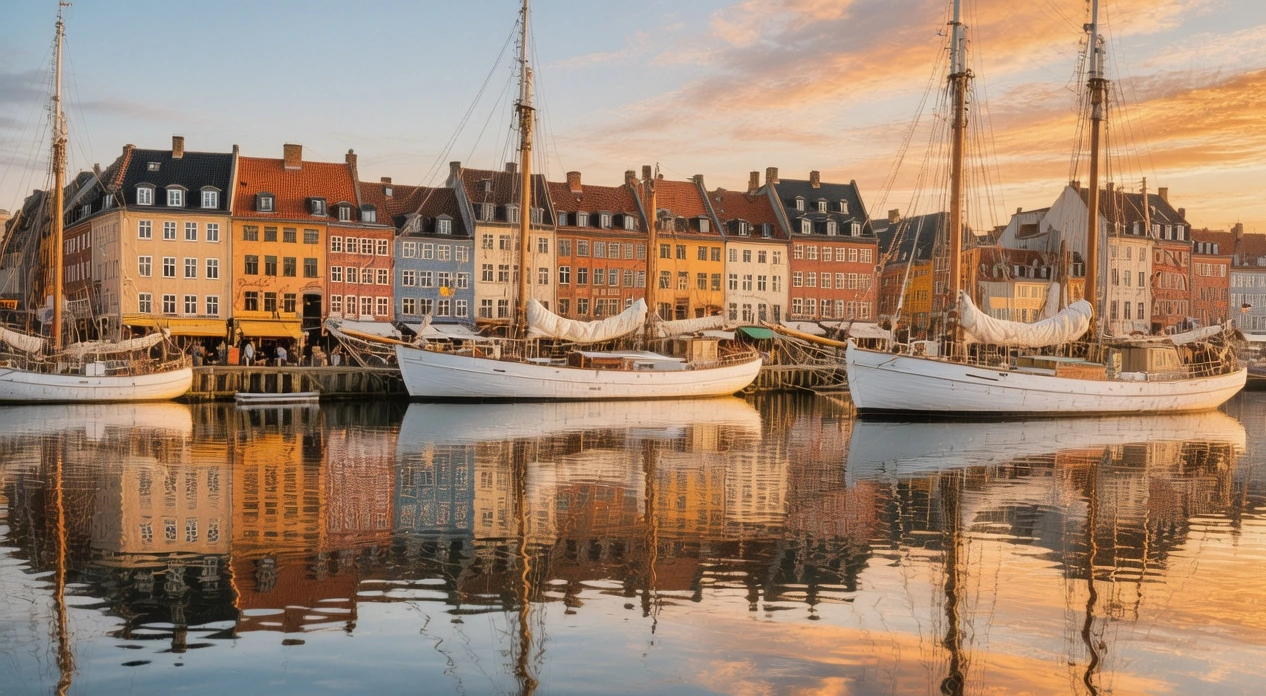
Faaborg Harbor: Where Wooden Decks Meet Ancient Streets
I stand on the quay at half past nine on a bright morning. Ropes creak against wooden masts. Gulls glide low over still water. I paid nothing to walk the harbor. A round-trip train ticket from Odense cost 128 DKK. The ride took forty minutes. I bought a warm pastry from the baker at the corner stall. It cost 22 DKK and was still steamy. Boats bob gently in rows. Some are bright modern leisure craft. Others are old wooden fishing vessels with names painted in faded gold. The air smells of salt, tar, and fresh bread. A few fishermen unload crates quietly. No one rushes. The town wakes slowly.
Why Faaborg Harbor Matters
Faaborg sits on Funen's south coast, facing the archipelago of small islands. The harbor has served ships and travelers since the 13th century. Trade and fishing built the town. Wealth from distant voyages paid for the merchant houses that still line the quay. The waterfront curves naturally, never straightened for modern convenience. Old warehouses stand converted into galleries and cafes, their timber beams still visible. Ferries leave here for islands where time moves slower. Faaborg Harbor remains the gateway to that quiet world. It connects the mainland to the small scattered communities that make up this part of Denmark.
It is not grand or polished. In summer, day-trippers fill the narrow streets and popular spots feel crowded. The harbor is small. It cannot accommodate large cruise ships. Some visitors find it disappointingly modest. Winter brings quiet but also closure — many waterfront businesses close from November through March. The harbor still works, but it feels empty.
The Best Time to Experience Faaborg Harbor
Late May through early September offers the mildest weather and fullest schedule. Daytime temperatures sit between 14°C and 21°C (57°F–70°F). Ferries run to all nearby islands. Outdoor cafes stay open late. Arrive before 10:00 AM to walk the quay without crowds. July and early August see the most visitors — book accommodation and restaurant tables ahead.
April, early May, and September balance pleasant weather and fewer people. Temperatures hover around 9°C–15°C (48°F–59°F). Spring brings blossom to the trees along the approach road. Autumn leaves turn the inland lanes gold. Ferry services run but less frequently. October through March brings shorter days and cooler weather — 2°C–7°C (36°F–45°F). Only essential ferries operate. Most waterfront restaurants close. The harbor itself stays accessible and quiet, ideal if you want to see it without other people.
Approximate Budget for a 7-Day Trip
- Accommodation: 3,150 DKK – 5,250 DKK. Guesthouse or B&B within walking distance sits lower. Waterfront room or historic merchant house runs 750–950 DKK per night. Staying in Odense and day-tripping adds travel cost but wider lodging options.
- Food & Drink: 1,610 DKK – 2,730 DKK. Lunch at a harbor café costs 95–165 DKK. Dinner at a local restaurant runs 175–285 DKK per person. Buying fresh bread, smoked fish, and cheese from the market stalls cuts food spending nearly in half.
- Transport: 770 DKK – 1,470 DKK. Train from Odense 128 DKK round trip. Local buses connect to nearby towns. Bicycle rental works well at 100–150 DKK per day. Car rental from Odense starts around 350 DKK daily plus fuel.
- Attractions & Entry: 350 DKK – 630 DKK. Harbor walks and waterfront views free. Faaborg Museum 110 DKK. Boat trips and island ferries carry separate fees.
- Miscellaneous: 420 DKK – 770 DKK. Covers coffee, snacks, small purchases, and ferry tickets.
Total estimated budget: 6,300 DKK – 10,850 DKK per person for 7 days.
One thing to watch: front-row restaurants directly on the quay charge premium rates. A meal can cost 60 DKK more than at places one street back. Buy lunch from a market stall, sit on the harbor wall, and watch boats come in. It costs less and feels more authentic.
Essential Faaborg Harbor Experiences
- Walk the full quay length. Start at the ferry terminal and follow the curve past warehouses and moored boats. Notice how building styles change from plain working structures to grander merchant homes. Go early to have it quiet. Skip midday in July — it fills completely.
- Take a short ferry trip. Boats leave for islands like Avernakø and Lyø year-round. The crossing takes twenty to thirty minutes. You see Faaborg's waterfront from the water. Return ferries run same-day. Check the schedule so you do not get stranded.
- Visit Faaborg Museum. Collections trace local history from medieval times to shipbuilding days. Art and artifacts come from families who lived here. The building itself was once a merchant house. It feels personal rather than institutional.
- Climb the tower of Faaborg Church. Steps lead to a narrow platform. The view covers harbor, town, and open sea. You see how the settlement grew along the shoreline. The climb is steep — skip if you have knee trouble.
- Eat at a waterfront café. Sit outside when weather allows. Watch fishermen unload catches and ferries arrive and depart. Order fresh fish when it appears on the menu. It usually came from the water that morning.
- Walk the old town lanes behind the harbor. Cobbled streets wind between half-timbered houses. Small courtyards hold workshops and galleries. You find quiet even when the quay feels busy. No map needed — just wander.
Hidden Gems Most Travelers Miss
- The old dry dock area east of the main harbor. It sits below street level, often overlooked. Wooden boats undergo restoration here. You can watch craftsmen at work. No admission charge.
- Overrated spot: the main souvenir shop at the quay entrance. Prices run high and stock feels generic. Walk two lanes inland — small independent shops sell better local work for less.
- The coastal path to the beach. Follow the shoreline south from the harbor. It runs past low cliffs and small coves. The sandy beach lies about two kilometers away. You see the harbor from new angles on the return walk.
- Grønnegade — one street back from the water. Old trees line the lane. Houses have painted doors and small gardens. It feels peaceful and unchanged. Most visitors never find it.
- The evening market on Fridays. In summer, stalls stay open late. Local growers sell fruit, honey, and flowers. It draws fewer tourists than daytime trading. The atmosphere feels relaxed and friendly.
Cultural & Practical Tips
- Check ferry schedules in advance. Services thin on Sundays and outside peak season. Last departure times can be early. Missing the last boat means staying overnight on the island — possible but unplanned.
- Do not climb on moored boats or jetties. Private vessels are private property. Some sections are marked off-limits for safety. Respect the signs.
- Parking near the harbor is limited and expensive. Fees are highest between 11:00 AM and 2:00 PM. Park farther out and walk ten minutes. It costs much less.
- Do not feed gulls. They become bold and aggressive. Food scraps also attract rats. Dispose of waste in designated bins only.
- Shops and some cafes close on Mondays outside summer. Many take their rest day then. Plan accordingly so you do not find locked doors.
- Pack a windproof jacket. The harbor sits exposed. Even calm days can turn breezy. The temperature feels cooler near the water than inland.
Essential Visitor Information
Location & Access: Faaborg Harbor lies on south Funen. Three ways to arrive: train from Odense (40 minutes); direct bus from major nearby towns; car via primary routes, parking available at perimeter lots. Main entry point is the quay near the ferry terminal.
Tickets & Booking: Harbor and waterfront access free. Faaborg Museum 110 DKK adult, under 18 free. Ferry fares vary by island — roughly 60–90 DKK round trip. Booking ahead not needed for museum but recommended for island trips in peak season.
Operating Hours: Public harbor areas open 24 hours daily year-round. Shops and cafes typically 10:00 AM–5:00 PM May–September; shorter hours or closed October–April. Ferries run reduced schedule off-season.
Visit Duration: Minimum 2–3 hours for the waterfront and museum. 4–5 hours lets you take a short ferry trip and walk the old town. A full day includes a nearby beach or village visit.
Family Suitability: Highly suitable. Flat, wide paths suit strollers and wheelchairs. Shallow water near the beach is safe for children. Restrooms and casual dining options close at hand.
Timing: Best season: late May or early September. Best time: before 10:00 AM or after 4:00 PM. Weekdays stay quieter than weekends.
Highlights: Curved waterfront quay, island ferry trips, Faaborg Museum, church tower view, Grønnegade lanes.
Nearby & Day Trip: Avernakø and Lyø islands by ferry. Egeskov Castle 20 km north. Odense one hour by train. South Funen coastal route by bike or car.
Conclusion: Travel with Depth, Not Just Sight
Faaborg Harbor does not shout for attention. It works quietly. It has welcomed ships for centuries and will continue long after you leave. Walk slowly. Notice the wood grain on old hulls. The way light reflects off still water. The sound of ropes in the wind. What quiet moment will you carry with you when you head back inland?
Post a Comment