Ærø Island Villages: Where Maritime Heritage Meets Danish Island Charm
Ærø Island Villages: Where Cobbled Streets Meet Island Tradition
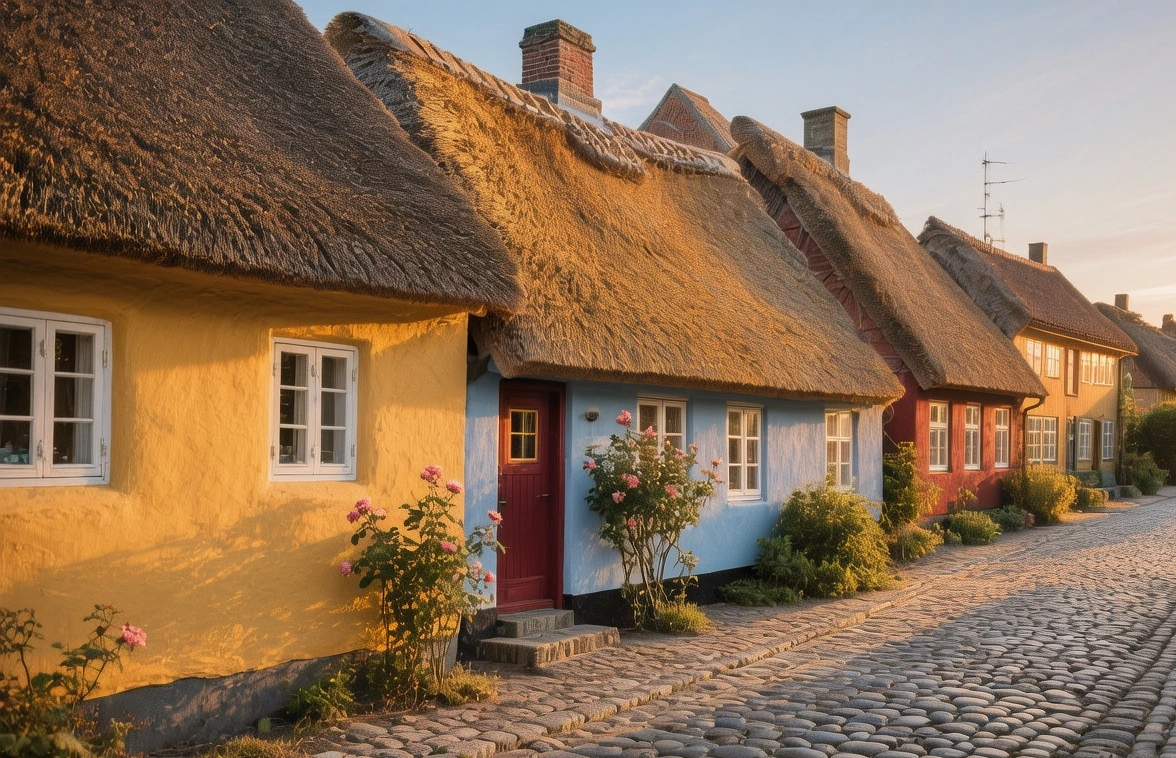
I step off the ferry at Ærøskøbing just past ten in the morning. Salt air drifts up from the harbor. Half-timbered houses line cobbled lanes, their doors painted deep red, blue, and yellow. I paid 110 DKK one way on the ferry from Svendborg. The crossing took one hour. I walked straight into the main square. A baker set out fresh loaves on a wooden table outside. No plastic wrap. No loud signs. Just bread and a handwritten price list. I rented a bicycle near the harbor. It cost 95 DKK for the day. That bike became my favorite way to move between villages. Roads run flat and quiet. The sea glints through gaps in the houses. Every turn reveals another cottage with a garden full of roses and herbs.
Why Ærø Island Villages Matters
Ærø sits in the South Funen Archipelago, between Funen and Langeland. People have lived here for thousands of years. The island grew wealthy from shipping and trade. Sailors built fine homes that still stand. Ærøskøbing preserves its medieval layout almost unchanged. No tall buildings block the sky. Two other villages — Marstal and Søby — show different sides of island life. Marstal grew around the merchant fleet. Søby rests at the island's northern tip with its shipyard and windmill. The island also produces its own electricity from wind and solar. Most energy here comes from local renewable sources. That commitment to self-reliance runs deep.
It is not a place for fast entertainment. Younger travelers used to city buzz may find it quiet. Shops close early and many stay shut on Mondays outside peak season. Public transport runs thin. If you miss a bus you wait a long time. Winter sees many guesthouses and restaurants close entirely. The island shrinks to its small permanent community then.
The Best Time to Experience Ærø Island Villages
Late May through early September offers the warmest days and longest evenings. Temperatures sit between 14°C and 21°C (57°F–70°F). Gardens bloom fully. Ferry connections run most often. July and early August draw the most visitors. Book accommodation two to three months ahead. Arrive before 10:00 AM to walk Ærøskøbing without crowds.
April, early May, and September suit slower travel. Temperatures hover around 9°C–15°C (48°F–59°F). Spring brings apple and cherry blossom. Autumn turns hedgerows red and gold. Fewer people visit. Prices drop slightly. October through March sees shorter days and cooler weather — 2°C–7°C (36°F–45°F). Many places close. Ferries run less often. Winter works if you want quiet and do not mind limited dining options.
Approximate Budget for a 7-Day Trip
- Accommodation: 3,150 DKK – 5,250 DKK. Simple guesthouse or B&B sits lower. Traditional sea captain's house or waterfront apartment runs 700–900 DKK per night. Camping near the coast cuts costs to roughly 150 DKK per person nightly.
- Food & Drink: 1,540 DKK – 2,660 DKK. Lunch at a village café costs 90–155 DKK. Dinner at a local restaurant runs 170–260 DKK per person. Buying fresh bread, cheese, and smoked fish from village shops saves nearly half.
- Transport: 700 DKK – 1,400 DKK. Ferry round trip from Funen 220 DKK per person. Bicycle rental 95–130 DKK daily. Car rental from nearby towns starts around 350 DKK per day plus fuel. Local buses cover basics but run infrequently.
- Attractions & Entry: 280 DKK – 560 DKK. Marstal Maritime Museum 110 DKK. Oldest house museum in Ærøskøbing 60 DKK. Most streets, harbor areas, and churches cost nothing to enter.
- Miscellaneous: 420 DKK – 770 DKK. Covers coffee, snacks, small souvenirs, and ferry upgrades.
Total estimated budget: 6,090 DKK – 10,640 DKK per person for 7 days.
One thing to watch: waterfront restaurants in central Ærøskøbing charge premium rates. A meal can cost 60 DKK more than at places just a few lanes back. Buy bread and cheese, sit on the harbor wall, and watch boats come in. It tastes better and costs far less.
Essential Ærø Island Villages Experiences
- Walk Ærøskøbing's lanes. Follow cobbled streets away from the main square. Pause to look at painted doors and window boxes. Notice how houses lean slightly, settled into the ground over centuries. Skip midday in July — the narrow lanes fill fast.
- Visit Marstal Maritime Museum. The collection spans five hundred years of sailing. Models, instruments, and stories of island sailors who sailed every ocean. Exhibits feel personal and carefully arranged.
- Ride between villages by bike. Flat roads run through farmland and past small woods. You pass thatched cottages and old stone walls. Stop wherever the view pulls you. The 20-kilometer route from Ærøskøbing to Marstal suits most riders.
- Climb Søby Windmill. The tall wooden tower stands at the island's northern edge. Steps lead to a platform with wide views over sea and fields. The mill still works on windy days. Check opening times — it closes without warning in bad weather.
- Wander the harbor at sunset. Boats bob gently. Light turns walls warm gold. Fishermen unload crates quietly. This is when the island feels most itself. Stay until the last ferry leaves; the village grows quiet and calm.
- Explore the old church in Ærøskøbing. Built from local stone, it sits on a slight rise. Inside light falls softly through plain glass. The altar piece dates to the 17th century. It feels plain and peaceful compared to grander churches.
Hidden Gems Most Travelers Miss
- The small church in Bregninge. It sits on a hill with no large sign. Simple whitewashed walls and fields all around. Few visitors make the short walk up. The view from the churchyard stretches across water to other islands.
- Overrated spot: the main souvenir lane off Ærøskøbing square. It feels crowded and prices run high. Walk two minutes farther to the harbor front — small workshops sell finer work for less.
- Søby Brændgård — the old distillery. Restored and small-scale. They make aquavit using local herbs. You can taste and buy directly. The courtyard feels like a secret garden.
- Coastal path from Marstal eastward. It runs along dunes and shoreline. No road follows it. You walk past old sea marks and small coves. The route stretches about five kilometers each way.
- The old schoolhouse museum near Rise. A short bus or bike ride from Ærøskøbing. It shows village life as it was a century ago. Furnished simply, it feels lived-in rather than staged.
Cultural & Practical Tips
- Book ferry tickets early for July and August. Prices rise and spots sell out. Last-minute bookings can cost double. Return fares are often cheaper than two singles.
- Do not rely on buses outside main routes. Schedules thin to nearly nothing on Sundays and off-season. Rent a bike to move freely and see more.
- Respect quiet and privacy. Many houses have windows facing the street. People live here. Do not peer through windows or linger in doorways.
- Do not block doorways or narrow lanes with bicycles. Park in designated areas only. Fire trucks and delivery vehicles need room to pass.
- Many places close Monday. Some cafes, museums, and workshops take their rest day then. Plan accordingly so you do not find locked doors.
- Pack layers. Coastal wind feels colder than the thermometer shows. Even sunny days turn cool by evening. Bring a waterproof jacket — rain arrives fast and often.
Essential Visitor Information
Location & Access: Ærø lies in the South Funen Archipelago. Main arrival harbor: Ærøskøbing. Three ways to arrive: ferry from Svendborg (60–75 minutes); ferry from Marstal to Langeland; seasonal ferry from Funen. Car and bicycle space available on all ferries.
Tickets & Booking: Village streets and harbor areas free. Marstal Maritime Museum 110 DKK adults. Ærøskøbing oldest house 60 DKK. Søby Windmill 50 DKK. Booking ahead not needed for museums. Ferry reservations essential in peak season.
Operating Hours: Outdoor areas open year-round. Shops and museums typically 10:00 AM–4:00 PM May–September; shorter hours or closed October–April. Many close Monday.
Visit Duration: Minimum 2 days to see Ærøskøbing and Marstal. 4–5 days lets you cycle the full island and visit Søby without rushing.
Family Suitability: Highly suitable. Flat terrain suits strollers and young riders. Beaches shallow and calm. Limited playgrounds; most entertainment comes from walking and exploring.
Timing: Best season: late May or early September. Best time: before 10:00 AM or after 4:00 PM. Weekdays stay quieter than weekends.
Highlights: Ærøskøbing lanes and harbor, Marstal Maritime Museum, Søby Windmill, Bregninge church view, coastal paths.
Nearby & Day Trip: Svendborg on Funen by ferry. Langeland island via Marstal ferry. Smaller uninhabited islets for boat trips. Full loop around Ærø by bike takes one full day.
Conclusion: Travel with Depth, Not Just Sight
Ærø does not dazzle you. It grows on you slowly. In the color of a door. The smell of fresh bread. The way people nod as they pass. You will not find loud attractions or grand spectacles here. What you find is stillness. Walk slowly. Stop often. Let the island set your pace. What small detail will you notice first when you turn down the first cobbled lane?
Post a Comment