
Frederiksberg Gardens: Where Romantic Landscapes Meet Copenhagen Serenity
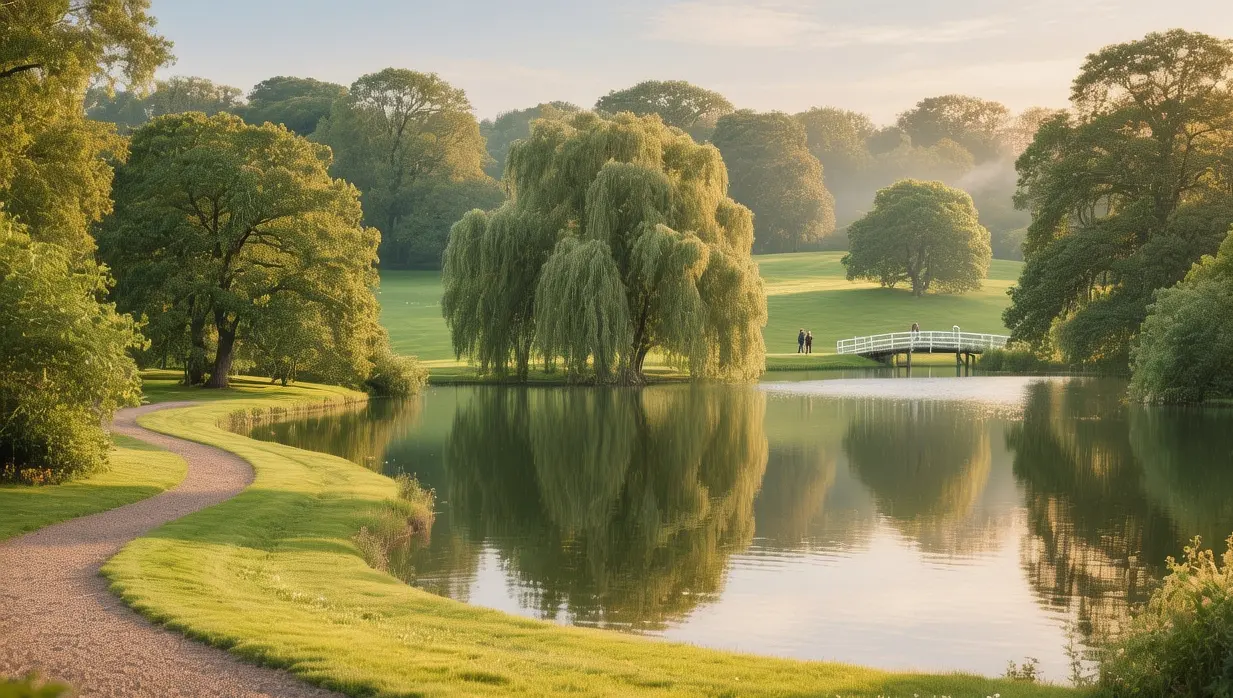
Golden hour spills across the undulating lawns of Frederiksberg Gardens, casting long shadows from ancient beech trees whose branches arch like cathedral vaults over winding gravel paths. You approach along a route lined with rhododendrons in spring bloom, the air carrying the gentle rustle of leaves, the distant laughter of families picnicking on sun-dappled slopes, and the soft quack of mallards gliding across the garden's central lake. This is a sixty-four-hectare masterpiece of romantic landscape design, created in the early 18th century under King Frederick IV and transformed into its current English-style form in the 1790s—a deliberate departure from formal French geometry to embrace nature's irregular beauty. The copper-domed Chinese Pavilion perches on a small island, its reflection shimmering in still water, while herons stand sentinel along the reedy shores and cormorants dry their wings on weathered branches. In a city where urban life moves at bicycle speed, Frederiksberg Gardens matters because it invites you to slow down, to wander without destination, and to rediscover the simple joy of being present in a landscape crafted to heal the soul.
Why Frederiksberg Gardens Embodies Danish Landscape Philosophy
Frederiksberg Gardens represents far more than a public park—it is a living manifesto of Danish landscape philosophy, where artifice and nature intertwine to create spaces that nurture both body and spirit. Originally established in 1705 as a formal Baroque garden for Frederick IV's summer palace, the landscape was transformed between 1795 and 1804 by garden architect Peter Petersen into a romantic English-style park spanning precisely 64 hectares (158 acres), with winding paths totaling over 8 kilometers, three interconnected lakes covering 4.2 hectares, and more than 2,500 mature trees including specimen oaks, beeches, and lindens planted over two centuries ago.
The garden solves a profound urban need: it provides Copenhageners with accessible wilderness within the city limits, a place where the stresses of modern life dissolve amid carefully curated natural beauty. Unlike rigidly formal gardens that demand admiration from a distance, Frederiksberg invites participation—its gentle slopes encourage picnics, its hidden groves offer solitude, its open meadows welcome spontaneous play. Technically, the landscape demonstrates remarkable horticultural engineering: the lakes are fed by natural springs and managed through a subtle system of weirs and channels that maintain water levels without visible infrastructure; the path network uses permeable gravel that drains efficiently while preserving the garden's rustic aesthetic; and the tree collection is maintained through a rotational pruning schedule that ensures both health and visual harmony across generations.
Since opening to the public in 1865, Frederiksberg Gardens has welcomed millions of visitors, making it not merely a recreational space but a cultural institution that embodies Denmark's belief in friluftsliv—the philosophy of open-air life. The garden's design intentionally balances accessibility with preservation: climate-sensitive plantings are protected through strategic placement, while wildlife corridors allow herons, kingfishers, and native flora to thrive alongside human activity. This commitment to ecological harmony—paired with the garden's role as a democratic space where royalty and residents share the same paths—makes Frederiksberg a bridge between Denmark's aristocratic past and its egalitarian present, where beauty belongs to everyone.
The Best Time to Experience Frederiksberg Gardens
Timing transforms a visit to Frederiksberg Gardens from pleasant to transcendent. The optimal window arrives May 20 through June 12, when daylight extends until 10:00 PM, temperatures range between 14–20°C (57–68°F), and the garden bursts with spring blooms—rhododendrons, azaleas, and cherry blossoms—while summer crowds remain manageable. During this period, the lakes reflect clear blue skies, and the gentle warmth encourages leisurely strolls without the humidity that can accompany midsummer.
For atmospheric photography, September 18 through October 10 offers golden autumn light that bathes the ancient beeches in warm tones from 4:00–5:30 PM, while temperatures of 9–15°C (48–59°F) keep outdoor exploration comfortable. Arrive at 7:00–8:30 AM to witness the garden at its most tranquil: mist rising from the lakes, herons hunting in the shallows, and joggers sharing paths with early-rising locals walking their dogs.
Avoid July 15–August 20 when peak tourist season brings larger crowds to nearby attractions, creating busier pathways and limited quiet spots for contemplation. Similarly, November 25 through February 10 sees reduced daylight (sunset around 3:30 PM in December) and occasional path closures due to frost or snow, though the garden's winter silhouette—bare branches against gray skies—offers dramatic photography opportunities for prepared visitors.
For current event schedules, garden maintenance updates, and accessibility information, consult the authoritative source: www.visitcopenhagen.com. The official Copenhagen tourism website provides real-time information about special exhibitions in the adjacent Frederiksberg Palace, seasonal programming, and public transportation changes that might affect your visit. Copenhagen's maritime climate means weather can shift rapidly—always check the forecast before visiting, and remember that the garden's tree canopy provides natural shelter during light rain, making it a resilient destination year-round.
Approximate Budget for a 7-Day Trip
Copenhagen ranks among Europe's more expensive capitals, but strategic planning enables comfortable exploration. This breakdown reflects mid-range travel with quality accommodations, authentic dining, and comprehensive sightseeing, based on current pricing in Danish Kroner (DKK) with Euro conversions (1 EUR ≈ 7.45 DKK).
Accommodation:
• Budget hostel (shared room, Frederiksberg/Vesterbro): 300–450 DKK (€40–60) per night
• Mid-range hotel (3-star, city center near gardens): 1,000–1,500 DKK (€134–201) per night
• Boutique hotel (4-star, Frederiksberg vicinity): 1,700–2,400 DKK (€228–322) per night
Food:
• Breakfast: 80–120 DKK (€11–16) — Danish pastry and coffee at local bakery
• Lunch: 140–200 DKK (€19–27) — smørrebrød or picnic supplies from Torvehallerne market
• Dinner: 250–350 DKK (€34–47) — traditional Danish meal at mid-range restaurant
• Daily food total: 470–670 DKK (€63–90)
Transportation:
• Copenhagen Card (72-hour unlimited transport + attractions): 1,099 DKK (€148)
• Single metro/bus ticket: 24 DKK (€3.20)
• Airport to city center (metro line M2): 36 DKK (€4.80)
• Bicycle rental (daily): 100–150 DKK (€13–20)
• Walking to Frederiksberg Gardens from city center: Free (2.1 km from Central Station)
Attractions:
• Frederiksberg Gardens: Free admission
• Frederiksberg Palace exterior viewing: Free
• Copenhagen Zoo (adjacent to gardens): 245 DKK (€33) adult
• National Museum of Denmark: Free
• Nyhavn canal tour: 129 DKK (€17)
Miscellaneous:
• Souvenir postcards: 15–25 DKK (€2–3) each
• Danish design items: 300–800 DKK (€40–107)
• Coffee to go: 35–45 DKK (€5–6)
• Picnic supplies from local market: 100–150 DKK (€13–20)
Total 7-Day Budget (Mid-Range): 7,900–10,600 DKK (€1,060–1,423)
7 Essential Frederiksberg Gardens Experiences
- Sunrise Lake Walk: Begin your visit at the garden's main entrance on Frederiksberg Runddel between 6:30–8:00 AM during summer months to witness the lakes at their most tranquil. The morning light creates mirror-like reflections of the Chinese Pavilion and surrounding trees, while herons hunt in the shallows and mallards glide silently across the water. Follow the gravel path that circles the largest lake (approximately 1.2 kilometers), pausing at the wooden bridge to observe kingfishers darting between reeds. Bring binoculars for birdwatching; the garden hosts over 40 resident and migratory species. This early-hour experience offers solitude rarely found in urban parks and sets a contemplative tone for your day.
- Chinese Pavilion Photography: Position yourself on the small island accessible via the stone bridge to capture the garden's iconic copper-domed pavilion from multiple angles. Built in the 18th century as a garden folly, the structure's green patina contrasts beautifully with the blue sky and green foliage. Visit during late afternoon (4:00–5:30 PM) when angled sunlight illuminates the pavilion's ornate details while casting long shadows across the lawn. Use a polarizing filter to reduce glare on the lake's surface and enhance the copper's warm tones. Respect other visitors by keeping your shoot brief in popular photo locations, and avoid using tripods during peak hours to maintain pathway accessibility.
- Picnic on the Great Lawn: Purchase supplies from the nearby Torvehallerne market—artisanal cheeses, fresh rye bread, and seasonal fruit—and spread a blanket on the garden's expansive central meadow. This 3-hectare open space, sloping gently toward the lakes, is designed for leisure and social gathering. Arrive between 12:00–2:00 PM on sunny days to join locals enjoying the Danish tradition of hygge outdoors. The lawn's elevation provides panoramic views of the garden's varied landscapes while remaining close to restroom facilities and drinking fountains. Remember to pack out all waste; the garden's ecological balance depends on visitor stewardship.
- Tree Collection Exploration: Dedicate time to appreciating the garden's remarkable arboretum, featuring over 2,500 mature trees including specimen English oaks planted in the 1790s, European beeches with cathedral-like canopies, and rare conifers imported during the romantic landscape movement. Follow the self-guided tree trail marked by small brass plaques identifying species and planting dates. Visit during weekday mornings (9:00–11:00 AM) when natural light filters through the canopy, creating dappled patterns on the forest floor. Bring a field guide or use a plant identification app to deepen your understanding of Danish horticultural heritage. This quiet pursuit reveals the garden's botanical richness beyond its scenic beauty.
- Wildlife Observation at Dawn: Return to the garden's eastern lakeside at sunrise to witness the daily rhythm of resident wildlife. Herons stand motionless in the shallows before striking with lightning speed; cormorants dry their wings on low branches; moorhens glide through reed beds with barely a ripple. Bring a telephoto lens (70–200mm) for ethical wildlife photography that maintains respectful distance. The garden's management intentionally preserves reed beds and deadwood habitats to support biodiversity—a conservation approach worth observing and supporting. Allow 45–60 minutes for patient observation; the reward is intimate connection with nature in the heart of a capital city.
- Palace Vista Contemplation: Walk to the garden's western edge where the landscape opens to reveal Frederiksberg Palace, the baroque summer residence that anchors the garden's design. The palace's yellow façade and green copper roof create a striking focal point against the sky, while the garden's rolling terrain frames the view like a living painting. Visit during golden hour (7:30–8:30 PM summer) when warm light bathes both palace and landscape in harmonious tones. This vantage point reveals the intentional relationship between architecture and nature that defines Danish landscape philosophy. Sit on one of the strategically placed benches and reflect on how human creativity can enhance rather than dominate the natural world.
- Evening Stroll Under Lantern Light: Return to the garden after sunset during summer months when subtle pathway lighting creates a magical atmosphere without disrupting wildlife. The soft illumination highlights the texture of ancient bark, the curve of winding paths, and the gentle movement of water. Walk the northern loop (approximately 1.5 kilometers) to experience the garden's transformation from daytime recreation space to nocturnal sanctuary. Bring a light jacket; temperatures drop 3–5°C after sunset even in summer. This experience reveals a different dimension of the garden's character—quiet, introspective, and deeply restorative.
3 Hidden Gems Most Travelers Miss
- The Secret Garden Behind the Palace: Accessible via a discreet gate on the palace's northern side (open to the public during daylight hours, no admission fee), this walled garden features heritage roses, espaliered fruit trees, and a small herb parterre maintained in 18th-century style. The space remains overlooked because signage is minimal and the entrance appears private, yet it offers an intimate counterpoint to the garden's expansive landscapes. Visit between 10:00 AM–12:00 PM when morning light illuminates the intricate planting patterns and the fragrance of roses is most intense. Allow 20–30 minutes to appreciate this tranquil oasis; benches positioned beneath arched trellises invite quiet reflection.
- The Waterfall Grotto: Tucked into the garden's southeastern corner, a small artificial waterfall cascades over carefully arranged stones into a secluded pool surrounded by ferns and moisture-loving plants. Created during the romantic landscape transformation of the 1790s, this feature exemplifies the era's fascination with picturesque wilderness. Access via the path near the garden's eastern entrance; the grotto remains overlooked because it lacks prominent signage and requires a short detour from main routes. Visit after rainfall when the waterfall flows most vigorously, or during dry periods to appreciate the sculptural quality of the stonework. The sound of falling water creates a natural white noise that enhances meditation or journaling.
- The Birdwatcher's Blind: Near the garden's northern lake, a camouflaged observation shelter allows discreet wildlife viewing without disturbing nesting birds. Built in 2018 through a partnership between Copenhagen Municipality and the Danish Ornithological Society, the blind features viewing slits positioned at optimal heights for photographing waterfowl and songbirds. Access is free and open during daylight hours; the structure remains overlooked because it blends intentionally with the landscape and lacks promotional visibility. Visit during migration seasons (April–May and August–September) for greatest diversity. Bring a field guide and binoculars; staff from the ornithological society occasionally host informal talks on weekends at 11:00 AM.
Cultural & Practical Tips
- Park Etiquette: Danes value quiet enjoyment of public green spaces. Speak softly in garden areas, keep music on headphones, and respect wildlife by maintaining distance from nesting birds. When picnicking, use designated areas and pack out all waste. A simple "Undskyld" (OON-skyld, "Excuse me") suffices when navigating shared pathways.
- Photography Guidelines: Photography for personal use is permitted throughout the gardens. Tripods are allowed but should not block pathways during busy periods. Avoid photographing individuals without permission; Danish culture values privatliv (pree-VAHT-lee-oo, privacy). The best lighting for landscape photography occurs during golden hour (7:30–8:30 PM summer; 3:30–4:30 PM winter).
- Weather Preparedness: Copenhagen's maritime climate means conditions change rapidly. Even in summer, temperatures can drop 5°C (9°F) after sunset. Always carry a windproof layer. The garden's tree canopy provides natural shelter during light rain, but sudden downpours can make gravel paths slippery—wear sturdy footwear.
- Transportation Access: Frederiksberg Gardens sits at Frederiksberg Runddel, accessible by metro to Frederiksberg Station (3-minute walk) or buses 1A, 2A, and 9A. From Copenhagen Airport, take the metro to Frederiksberg (22 minutes, 36 DKK). If cycling, use the dedicated bike lanes on Frederiksberg Allé; bike parking is available near main entrances (free with helmet lock).
- Accessibility Information: The garden's main pathways are paved or compacted gravel suitable for wheelchairs and strollers, though some secondary trails feature natural surfaces. Accessible restrooms are available near the main entrance and the café. The Chinese Pavilion island is accessible via a gently sloping bridge. For detailed accessibility maps, contact the garden office at +45 38 21 60 00.
- Seasonal Considerations: Frederiksberg Gardens transforms dramatically across seasons: spring brings rhododendron blooms and nesting birds; summer offers lush greenery and outdoor concerts; autumn features spectacular foliage and migratory wildlife; winter provides stark beauty and opportunities for frost photography. Check the Copenhagen tourism website for special events like outdoor theater performances or guided nature walks that enhance the garden experience.
- Connecting to Adjacent Attractions: Frederiksberg Gardens connects seamlessly to the Copenhagen Zoo (western entrance) and Søndermarken park (northern boundary), creating a continuous green corridor of over 100 hectares. Plan a full-day nature itinerary by combining garden exploration with zoo visits or walks to the nearby Frederiksberg Palace exterior. This integrated approach reveals how Copenhagen prioritizes accessible green space within urban planning.
Conclusion: Travel with Presence, Not Just Checklists
Frederiksberg Gardens endures not because it offers dramatic vistas—though it does—but because it invites us to rediscover the art of wandering without purpose, of noticing how light filters through ancient leaves, of feeling the soft give of gravel beneath our feet, of listening to water ripple against reeds. In an age of optimized itineraries and digital documentation, this romantic landscape asks us to slow down, to let the garden reveal itself gradually, to understand that true enrichment comes not from collecting experiences but from inhabiting moments fully.
Responsible travel here means more than staying on marked paths—it means engaging with Frederiksberg as a living ecosystem worthy of care. Support the garden's ecological balance by respecting wildlife habitats, disposing of waste properly, and choosing quiet contemplation over disruptive behavior. When you picnic on the great lawn, remember you share this space with herons hunting in the shallows, with families celebrating milestones, with elders finding solace in familiar trees. These connections—human and natural—are what make public gardens vital to urban life.
Most importantly, allow yourself to feel wonder without rushing to capture it. Let the garden's atmosphere settle over you. Notice how morning mist transforms the lakes. Watch how locals greet each other along the paths. Frederiksberg was created to nurture the soul—and soul-nurturing requires time, attention, and openness. As you exit through the garden gates, carry forward not just photographs but the quiet certainty that beauty, carefully preserved and generously shared, remains one of humanity's most profound gifts. Return to the world a little more attentive, a little more patient, a little more willing to seek depth over speed in all your travels.