Moesgaard Museum: Where Ancient Archaeology Meets Nordic Landscape Design
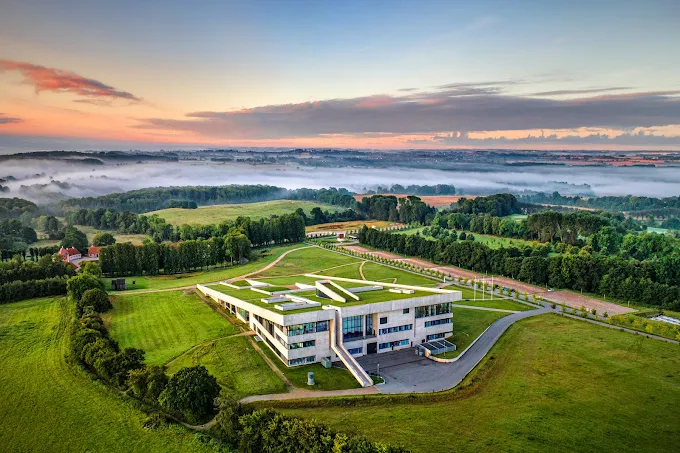
Moesgaard Museum: Where Ancient History Meets Sloping Landscape
I walk toward the entrance just past ten in the morning. Grass covers the roof, blending the building into the hillside. I paid 145 DKK for admission. The bus ride from central Aarhus took twenty minutes. It cost 36 DKK one way. I stepped inside and the air grew cool and quiet. Large windows frame the forest and sea beyond. Exhibits unfold around me — Iron Age longhouse, reconstructed grave, bog body displays. The architecture itself feels like part of the history it holds. No bright lights or loud screens dominate. You move through the space slowly, as if walking through time itself.
Why Moesgaard Museum Matters
Moesgaard Museum sits south of Aarhus, on land where people have lived since the Stone Age. The museum focuses on the prehistory of Denmark — Stone Age, Bronze Age, Iron Age, and Viking Age. Most famously, it houses the Grauballe Man — a remarkably preserved Iron Age bog body discovered in 1952. The building opened in 2014, designed to merge with the landscape. Turf roofs and sloped walls mean it appears to rise from the earth itself. Outside, reconstructed houses, burial mounds, and ancient paths spread across the estate. The museum does not just show history — it stands within it. The connection between people and place feels tangible everywhere you look.
It is not a fast-paced attraction. Some visitors find the layout disorienting. Floors curve and levels shift; you can lose your sense of direction easily. The outdoor area spreads wide and uphill. It suits able walkers best. In winter, the site closes early and parts of the outdoor trail become slippery or inaccessible. Photography is restricted in some galleries — a rule that surprises many people.
The Best Time to Experience Moesgaard Museum
Late May through early September offers the fullest experience. Daytime temperatures sit between 14°C and 21°C (57°F–70°F). The outdoor settlement and woodland paths stay open and pleasant. Evening opening on selected weekdays lets you see the building lit from within — striking and uncrowded. Arrive before 11:00 AM to have the galleries quiet.
April, early May, and September balance mild weather and fewer visitors. Temperatures hover around 9°C–15°C (48°F–59°F). Spring brings fresh green leaves to the forest. Autumn turns the hillside gold and amber. October through April brings shorter days and cooler conditions — 2°C–7°C (36°F–45°F). The museum closes at 4:00 PM then. Some outdoor paths may be icy or muddy. Weekdays stay quiet year-round; weekends fill with local families.
Approximate Budget for a 7-Day Trip
- Accommodation: 3,850 DKK – 6,300 DKK. Guesthouse or B&B in Aarhus sits lower. Hotel near the museum or coast runs 800–1,050 DKK per night. Staying centrally gives best transport links.
- Food & Drink: 1,750 DKK – 2,940 DKK. Lunch at the museum café costs 110–185 DKK. Dinner in Aarhus runs 180–295 DKK per person. Packing a picnic for the outdoor area saves nearly half.
- Transport: 770 DKK – 1,400 DKK. Local bus from Aarhus 36 DKK one way. Car rental starts around 350 DKK daily plus fuel. Bicycle rental works well — dedicated paths lead directly to the entrance in about thirty minutes.
- Attractions & Entry: 435 DKK – 580 DKK. Museum ticket 145 DKK adult. Children under 18 enter free. Special exhibits may carry extra fees.
- Miscellaneous: 525 DKK – 875 DKK. Covers coffee, snacks, souvenirs, and bus fares.
Total estimated budget: 7,330 DKK – 11,845 DKK per person for 7 days.
One thing to watch: the museum café charges premium rates. A full meal here costs 75 DKK more than at places just a short bus ride away. Bring food, sit on the grassy roof or woodland benches, and enjoy the view. It costs nothing and feels entirely fitting.
Essential Moesgaard Museum Experiences
- See the Grauballe Man. The bog body rests in dim, respectful light. Preserved peat shows skin, hair, and even fingernails. He died over two thousand years ago. The display explains simply and sensitively. Go early — it draws crowds by midday.
- Walk the sloped roof. Grass-covered slopes offer wide views over forest, sea, and Aarhus. The building curves beneath your feet. It feels like walking a hill, not a structure. Stay within marked paths — the surface slopes steeply.
- Explore the Stone Age and Iron Age galleries. Reconstructed dwellings, tools, and burial goods span thousands of years. Exhibits connect people to the land — what they ate, how they lived, where they were laid to rest. Read slowly; the stories matter more than rushing.
- Visit the outdoor settlement. Reconstructed longhouses, fences, and enclosures sit in the woods above the museum. They stand where similar structures once did. Walk among them and imagine the noise, warmth, and daily life. Skip if you have limited mobility — paths climb steadily.
- Climb the burial mound. A short walk uphill leads to a reconstructed mound. The view opens across treetops to the sea. It feels quiet and removed. This is what people chose as their resting place for millennia.
- Walk the coastal path afterward. A trail leads from the museum down to the shore. It runs through woodland and dunes. The museum roof disappears behind you; the past fades into the present. It makes a gentle, thoughtful end to the visit.
Hidden Gems Most Travelers Miss
- The quiet upper gallery overlooking the main hall. Few visitors stop here. It offers a different perspective on the building design and light. Sit and watch how sunlight moves across the stone floor.
- Overrated spot: the main entrance viewpoint. Everyone stops here. Walk fifty yards along the roof ridge. The same view opens without people in the frame.
- The woodland loop behind the settlement. Most people turn back after the longhouse. The path continues through older trees. No signs clutter the way. It feels wilder and more ancient.
- The evening light on the turf roof. On selected days the museum stays open until 8:00 PM. Low sun turns the grass gold. The building blends into the landscape completely. Most people leave long before then.
- The small exhibition on local archaeology near the exit. It shows finds discovered right where you stand. Simple, unassuming, and deeply connected to the ground beneath your feet.
Cultural & Practical Tips
- Respect photography restrictions. Flash and tripods are banned in most galleries. Some areas forbid photography entirely. Signs are clear — please honor them. It protects sensitive exhibits and keeps the atmosphere calm for everyone.
- Wear sturdy shoes. The outdoor area covers uneven ground, grass, and gravel. Paths slope upward. Smooth-soled shoes slip easily. In winter or damp weather, waterproof boots stay useful year-round.
- Do not rush. Many people plan one hour and leave feeling they missed the point. Three hours minimum lets you see the galleries and walk the roof. Four to five hours includes the outdoor settlement and mound.
- Check opening times carefully. The museum closes on Mondays year-round. It also closes early on public holidays. Arrive before 2:00 PM to see everything comfortably.
- Stay on marked paths on the roof. The slopes look gentle but steepen fast. Several sections remain off-limits for safety. The building design is beautiful but unforgiving.
- Bring water and snacks. The café lines grow long at midday. You can eat outdoors in designated areas. Having your own means you pause when and where you want.
Essential Visitor Information
Location & Access: Moesgård Allé 15, 8270 Højbjerg, Aarhus. Three ways to arrive: bus 18 or 18 from Aarhus Central Station (20 minutes); bicycle via dedicated coastal paths (30 minutes); car via Øster Allé — free parking available on-site.
Tickets & Booking: Adult 145 DKK. Children and young people under 18 free. Seniors and students 120 DKK. Booking ahead not required. Buy tickets at entrance or online.
Operating Hours: Tuesday–Sunday 10:00 AM–4:00 PM. Extended to 8:00 PM on selected weekdays June–August. Always closed Monday. Outdoor areas close 30 minutes after museum.
Visit Duration: Minimum 2–3 hours for museum and roof. 4–5 hours includes outdoor settlement and mound. Half a day if combining with coastal walk.
Family Suitability: Excellent. Interactive displays suit children. Outdoor spaces offer room to run. Stroller access good indoors; outdoor paths may be challenging. Restrooms and baby-care available.
Timing: Best season: May or September. Best time: before 11:00 AM or late afternoon on extended evenings. Weekdays stay noticeably quieter than weekends.
Highlights: Grauballe Man, turf roof and architecture, Iron Age settlement, burial mound, coastal woodland path.
Nearby & Day Trip: Aarhus city center 15 minutes by bus. Den Gamle By open-air museum. Djurs Sommerland 45 minutes by car. Mols Bjerge National Park 30 minutes east.
Conclusion: Travel with Depth, Not Just Sight
Moesgaard Museum does not stand apart from the world it describes. It belongs to this land — built into the slope, covered in grass, looking out over the same waters people have watched for thousands of years. Walk slowly. Look closely at the faces and objects left behind. Stand still on the roof and imagine the generations who stood here before you. What will you carry with you when you leave this ancient ground?
Post a Comment