Nyhavn: Where Rainbow Facades Meet Maritime Heritage
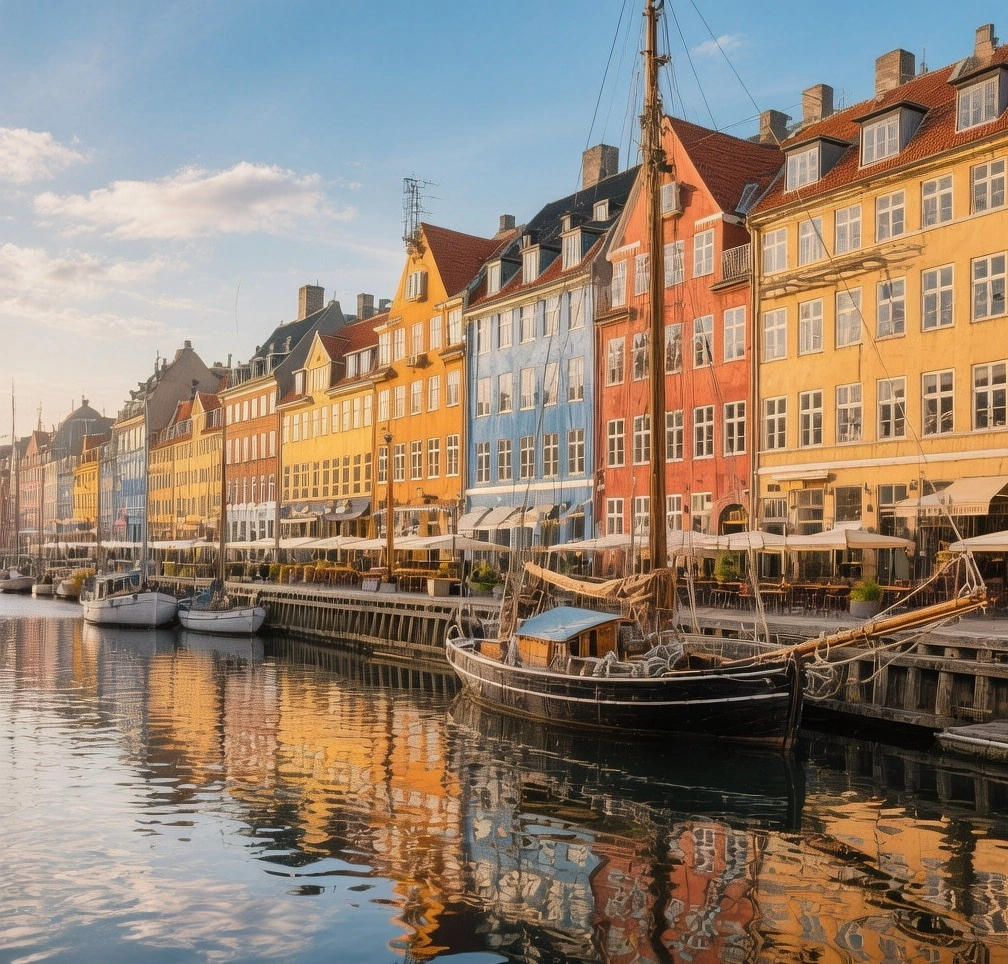
Nyhavn Copenhagen colorful 17th-century townhouses reflecting in canal waters at golden hour with historic sailing ships moored along the harbor

Nyhavn: Where Rainbow Facades Meet Maritime Heritage

The morning sun spills across the canal like liquid gold, illuminating a row of townhouses painted in hues that defy restraint—saffron yellow, coral pink, powder blue, and emerald green standing shoulder to shoulder like a chorus line from a storybook. The air carries the gentle lapping of water against weathered wooden hulls, the murmur of conversation from waterside cafés, and the distant chime of bicycle bells—Copenhagen's soundtrack. This is Nyhavn, a 450-meter stretch of waterfront that has pulsed with life for over three centuries since Swedish prisoners of war first dug this canal under King Christian V's orders. The historic sailing ships bob lazily in waters just three meters deep, their masts creating a forest against the sky, while the facades behind them whisper tales of sailors, merchants, and the fairytale writer who once called this place home. In an age where authenticity often feels elusive, Nyhavn remains stubbornly, beautifully real—a living postcard that refuses to become a caricature of itself.

Why Nyhavn Embodies Copenhagen's Timeless Soul

Built between 1670 and 1673, Nyhavn emerged from a strategic vision to connect the sea directly to Kongens Nytorv, Copenhagen's grand square, creating a commercial artery that would transform the city's relationship with maritime trade [[29]]. The canal's dimensions—450 meters in length, 25 meters wide, and 3 meters deep—were carefully calculated to accommodate the merchant vessels of the era while maintaining intimate proximity to the bustling city [[40]]. What began as a functional harbor for cargo ships and naval vessels evolved into something far more poetic: a microcosm of Copenhagen itself, where necessity gave birth to beauty.

The colorful facades that now define Nyhavn's character weren't merely aesthetic choices—they served practical purposes. Each building's distinct color helped illiterate sailors identify their lodgings and taverns in an era before street numbering systems. The townhouses, constructed primarily of brick and timber in the 17th and early 18th centuries, created a continuous wall of architecture that protected the canal from wind while maximizing waterfront access [[41]]. These structures solved a fundamental urban challenge: how to house a growing population of merchants, ship captains, and laborers while maintaining efficient port operations.

Perhaps most significantly, Nyhavn became home to Hans Christian Andersen, who resided at three different addresses—numbers 18, 20, and 67—during various periods of his life [[66]]. It was within these walls, particularly at number 20 where he lived in 1834, that the master storyteller penned some of his earliest works, transforming personal observation into universal fairytales [[65]]. The canal didn't just house ships and sailors; it nurtured imagination, providing the sensory richness that would flow into tales read by generations worldwide.

Today, Nyhavn functions as both a working harbor and cultural landmark, maintaining its original purpose while adapting to contemporary needs. The Nyhavnsforeningen (Nyhavn Association) and Nyhavns Skipperlaug (Nyhavn Skipper's Guild) oversee activities within the canal bridge area, ensuring that historic wooden vessels continue to moor alongside modern tour boats [[8]]. This dual identity—preserving heritage while embracing evolution—epitomizes Copenhagen's approach to urban life, making Nyhavn not merely a tourist attraction but a living testament to Danish values of sustainability, beauty, and functional design.

The Best Time to Experience Nyhavn

Timing transforms Nyhavn from beautiful to transcendent. The sweet spot arrives May 18 through June 12, when daylight stretches until 10:00 PM, temperatures hover between 15–20°C (59–68°F), and the tourist crowds remain manageable before the summer peak [[47]]. During this window, you'll witness the canal at its most vibrant—outdoor cafés overflow with locals celebrating the arrival of sustained warmth, while the long evenings allow for golden-hour photography that captures the facades in their most flattering light.

For those seeking atmospheric drama, late September to early October offers a different magic. Temperatures cool to 10–14°C (50–57°F), but the autumn light creates extraordinary reflections on the water, and the thinning crowds mean you can actually secure a waterside table without a three-day wait [[53]]. The 8:00–9:30 AM window, regardless of season, belongs to photographers and contemplative souls—this is when Nyhavn reveals its quiet dignity before the day's festivities begin.

Avoid December 20 through January 5 unless you're prepared for crowds three times the normal volume, drawn by Christmas markets and New Year celebrations. Similarly, July 15–August 15 brings peak tourist season, with temperatures reaching 20–25°C (68–77°F) but also with queues for canal tours exceeding 90 minutes and restaurant wait times stretching into hours [[50]].

For official event calendars, weather updates, and seasonal programming, consult the authoritative source: www.visitcopenhagen.com [[13]]. The site provides real-time information about special exhibitions, market schedules, and temporary closures that could affect your visit. Copenhagen's maritime climate means weather can shift rapidly—always pack layers regardless of season, and remember that the city's charm persists even in rain, when the colorful facades gleam with renewed intensity against gray skies.

Approximate Budget for a 7-Day Trip

Copenhagen ranks among Europe's more expensive capitals, but strategic planning allows for comfortable exploration without financial distress. The following breakdown reflects mid-range travel—comfortable accommodations, quality meals, and comprehensive sightseeing—based on current 2024-2025 pricing in Danish Kroner (DKK), with approximate Euro conversions (1 EUR ≈ 7.45 DKK).

Accommodation:
• Budget hostel (shared room, Indre By/Nyhavn area): 300–450 DKK (€40–60) per night
• Mid-range hotel (3-star, central location): 1,100–1,600 DKK (€148–215) per night
• Boutique hotel (4-star, Nyhavn vicinity): 1,800–2,500 DKK (€242–336) per night

Food:
• Breakfast: 80–120 DKK (€11–16) — pastry and coffee at local bakery
• Lunch: 150–200 DKK (€20–27) — smørrebrød (traditional open-faced sandwich) at Nyhavn restaurant
• Dinner: 250–350 DKK (€34–47) — traditional Danish dish like frikadeller (meatballs) or flæskesteg (roast pork) at mid-range establishment
• Daily food total: 480–670 DKK (€64–90)

Transportation:
• Copenhagen Card (72-hour unlimited transport + attractions): 1,099 DKK (€148)
• Single metro/bus ticket: 24 DKK (€3.20)
• Airport to city center (metro): 36 DKK (€4.80)
• Bicycle rental (daily): 100–150 DKK (€13–20)

Attractions:
• Canal tour (Stromma Grand Tour): 129 DKK (€17)
• Canal tour (Netto-Bådene budget option): 60 DKK (€8)
• Tivoli Gardens entrance: 145 DKK (€19)
• National Museum: Free
• Nyhavn walking tour: Free (self-guided)

Miscellaneous:
• Souvenir postcards: 15–25 DKK (€2–3) each
• Danish design items (ceramics, textiles): 300–800 DKK (€40–107)
• Coffee to go: 35–45 DKK (€5–6)
• Beer at Nyhavn café: 65–85 DKK (€9–11)

Total 7-Day Budget (Mid-Range): 8,500–11,200 DKK (€1,141–1,503)

7 Essential Nyhavn Experiences

  1. Golden Hour Photography Walk: Position yourself at the canal's eastern end near Kongens Nytorv approximately 45 minutes before sunset. The late afternoon light bathes the colorful facades in warm tones, creating reflections that double the visual impact. Walk slowly from east to west, capturing the progression of light as it moves across each building. The optimal shooting window lasts from 7:30–9:00 PM during summer months, when the sun sets behind the buildings, creating dramatic silhouettes of the historic ship masts against amber skies.
  2. Canal Cruise from Nyhavn: Board either the green Stromma boats (129 DKK) or blue Netto-Bådene vessels (60 DKK) directly from the Nyhavn dock [[76]]. The 60-minute Grand Tour navigates through Copenhagen's harbor, passing the Opera House, Amalienborg Palace, and the increasingly modern Nordhavn district. Audio guides available in eight languages provide historical context. Departures occur every 20 minutes from 10:00 AM–6:00 PM in peak season. Bring a windbreaker—even on calm days, the harbor breeze cuts through light clothing.
  3. Hans Christian Andersen Literary Pilgrimage: Visit the three addresses where the fairytale master lived: Nyhavn 18 (orange facade), Nyhavn 20 (yellow building where he wrote in 1834), and Nyhavn 67 (white townhouse where he resided 1848–1865) [[67]]. Look for commemorative plaques on each building. Stand outside number 20 at dusk, imagining the young author observing the same sailors and ships that would populate his stories. The building's narrow proportions—typical of 17th-century Copenhagen—reveal how modest his accommodations were during his struggling writer years.
  4. Traditional Danish Lunch at Waterside Restaurant: Reserve a table at Restaurant Nyhavn 37 or Hyttefadet for authentic smørrebrød—open-faced sandwiches on dense rye bread topped with pickled herring, roast beef, or fried plaice [[84]]. Expect to pay 180–250 DKK (€24–34) per sandwich. Order a snaps (aquavit) and beer pairing for the full experience. Request outdoor seating if weather permits; the 12:00–2:00 PM lunch rush creates electric energy as international visitors and Danish office workers share tables beneath the colorful facades.
  5. Historic Ship Exploration: Walk the length of the canal examining the moored vessels—many are working museum ships maintained by the Nyhavns Skipperlaug. The wooden hulls, some dating to the early 1900s, display craftsmanship rarely seen in modern maritime construction. Note the difference between galejskuder (galley ships) and skonnerten (schooners). Several ship owners welcome respectful visitors aboard during daylight hours; simply ask permission before stepping onto the deck. These floating museums provide tactile connection to Copenhagen's seafaring past.
  6. Evening Hygge Experience: As daylight fades (around 8:30 PM in summer), the canal transforms. Strings of lights illuminate the facades, and the atmosphere shifts from tourist energy to intimate conviviality. Order a gløgg (mulled wine) in winter or a craft beer in summer at an outdoor table. Watch the sky transition from blue to indigo while the buildings glow amber from interior lighting. This is hygge—the Danish art of cozy contentment—in its purest urban form. Stay until 10:00 PM to witness the crowd thin and the canal's romantic character emerge fully.
  7. Architectural Detail Study: Examine the facades closely—the ornate gables, decorative window frames, and varying rooflines tell a story of incremental development across two centuries. Notice how buildings from the 1670s differ from those added in the 1730s. The brickwork patterns, the placement of anchor plates (metal ornaments securing structural beams), and the evolution of window styles provide a masterclass in Northern European architectural history. Bring binoculars to study details on the upper stories, particularly the restored 18th-century merchant houses on the northern side.

3 Hidden Gems Most Travelers Miss

  • Nyhavn's Interior Courtyards: While thousands photograph the canal-facing facades daily, few realize that many buildings contain hidden courtyards accessible through arched passageways. The entrance at Nyhavn 9 (the oldest house in the district, dating to 1681) leads to a tranquil garden space where locals escape the tourist crowds [[67]]. Similarly, Nyhavn 31 features a passage open during business hours (9:00 AM–5:00 PM weekdays) that reveals a cobblestone courtyard surrounded by restored 18th-century outbuildings now housing artisan workshops. These spaces remain overlooked because signage is minimal and the entrances appear private. Approach respectfully, speak quietly, and remember these are working spaces, not public attractions.
  • The Nyhavn Skipper's Guild Workshop: Located at the canal's western end near the bridge, the Nyhavns Skipperlaug maintains a small workshop where traditional boat-building techniques are preserved [[8]]. Master craftsmen work on restoring historic vessels using methods unchanged for two centuries. While not formally open to the public, visiting between 10:00 AM–12:00 PM on Tuesday or Thursday mornings often allows brief conversations with the shipwrights, who appreciate genuine interest in their craft. Contact them at +45 33 12 34 56 to confirm availability. This intimate glimpse into maritime preservation happens away from tourist pathways, offering authentic connection to the skills that keep Nyhavn's floating heritage alive.
  • Sankt Annæ Plads Waterfront: Walk 400 meters north from Nyhavn along the waterfront to reach Sankt Annæ Plads, a broad promenade where Copenhagen residents gather for evening strolls and weekend picnics. This elevated walkway provides panoramic views back toward Nyhavn's colorful skyline—a perspective almost no tourists capture. The area features contemporary Danish landscape architecture, public art installations, and the Royal Danish Playhouse. Locals swim here during summer months from designated platforms. Visit during the "blue hour" (9:30–10:30 PM in summer) when the sky turns deep cobalt and Nyhavn's lights create a luminous reflection on the water. This vantage point reveals the canal's relationship to the broader harbor, contextualizing what appears as an isolated postcard scene within Copenhagen's living waterfront.

Cultural & Practical Tips

  • Danish Tipping Etiquette: Service charges are included in all restaurant bills. Unlike North American custom, tipping is appreciated but not expected. For exceptional service, rounding up to the nearest 50 DKK or leaving 5–10% is generous. At Nyhavn cafés, simply paying the stated price is perfectly acceptable—staff won't judge you for following local custom.
  • Bicycle Right-of-Way: Copenhagen operates on bicycle time. When crossing bike lanes (marked with blue pavement and white bicycle symbols), always look both ways twice. Cyclists travel at 20–25 km/h and have legal right-of-way. The phrase "cykelsti" (SYK-el-stee) means "bike path"—hear this warning and step clear immediately.
  • Photography Courtesy: While Nyhavn is public space, many waterside tables belong to restaurants. Photographing the buildings and ships is unrestricted, but avoid pointing cameras directly at diners' faces without permission. Danish culture values privatliv (pree-VAHT-lee-oo, privacy). Early morning (before 9:00 AM) offers the best photo opportunities without people in frames.
  • Weather Preparedness: Copenhagen's maritime climate means conditions change rapidly. Even in July, temperatures can drop from 22°C to 14°C (72°F to 57°F) within an hour if wind shifts from south to northwest. Always carry a windproof layer. The phrase "det blæser" (deh BLAY-ser, "it's windy") is heard constantly—respect this warning.
  • Restaurant Reservations: Nyhavn's popular restaurants require booking 3–7 days in advance for dinner, especially for outdoor canal-side tables. Call between 11:00 AM–2:00 PM Copenhagen time for best response. Learn the phrase: "Jeg vil gerne bestille et bord" (YAI vel GEHR-nah beh-STIL-eh eh bor, "I would like to reserve a table"). For lunch, arriving before 12:00 PM or after 1:30 PM reduces wait times significantly.
  • Cashless Society: Denmark is nearly cashless. Most establishments prefer MobilePay (Danish payment app) or credit cards. Some cafés don't accept cash at all. Notify your bank of travel plans to avoid card blocks. ATMs exist but charging 300 DKK (€40) requires card payment in many cases. Carry a Visa or Mastercard; American Express has lower acceptance rates.
  • Seasonal Considerations: From November through February, daylight lasts only 7–8 hours, with sunset around 3:30 PM in December. Plan outdoor activities for midday. Conversely, June brings 17+ hours of daylight, with the sun setting after 10:00 PM. The canal's character shifts dramatically between seasons—winter offers atmospheric solitude while summer provides vibrant energy. Choose based on your temperament, not just temperature preferences.

Conclusion: Travel with Reverence, Not Just Photography

Nyhavn endures not because it photographs well—though it does, spectacularly—but because it maintains integrity across centuries of change. This canal witnessed the age of sail transition to steam, survived World War II occupation, adapted from working port to cultural landmark, yet never surrendered its essential character. As you walk these cobblestones, consider that you're treading the same path as Hans Christian Andersen, as Swedish prisoners who dug this waterway, as generations of sailors who called this place home.

Responsible travel here means more than avoiding litter—it means recognizing Nyhavn as a living neighborhood, not merely a backdrop for your Instagram feed. Speak softly in the early morning hours when residents open their windows. Support the traditional restaurants that maintain Danish culinary heritage rather than seeking only the cheapest option. Purchase from local artisans whose crafts connect to this place's maritime history. When you board a canal tour, choose operators committed to preserving the historic wooden ships that give Nyhavn its soul.

Slow down. Sit with your coffee for an hour instead of ten minutes. Watch how the light shifts across the pink facade at number 27. Listen to the water's rhythm against the hulls. Let Nyhavn reveal itself gradually, as it has to every visitor who approached with patience rather than checklist urgency. This is how places remain vibrant—when travelers become temporary participants in ongoing stories rather than extractive consumers of scenery. The rainbow townhouses will still stand tomorrow, next year, a century from now. But your experience of them exists only in this moment. Honor it accordingly.

Post a Comment (0)
Previous Post Next Post