Roskilde Cathedral: Where Royal Legacy Meets Brick Gothic Grandeur
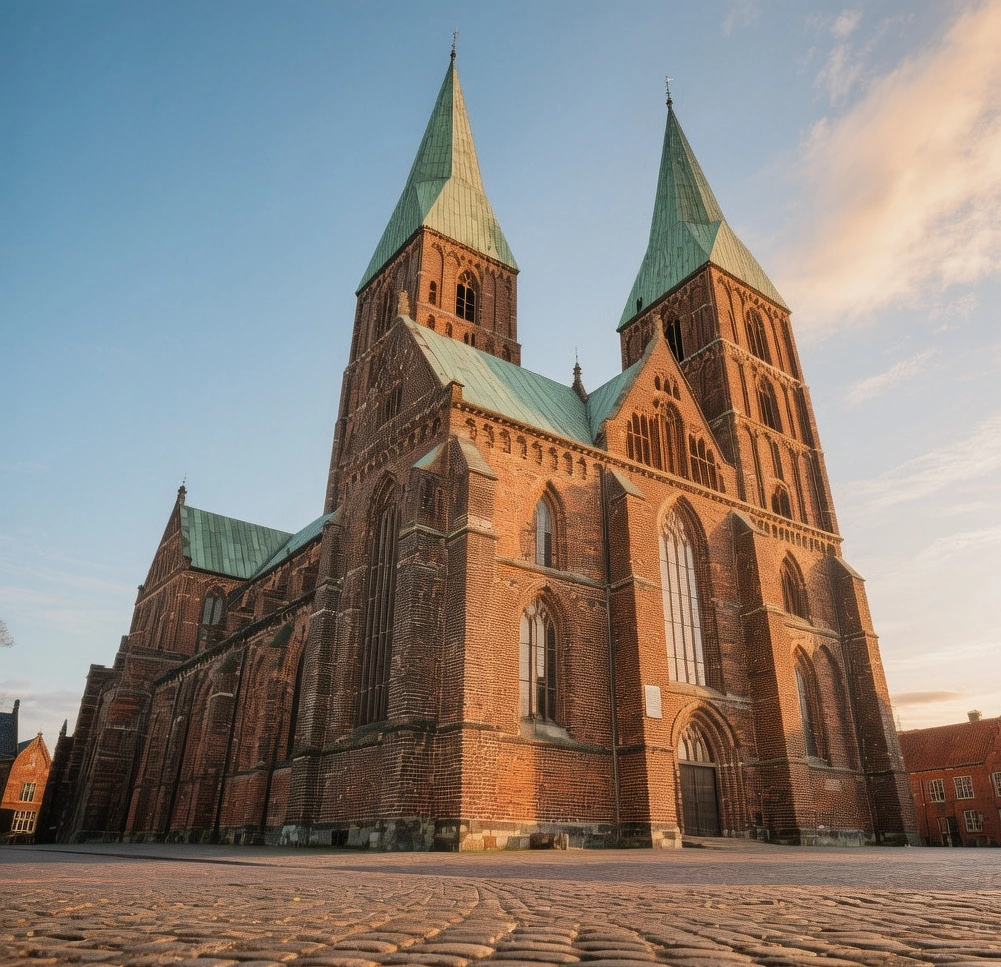
Roskilde Cathedral: Where Royal Tombs Meet Centuries of Stone
I step through the heavy oak doors just past ten in the morning. The air feels cool and still. Light falls through tall stained-glass windows in soft colored streaks across the stone floor. I paid 90 DKK for adult admission. The train ride from Copenhagen took thirty minutes. It cost 110 DKK one way. I bought a small guidebook at the desk. It cost 50 DKK and felt solid in my hands. No loud speakers play here. No crowds rush past. You walk slowly between chapels and tombs. Forty kings and queens rest within these walls. Their names stretch back to the 10th century. This is where Denmark's story lies buried in stone.
Why Roskilde Cathedral Matters
Roskilde Cathedral stands as Denmark's principal royal mausoleum and first Gothic brick church. Construction began in the 1170s under Bishop Absalon and unfolded over eight hundred years. Every architectural style appears here — Romanesque arches, Gothic vaults, Renaissance chapels, Baroque spires, and modern additions. It bears UNESCO World Heritage status. Since King Christian III in 1559, every Danish monarch has been buried here. The building does not belong to one time or one ruler. It grew with the nation itself — each generation adding a chapel, a window, or a memorial. Outside, the old town spreads quiet around it. Inside, the voices of history feel close and clear.
It is not a single perfectly preserved masterpiece. Different sections show different hands — walls thicken and thin, styles shift abruptly. Some visitors find the mix disjointed. In summer, guided tours fill the nave and quiet vanishes. Photography is strictly forbidden inside — a rule that surprises many people. The floor slopes gently in places, and uneven stone makes walking difficult for anyone with limited mobility.
The Best Time to Experience Roskilde Cathedral
Late May through early September offers the longest days and clearest light. Daytime temperatures sit between 14°C and 21°C (57°F–70°F). The grounds stay open late and outdoor cafes nearby extend hours. Arrive before 11:00 AM to have the interior quiet. July and August stay busiest — visit midweek if you can.
April, early May, and September balance mild weather and fewer visitors. Temperatures hover around 9°C–15°C (48°F–59°F). Spring brings fresh green to the churchyard trees. Autumn turns the surrounding leaves gold. October through April brings shorter days and cooler conditions — 2°C–7°C (36°F–45°F). The cathedral closes an hour earlier then. Winter visits feel deeply peaceful — the nave stays empty and light falls soft and low. Sundays remain busy with services; Saturday afternoons feel quietest year-round.
Approximate Budget for a 7-Day Trip
- Accommodation: 3,850 DKK – 6,300 DKK. Guesthouse or B&B in Roskilde sits lower. Hotel near the cathedral runs 800–1,050 DKK per night. Staying in Copenhagen gives more options — thirty minutes by train.
- Food & Drink: 1,750 DKK – 2,940 DKK. Lunch at a café near the square costs 105–185 DKK. Dinner in Roskilde runs 185–295 DKK per person. Buying bread, cheese, and pastries from the bakeries saves nearly half.
- Transport: 770 DKK – 1,470 DKK. Train from Copenhagen 110 DKK one way. Local bus from station to cathedral 36 DKK. Bicycle rental works perfectly at 100–140 DKK per day — flat paths lead everywhere.
- Attractions & Entry: 360 DKK – 540 DKK. Cathedral ticket 90 DKK adult. Children under 18 free. Guided tours carry small extra fee.
- Miscellaneous: 525 DKK – 875 DKK. Covers coffee, snacks, guidebooks, and small donations.
Total estimated budget: 7,255 DKK – 12,125 DKK per person for 7 days.
One thing to watch: cafes directly facing the cathedral charge premium rates. A coffee can cost 35 DKK more than at places just around the corner. Step one lane over — the same atmosphere costs far less.
Essential Roskilde Cathedral Experiences
- Walk the full nave. Start at the west doors and move slowly east. Notice how the architecture changes — round arches give way to pointed vaults. Light shifts as you go. It feels like walking through time itself. Go early — groups fill the space by midday.
- Visit the royal chapels. Each holds generations of monarchs. Styles range from quiet Renaissance marble to grand Baroque and modern stone. Read the inscriptions simply — names and dates connect you to centuries. Skip if you dislike enclosed spaces — some chapels feel small and crowded.
- Climb the tower — when open. Narrow stone steps wind upward. The view spreads over red roofs, green fields, and distant fjord. It shows how the town grew around the church. Check opening times — the tower closes in bad weather and for services.
- Stand in the quiet crossing. Beneath the central tower, the space feels balanced and calm. Few visitors pause here. Sit on one of the simple wooden benches. Let the pace slow. This is where the building speaks most clearly.
- Walk the churchyard circuit. Old gravestones line the paths. Some belong to nobility, others to ordinary townspeople. Trees cast shade. You see the cathedral from every angle — brick, stone, copper, spire. It feels like a living community, not just a monument.
- Attend a short service or concert. The acoustics feel warm and resonant. Music fills the space as it has for eight hundred years. Check the schedule — no tickets needed for many midday performances.
Hidden Gems Most Travelers Miss
- The quiet northern aisle. Most visitors stay on the main south side. This wing holds simpler memorials and stays nearly empty. Light falls differently here — softer and more golden. Sit and listen to the silence.
- Overrated spot: the main entrance photo spot. Every group stops here. Walk fifty yards around the east end. The full spires and apse appear with no crowd in your frame.
- The small medieval crypt chapel. Tucked away and easy to miss. Low vaulted ceilings and ancient stone feel deeply old. It has stood longer than any other part of the building.
- The south bench at sunset. Facing the towers as the sun lowers. Copper roofs glow warm. Most people leave by 4:00 PM. You often have the spot to yourself.
- The ancient stone carvings near the choir. Weathered faces and figures set into pillars. They predate the building itself. Few people notice them — look close, low to the ground.
Cultural & Practical Tips
- Respect the photography ban inside. It is strictly enforced — no cameras, no phones raised. Signs are clear. The rule protects the atmosphere and preserves light-sensitive art.
- Check service times before visiting. The cathedral remains an active place of worship. Areas close unexpectedly for weddings, funerals, or mass. Arrive early if you want to see everything.
- Wear comfortable flat shoes. Stone floors are uneven, worn smooth by centuries of footsteps. They slope and dip in places. Heels or thin soles make walking harder than it needs to be.
- Do not rush. Many people plan forty-five minutes and leave feeling they barely scratched the surface. Two hours minimum lets you see the chapels, walk the aisles, and sit quietly.
- Keep voices low. Sound carries far under high vaults. Whispers travel across the nave. Respect the quiet for everyone around you.
- Visit on a Saturday afternoon. Sundays stay busy with worship. Weekdays fill with tours. Saturday between 2:00 and 4:00 PM strikes the best balance of light and calm.
Essential Visitor Information
Location & Access: Roskilde Cathedral, Domkirkepladsen 1, 4000 Roskilde. Three ways to arrive: train from Copenhagen Central Station to Roskilde (30 minutes) then 10-minute walk; car via E55 — paid parking available nearby, limited directly at site; bicycle via dedicated paths from surrounding towns.
Tickets & Booking: Adult 90 DKK at door or online. Children and young people under 18 free. Seniors and students 75 DKK. Booking ahead recommended in summer but not required.
Operating Hours: Monday–Saturday 10:00 AM–5:00 PM; Sunday open from 1:00 PM for visitors. Shorter hours November–March. Closed during services — check schedule locally.
Visit Duration: Minimum 1 hour. 2 hours lets you explore fully. Half a day if combining with churchyard and nearby museum.
Family Suitability: Good. Space to move indoors. Stroller access available through side entrance. Floors uneven in places. Restrooms and baby-care rooms nearby.
Timing: Best season: May or September. Best time: before 11:00 AM or Saturday afternoon. Midweek stays quieter than weekends.
Highlights: Royal chapels, medieval nave, tower view, churchyard circuit, evening light on brick and copper.
Nearby & Day Trip: Viking Ship Museum 15 minutes on foot. Roskilde city center 5 minutes. Copenhagen 30 minutes by train. Frederiksborg Castle 45 minutes by car or train.
Conclusion: Travel with Depth, Not Just Sight
Roskilde Cathedral does not show one vision of perfection. It carries the marks of every generation that built it — changes, additions, quiet repairs. Stones laid by unknown hands rest beside grand royal monuments. Walk slowly. Notice the worn steps, the soft light, the names carved in marble. Forty kings and queens rest here. What story will you carry away from this house of stone?
Post a Comment