Skagen: Where Two Seas Collide Meets Nordic Coastal Light
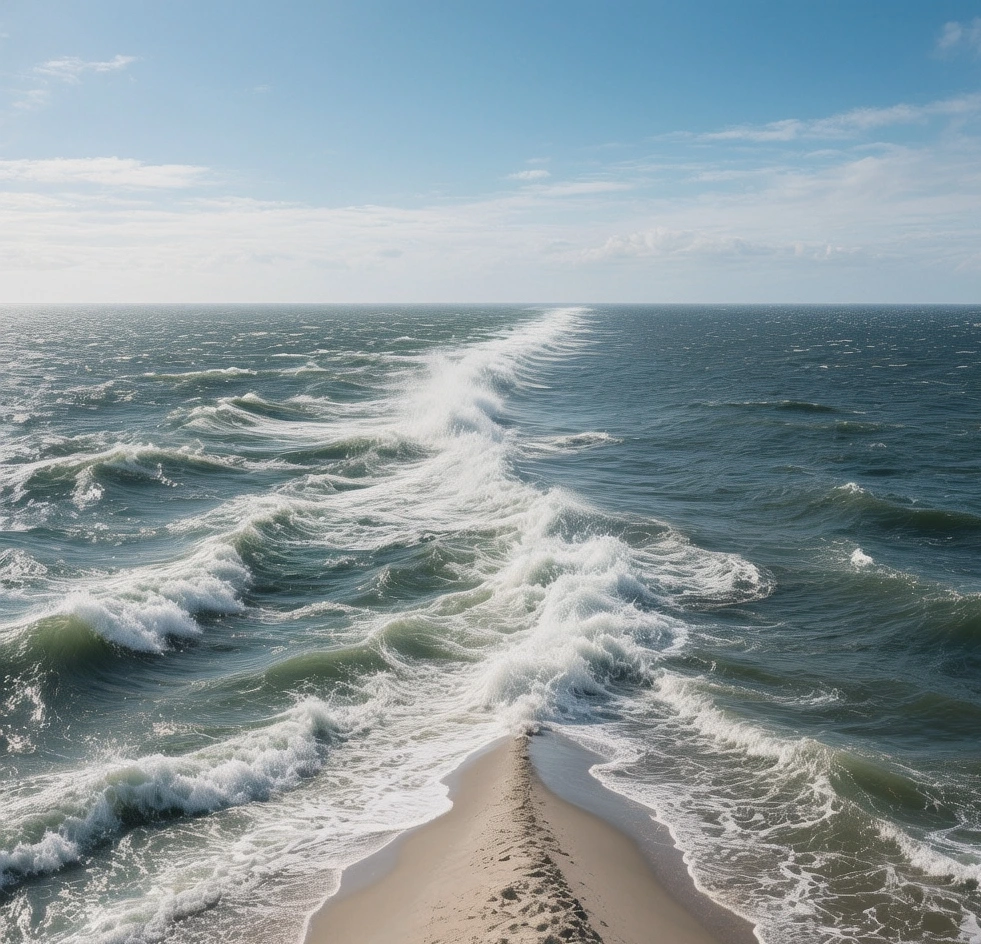
Skagen Denmark: Where Golden Light Meets Two Seas
I stand on the main street just past nine in the morning. White-painted houses glow under soft sunlight. The air smells of salt, dried fish, and fresh coffee. I arrived by train from Aalborg. The ticket cost 240 DKK one way. The ride took one hour and forty minutes. I bought a warm pastry from the bakery near the station. It cost 25 DKK and melted butter on my fingers. The road leads straight toward the water. People walk slowly. No one hurries. Light falls differently here. It feels softer, warmer, like the world holds its breath just a little longer.
Why Skagen Denmark Matters
Skagen sits at Denmark's northernmost tip. The town grew from fishing roots into an artists' haven in the late 19th century. Painters arrived drawn by the extraordinary clarity of light where two seas meet. They gathered here, painted together, and turned the place into a cultural landmark. The landscape itself shifts constantly — sand covers land, dunes move, and the coastline changes shape. Grenen, the sand spit at the end, marks where the Skagerrak and Kattegat collide. This is a place of edges and meetings. It has always drawn people who live at the boundaries — sailors, artists, wanderers.
It is not a secret escape anymore. In July and August, the small town fills completely. Main Street feels crowded and prices rise sharply. Sand also covers everything — doorsteps, roads, window sills. It blows in constantly. You will find it in your shoes and your bag. Some visitors find that messy and inconvenient. It is part of the place, not something to be cleaned away.
The Best Time to Experience Skagen Denmark
Late May through early September offers the longest days and mildest weather. Daytime temperatures sit between 13°C and 20°C (55°F–68°F). The sun stays up late. Galleries and museums keep extended hours. Arrive before 10:00 AM to walk the beaches without crowds. July and early August are busiest — book accommodation months ahead.
April, early May, and September offer golden light and fewer people. Temperatures hover around 8°C–14°C (46°F–57°F). Spring brings wildflowers and bird migration. Autumn turns the dunes warm amber. The light feels richer then. October through March brings shorter days and cooler conditions — 2°C–7°C (36°F–45°F). Some cafes and smaller galleries close. The beach stays empty and quiet. The winter light can be spectacular, but check opening times before traveling.
Approximate Budget for a 7-Day Trip
- Accommodation: 4,200 DKK – 7,000 DKK. Guesthouse or B&B sits lower. Historic hotel or waterfront apartment runs 900–1,200 DKK per night. Staying in nearby Frederikshavn cuts costs but adds travel time.
- Food & Drink: 1,890 DKK – 3,080 DKK. Lunch at a café costs 115–195 DKK. Dinner at a seafood restaurant runs 195–320 DKK per person. Buying fresh fish from the harbor market and bread from the bakery cuts food spending nearly in half.
- Transport: 980 DKK – 1,820 DKK. Train from Aalborg round trip 480 DKK. Local bus 36 DKK one way. Bicycle rental 110–160 DKK per day. Car rental from Frederikshavn starts around 380 DKK daily plus fuel.
- Attractions & Entry: 420 DKK – 700 DKK. Skagen Museum 120 DKK. Sand-Covered Church 50 DKK. Grenen access free. Other galleries carry similar or lower fees.
- Miscellaneous: 630 DKK – 1,050 DKK. Covers coffee, snacks, souvenirs, and binocular rental.
Total estimated budget: 8,120 DKK – 13,650 DKK per person for 7 days.
One thing to watch: restaurants right on the main pedestrian street charge premium rates. A meal can cost 80 DKK more than at places just one lane back. Buy food from the market, sit on the dunes, and watch the sun go down. It tastes better and costs far less.
Essential Skagen Denmark Experiences
- Stand at Grenen. Walk or ride the Sandormen tractor to the tip. Watch waves crash together from two directions. Feel the wind where seas meet. Stay on firm ground — currents are strong and unpredictable. Skip midday in July; the narrow point fills completely.
- Visit Skagen Museum. See works by the Skagen Painters. The collection feels personal, tied closely to the people who lived here. The building sits quiet and light-filled. Go early so you can look slowly without rushing.
- Walk the long beach south of town. Golden sand stretches for kilometers. Dunes rise behind it. The water stays cold but the shoreline feels open and endless. Walk toward the sunset — the light turns everything warm gold.
- See the Sand-Covered Church. Only the tower remains visible above the dunes. Sand buried the nave in the early 1900s. It stands as a quiet reminder of how the land shifts. Climb the narrow stairs for a wide view over sea and dunes — skip if you dislike enclosed spaces.
- Explore the harbor at dawn. Boats unload overnight catches. Fishermen work quietly. The water holds perfect reflections. Few visitors are up this early. You share the space with locals only.
- Cycle the coastal road north. Flat paths run beside the shore. You pass dunes, old cottages, and wide open views. Stop wherever the light looks right. The round trip suits most riders.
Hidden Gems Most Travelers Miss
- The old fishermen's quarter east of the harbor. Narrow lanes and small painted houses sit close together. No large signs point the way. It feels like the town looked a century ago.
- Overrated spot: the main viewpoint platform at Grenen. Every tour group stops there. Walk two hundred yards along the western shore. The view is identical and you will stand alone.
- Brøndums Hotel garden behind the museum. The painters gathered and painted here. Trees and old flower beds surround a quiet lawn. You can sit and imagine the conversations that happened here.
- The northern beach trail beyond the lighthouse. Fewer people walk this far. Dunes grow wilder and the shoreline curves gently. The path loops back toward town.
- Evening light from the dunes behind the church. Climb the ridge as the sun lowers. The whole town glows. Most people head for restaurants then. The dune top stays quiet.
Cultural & Practical Tips
- Book accommodation months ahead for July and August. Prices rise sharply and good places sell out. Last-minute bookings cost double or triple.
- Do not fight the sand. It blows everywhere. Keep bags closed and shake out shoes daily. It is part of the place, not something to be kept out.
- Respect the dune edges. Walking off marked paths damages the vegetation that holds the sand in place. Erosion happens fast here. Stay on firm ground.
- Warm clothes matter even in summer. Coastal wind feels colder than the thermometer shows. Bring a windproof jacket year-round. Even sunny evenings turn breezy.
- Shops and some cafes close on Mondays outside peak season. Plan accordingly so you do not find locked doors.
- Do not treat the Sand-Covered Church as just a photo spot. It was a working place of worship. Be quiet and respectful inside the tower.
Essential Visitor Information
Location & Access: Skagen, 9990 Skagen, northern Jutland. Three ways to arrive: train from Aalborg (1 hour 40 minutes); train from Frederikshavn (30 minutes); car via coastal route — free parking available at most sites.
Tickets & Booking: Town streets and beaches free. Skagen Museum 120 DKK adult. Sand-Covered Church 50 DKK. Grenen Sandormen tractor 40 DKK round trip. Booking ahead not required for museums but recommended for accommodation in summer.
Operating Hours: Outdoor areas open year-round. Museum hours 10:00 AM–5:00 PM daily May–September; shorter hours and closed Monday October–April. Some galleries close entirely in winter.
Visit Duration: Minimum 2 days to see main sites. 4–5 days lets you walk beaches, cycle, and visit museums without rushing.
Family Suitability: Excellent. Flat terrain suits strollers and children. Shallow water near harbor areas. Limited indoor activities outside peak season.
Timing: Best season: late May or September. Best time: before 10:00 AM or late afternoon toward sunset. Weekdays stay quieter than weekends.
Highlights: Grenen meeting of seas, Skagen Museum, golden beaches, Sand-Covered Church, harbor at dawn.
Nearby & Day Trip: Frederikshavn 30 minutes south by train. Aalborg 1 hour 40 minutes by train. Lindholm Høje near Aalborg. Rebild National Park 1 hour 15 minutes south.
Conclusion: Travel with Depth, Not Just Sight
Skagen does not need grand stories to impress you. The light alone stays with you. It wraps around everything — the houses, the dunes, the faces of people you pass. Walk slowly. Sit still on the shore. Watch the water. Notice how the light changes minute by minute. What will you carry home with you when you leave this northern edge?
Post a Comment