Grenen Sand Spit: Where Two Seas Collide Meets Nordic Coastal Light
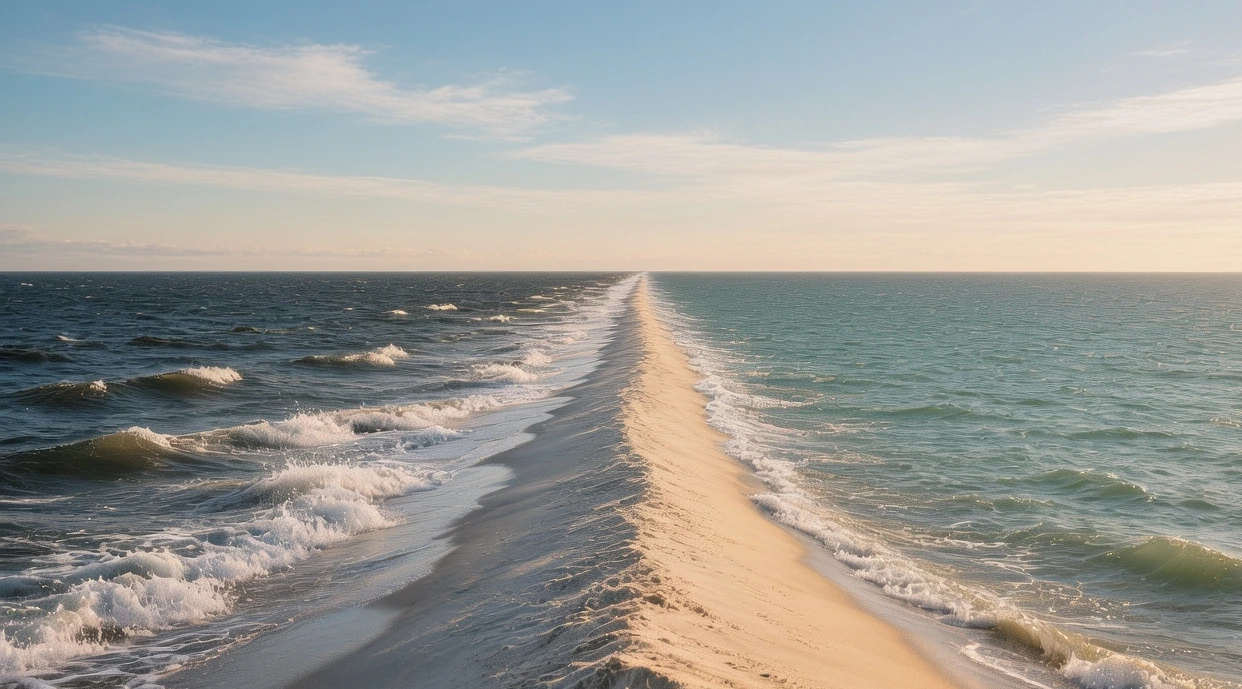
Grenen Sand Spit: Where Colliding Waves Meet Shifting Dunes
I stand at the tip just after ten in the morning. Waves roll in from two directions and crash head-on. White spray rises where they meet. I paid nothing to walk the spit. The Sandormen tractor ride cost 40 DKK round trip. The driver dropped me near the outermost point. Wind pulls at my jacket. Sand shifts underfoot. I can stand with one foot facing the Skagerrak and the other facing the Kattegat. The water churns and twists. No calm line separates them. They push and tangle as they have for centuries. I watched seabirds glide low over the surface. No one else stood close enough to block the view. The scale of the meeting felt larger than any map could show.
Why Grenen Sand Spit Matters
Grenen forms Denmark's northernmost point. The spit stretches roughly thirty kilometers, one of the longest of its kind in the world. Two powerful currents deposit sand and gravel here, building land outward at about ten meters per year. The Skagerrak carries water from the North Sea; the Kattegat holds water from the Baltic. Their collision creates the churning, restless surface visitors come to see. This dynamic landscape has drawn artists — the Skagen Painters — since the late 19th century. It also serves as a critical migration route for birds of prey and seabirds. Nature here never settles. The shape shifts with every storm and tide.
It is not a static landmark. The point moves constantly. Paths change from month to month. Some visitors find that disappointing — they expect a fixed marker they can photograph in the same spot every time. Swimming is strictly forbidden. The currents are strong and unpredictable. Even wading beyond shallow edges carries risk. In summer, crowds gather at the tip and the feeling of wild openness fades quickly.
The Best Time to Experience Grenen Sand Spit
Late May through early September offers the longest days and mildest weather. Daytime temperatures sit between 13°C and 20°C (55°F–68°F). The Sandormen tractor runs frequently. Migratory birds remain abundant. Arrive before 9:30 AM to walk the spit without crowds. July and early August see the most visitors. Parking fills fast by mid-morning.
April, early May, and September balance pleasant conditions and fewer people. Temperatures hover around 8°C–14°C (46°F–57°F). Spring brings peak bird migration — raptors and seabirds pass overhead in large numbers. Autumn offers golden light and quieter beaches. October through March brings shorter days and cooler weather — 2°C–7°C (36°F–45°F). The tractor runs less often or not at all in stormy conditions. Walking the full point remains possible but wind and rain can make it unpleasant. Check local weather before traveling in winter.
Approximate Budget for a 7-Day Trip
- Accommodation: 3,850 DKK – 6,300 DKK. Guesthouse or B&B in Skagen sits lower. Waterfront or historic apartment runs 800–1,000 DKK per night. Staying in Frederikshavn gives more options at slightly lower rates.
- Food & Drink: 1,820 DKK – 2,940 DKK. Lunch at a harbor café costs 110–185 DKK. Dinner at a seafood restaurant runs 190–310 DKK per person. Buying fresh fish, bread, and cheese from local markets cuts food spending nearly in half.
- Transport: 910 DKK – 1,680 DKK. Train from Aalborg to Skagen 240 DKK round trip. Local bus from Skagen town center 36 DKK one way. Car rental from Frederikshavn starts around 370 DKK daily plus fuel. Bicycle rental works well — flat paths lead directly to the parking area.
- Attractions & Entry: 350 DKK – 560 DKK. Spit access free. Sandormen tractor 40 DKK round trip. Skagen Museum 120 DKK. Other nearby sites carry similar or lower fees.
- Miscellaneous: 560 DKK – 910 DKK. Covers coffee, snacks, binocular rental, and small purchases.
Total estimated budget: 7,490 DKK – 12,390 DKK per person for 7 days.
One thing to watch: restaurants directly facing the beach charge premium rates. A meal can cost 70 DKK more than at places a few streets back. Buy fresh fish from the harbor market, sit on the dunes, and watch the waves. It costs less and feels more connected to the place.
Essential Grenen Sand Spit Experiences
- Stand where the seas meet. Walk to the outermost tip. Watch waves push and tangle. Feel the wind where two currents converge. Stay on firm sand and avoid stepping into deeper water. Skip midday in July — the point becomes crowded and you will wait for space.
- Walk from the parking area. The path stretches roughly 1.5 kilometers across firm sand and dunes. It takes about thirty minutes. You see the spit narrow as you approach. Many people take the tractor one way and walk back.
- Ride the Sandormen tractor. The open vehicle trundles over soft sand. It saves walking for those who cannot manage the distance. Tickets are sold at the parking lot. Check the last return time so you are not left walking back alone.
- Watch birds during migration. Spring and autumn bring thousands of raptors and seabirds. Binoculars help enormously. You can see them clearly from the dune ridges. This is one of Northern Europe's premier birdwatching sites.
- Walk the beach east toward Vippefyr. The shoreline stretches wide and open. The old lighthouse stands visible on the rise. Fewer people walk this way. You see Grenen from a quieter angle.
- Visit at sunset. Low light turns the water gold and pink. Crowds thin out. The churning surface takes on softer tones. The tractor may stop running before sunset — confirm the schedule so you can walk back if needed.
Hidden Gems Most Travelers Miss
- The western dune loop. Most people stay near the water's edge. The inland path winds through low dunes and marram grass. It loops back toward the parking area. Quiet and sheltered, it feels entirely different from the exposed tip.
- Overrated spot: the painted marker at the very end. Every group gathers there. Walk twenty yards along one shore. The view is identical and you will likely stand alone.
- The old bunker line south of the main path. Concrete structures sit half-buried in the dunes. They date to World War II. No large signs point them out. Walk carefully — sand shifts and footing can be uneven.
- Birdwatching from the northern ridge. The slight elevation gives a clearer view of passing flocks. Bring binoculars. Spring mornings between 7:00 and 9:00 AM offer the best movement.
- Quiet shoreline at low tide. Exposed sand stretches wide. You can walk farther out and see the collision from new angles. Check tide times so you do not get stranded on a narrowing strip.
Cultural & Practical Tips
- Do not swim or wade deeply. Currents here are among the strongest and most unpredictable in Danish waters. People have been swept away. Stay in very shallow water only and keep a close watch on children.
- Wear windproof and waterproof layers. Even sunny days turn cool and blustery. Wind speeds at the tip often run higher than inland forecasts suggest. A hat and gloves are useful year-round.
- Arrive early. The parking lot fills by 11:00 AM in summer. Later arrivals park farther away and walk longer. You also avoid the largest crowds at the tip.
- Do not take the tractor both ways if you can walk. The line back grows long in the afternoon. Walking back takes the same time as waiting in line and feels more pleasant.
- Stay off fragile dune vegetation. Marram grass holds the sand in place. Trampling it causes erosion. Stick to marked paths and firm sand. The landscape shifts fast enough without help.
- Bring binoculars if you have them. Seals, porpoises, and migrating birds appear regularly but at a distance. They are worth looking for.
Essential Visitor Information
Location & Access: Grenen, Skagen Nordstrand, 9990 Skagen. Three ways to arrive: car via Fyrvej — free parking available; train to Skagen Station then local bus or bicycle; bicycle via dedicated coastal paths from Skagen town center (20–25 minutes).
Tickets & Booking: Spit and shoreline access free. Sandormen tractor 40 DKK round trip. No advance booking — buy tickets at the departure point. Skagen Museum nearby 120 DKK adult.
Operating Hours: Outdoor areas open 24 hours daily year-round. Sandormen runs roughly 10:00 AM–5:00 PM April–October; reduced schedule or closed November–March in bad weather.
Visit Duration: Minimum 1.5 hours for walk to tip and back. 3–4 hours lets you explore both shores and watch wildlife. Half a day if combining with Skagen town or museum.
Family Suitability: Good. Flat firm sand suits strollers and young children. Strong currents mean constant supervision near water. Restrooms and café at the main parking area.
Timing: Best season: May or September. Best time: before 9:30 AM or late afternoon toward sunset. Weekdays stay noticeably quieter than weekends.
Highlights: The meeting of Skagerrak and Kattegat, shifting sand spit, bird migration routes, sunset over open water, dune walks.
Nearby & Day Trip: Skagen town center 5 km south. The Sand-Covered Church 6 km south. Skagen Museum 7 km south. Frederikshavn one hour south by car or train.
Conclusion: Travel with Depth, Not Just Sight
Grenen does not stay still. The land shifts. The waves push. The view changes with every tide and every storm. You cannot pin it down. That is its power. Stand quietly. Watch how the water moves. Feel the wind where two worlds collide. What will you remember when you turn and walk back across the sand?
Post a Comment