Albufeira Beaches: Where Golden Crescent Shores Meet Atlantic Azure
Albufeira Beaches: Where Golden Cliffs Meet Clear Atlantic Water
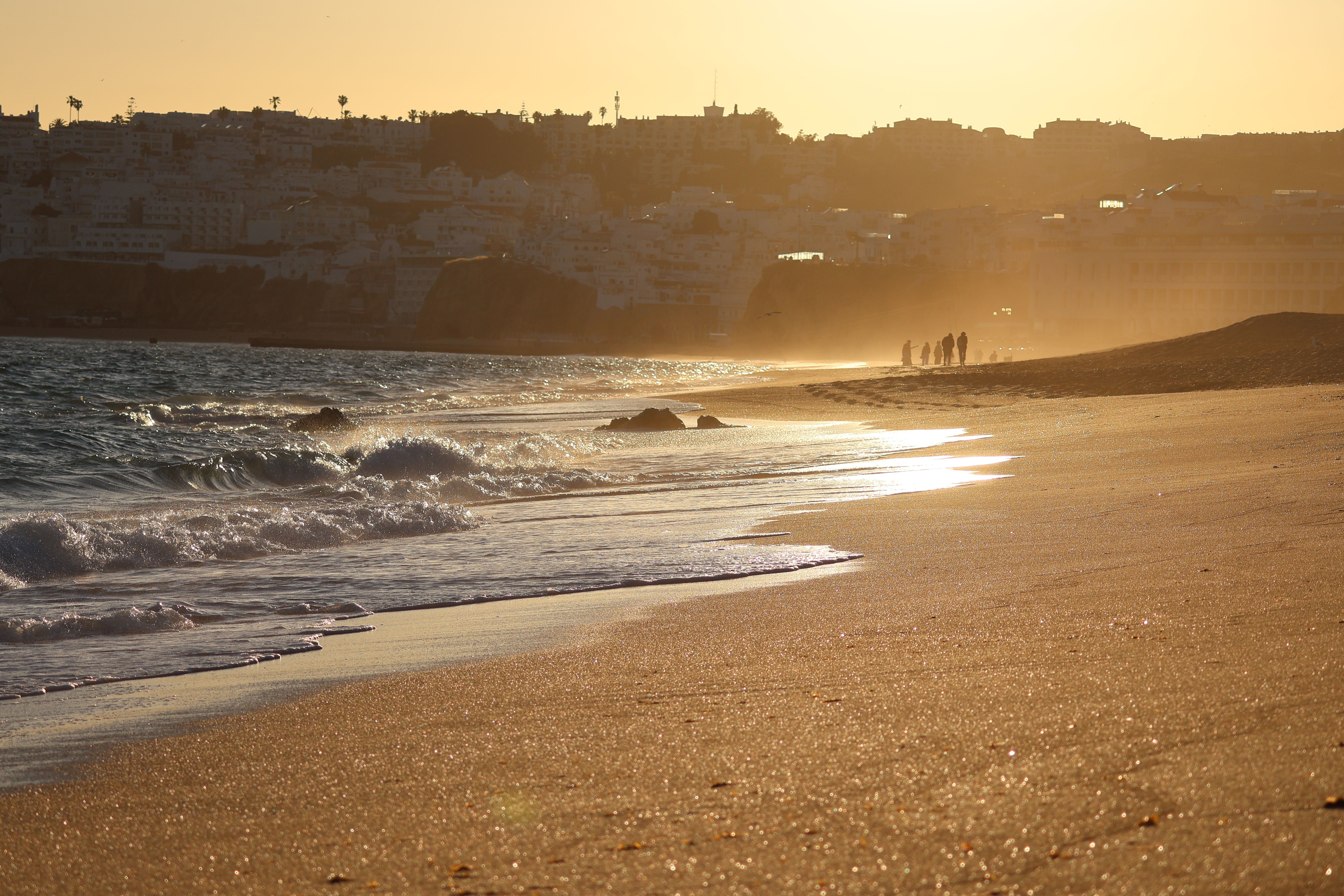
Walking down the carved stone steps at nine in the morning, warm sand meets cool water. The tide pulls gently, smoothing the shoreline. Limestone cliffs rise steep and golden, dotted with caves and natural arches. A pastel-coloured village sits atop the bluff, sloping down toward the water. Entry to Praia dos Pescadores costs nothing. You descend from the old town centre in minutes. By ten, the first groups spread towels and open umbrellas. The ocean shimmers blue and green. This stretch of coast draws millions each year, yet quiet corners remain if you know where to look.
Why Albufeira Beaches Matters
Albufeira once stood as a quiet fishing village where boats beached right on this sand. The sheltered bay offered protection from strong northern winds. When tourism arrived in the 1960s, the beaches became the town's foundation. Today, two distinct areas exist: the compact cove beaches beneath the old town, and the wide open stretches extending eastward. Golden limestone defines every view — cliffs that eroded into sea stacks, arches, and hidden grottos accessible only by water. Yet popularity brings real problems. Summer crowds pack the central coves wall to wall. Sand disappears beneath towels and bodies. Water clarity degrades near the main harbour. The old fishing charm feels overwhelmed. You must walk or take a short boat ride to find the beauty that first drew people here.
The Best Time to Experience Albufeira Beaches
Visit from late May through June, or mid-September through early October. Air temperature sits between 21°C and 26°C (70°F to 79°F). Ocean reaches 20°C to 22°C (68°F to 72°F) and feels comfortable for swimming. July and August bring 27°C to 30°C (81°F to 86°F). The beaches fill by nine in the morning. You will not find space on central sands after ten. November through May brings cooler air around 15°C to 19°C (59°F to 66°F). Water feels too cold for most swimmers, but the beaches stay quiet and peaceful. Arrive before eight thirty in high summer. You claim a spot and watch the sun rise over the cliffs.
Approximate Budget for a 7-Day Trip
Estimates cover one person based in Albufeira exploring beaches and nearby coast independently.
- Accommodation: €45–€95 per night; €315–€665 total. Stay in the old town for atmosphere; the Montechoro district costs less but sits far from the sand.
- Food & Drink: €15–€30 daily; €105–€210 total. Eat inland one street back from the beachfront. Prices drop by nearly half.
- Transport: Walk everywhere in central Albufeira. Bus to eastern and western beaches €3–€5 per ride. Boat between coves €8–€12 one way. Budget roughly €7–€14 daily; €49–€98 total.
- Attractions & Boat Trips: Beach access free. Cave boat tours €25–€40. Cliff elevator and viewpoints free. Budget roughly €35–€55 total.
- Miscellaneous: Sunscreen, towel, drinks; €6–€12 daily; €42–€84 total.
Total estimated cost: €546 to €1,112
Beachfront restaurants charge premium prices for the view. Walk two streets uphill and eat better food for roughly €8–€12 less per meal. The view is free either way.
Essential Albufeira Beaches Experiences
- Walk the cliffside path between Praia dos Pescadores and Praia da Marinha. Follow the boardwalk and stone trails. Golden rock formations frame every cove. You see how the coast changes shape from sheltered bay to open cliff line. Skip if midday heat or strong wind makes walking uncomfortable.
- Swim through the sea caves at low tide. Rent a kayak or take a small boat. Arches and grottos appear along the limestone cliffs. Light turns water turquoise inside caves. Visit at low tide; some entrances become inaccessible at high water.
- Watch sunset from Praia da Marinha. Golden light hits the limestone stacks. The rock turns deep orange and glows against blue water. This beach sits roughly twenty minutes by car from central Albufeira.
- Explore Praia dos Pescadores at low tide. Rocks and pools appear along the edges. Small fish and crabs hide in crevices. The sand stretches wide and smooth. By high tide, most of this area disappears.
- Ride the cliff elevator to Praia do Inatel. Descend from the upper town. The beach spreads long and open. Fewer crowds gather here than on the central sands. Walk east toward the rocks for more space.
- Walk the shoreline at dawn. Before crowds arrive, the sand stays clean and smooth. The ocean sounds clear. You see the village wake up from the water's edge. Most visitors never see this quiet side.
Hidden Gems Most Travelers Miss
- Praia do Peneco. Accessible via tunnel or stairs. Smaller and quieter than the main beaches. The sand stays equally golden but crowds thin noticeably.
- Coastal trail west toward Praia de São Rafael. Follow the cliff path past the hotel zone. Small coves appear between larger beaches. You can descend to quiet sand when the tide permits.
- Fisherman's beach at dawn. Local boats still unload near the eastern end. You see the working harbour beneath the cliffs. This real Albufeira vanishes beneath towels and umbrellas by mid-morning.
- The famous "Benagil Cave" boat tours charge premium prices and rush past quickly. You cannot land on the beach inside. Many visitors find the experience overrated compared with quieter coves nearby.
Cultural & Practical Tips
- Arrive early. Central beaches fill completely by ten in July and August. You will not find space within fifty metres of the water after that time.
- Wear water shoes. Rock shelves and submerged stones cover parts of the seabed. Many visitors cut their feet entering and exiting the water.
- Watch tide times. Sand disappears almost entirely at high water on central beaches. You may arrive and find no dry ground to sit on.
- Ignore timeshare promoters on the promenade. They offer "free gifts" but detain you for hours with sales pitches. Walk away firmly. No free meal justifies the time lost.
- Take the bus or walk. Parking near central beaches costs €15–€25 daily and fills early. Save money and frustration by leaving the car behind.
Essential Visitor Information
Location & Access: Central Algarve coast, roughly 45 kilometres west of Faro. By car: A22 motorway then EN125; paid parking near beaches fills fast. By bus: hourly service from Faro; one hour journey, roughly €8 one way. By train: Albufeira-Ferreiras station ten minutes by bus or taxi to the beaches; roughly €7 from Faro.
Tickets & Booking: All beaches free access. No entry fees. Cave boat tours €25–€40 per person. Cliff elevator free. Sun loungers and umbrellas roughly €15–€20 per set daily.
Operating Hours: Beaches always open. Lifeguards on duty roughly 10:00 to 18:00, May through September. No lifeguards off-season; swim carefully.
Visit Duration: Minimum half day per beach. Allow three to four days to explore different coves, walk the trails, and see the coast at different tide levels.
Family Suitability: Central beaches have gentle entry and lifeguards. Steps and cliffs make some areas unsuitable for strollers. Restrooms and showers available at main beaches. Facilities sparse at quieter coves.
Timing: Best seasons May–June and September. Best times: before 09:00 or after 17:00. Avoid weekends in summer.
Highlights: Golden limestone cliffs, sea caves and arches, Praia dos Pescadores cove, Praia da Marinha stacks, coastal walking trails.
Nearby & Day Trip: Benagil and Marinha beaches 15–20 minutes east. Zoomarine theme park 15 minutes inland. Faro historic centre 45 minutes by car. Lagos and Ponta da Piedade roughly 30 minutes west; excellent for a full day trip.
Conclusion: Travel Beyond the Crowds, Not Just to the Sand
Albufeira Beaches offer golden cliffs and clear water. They also offer crowds, noise, and premium prices. Go early. Walk east or west past the main bays. Visit in shoulder season when the coast belongs to you. Would you sit shoulder to shoulder on the most famous sand, or walk ten minutes further and find a cove entirely to yourself?
Post a Comment