
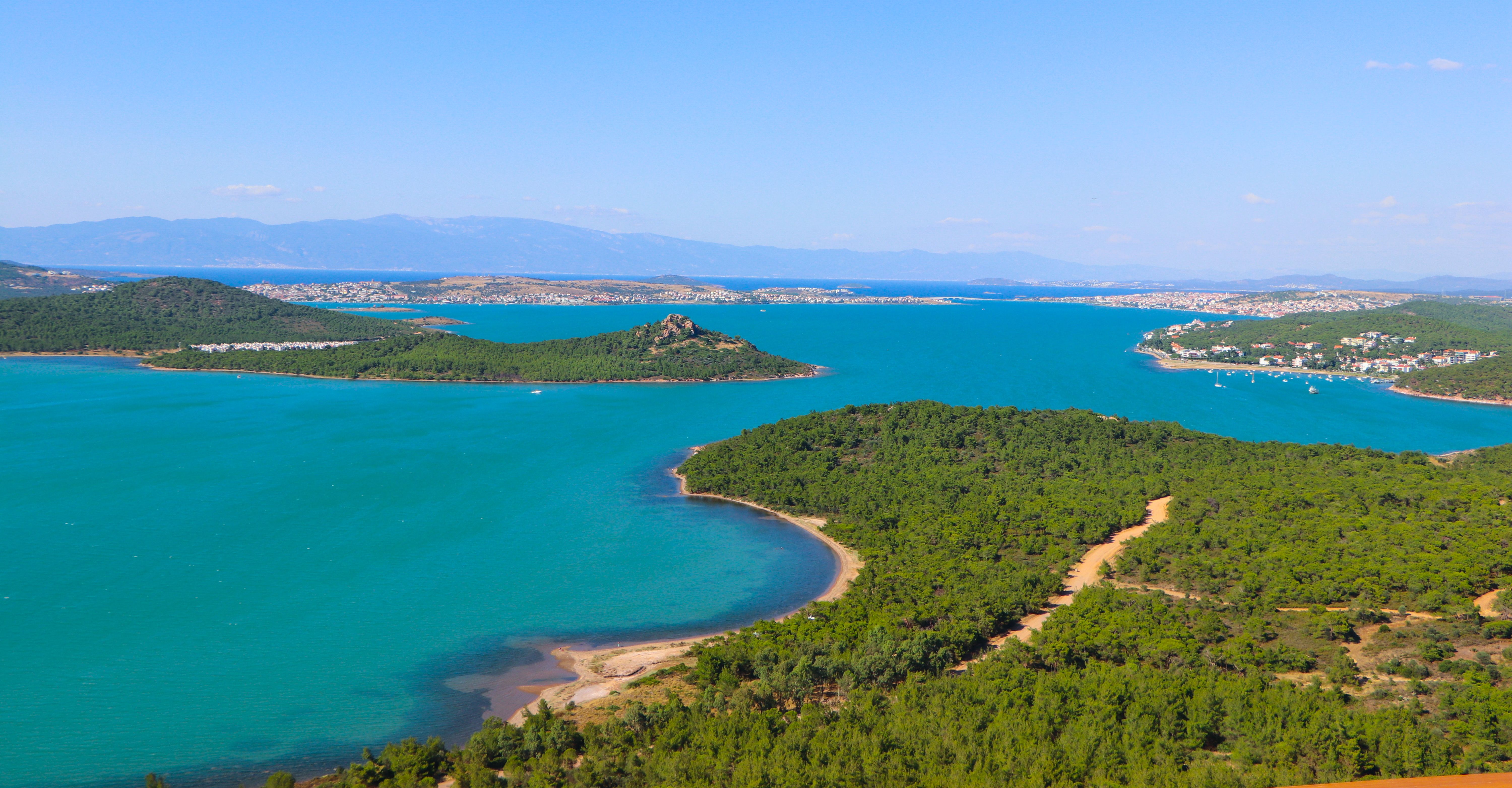
Ayvalık Islands: Where Aegean Turquoise Meets Ottoman Stone
The late afternoon sun bathes crystalline waters in liquid gold as you stand on the weathered stone quay of Ayvalık Islands, where twenty-two small islands dot the azure expanse of the Aegean Sea like scattered emeralds. The air carries the scent of salt spray, wild thyme from rocky slopes, and the faint aroma of olive oil from groves that have flourished here for millennia. You hear the gentle lap of waves against ancient stone, the distant cry of seagulls circling above limestone cliffs, and the soft murmur of Turkish from nearby fishing boats returning with their daily catch. Before you stretches an archipelago of extraordinary beauty: pristine beaches with powdery white sand, secluded coves accessible only by boat, and the ruins of Greek Orthodox churches that speak to a multicultural past. The largest island, Cunda (Alibey), sits just 300 meters from the mainland, connected by a causeway built in 1964, while smaller islets like Lale, Pırasa, and Yelken offer complete solitude for those willing to venture further. This UNESCO-recognized natural and cultural heritage site matters because it embodies the extraordinary convergence of natural splendor and historical layers—a place where Aegean civilization, Ottoman architecture, and contemporary Turkish coastal life merge seamlessly, where olive groves older than empires still produce liquid gold, and where travelers can discover an authentic slice of Turkey's Aegean coast largely untouched by mass tourism.
Why Ayvalık Islands Embody Aegean Authenticity
Ayvalık Islands represent far more than a picturesque archipelago—they embody the extraordinary preservation of Aegean coastal culture where natural beauty, historical heritage, and sustainable tourism converge. This cluster of twenty-two islands and islets, scattered across 285 square kilometers of the northeastern Aegean Sea, solves fundamental challenges of island living: providing sheltered harbors for fishing fleets, maintaining biodiversity in a fragile marine ecosystem, and preserving architectural heritage from multiple civilizations while supporting contemporary coastal communities.
The archipelago's natural engineering is remarkable. The islands feature diverse geological formations: volcanic rock formations on Yelken Island rising 87 meters above sea level, limestone cliffs on Lale Island creating dramatic coastal scenery, and sandy beaches with waters ranging from shallow lagoons to depths of 40 meters. The marine ecosystem supports over 200 species of fish, including red mullet, sea bass, and grouper, while the islands' olive groves—some trees exceeding 500 years of age—produce some of Turkey's finest olive oil with acidity levels below 0.3%. The causeway connecting Cunda Island to the mainland, measuring 300 meters in length, was engineered to maintain tidal flow while providing reliable access.
What makes Ayvalık unique is its cultural continuity: the islands preserve over 800 Ottoman-era stone houses with distinctive architecture featuring thick walls for thermal regulation, wooden balconies overlooking narrow cobblestone streets, and gardens filled with jasmine and bougainvillea. The Greek Orthodox churches, some dating to the 18th century, stand alongside Ottoman mosques, creating a architectural dialogue that reflects the region's multicultural heritage. This convergence of natural beauty, historical preservation, and living culture—where ancient olive trees shade stone houses, where fishing traditions continue unchanged, where Aegean light transforms stone into gold—creates a destination that speaks to both the soul and the senses of travelers seeking authentic Mediterranean experiences.
The Best Time to Experience Ayvalık Islands
To experience Ayvalık Islands at their most enchanting, plan your visit between May 15–June 25 or September 10–October 20, when daytime temperatures range from 20-28°C (68-82°F) and the Aegean coast blooms with wildflowers or glows with autumn light. During these windows, you'll enjoy comfortable conditions for island hopping, swimming in crystal waters, and exploring stone villages without summer's crowds or winter's chill.
For optimal photography of island landscapes and stone architecture, arrive at key viewpoints at 7:00–8:30 AM when morning light illuminates eastern shores, casting golden tones on limestone buildings. Alternatively, visit at 6:00–7:30 PM during golden hour when warm light transforms stone into honey tones and long shadows emphasize architectural details while the setting sun creates spectacular reflections on the Aegean.
Avoid the peak summer period of June 28–August 20 when temperatures can exceed 35°C (95°F) and the islands reach maximum capacity with domestic tourists. While summer offers reliable beach weather and warm swimming conditions (water temperatures 24-26°C/75-79°F), the experience can feel rushed and accommodation prices surge 200-300%. Winter months (November–March) bring temperatures of 8-15°C (46-59°F) during the day but can drop to 3°C (37°F) at night; rain makes stone pathways slippery, and many island restaurants and boat services close for the season.
Approximate Budget for a 7-Day Trip
Visiting Ayvalık Islands requires basing yourself in Cunda Island or Ayvalık town, with day trips to explore the archipelago's smaller islands. The following budget assumes moderate travel style—comfortable boutique pensions, authentic Aegean cuisine, and a mix of public transportation and private boat excursions. Prices are listed in euros for international travelers, though Turkey uses the Turkish Lira (₺).
- Accommodation: €35–€65 per night in Cunda Island or Ayvalık town center. Budget pensions start at €28; boutique stone houses with sea views run €68-95. Staying in Cunda provides immediate island atmosphere while Ayvalık town offers more amenities and lower prices.
- Food: €15-23 per day total. Breakfast: €4-6 for traditional Turkish breakfast with menemen, local cheese, olives, honey, and çay. Lunch: €5-9 for fresh grilled fish, meze platters, and Turkish pide at waterfront tavernas. Dinner: €7-12 for sit-down meals featuring Aegean herbs, octopus, local wine, and baklava.
- Transportation: Round-trip flight to İzmir Adnan Menderes Airport from Istanbul: €62-135. Airport shuttle to Ayvalık: €12. Local dolmuş within region: €0.50 per ride. Boat taxi to islands: €8-15 per trip. Car rental: €35/day.
- Attractions: Ayvalık Islands Nature Park boat tour: €25. Cunda Island walking tour: Free. Devil's Table (Şeytan Sofrası): Free. Taksiyarhis Church Museum: €4. Olive oil tasting: €8.
- Miscellaneous: Local olive oil: €10/bottle. Handwoven textiles: €30-85. Ceramic pottery: €18-50. Regional guidebook: €12.
Total 7-Day Budget: €465–€670 per person (excluding international flights to Turkey)
7 Essential Ayvalık Islands Experiences
- Island Hop by Traditional Boat: Charter a local fishing boat (€60-80 for half-day) to explore the smaller islands of the archipelago. Visit Lale Island for its pristine beaches, Pırasa Island for swimming in crystal-clear coves, and Yelken Island for panoramic views from its 87-meter summit. Depart from Cunda harbor at 9:00 AM when seas are calmest. The boat captain will know hidden swimming spots inaccessible from land. Bring swimwear, sunscreen, and water—the boat typically provides fresh fish lunch.
- Walk Cunda's Cobblestone Streets: Explore the historic district of Cunda (Alibey) Island at 8:00 AM when morning light illuminates Ottoman stone houses and narrow lanes are quiet. Wander through streets lined with restored 19th-century architecture featuring thick limestone walls, wooden balconies, and gardens overflowing with jasmine. Visit the Taksiyarhis Church (€4 entry), now a museum showcasing the island's Greek Orthodox heritage. Allow 2-3 hours to fully absorb the atmosphere and photograph architectural details.
- Swim at pristine beaches: Experience the archipelago's renowned beaches, starting with Altınova Beach on the mainland (accessible by dolmuş, €0.50) or the secluded coves on Lale Island (boat access only). The water clarity is exceptional—visibility often exceeds 20 meters. Best swimming occurs between 10:00 AM–4:00 PM when water temperatures reach 22-26°C (72-79°F) in summer. Bring water shoes as some beaches have rocky entries.
- Dine on Fresh Aegean Cuisine: Experience waterfront dining at Cunda's tavernas, ordering grilled sea bass (levrek), octopus salad (ahtapot salatası), and local meze while watching fishing boats return at dusk. The best tables offer views toward the mainland. Visit for dinner between 7:00–9:00 PM when the catch is freshest and the atmosphere is most romantic. Expect to pay €15-22 for a full seafood meal with local wine.
- Visit Devil's Table (Şeytan Sofrası): Climb to this hilltop viewpoint 3 kilometers from Ayvalık town for panoramic views across the entire archipelago. The 15-minute ascent rewards with 360-degree vistas of twenty-two islands scattered across the Aegean. According to local legend, the devil once held court here—hence the name. Visit at sunset (7:00–8:30 PM) when the light transforms the islands into silhouettes against golden skies. Free access; bring water and wear sturdy shoes.
- Explore Olive Groves: Tour ancient olive groves where some trees exceed 500 years of age, producing some of Turkey's finest olive oil. Many family farms offer tastings (€8) explaining traditional production methods and the health benefits of extra-virgin olive oil with acidity below 0.3%. Visit mid-morning (10:00 AM–12:00 PM) when guides are available. Purchase directly from producers to support local agriculture and take home authentic souvenirs.
- Photograph Greek Orthodox Churches: Document the archipelago's religious heritage by visiting restored churches like Taksiyarhis on Cunda Island and smaller chapels on surrounding islets. These 18th-19th century structures feature distinctive bell towers, stone construction, and frescoes (some restored). Best photographed in late afternoon (4:00–6:00 PM) when warm light illuminates stone facades. Entry fees range €3-5; photography permitted without flash.
3 Hidden Gems Most Travelers Miss
- The Abandoned Windmill on Lale Island: Perched on a rocky promontory overlooking a secluded cove, this 19th-century stone windmill offers spectacular photography opportunities and complete solitude. Most visitors overlook it because it requires a 20-minute hike from the main beach. Access: From Lale Island's main landing point, follow the coastal path northward for 800 meters. Best visited mid-afternoon (3:00–5:00 PM) when light illuminates the structure against the sea. No entrance fee; bring water and sun protection. The windmill reveals traditional island industry and offers unparalleled views of the archipelago.
- The Underwater Rock Formations at Pırasa Island: Beneath the crystal-clear waters off Pırasa Island's eastern shore, volcanic rock formations create natural swimming pools and exceptional snorkeling opportunities. Most tourists miss this because it's only accessible by swimming 100 meters from the beach. Access: From Pırasa Island's main beach, swim eastward following the rocky coastline. Best explored midday (12:00–2:00 PM) when underwater visibility exceeds 25 meters. Bring snorkeling gear and water shoes. The combination of geological wonder and marine life makes this worthwhile for adventurous swimmers.
- The Hidden Chapel of Agios Dimitrios: Tucked in a secluded valley on Cunda Island's interior, this small 18th-century chapel features original frescoes and a peaceful garden setting rarely visited by tourists. Access: From Cunda's main square, walk inland for 600 meters following signs to "Agios Dimitrios Şapeli." Best visited mid-morning (9:00–11:00 AM) when light filters through the garden. Free access; respect the sacred space. This chapel reveals the island's deep religious heritage and offers quiet contemplation away from crowds.
Cultural & Practical Tips
- Respect Island Heritage: Ayvalık Islands preserve both natural ecosystems and architectural heritage. Stay on marked paths to protect fragile vegetation and archaeological sites. Do not remove stones, pottery fragments, or disturb wildlife. Speak quietly in historic areas to maintain the contemplative atmosphere.
- Photography Guidelines: Photography is permitted throughout the islands, but drones require advance permission from provincial authorities (contact: balikesir.kultur@ktb.gov.tr). The best light for island photography is early morning (7:00–9:00 AM) and sunset (6:30–8:30 PM). Always ask permission before photographing local residents.
- Essential Phrases: "Teşekkür ederim" (teh-shek-kür eh-deh-rim) = Thank you; "Ayvalık adaları nerede?" (ay-vah-luhk ah-dah-lah-ruh neh-reh-deh) = Where are the Ayvalık islands?; "Ne kadar?" (neh kah-dar) = How much?; "Hoş geldiniz" (hosh gel-din-iz) = Welcome.
- Boat Safety: When island hopping, always wear life jackets provided by boat operators. Check weather forecasts before departure—afternoon winds (meltemi) can create rough seas. Confirm return times with boat captains. Carry motion sickness medication if prone to seasickness.
- Weather Considerations: The Aegean coast experiences Mediterranean climate: summer temperatures can exceed 35°C (95°F) with intense sun; winter brings temperatures near freezing and occasional rain. The islands offer minimal shade—bring sun protection, water, and layers regardless of season. Afternoon winds are common in summer; secure loose items.
- Understand the Context: Ayvalık Islands represent complex cultural heritage with Greek Orthodox, Ottoman, and contemporary Turkish layers. Approach the site with curiosity about multicultural history and respect for ongoing preservation efforts. Consider hiring a local guide who can explain the islands' complex past and present.
- Support Local Economy: Purchase olive oil directly from producers, dine at family-run tavernas, and hire local boat captains. This helps sustain traditional livelihoods in a region facing economic pressures. Learn a few words of Turkish—effort is appreciated even if pronunciation isn't perfect.
Conclusion: Travel with Reverence, Not Just Checklists
Ayvalık Islands invite you to do more than photograph turquoise waters against stone villages. This is a place to stand where ancient olive trees shade Ottoman houses, where Greek Orthodox bells once rang alongside mosque calls to prayer, where fishing traditions continue unchanged for centuries. When you walk cobblestone streets worn smooth by generations, when you swim in waters that have witnessed civilizations rise and fall, when you share fresh catch and local wine while watching the sun sink into the Aegean, you participate in a continuity that transcends any single lifetime.
Travel to Ayvalık with reverence for the craftsmanship that shaped these stone houses, for the cultures that merged in these islands, for the resilience that preserved this heritage through centuries of change. Respect the fragility of the ecosystem—marine life recovers slowly from disturbance, and ancient olive trees cannot be replaced. Understand that the tranquility you cherish depends on the restraint of every visitor who comes after you. Let the islands' beauty slow your pace, let their history humble your expectations, and let the convergence of natural splendor and cultural heritage remind you that the most profound journeys are those that deepen our appreciation for the enduring human impulse to create beauty in harmony with nature.