
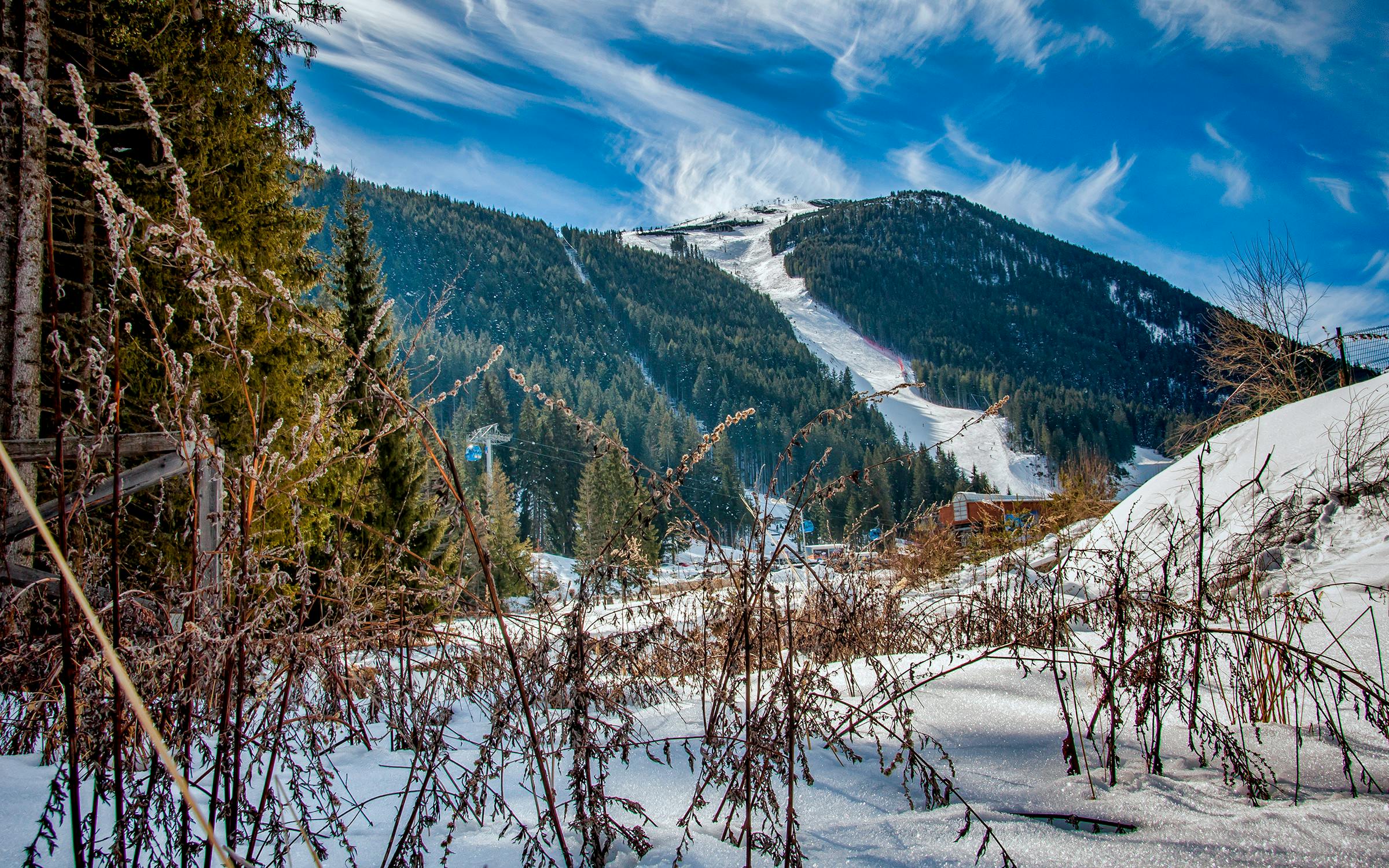
Bansko Ski Resort: Where Alpine Majesty Meets Bulgarian Charm
Golden morning light spills across the snow-draped slopes of Bansko Ski Resort—a winter wonderland nestled at the foot of the Pirin Mountains where the crisp scent of pine mingles with the faint aroma of woodsmoke drifting from cozy chalets. The air carries the soft crunch of fresh powder, the distant hum of chairlifts gliding overhead, and the gentle murmur of skiers marveling at the panoramic views stretching toward Greece and North Macedonia. You hear the rhythmic swish of skis slicing through pristine trails—each turn a reminder of the resort’s historical significance spanning over six decades. This isn't merely a ski destination—it's a living chronicle of Bulgaria’s alpine heritage, where 75 kilometers (47 miles) of groomed runs hold the weight of countless winters, and where every echo connects you to a legacy measured in generations. Standing on the summit of Mount Todorka with panoramic views of jagged peaks bathed in amber light, you connect with the same natural beauty that has drawn adventurers since its development in the 1940s—a testament to humanity's enduring quest for adventure and connection with nature.
Why Bansko Embodies Alpine Excellence
The Bansko Ski Resort embodies far more than world-class skiing—it stands as one of Bulgaria’s most extraordinary examples of alpine tourism, where strategic necessity merged with cultural pride. Established in the 1940s, this expansive resort spans elevations ranging from 925 meters (3,035 feet) at the base to 2,560 meters (8,399 feet) at the summit of Mount Todorka, making it one of the highest and most visually striking ski destinations in Eastern Europe. The site solved a fundamental challenge: how to create an accessible yet visually stunning space that could attract international visitors while serving as a symbol of national resilience. Built following centuries of agricultural use and folklore traditions, the resort features distinctive characteristics including the modern gondola system, the meticulously maintained pistes catering to all skill levels, and the charming old town offering a glimpse into Bulgaria’s rich cultural heritage. What makes Bansko unique is its completeness: unlike many European ski resorts that were modernized or repurposed, this site has maintained much of its original character while gaining protected status as part of Bulgaria’s efforts to promote sustainable tourism. Today, Bansko stands as one of Europe’s most significant cultural treasures, where the constant interplay between preservation and innovation creates a dynamic space that continues to shape our understanding of alpine harmony—a testament to the enduring power of vision when nurtured with passion and precision.
The Best Time to Experience Bansko
To experience Bansko at its most atmospheric, plan your visit between December 15–March 15, when daytime temperatures range from -5°C to 5°C (23°F to 41°F) and the surrounding landscape is blanketed in pristine snow. During these windows, you'll enjoy optimal conditions for skiing, snowboarding, and exploring the charming old town without summer's humidity or autumn's unpredictable weather. For optimal skiing on the upper slopes, arrive at 8:00–9:30 AM when morning light illuminates the eastern faces, creating ideal visibility without harsh shadows while the slopes remain relatively quiet. Alternatively, visit at 3:00–4:30 PMApril 15–May 30 when temperatures rise above 15°C (59°F), the snow melts rapidly, and many lifts close for seasonal maintenance. For visitor information, event schedules, and special exhibitions, visit https://www.banskoski.com.
Approximate Budget for a 7-Day Trip
Visiting Bansko requires basing yourself in nearby accommodations within the resort or the charming old town, with easy access to the slopes, après-ski venues, and cultural attractions. The following budget assumes moderate travel style—comfortable boutique hotels, authentic Bulgarian cuisine, and a mix of public transportation and occasional taxi rides. Prices are listed in Bulgarian Lev (BGN) with euro equivalents for international travelers (1 EUR ≈ 1.96 BGN in 2026).
- Accommodation: 80–150 BGN (40–75€) per night in central neighborhoods like Bansko Old Town or near the gondola station. Budget pensions start at 60 BGN; mid-range boutique hotels run 150–300 BGN (75–150€).
- Food: 30–50 BGN (15–25€) per day total. Breakfast: 10–15 BGN for traditional banitsa with ayran. Lunch: 15–20 BGN for regional specialties at a local tavern. Dinner: 20–30 BGN for sit-down meals featuring kebapche, shopska salad, and Bulgarian wine.
- Transportation: Local bus: 3 BGN (1.50€) for single ride; taxi from Sofia Airport: ~120 BGN (60€); Bolt/Uber: ~25 BGN (12.50€) for short trips within resort areas.
- Attractions: Lift pass: 100–150 BGN (50–75€) per day; guided tour: 50 BGN (25€); Pirin National Park hike: 20 BGN (10€); old town museum entry: 10 BGN (5€).
- Miscellaneous: Traditional Bulgarian crafts: 30–70 BGN (15–35€); folk art souvenirs: 15–40 BGN (7.50–20€); après-ski concert ticket: 20–40 BGN (10–20€).
Total 7-Day Budget: 800–1,200 BGN (400–600€) per person (excluding international flights)
7 Essential Bansko Experiences
- Ski the Black Runs: Navigate the challenging pistes descending from Mount Todorka—offering panoramic views of the Pirin Mountains. The preserved terrain creates a visceral connection to Bulgaria's alpine heritage. Best experienced mid-morning (10:00 AM–12:00 PM) when lighting enhances trail visibility; included with lift pass; allow 3 hours; wear appropriate gear.
- Explore Bansko Old Town: Wander the cobblestone streets lined with 18th-century stone houses—a symbol of Bulgaria's architectural evolution dating back to Ottoman times. The preserved structures create a powerful connection to Bulgaria's cultural past. Best experienced mid-day (12:00–2:00 PM) when lighting illuminates architectural details; free; allow 2 hours.
- Ride the Gondola to the Summit: Ascend 2,560 meters (8,399 feet) for constantly changing perspectives of the jagged peaks and sprawling valleys. The elevated journey offers panoramic views that reveal the precise alignment of the mountain ridges often missed by casual visitors. Best experienced mid-day (12:00–2:00 PM) when lighting enhances visibility; included with lift pass; allow 1 hour; bring binoculars.
- Photograph the Sunset Over Pirin: Position yourself from the viewing platform near the gondola station to capture the iconic view of the sun dipping behind jagged peaks. The elevated vantage points offer perfect perspectives for both wide-angle landscapes and detailed close-ups. Visit during sunset (5:00–6:30 PM) for optimal lighting; free; allow 45 minutes; wide-angle lens recommended.
- Visit the Holy Trinity Church: Explore the ornate interior featuring intricate frescoes, marble columns, and gold leaf detailing. The preserved artwork creates a powerful connection to Bulgaria's ecclesiastical elegance. Visit mid-week (Tuesday–Thursday) when guides provide detailed historical context; included with guided tour; allow 30 minutes.
- Taste Traditional Bulgarian Cuisine: Sample authentic dishes at restaurants like Mechana Kasnakovo or Hadjidraganovite Izbi: try kebapche, shopska salad, and regional specialties that connect you to centuries of culinary tradition. Best experienced during lunch (12:00–2:00 PM); budget 20–30 BGN per meal.
- Join a Guided Snowshoe Tour: Experience the specialized tour focusing on the resort's role in Bulgarian history, featuring explanations of the ecological significance behind alpine ecosystems and wildlife. Knowledgeable guides reveal details often overlooked by casual visitors. Tours typically begin at 9:00 AM; tickets 50 BGN; allow 3 hours; book online to secure spots.
3 Hidden Gems Most Travelers Miss
- The Secret Viewpoint at Dobrinishte Hot Springs: Tucked away behind the main tourist pathway, this elevated platform offers panoramic views of the entire resort that reveal the precise alignment of the ski runs often missed by visitors focused on the main attractions. Most visitors miss it because it's not prominently marked on standard tourist maps. Access: Located in the northern corner of Dobrinishte; visit early morning (7:00–9:00 AM) when lighting enhances the architectural details. Included with exterior views; allow 25 minutes; bring binoculars.
- The Hidden Courtyard Garden: Hidden along the western section of the old town, this lesser-known courtyard garden features intricate landscaping often overlooked by visitors focused on the main facade. Often overlooked because it's tucked away from the primary viewing areas. Access: Included with exterior views; visit mid-morning (10:00 AM–12:00 PM) when lighting enhances the garden details. No additional fee; allow 20 minutes; bring magnifying glass.
- The Moonlight Reflection on the Snowfields: This lesser-known evening experience follows the southern edge of the plateau where strategically placed lights create dramatic moonlight effects on the snowfields. Most visitors leave before dusk, missing this serene experience. Access: Available during evening hours; best visited on clear nights with full moon. No additional fee; allow 45 minutes; bring a flashlight and wear quiet footwear.
Cultural & Practical Tips
- Respect Historical Significance: Bansko represents centuries of Bulgarian cultural heritage—speak thoughtfully about its historical context. Avoid making casual comparisons to other European ski resorts without acknowledging its unique role as a symbol of national identity.
- Essential Bulgarian Phrases: "Здравейте" (zdraveyte) = Hello; "Благодаря" (blagodarya) = Thank you; "Моля" (molya) = Please/You're welcome; "Да" (da) = Yes; "Не" (ne) = No. Locals appreciate respectful efforts.
- Building Strategy: Purchase lift passes online to skip queues, especially during peak season. Morning slots (9:30–11:30 AM) offer the clearest views and fewest crowds. Consider the premium tour for access to restricted areas.
- Photography Guidelines: Photography is permitted throughout the exterior grounds. Inside buildings, flash is often prohibited to protect historic artwork. Respect services by avoiding photography during official events or restoration work.
- Weather Preparedness: Bansko experiences temperate continental climate: winter lows drop to -15°C (5°F); summer highs reach 25°C (77°F). The slopes can be windy year-round; carry a light layer even in spring.
- Accessibility Notes: Bansko has limited accessibility due to uneven stone pathways and elevation changes. Some areas are accessible, but many require navigating stairs; request assistance at the entrance for alternative viewing options.
- Combine with Nearby Sites: Enhance your Bansko visit with walking-distance attractions: Pirin National Park (15 minutes), Dobrinishte Hot Springs (20 minutes), and Rila Monastery (1-hour drive). A regional perspective enriches understanding of Bulgaria's historical layers.
Conclusion: Travel with Reverence, Not Just Observation
Bansko invites you to do more than photograph its snow-covered slopes—it calls you to understand with profound responsibility. This is a place to stand where alpine grandeur transforms into cultural symbolism, where the rhythmic pulse of Bulgaria’s identity has continued uninterrupted for over six decades, where unity must triumph over division. When you walk the same paths trodden by generations of Bulgarian citizens through partitions and political transformation, when you gaze upon the preserved landscapes that have witnessed the nation's struggles and triumphs, when you experience the architectural harmony that has survived wars, revolutions, and political change, you participate in an act of historical understanding that transcends tourism. Travel to Bansko with reverence for the engineers who created this masterpiece, for the preservationists who maintained it through turbulent times, for the community that cherishes this space as their living heritage. Respect the fragility of cultural continuity—every footprint off-trail, every careless touch on historic surfaces, disrupts a balance measured in decades rather than moments. Understand that the vibrant atmosphere you experience depends on the mindfulness of every visitor who comes after you. Let the building's intricate design humble your understanding, let its stories deepen your compassion, and let the convergence of artistic vision, national identity, and community remind you that the most profound journeys are those that transform observation into meaningful connection with the enduring power of historical spaces that teach us about our shared human experience.