Belém Tower: Where Maritime Glory Meets Manueline Stone
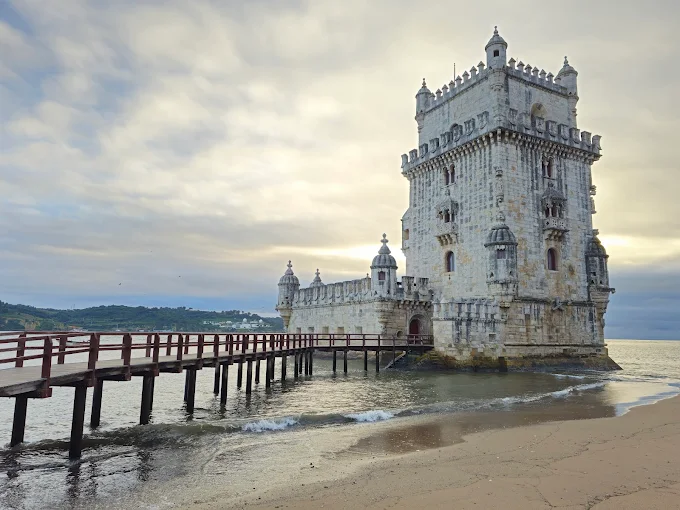
Belém Tower: Where Manueline Stone Meets Portugal’s Maritime History
At 9:15 on a Thursday morning, I join the short queue outside Belém Tower and pay €15 for entry. The river wind is cool, gulls are loud, and the pale limestone feels almost white in the early sun. From the waterfront, the tower looks larger than it feels inside. That contrast is useful to understand before visiting. Belém Tower is one of Lisbon’s most recognizable monuments, but the interior is compact, the spiral stairs are narrow, and busy days can turn the visit into a slow climb behind other travelers. The reward comes from the carved exterior, the small defensive rooms, and the upper terrace, where the Tagus opens toward the Atlantic. Plan for about an hour inside and another hour outside. Pair it with Jerónimos Monastery and the Monument to the Discoveries, but do not rush through Belém just to collect photographs. The district’s history is complicated, and the tower deserves more than a quick stop.
Why Belém Tower Matters
Belém Tower was built between 1514 and 1520 during the reign of King Manuel I. Its original purpose was military. Positioned near the mouth of the Tagus, it helped defend Lisbon and control river traffic approaching the city. It later served as a customs point, lighthouse, and prison.
The tower is a strong example of Manueline architecture, a Portuguese style filled with maritime symbols and carved natural forms. Look for ropes, shields, armillary spheres, battlements, and a rhinoceros figure on the western side. These details connect the building to Portugal’s seafaring ambitions and the wealth generated by overseas trade.
Inside, visitors move through the governor’s chamber, kings’ chamber, audience hall, chapel, and upper terrace. The rooms are small, and the narrow staircase forces visitors to move carefully. The tower’s location matters as much as the architecture. Ships once passed this point on journeys that changed Portugal while causing deep harm through colonial rule, forced labor, and unequal trade.
That history should not be polished away. Belém Tower is beautiful, but it also represents an age of expansion that brought suffering to many communities. A second criticism is practical: the interior visit can feel brief for the price, especially when queues limit how long you can pause on each floor. The exterior and riverside setting often provide more value than the ticket alone.
The Best Time to Experience Belém Tower
The best periods are 1 April to 31 May and 15 September to 31 October. Daytime temperatures usually range from 18°C to 26°C, or 64°F to 79°F. These months are comfortable for walking between the tower, monastery, gardens, and riverside museums.
From 1 June to 14 September, temperatures often reach 26°C to 32°C, or 79°F to 90°F. Arrive between 9:30 and 10:30 in the morning, before the strongest heat and largest queues. The riverfront offers little shade, so afternoons can be uncomfortable.
From 1 November to 28 February, expect daytime temperatures of roughly 12°C to 18°C, or 54°F to 64°F. Winter brings cooler winds and a greater chance of rain, but the tower is easier to photograph without crowds. Carry a waterproof layer for the walk from the tram or train station.
From 1 March to 31 October, regular hours generally run from 10:00 to 18:30, with last admission at 17:30. From October through April, closing is usually around 17:30, with last admission at 17:00. The tower closes on Mondays and selected public holidays, including 1 January, Easter Sunday, 1 May, 13 June, and 25 December.
Approximate Budget for a 7-Day Trip to Belém Tower and Lisbon
A week in Lisbon is manageable on a mid-range budget if you stay outside the most expensive central streets and use public transport. The estimate below covers one adult sharing accommodation and excludes flights.
- Accommodation: €420 to €770 for seven nights in a budget hotel, guesthouse, or private room. Central hotels and summer weekends may cost considerably more.
- Food: €210 to €350 for breakfasts, casual lunches, dinners, pastries, coffee, and drinks. Prices rise around the main Belém attractions.
- Transport: €45 to €75 for trams, buses, metro, trains, and occasional ride-hailing trips. Walking works well within Belém but not always between Belém and central Lisbon.
- Attractions: €120 to €190 for Belém Tower, Jerónimos Monastery, museums, São Jorge Castle, and one paid excursion.
- Miscellaneous: €70 to €120 for water, snacks, luggage storage, small purchases, and unexpected costs.
Estimated total for one traveler sharing accommodation: €865 to €1,505. Private tuk-tuk rides are often overpriced around Belém, particularly for short distances. Take tram 15, bus 714, or the train from Cais do Sodré instead. The €15 tower ticket can also feel expensive for a short interior visit, so compare it with a Lisboa Card if you plan to visit several included attractions.
Essential Belém Tower Experiences
- Walk around the exterior first. The river-facing side has the richest stonework, and seeing the tower from the water helps explain its defensive position.
- Enter the lower battery. The gun openings and low spaces show how the tower operated as a fort rather than simply a royal ornament.
- Climb the spiral staircase. The stairs are narrow, and visitors may need to wait at passing points. Take them slowly.
- Visit the governor’s chamber. This room gives a glimpse of how the tower was managed and defended during its working years.
- Look for the rhinoceros carving. It is one of the tower’s most unusual details and reflects Portugal’s contact with distant territories during the sixteenth century.
- Reach the upper terrace. The view includes the Tagus, Belém, and the nearby monuments. Wind can be strong, so hold onto loose belongings.
- Skip the interior if queues are extreme. The outside of the tower is free to admire, and the nearby waterfront still offers a worthwhile visit without spending hours waiting.
Hidden Gems Most Travelers Miss
- Champalimaud Foundation waterfront: The public gardens and river views west of the tower offer a quieter walk away from the main monument area.
- Bom Sucesso marina: This harbor is a pleasant place for a short pause, especially when the tower area feels crowded.
- Restelo waterfront: Walk west after visiting the tower for open river views and a less commercial stretch of Belém.
- National Coach Museum: Its collection of royal carriages is unusual and makes a good rainy-day alternative to another outdoor monument.
- Ajuda National Palace: A short ride uphill leads to grand royal rooms and far fewer visitors than the riverside attractions.
- Jardim Vasco da Gama: This garden provides benches and shade between Jerónimos Monastery and the tower.
- Monument to the Discoveries rooftop: The monument is not hidden, but many visitors skip the upper platform. It offers a strong view of Belém Tower from a distance.
- Pastéis de Belém: The famous pastry shop is enjoyable, but the queue can be overrated. A long wait for a custard tart is not always the best use of your morning.
Cultural and Practical Tips for Belém Tower
- Wear shoes with good grip. The upper terrace, stone floors, and stairways can become slippery after rain.
- Book a timed ticket during summer, weekends, and school holidays. Daily visitor numbers can be limited.
- Do not arrive expecting a large castle interior. Belém Tower is compact, and the main pleasure comes from its exterior details and river setting.
- Do not join an unofficial tour or pay a street seller for a ticket without checking what the price includes. Some packages cost far more than standard admission.
- Keep bags close on Tram 15 and crowded buses. Tourists often become distracted while checking maps or photographing the route.
- Carry water and sun protection from June through September. The walk between attractions has long exposed sections.
- Check the schedule before traveling on Monday. Belém Tower is closed, and some nearby museums may also operate reduced hours.
Essential Visitor Information for Belém Tower
Location and Access: Belém Tower is at Avenida Brasília, 1400-038 Lisbon, Portugal. GPS coordinates are approximately 38.6916, -9.2160. It is about 6 kilometers west of Lisbon city center and around 15 kilometers from Lisbon Airport. Take tram 15 from Praça da Figueira or Cais do Sodré, use bus 714, 727, 729, or 751, or take the Cascais train from Cais do Sodré to Belém station. A fourth option is a taxi or ride-hailing service, though traffic can slow the journey.
Tickets and Booking: Standard adult admission is about €15. Reduced tickets are generally €7.50 for young visitors aged 13 to 24 and seniors aged 65 or over. Children aged 12 and under usually enter free. Booking is recommended during busy periods because entry may be limited by time and capacity. The Lisboa Card can include admission, but visitors may still need to reserve a time slot.
Operating Hours: From May to September, the tower generally opens from 10:00 to 18:30, with last admission at 17:30. From October to April, hours usually run from 10:00 to 17:30, with last admission at 17:00. It is closed on Mondays and on 1 January, Easter Sunday, 1 May, 13 June, and 25 December.
Visit Duration: The minimum useful visit takes 30 to 45 minutes inside. Allow 90 minutes to two hours for the tower, exterior photographs, and a relaxed walk along the river.
Family Suitability: Older children usually enjoy the cannons, small rooms, and staircase. The tower is not ideal for large strollers because of narrow passages, stairs, and crowded platforms. A baby carrier is easier. There are toilets and cafés nearby, but facilities inside the tower are limited.
Timing: Spring and early autumn provide the best balance of weather and visitor numbers. Arrive at opening time or after 16:00 on a weekday. Avoid the hottest part of the afternoon, when the exposed riverside path and stone surfaces hold the heat.
Highlights: Prioritize the river-facing façade, the lower battery, the governor’s chamber, the rhinoceros carving, and the upper terrace. If the queue is long, photograph the exterior and spend your time at Jerónimos Monastery instead.
Nearby and Day Trip: Nearby attractions include Jerónimos Monastery, the Monument to the Discoveries, the National Coach Museum, and the MAAT museum. These fit comfortably into one full day. A Sintra day trip is possible by train, but it should be planned separately because combining Sintra and Belém creates a rushed schedule.
Conclusion: Travel with Historical Curiosity, Not Just a Riverside Photograph
Belém Tower is small, detailed, and closely tied to Portugal’s maritime history. The visit becomes more meaningful when you look beyond the carved stone and consider who gained from the voyages celebrated here, and who suffered because of them. Arrive early, reserve a timed entry during busy months, and combine the tower with Jerónimos Monastery and a riverside walk. If the queue is too long, do not feel obliged to go inside. The exterior still delivers much of the experience. Bring comfortable shoes, protect yourself from the sun, and allow time to explore Belém at walking pace.
Post a Comment