Jerónimos Monastery: Where Manueline Splendor Meets Maritime Faith
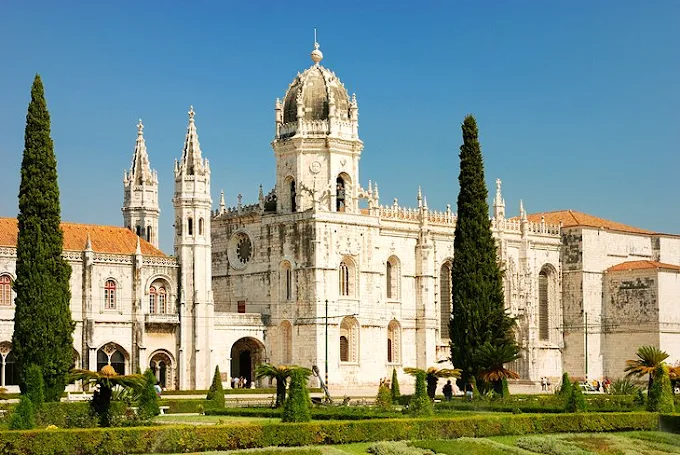
Jerónimos Monastery: Where Manueline Stonework Meets Portugal’s Maritime History
At 9:35 on a Tuesday morning, I paid €18 for entry to Jerónimos Monastery and stepped into the cloister while the first sunlight reached the upper arches. The stonework feels cool, the courtyard grass is neatly trimmed, and every column carries another carved rope, shell, leaf, or nautical shape. Jerónimos Monastery is one of Lisbon’s essential visits, but it rewards patience more than speed. The queue grows quickly, the ticket price is not cheap, and the church and cloister operate on slightly different schedules. Inside, though, the building feels far more personal than its grand reputation suggests. You can stand beside the tomb of Vasco da Gama, study the fine details around the courtyard, and understand how strongly Portugal linked religion with overseas trade. Set aside at least 90 minutes. Arrive before the main tour groups, wear comfortable shoes, and leave time for Belém’s riverside monuments, museums, and famous custard tarts.
Why Jerónimos Monastery Matters
Jerónimos Monastery was commissioned by King Manuel I in the early sixteenth century, during a period when Portugal’s wealth and political influence were closely tied to maritime trade. Its location in Belém placed it beside the river and near the departure point for ships heading toward Africa, India, and other parts of Asia.
The building is closely associated with Manueline architecture, a Portuguese style known for maritime motifs, botanical details, twisted columns, armillary spheres, and elaborate stone carving. The monastery was built for the Order of Saint Jerome, whose monks prayed for sailors and members of the royal family.
The church contains the tombs of Vasco da Gama and the poet Luís de Camões. The cloister is the main attraction, with two levels of decorated arches arranged around a quiet central garden. Look closely and you will find ropes, coral-like forms, shields, plants, and symbols connected to Portugal’s seafaring past.
There is also a difficult side to this history. The money behind Portugal’s overseas expansion was tied to colonial exploitation, forced labor, and unequal trade. The monastery should not be viewed only as a celebration of exploration. Its beauty is real, but the wider story is more complicated.
The honest drawback is that the building can feel crowded and controlled. Rope barriers restrict parts of the cloister, and restoration work may affect access. Visitors expecting richly furnished rooms may be surprised because the strongest experience comes from architecture rather than museum displays.
The Best Time to Experience Jerónimos Monastery
The most comfortable periods are 1 April to 31 May and 15 September to 31 October. Daytime temperatures commonly range from 18°C to 26°C, or 64°F to 79°F. These months offer pleasant conditions for walking between the monastery, Belém Tower, and the riverside.
From 1 June to 14 September, daytime temperatures often reach 26°C to 32°C, or 79°F to 90°F. Visit between 9:30 and 11:00 in the morning, when the cloister is cooler and the queue is usually shorter. Summer afternoons can be hot, especially on the open walk between nearby attractions.
From 1 November to 28 February, expect around 12°C to 18°C, or 54°F to 64°F. Rain is more likely, but the lower visitor numbers make winter a sensible choice. Carry a light waterproof layer because Belém’s riverside paths can feel windy.
From 1 March to 31 October, the cloister is generally open Tuesday through Sunday from 9:30 to 17:30, with last entry at 17:00. From 1 November to the end of February, the same regular hours usually apply, although temporary closures and restoration work can change access. Mondays are closed throughout the year.
Approximate Budget for a 7-Day Trip to Jerónimos Monastery and Lisbon
A week in Lisbon can suit several budgets. The estimate below assumes one adult sharing a room, using public transport, and choosing casual restaurants rather than high-end dining.
- Accommodation: €420 to €770 for seven nights in a budget hotel, guesthouse, or private room. Central properties and summer weekends can push this beyond €900.
- Food: €210 to €350 for breakfasts, cafés, simple lunches, dinners, pastries, and drinks. Belém’s best-known pastry shop is good, but nearby cafés may charge less for a similar snack.
- Transport: €45 to €75 for metro, buses, trams, and occasional ride-hailing trips. Walking is useful, though the distance between central Lisbon and Belém makes public transport worthwhile.
- Attractions: €120 to €190 for Jerónimos Monastery, museums, São Jorge Castle, a viewpoint, and one paid excursion.
- Miscellaneous: €70 to €120 for water, coffee, luggage storage, small purchases, and unexpected expenses.
Estimated total for one traveler sharing accommodation: €865 to €1,505. A private tuk-tuk ride around Belém can be overpriced, especially for a short journey. Use tram 15, a regular bus, or walk between the main sights instead. The €18 monastery ticket is also worth checking against a city attraction pass if you plan to visit several included museums.
Essential Jerónimos Monastery Experiences
- Walk through the cloister. Take your time around both levels and study the carvings from several angles. The details are easy to miss when groups move through quickly.
- Visit the Church of Santa Maria de Belém. The church contains impressive vaulted ceilings and the tomb of Vasco da Gama. Entry is handled separately from the cloister in some periods.
- See Vasco da Gama’s tomb. The monument is a major part of Portugal’s maritime story, though it also invites questions about the wider consequences of overseas expansion.
- Find Luís de Camões’ tomb. Portugal’s famous poet is buried near Vasco da Gama, creating a useful contrast between national literature and maritime history.
- Study the south portal. The richly carved entrance is one of the monastery’s most detailed exterior features. Look upward rather than only at eye level.
- Visit the old refectory areas. These rooms offer a quieter sense of monastic life than the main courtyard, depending on which sections are open.
- Skip a long midday queue if you dislike crowds. Visit another Belém attraction first and return later, or choose the first available morning entry on a weekday.
Hidden Gems Most Travelers Miss
- Jardim da Praça do Império: The large garden directly in front of the monastery gives you space to appreciate the building’s full façade.
- Restelo waterfront: Walk west along the river after your visit for open views and a break from the narrow tourist streets.
- Palácio Nacional de Belém exterior: The pink presidential palace is not always open to casual visitors, but its exterior and surrounding gardens add context to the district.
- National Coach Museum: Its collection of royal carriages is unusual and often overlooked by travelers focused only on monasteries and towers.
- Ajuda National Palace: A short ride uphill brings you to lavish royal interiors and fewer crowds than the main Belém sights.
- Monument to the Discoveries rooftop: The monument is not a hidden location, but its upper platform is frequently skipped. The views are strong on clear days.
- Pastéis de Belém: The historic shop is famous and the pastries are enjoyable, but it can be overrated during peak hours. A long wait is not always worth it when other bakeries nearby serve excellent custard tarts.
Cultural and Practical Tips for Jerónimos Monastery
- Dress respectfully for the church. Shoulders and knees do not always attract strict enforcement, but modest clothing is the safer choice.
- Book a timed entry during June, July, August, and holiday periods. Waiting outside in full sun is unpleasant.
- Do not confuse the church queue with the cloister entrance. They may use separate lines, and joining the wrong one wastes time.
- Do not plan to visit every Belém attraction on a Monday. Jerónimos Monastery and several nearby museums close that day.
- Keep your bag in front on crowded trams and buses. Pickpocketing is a greater risk when passengers are distracted by the route.
- Bring water and a hat in summer. The plaza and riverside walk offer limited shade.
- Allow extra time for security checks and restoration-related detours. The building is historic, and not every section is always accessible.
Essential Visitor Information for Jerónimos Monastery
Location and Access: Jerónimos Monastery is at Praça do Império, 1400-206 Lisbon, Portugal. GPS coordinates are approximately 38.6979, -9.2065. It is about 6 kilometers from Lisbon city center and around 15 kilometers from Lisbon Airport. Take tram 15 from Praça da Figueira or Cais do Sodré, use bus 727, 729, 714, or 751 depending on your starting point, or take a taxi or ride-hailing service. The train from Cais do Sodré to Belém is another practical option, followed by a short walk.
Tickets and Booking: General admission to the cloister is €18. Reduced admission is commonly €9 for visitors aged 13 to 24 and €9 for visitors aged 65 or over, while children aged 12 and younger generally enter free. Booking is not always required, but it is strongly recommended during busy periods. The church may have separate access arrangements, and admission rules can change during religious services.
Operating Hours: The cloister is generally open Tuesday through Sunday from 9:30 to 17:30, with last entry at 17:00. The church usually opens Tuesday through Saturday from 10:30 to 17:00 and on Sundays and religious holidays from 14:00 to 17:00. The monastery closes on Mondays, 1 January, Easter Sunday, 1 May, 13 June, and 25 December. The ticket office normally closes at 16:30.
Visit Duration: The minimum useful visit takes 60 to 75 minutes. Allow 90 minutes to two hours if you want to study the cloister, enter the church, and move through the available monastic rooms without rushing.
Family Suitability: Older children usually enjoy the carvings, open courtyard, and church architecture. Stroller access is possible in some areas but awkward around steps, narrow passages, and crowded corridors. A compact stroller or baby carrier is easier. Toilets are available, though parents should bring snacks and water for younger children.
Timing: Spring and early autumn provide the best balance of weather and crowd levels. Arrive at opening time or visit after 15:30 on a weekday. Avoid Sunday morning if you want a quiet church visit, since religious services can affect access.
Highlights: Focus on the two-level cloister, the south portal, the Church of Santa Maria de Belém, the tombs of Vasco da Gama and Luís de Camões, and the old refectory spaces.
Nearby and Day Trip: Nearby attractions include Belém Tower, the Monument to the Discoveries, the National Coach Museum, and the MAAT museum. These sights fit comfortably into one day. A trip to Sintra is possible from Lisbon, but it is better planned as a separate full-day outing rather than combined with Belém.
Conclusion: Travel with Historical Curiosity, Not Just Ornate Stone
Jerónimos Monastery is more than a beautiful building beside the Tagus. Its carved stone records Portugal’s royal ambition, religious life, seafaring history, and colonial past. That fuller story makes the visit more meaningful than a quick photograph in the cloister. Go early, reserve your entry when Lisbon is busy, and check the church schedule before arriving. Pair the monastery with Belém Tower and the riverfront, but leave room to pause and look closely. A small detail may stay with you longer than the grand façade. Will you visit for the architecture, the history, or both?
Post a Comment